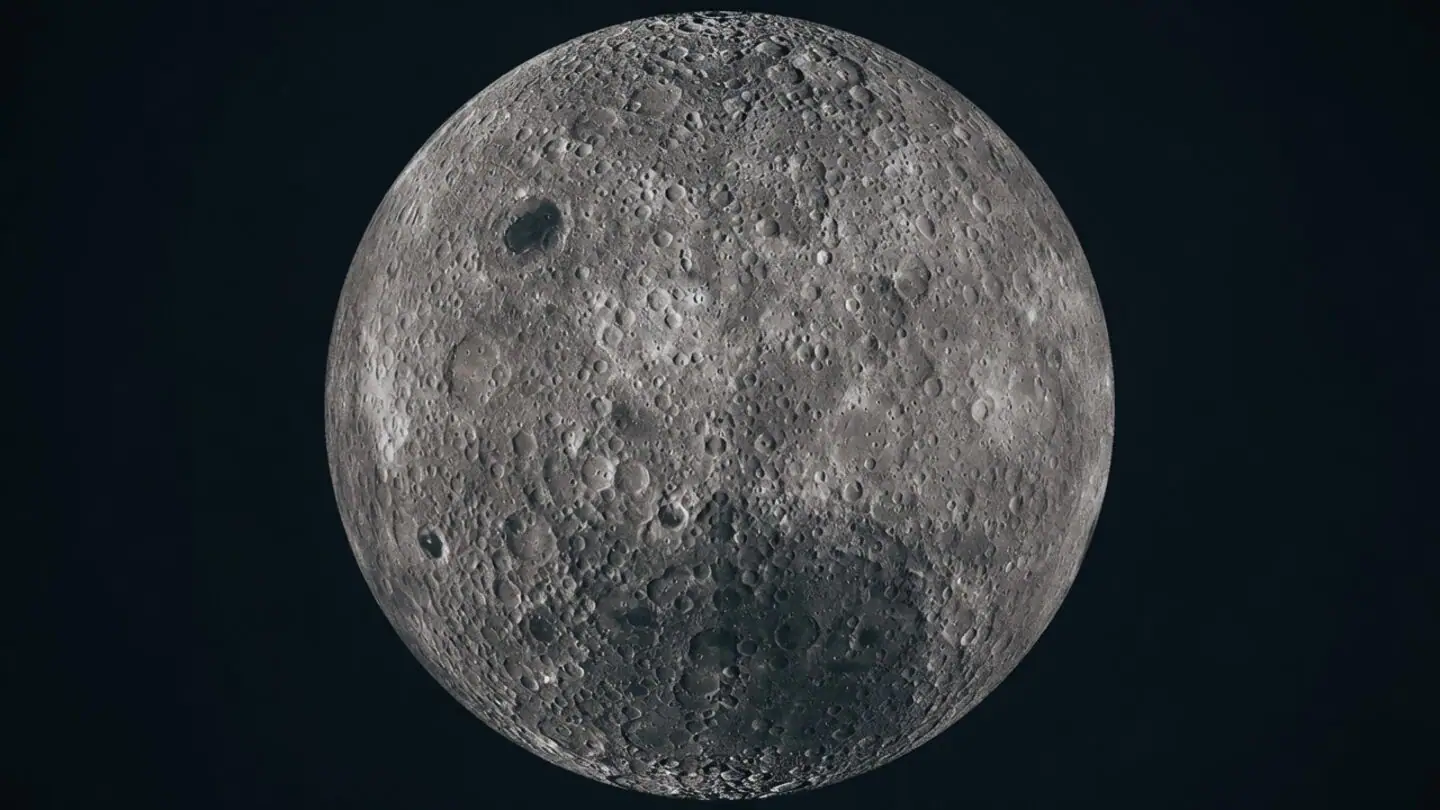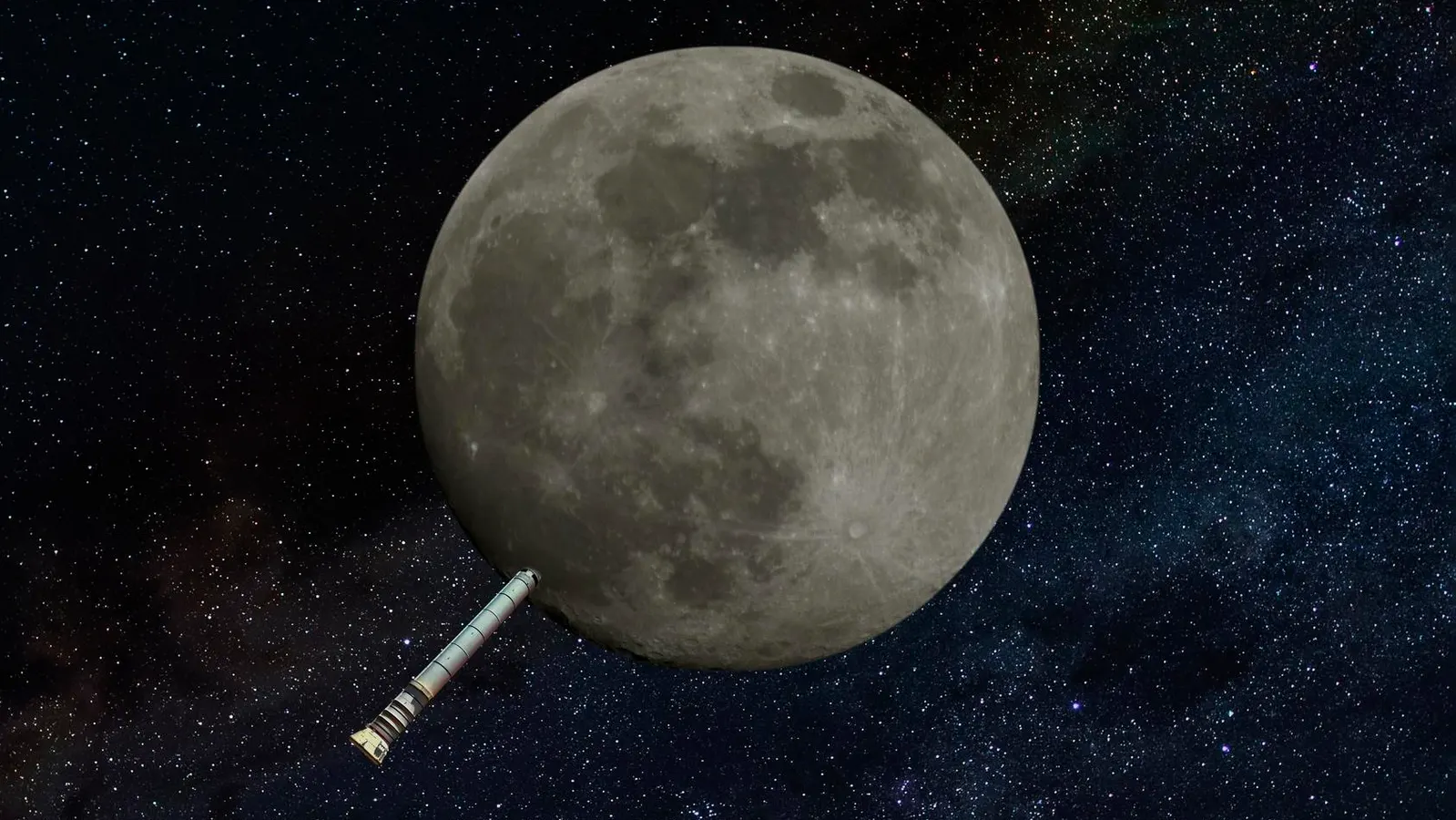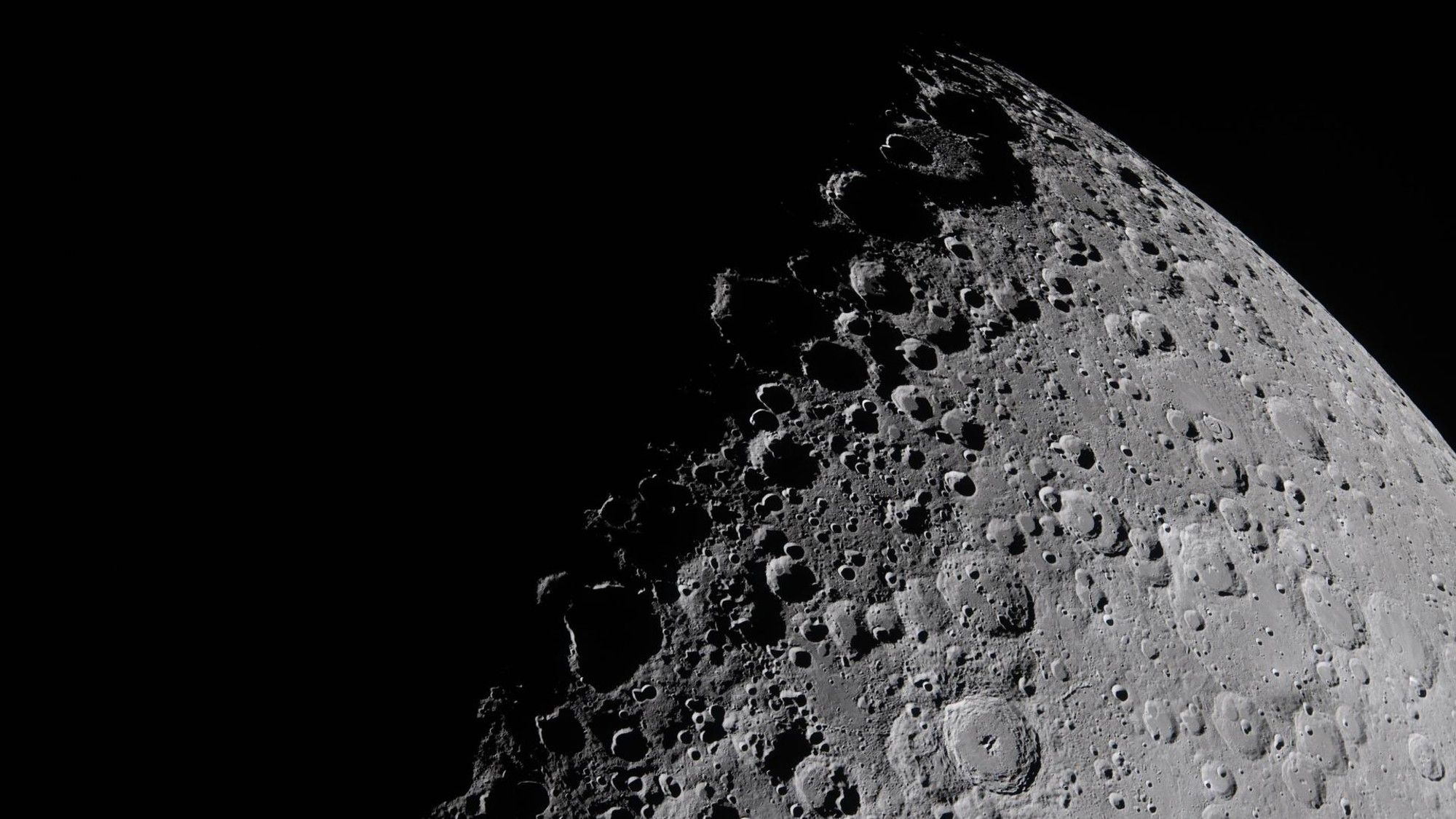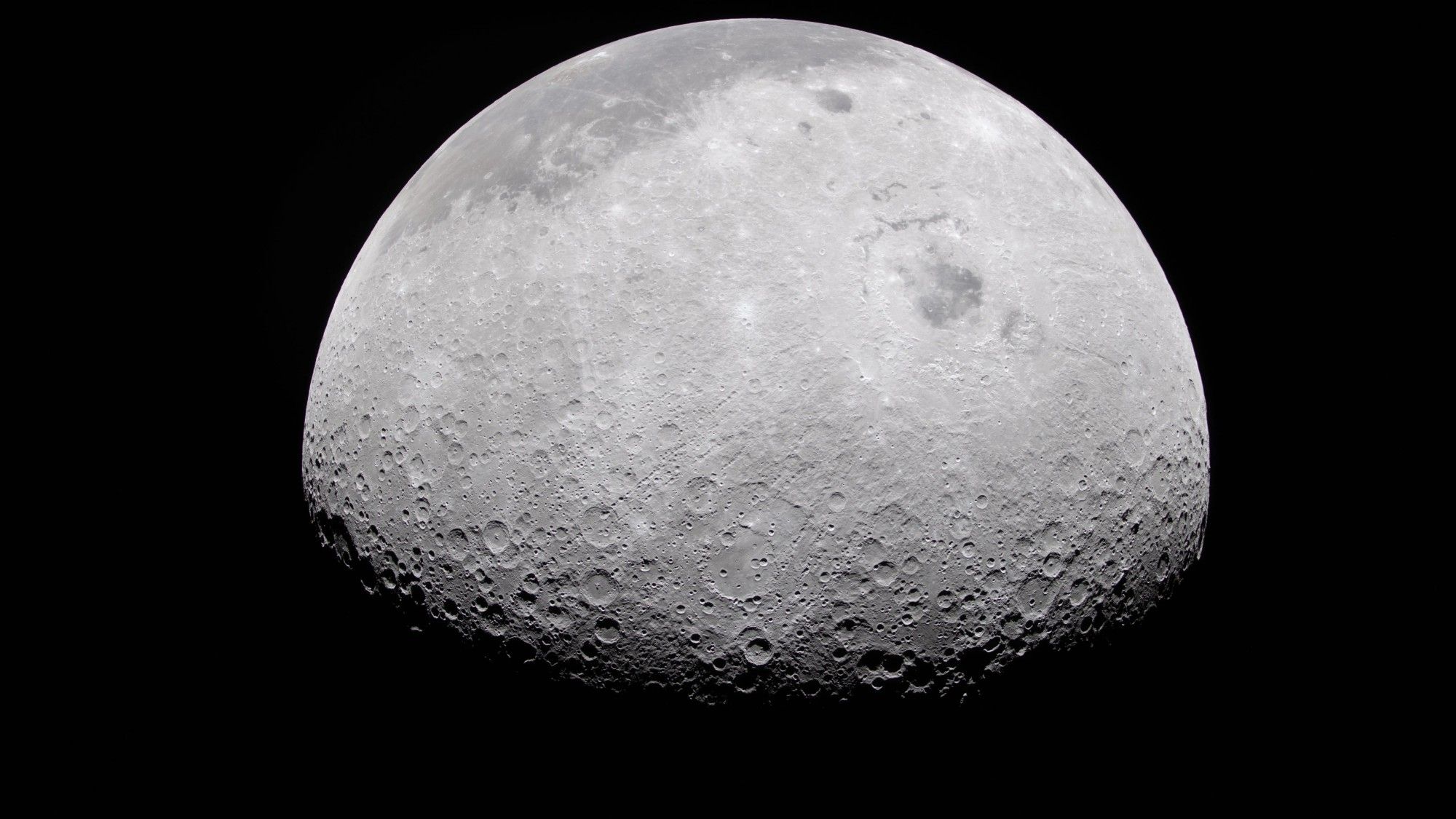
Firefly Aerospace's Blue Ghost moon lander captured this view of a lunar sunset on March 16, 2025. The upper stage of the SpaceX Falcon 9 rocket that sent Blue Ghost to the moon is set to slam into the lunar surface on Aug. 5, 2026.
(Image credit: Firefly Aerospace)
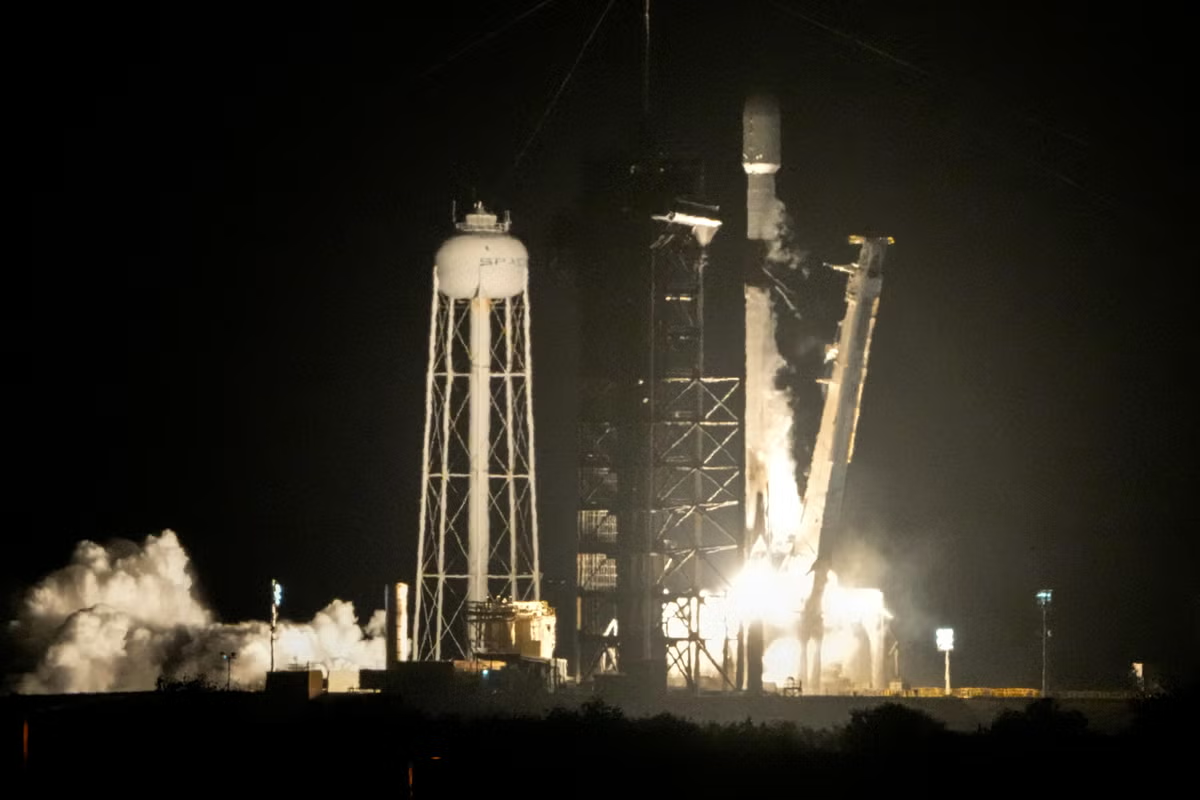
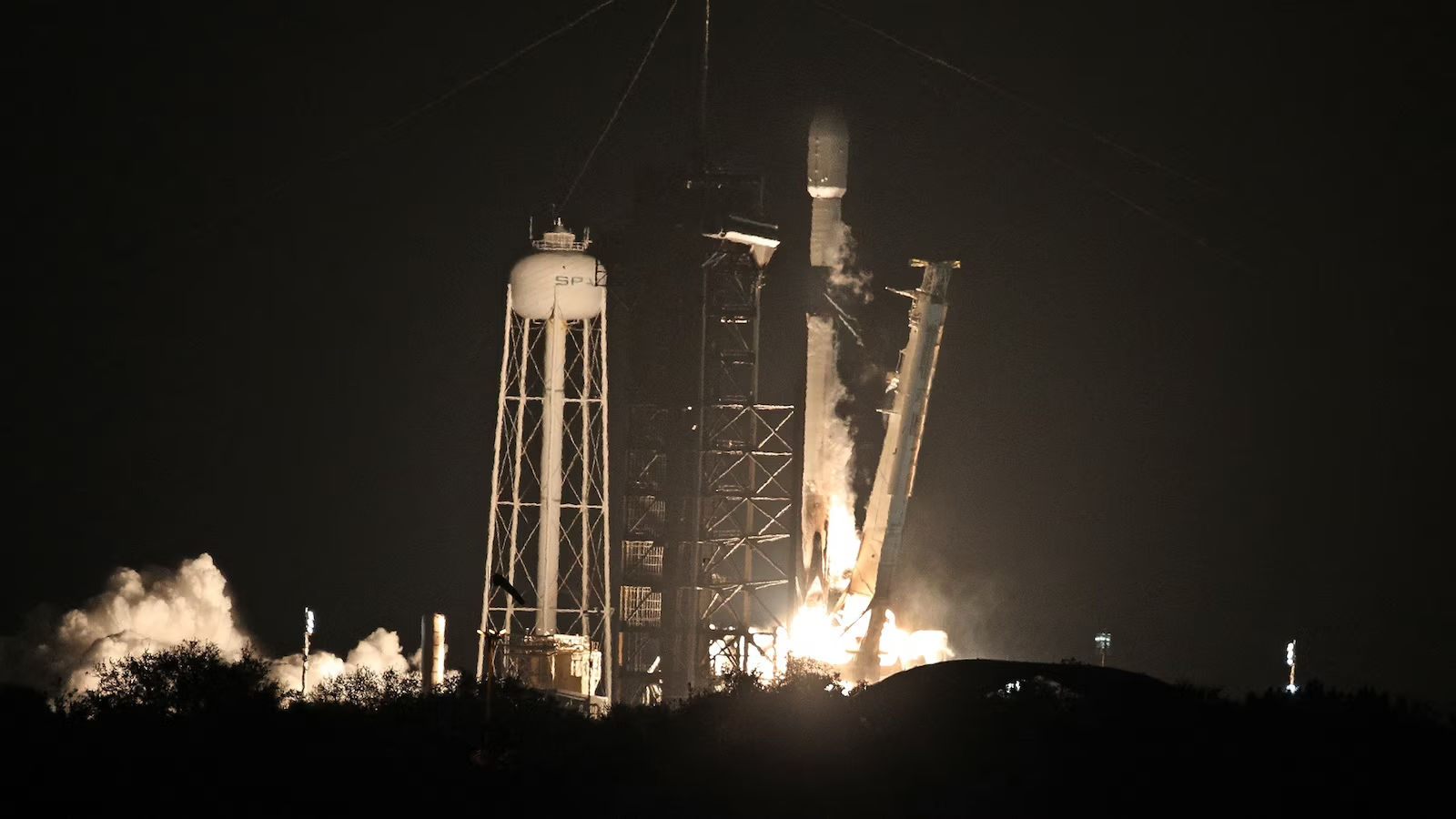
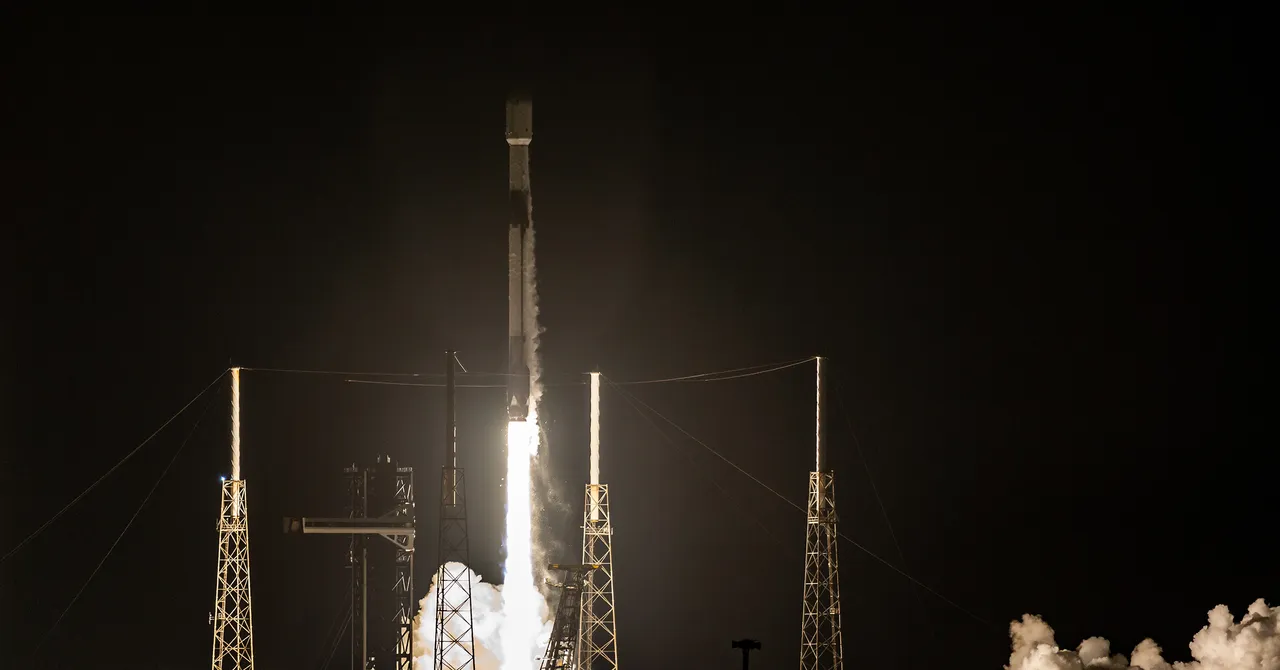
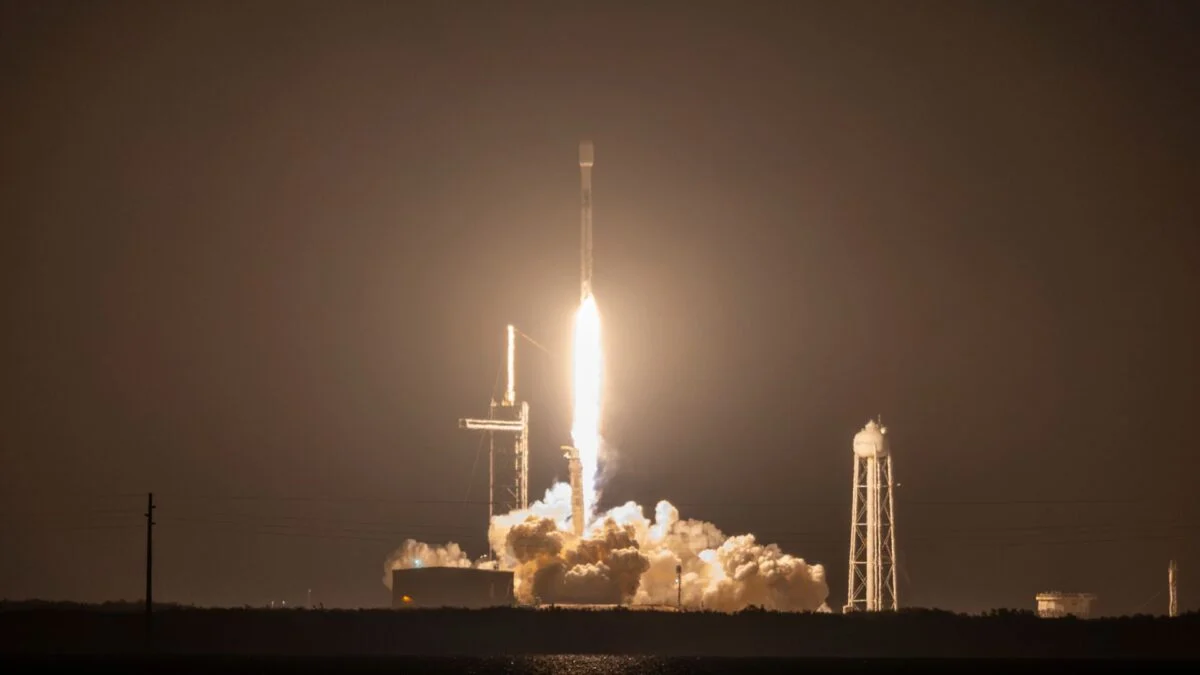
This rocket wasn't supposed to die so dramatically.On Wednesday (Aug. 5) at about 2:35 a.m. EDT (0635 GMT), the upper stage of a SpaceX Falcon 9 rocket will slam into the moon, blasting out a crater about 89 feet (27 meters) wide.The rocket body has been loitering lazily high above Earth for more than 18 months. What jolted it out of its unremarkable senescence and put it on a kamikaze course for the moon?It didn't take much, as the rocket regularly crossed into the moon's neck of the woods.The Falcon 9 launched in January 2025, carrying aloft two private robotic lunar landers — Firefly Aerospace's Blue Ghost and Resilience, which was built by the Tokyo-based company ispace. (Blue Ghost landed successfully and carried out its historic mission, but Resilience crashed during its touchdown attempt.)Falcon 9 first stages are famously reusable, but the vehicle's upper stages fly just once. SpaceX usually deorbits these rocket bodies shortly after launch, guiding them back for controlled destruction in Earth's atmosphere. That wasn't possible on the Blue Ghost-Resilience launch, however, as getting the lunar probes to their distant deployment point used up almost all of the upper stage's fuel.As a result, the 8,800-pound (4,000 kilograms) rocket body "was abandoned in a moon-crossing high-Earth orbit," according to a recent study about the coming impact led by Benjamin Fernando of Los Alamos National Laboratory in New Mexico.