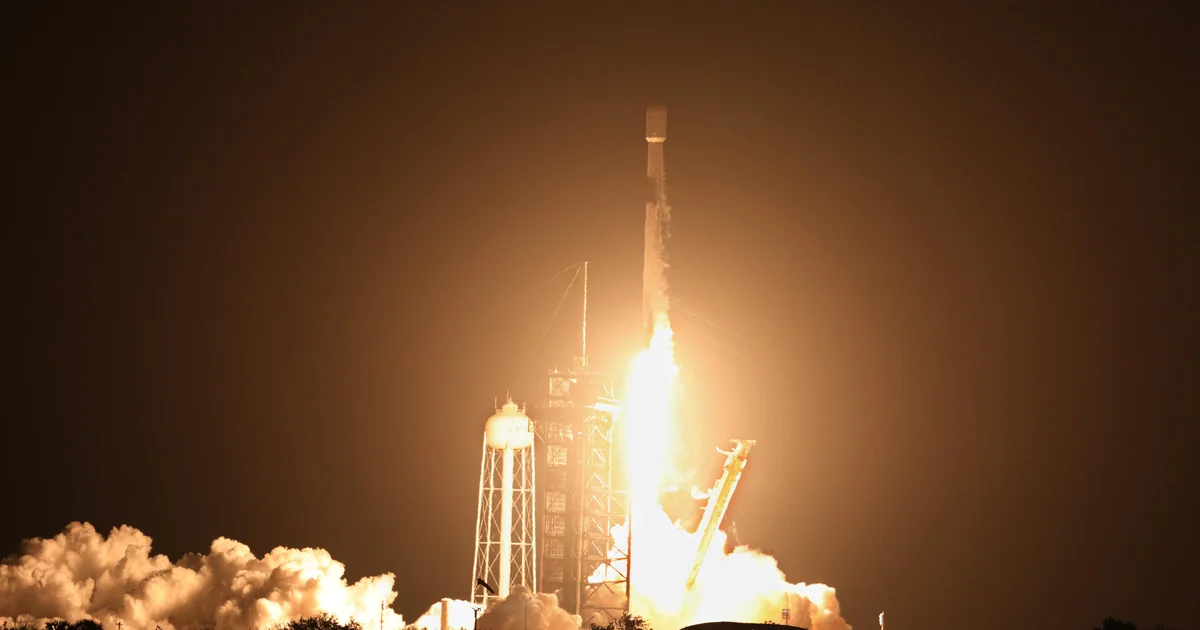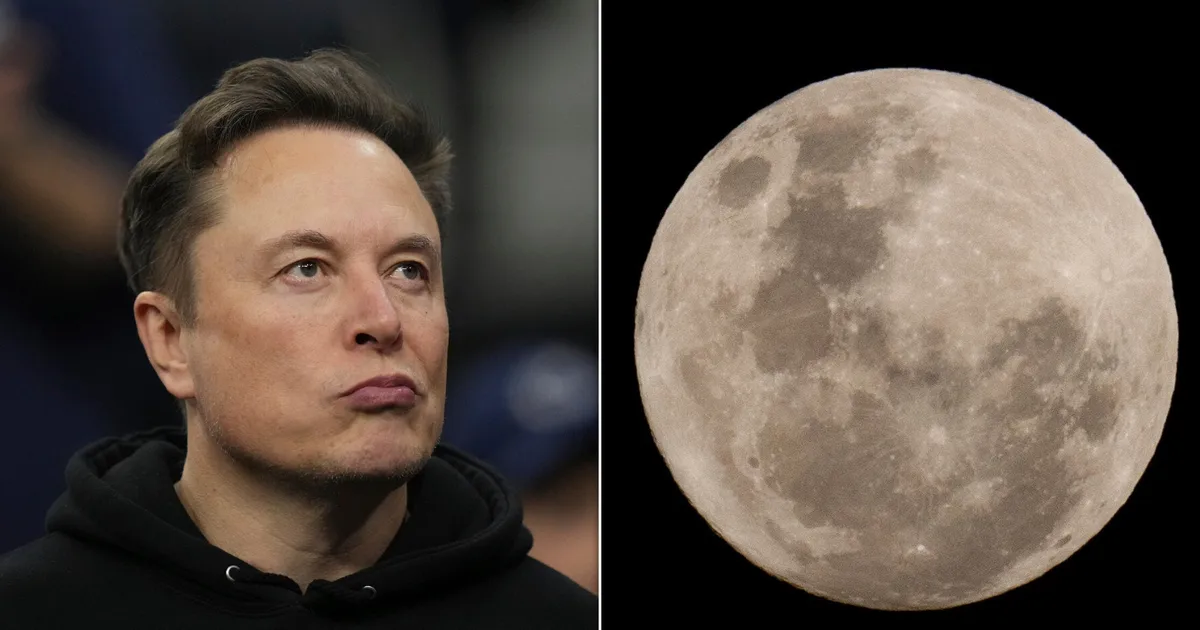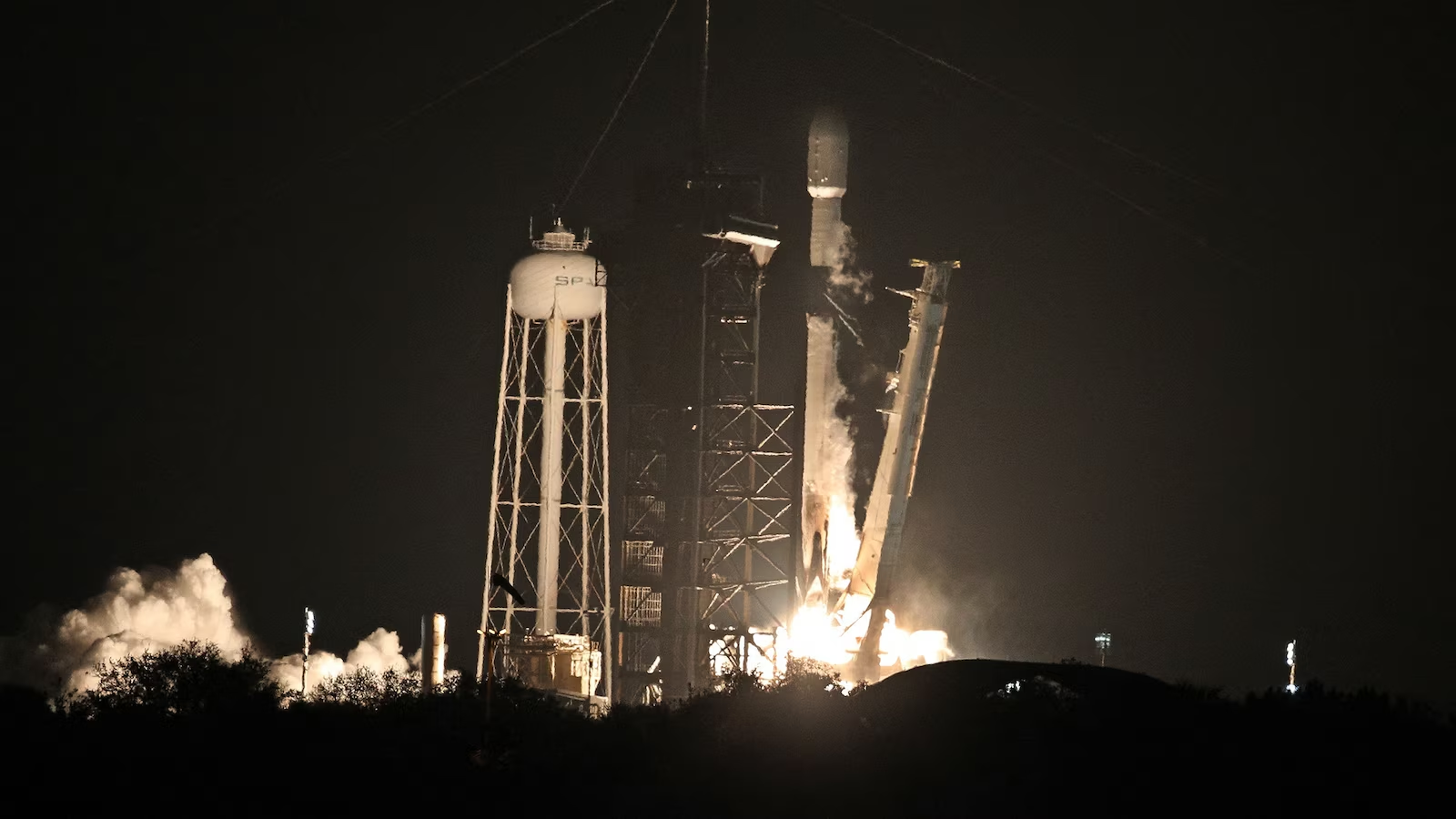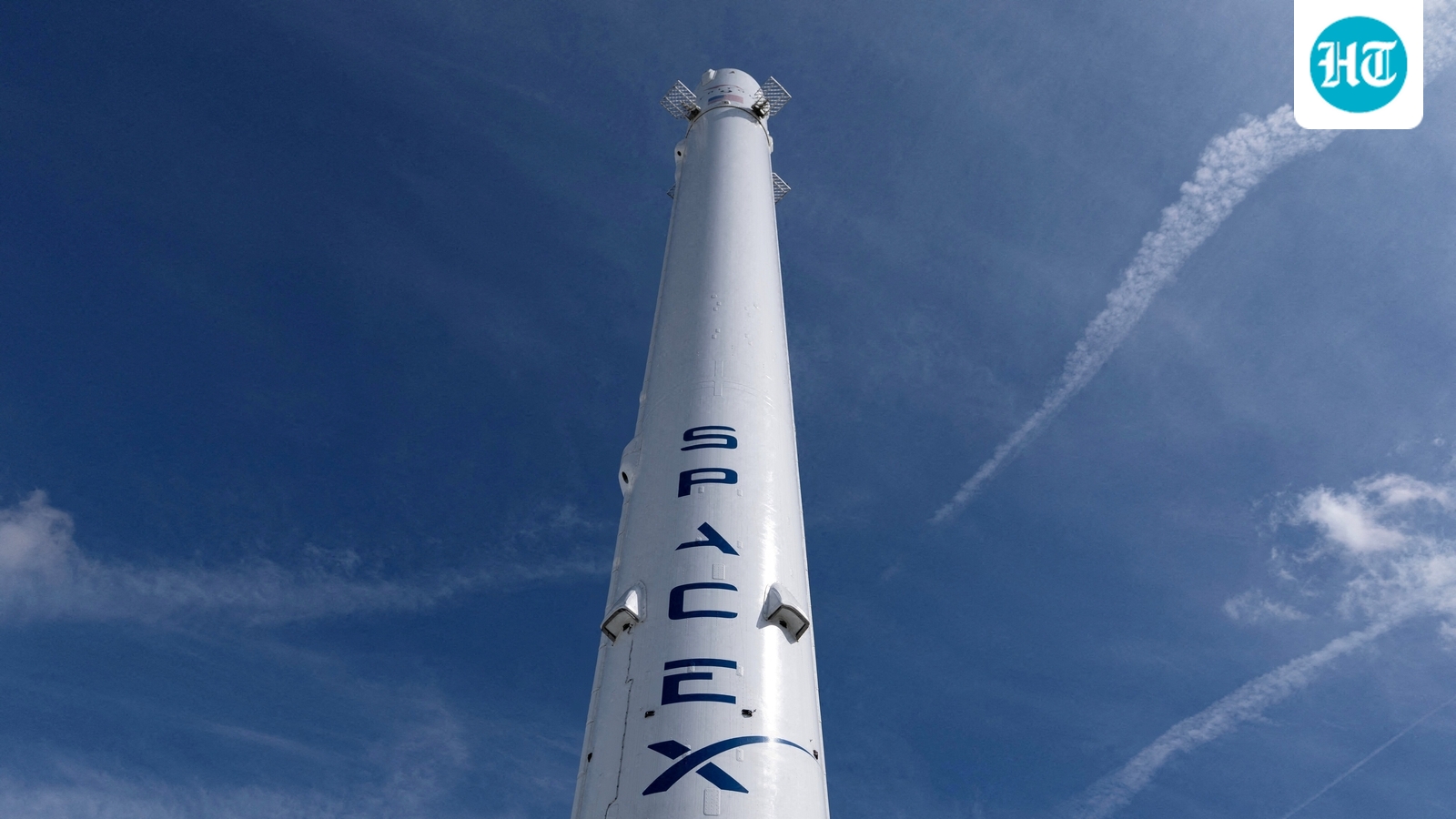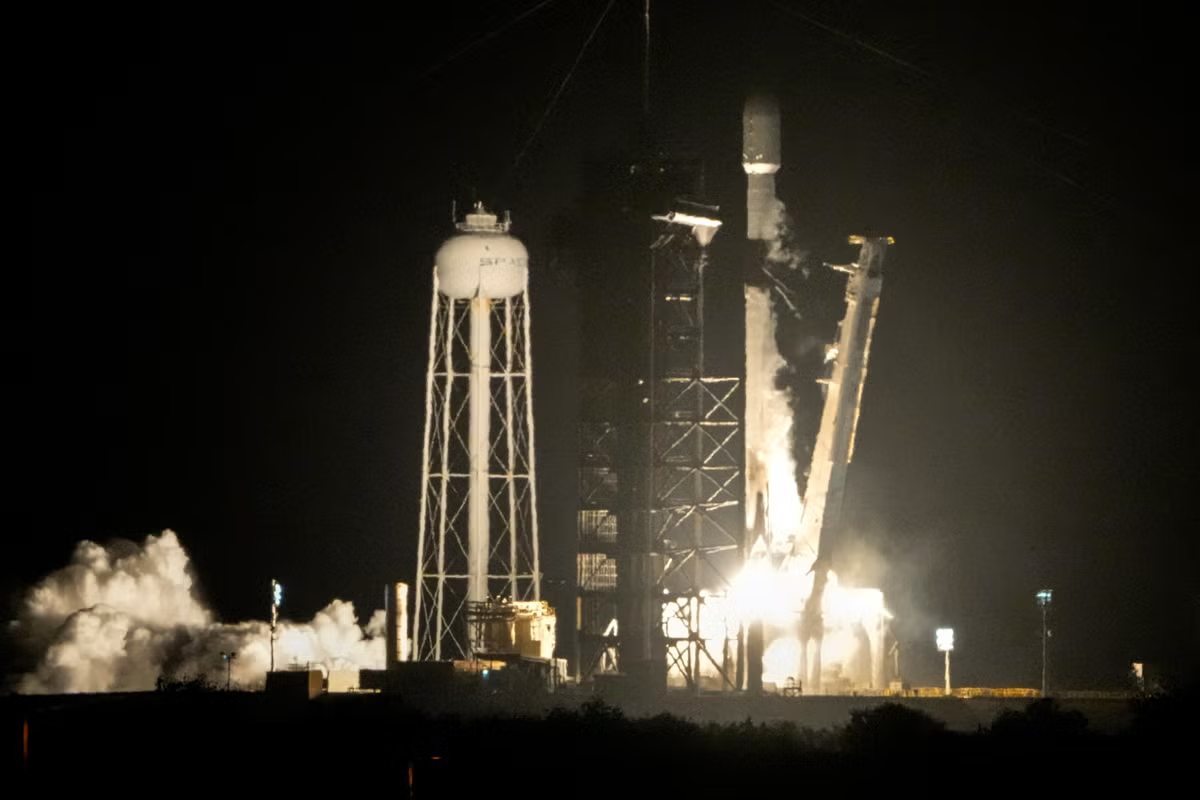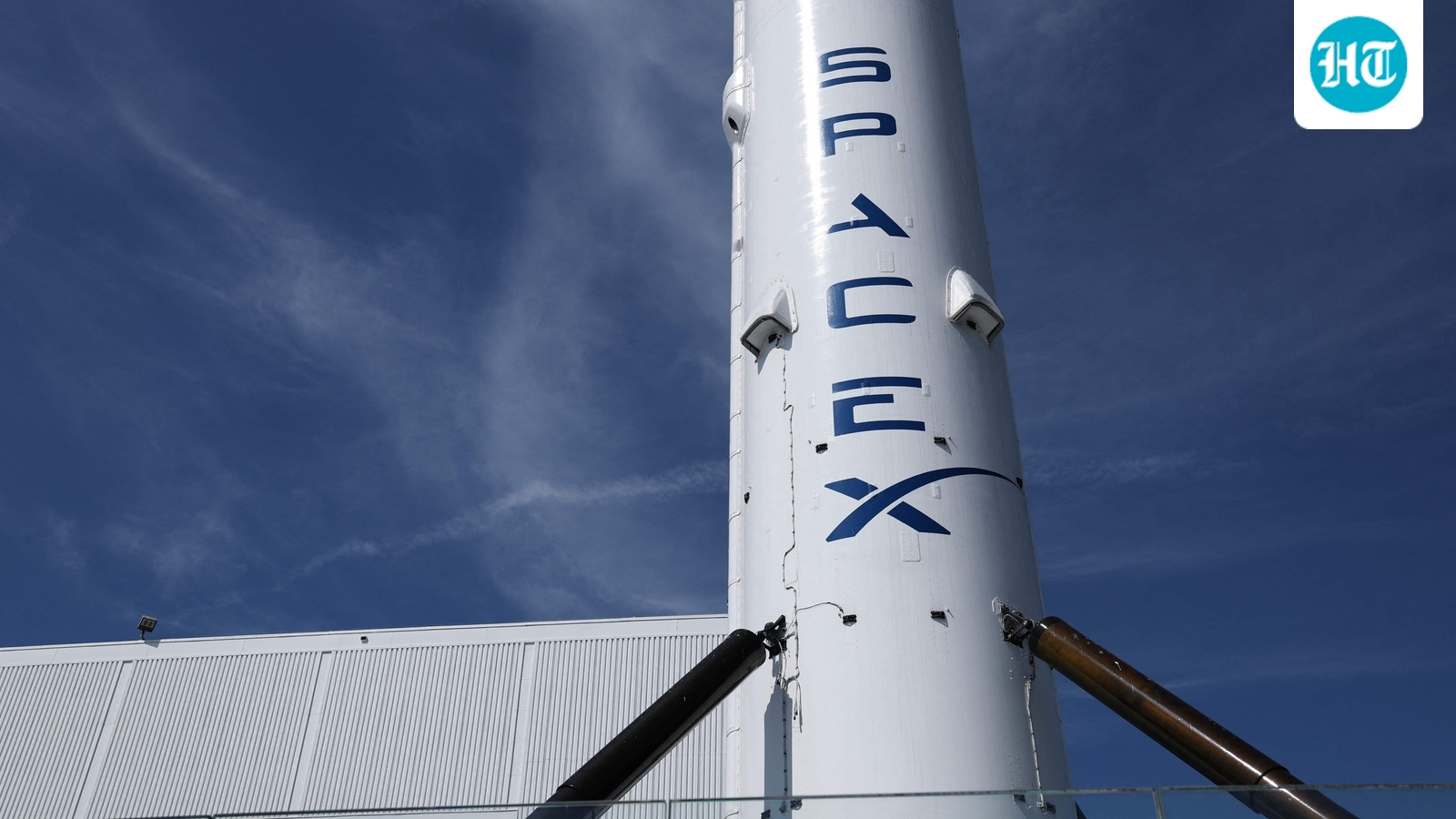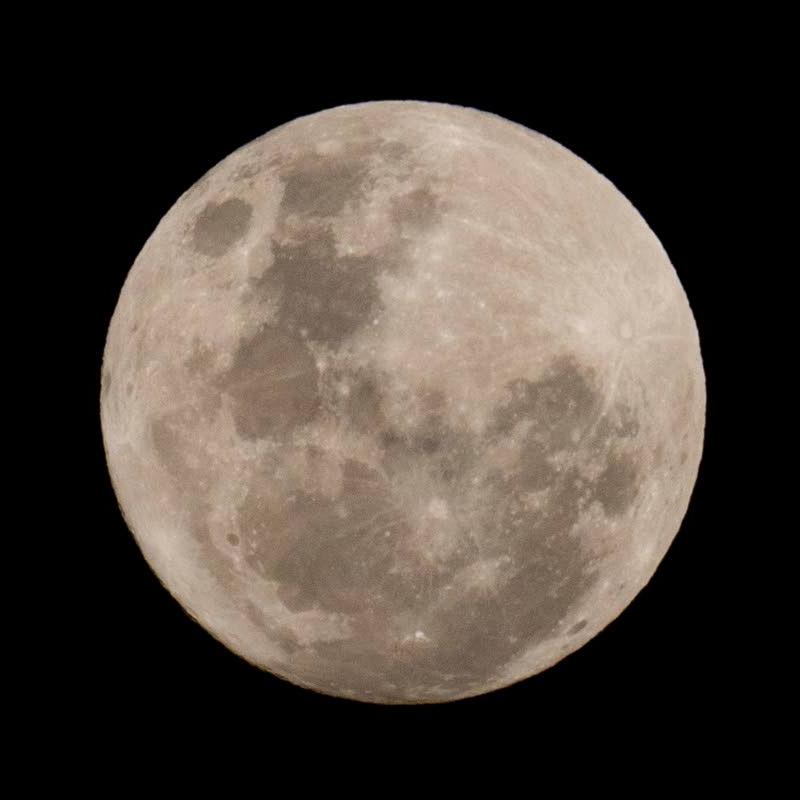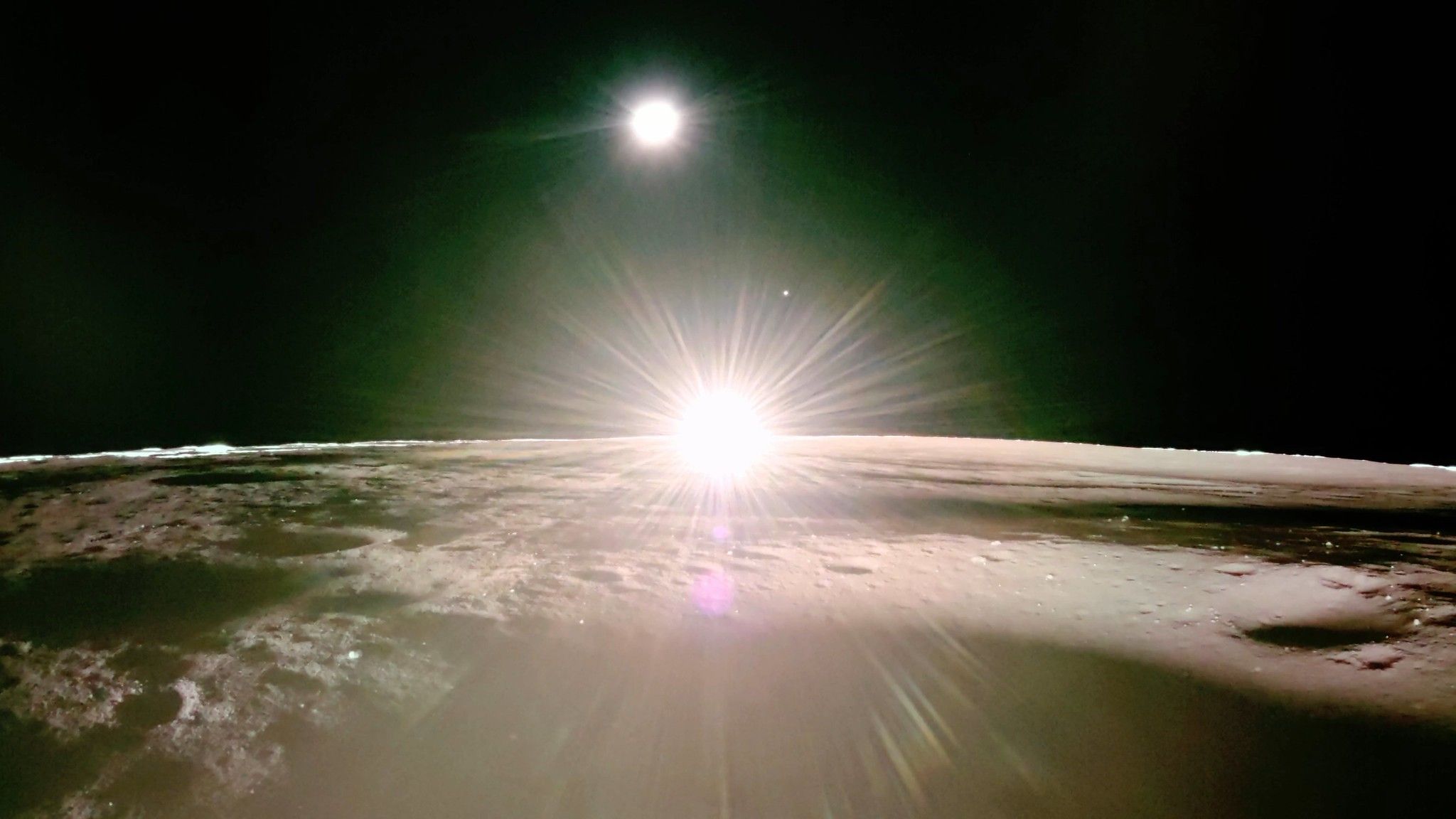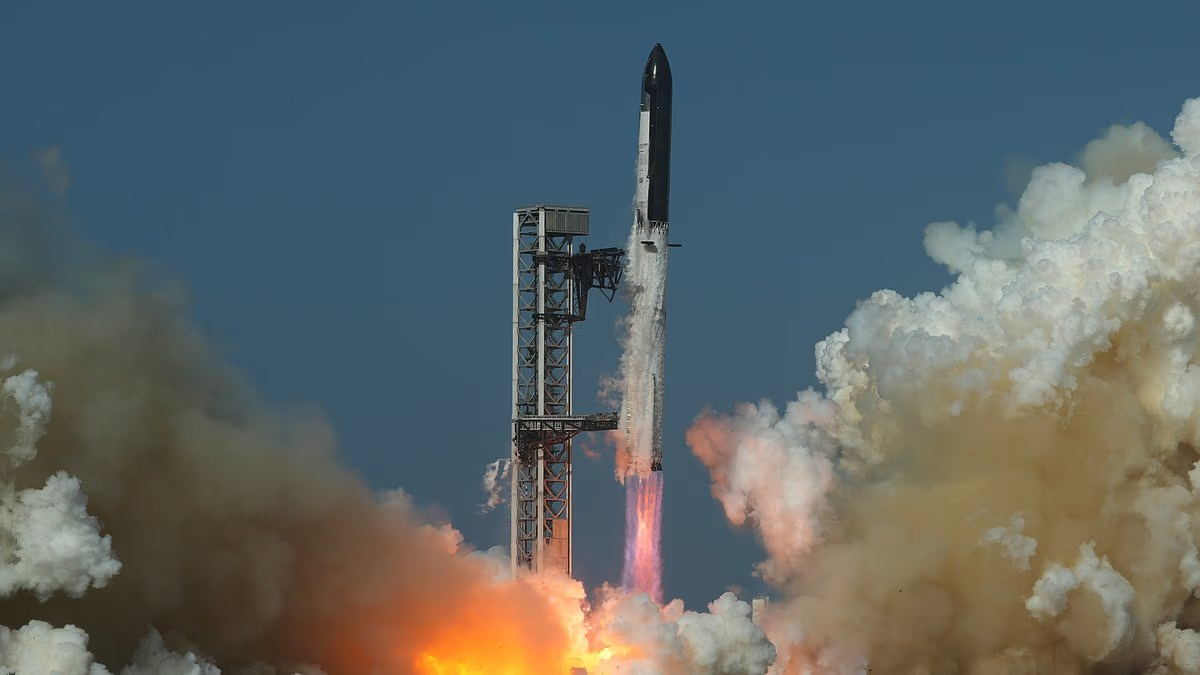
SpaceX said one of its Falcon 9 rockets launched last year will crash on the moon early Wednesday morning, leaving a crater about 90 feet in diameter in its wake.The 8,800-pound rocket booster has been orbiting the moon since January 2025. Traveling at approximately 5,400 miles per hour, the booster is expected to impact the moon at 2:35 a.m. Wednesday.At a press conference on Monday, SpaceX revealed details about the expected occurrence.
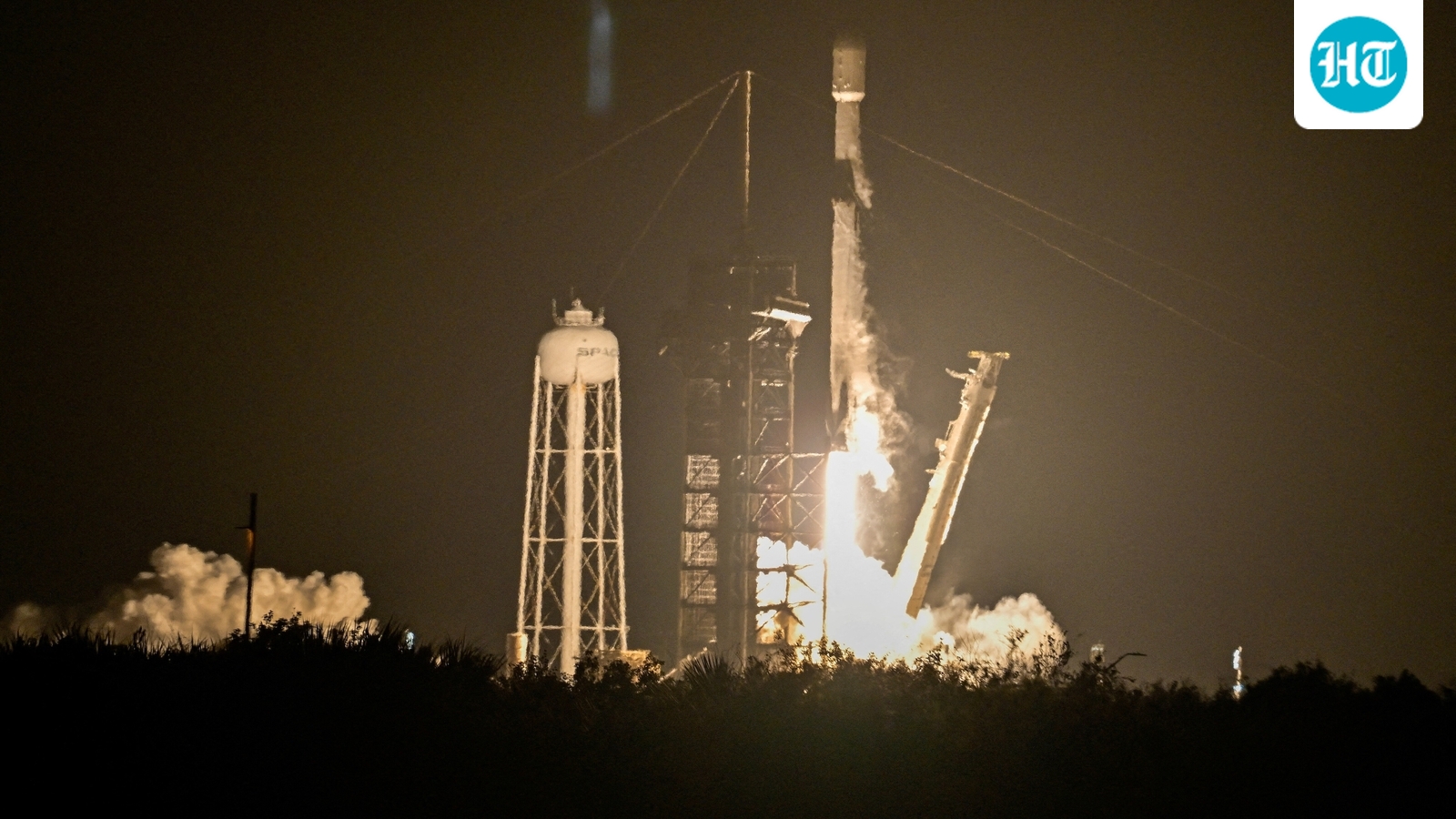
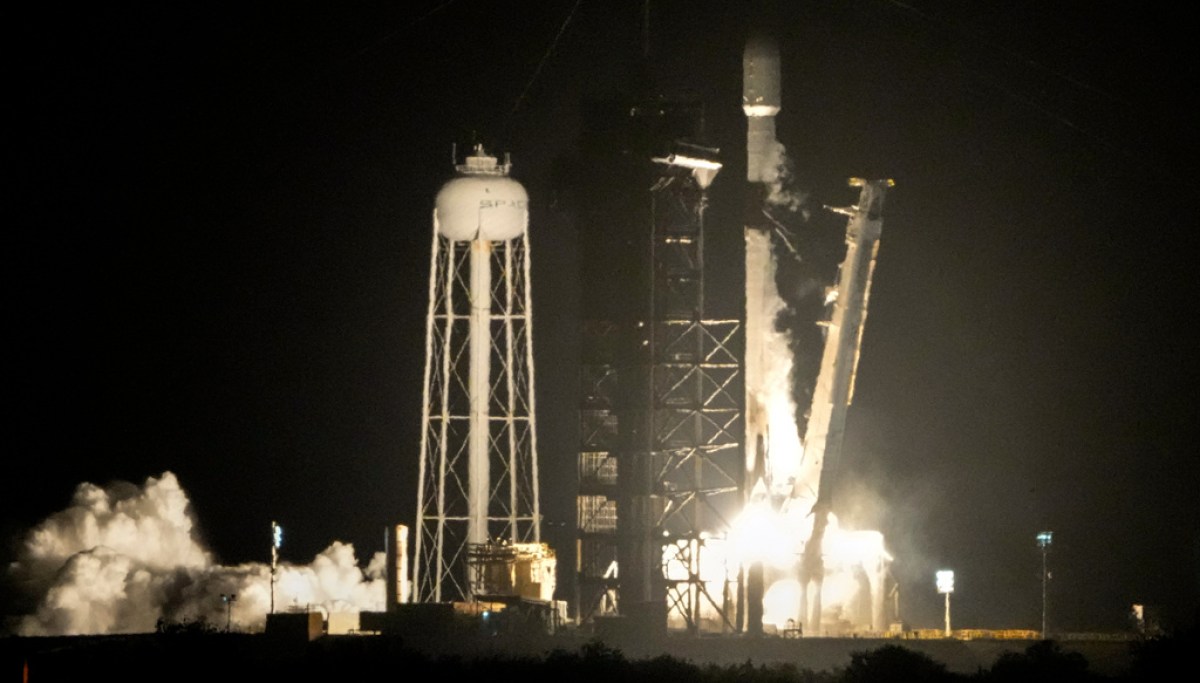
Julianna Scheiman, director of NASA Science and Dragon Programs at SpaceX, said the wayward Falcon 9 rocket is hurtling toward the moon due to a “mixture of solar activity and gravity forces.” She noted the aerospace company followed the “appropriate rules and regulations” for properly disposing of the rocket’s upper unit after its launch on Jan. 15, 2025.The rocket was designed to deploy two lunar landers. Firefly Aerospace’s Blue Ghost Mission 1 successfully landed on the moon, but Japan’s ispace Hakuto-R Mission 2 collided with the lunar surface.The anticipated rocket crash likely won’t be visible from Earth, but it will stir up some lunar debris and dust in the immediate aftermath.The Lunar Reconnaissance Orbiter will take photos of the moon before and after the crash, according to NASA. It will take up to two weeks before the photos can be seen, though.SpaceX is working with NASA to lower the risk of rocket collisions with the moon, especially as the space agency works toward putting human astronauts on the natural satellite in 2028.SPACEX TO LAUNCH SUPER HEAVY TEST ROCKET WITH SHARES DOWN 50% FROM HIGH“As a scientist, I also am very excited to see the observation,” Scheiman said. “But it’s one of the things that we’re working in partnership with NASA and the other appropriate agencies: What is the best future disposal path for high-energy missions that are in the sun-Earth-moon system?”The impending crash isn’t unprecedented. In 2009, NASA intentionally crashed the second stage of a rocket into a crater at the moon’s south pole to figure out if water ice existed there. The mission confirmed the presence of water ice on the lunar surface. Water ice, which could be converted into drinking water or breathable oxygen, would be useful for the purposes of building a lunar base. The United States is competing with China to establish a base on the moon in the coming years.