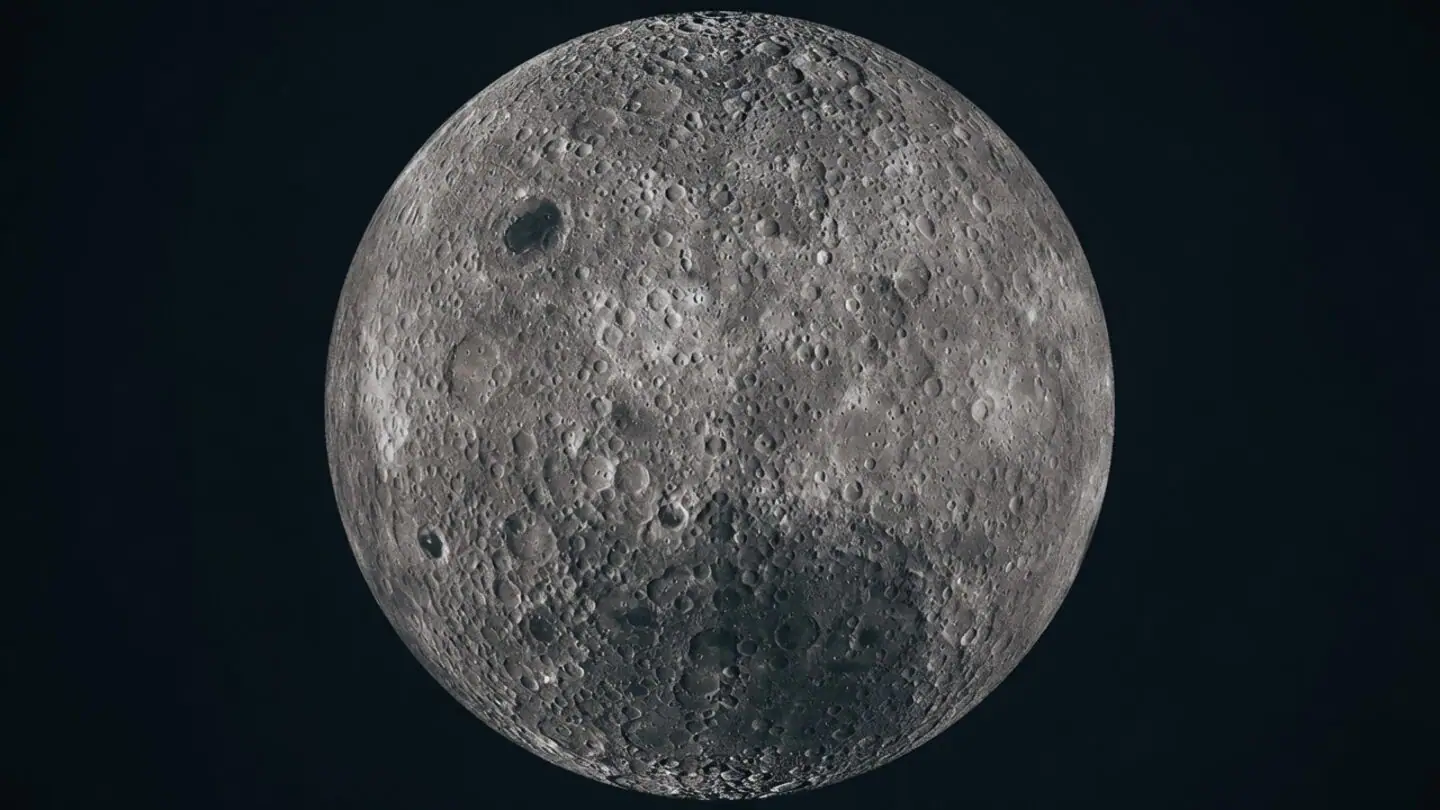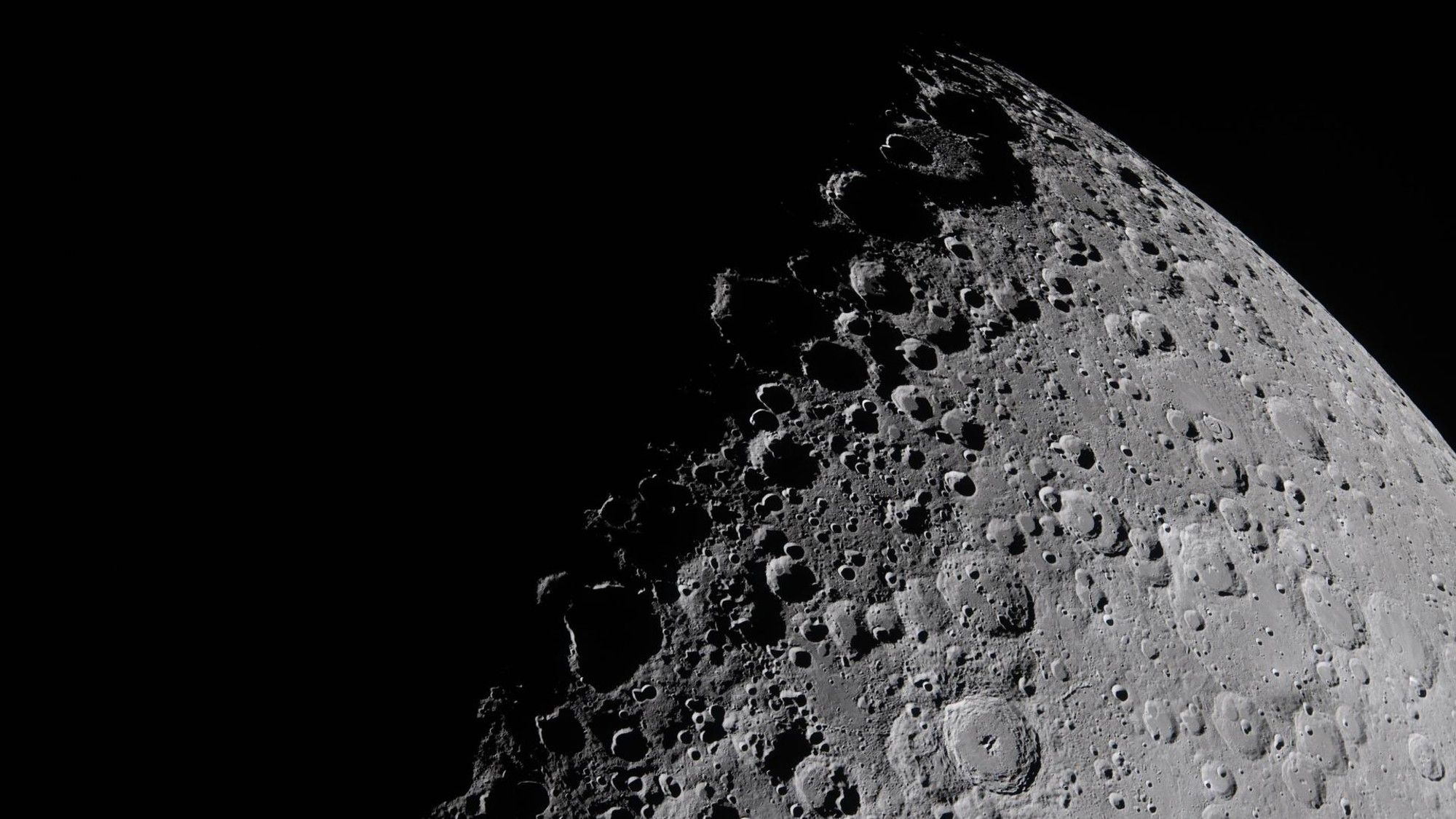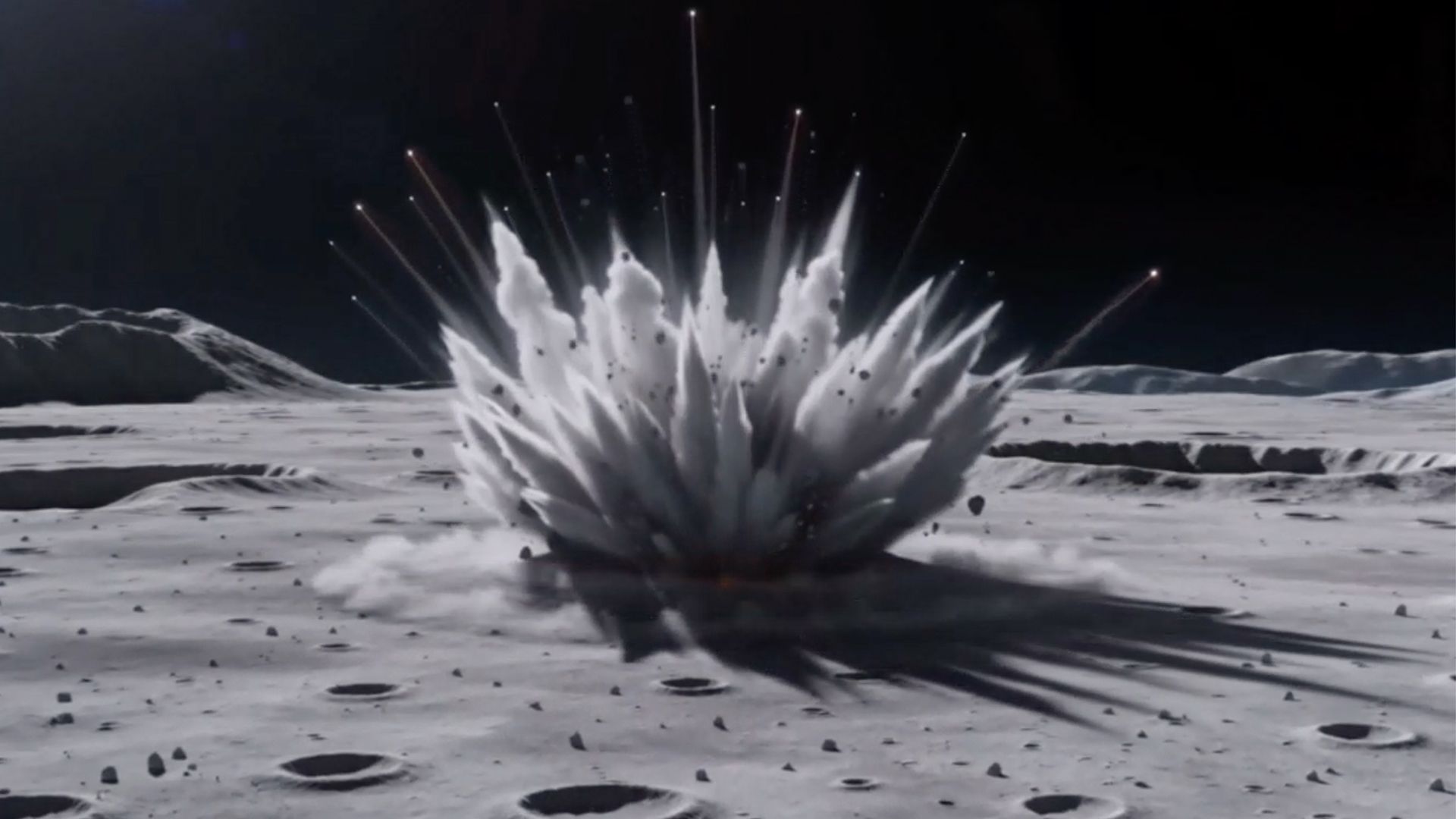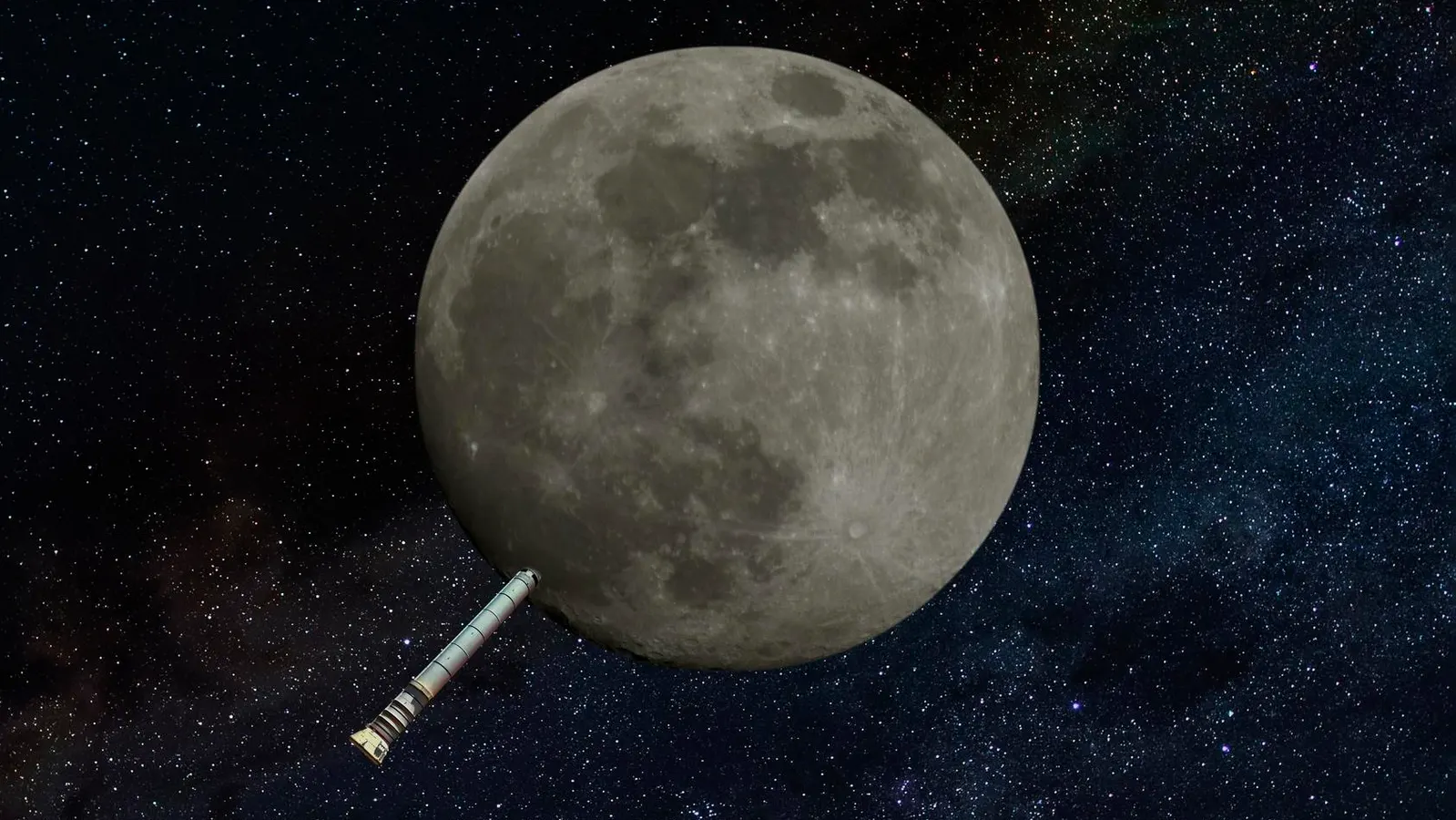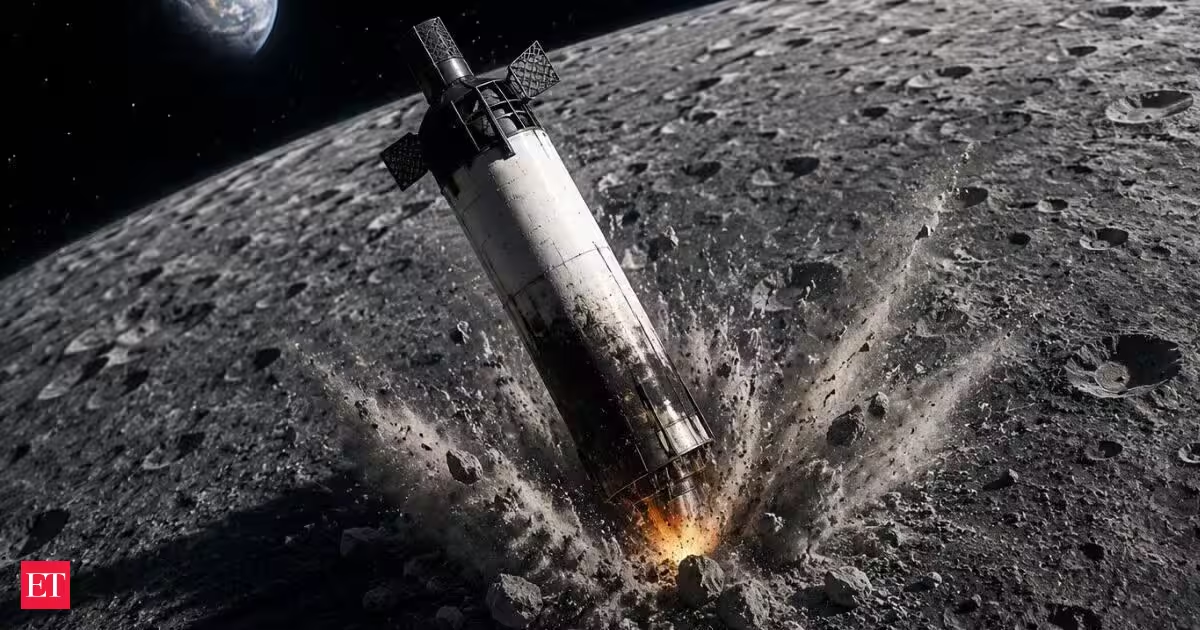
On August 5, 2026, an extraordinary man-made event will occur on the Moon, expected around 08:34 AM German time (06:34 UTC): The retired upper stage of a SpaceX Falcon 9 rocket will impact the Earth's natural satellite at about 8700 kilometers per hour. The wreckage, weighing approximately 3.9 tons, has been traveling uncontrollably through space for over a year.
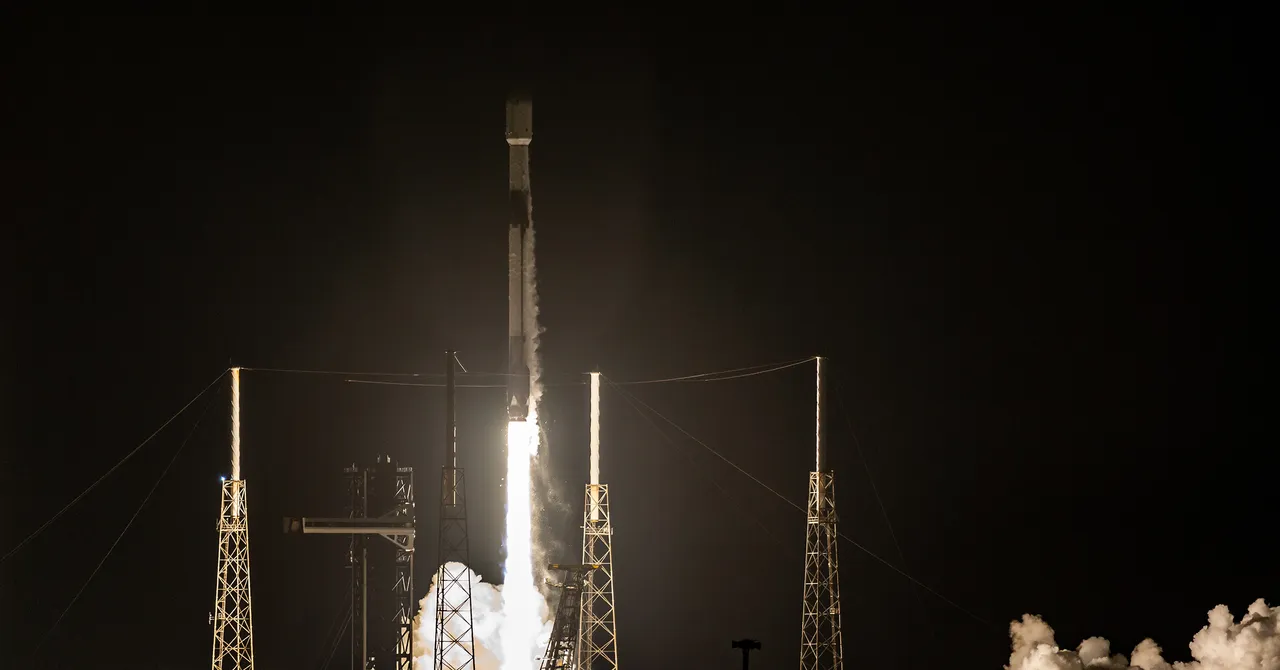
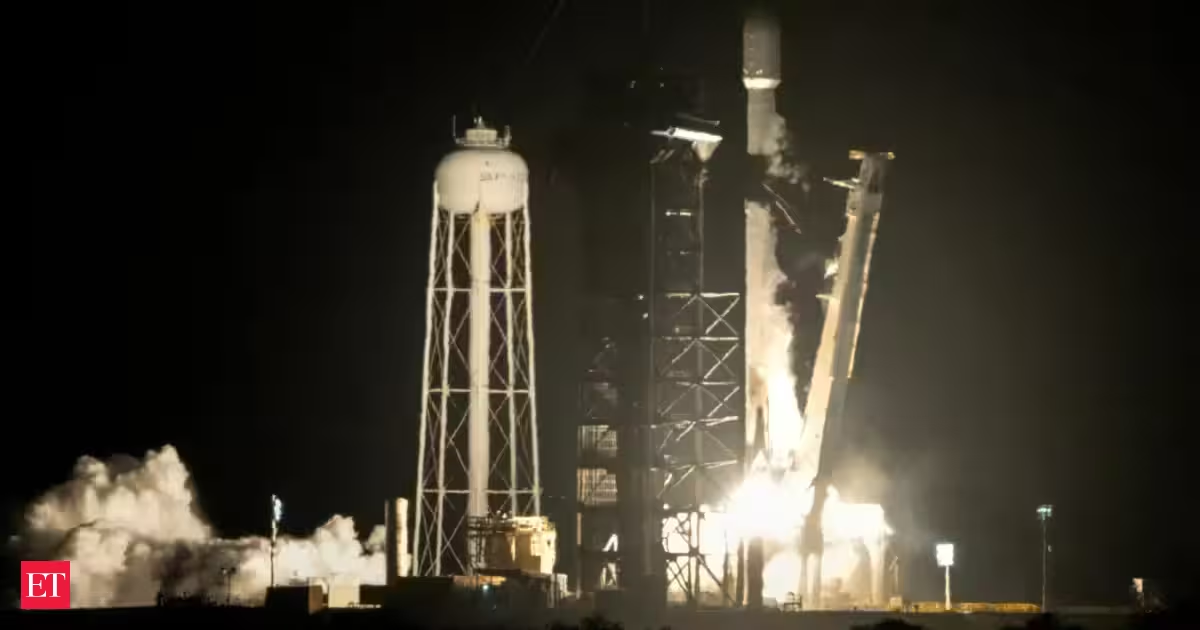
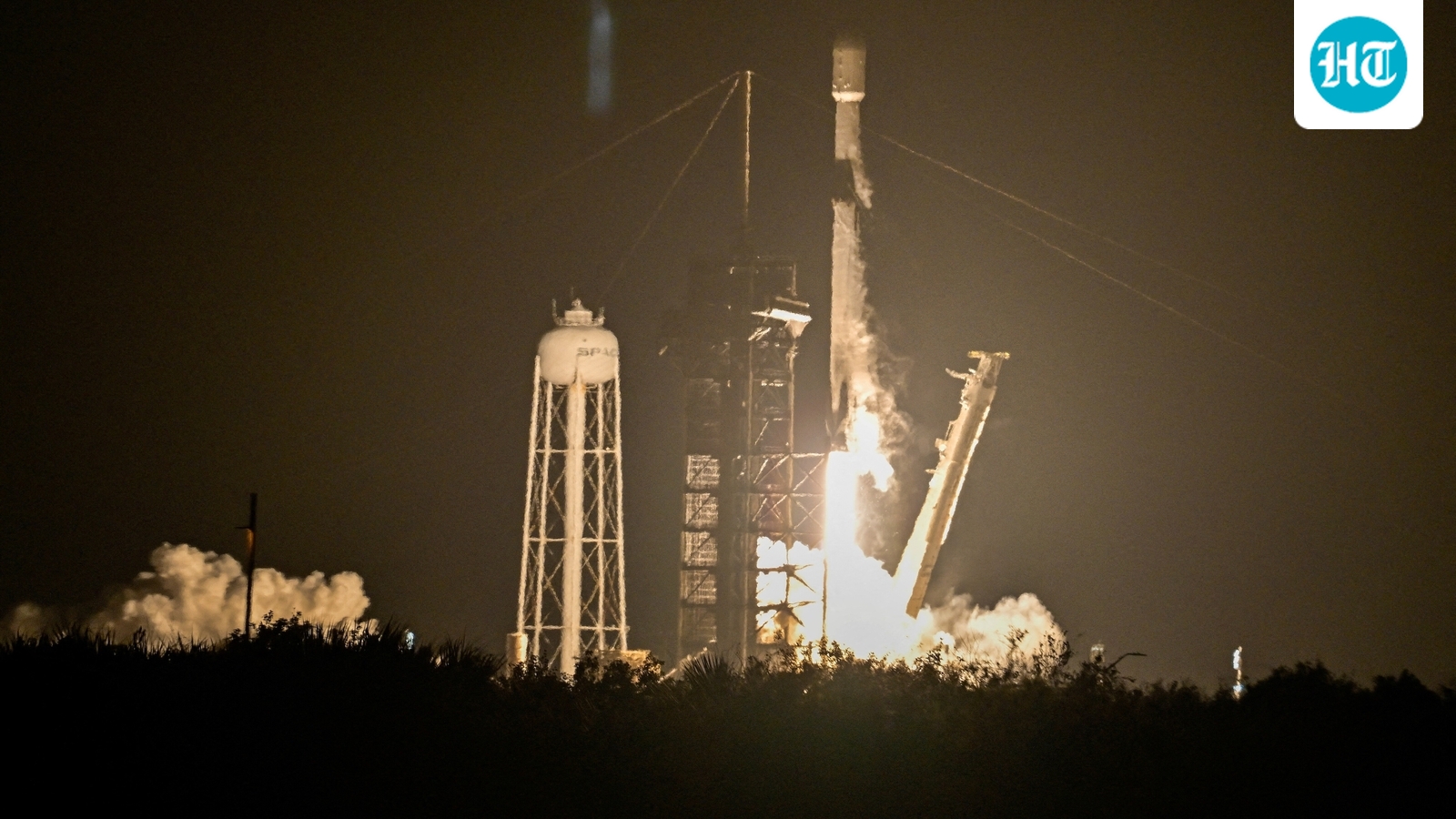
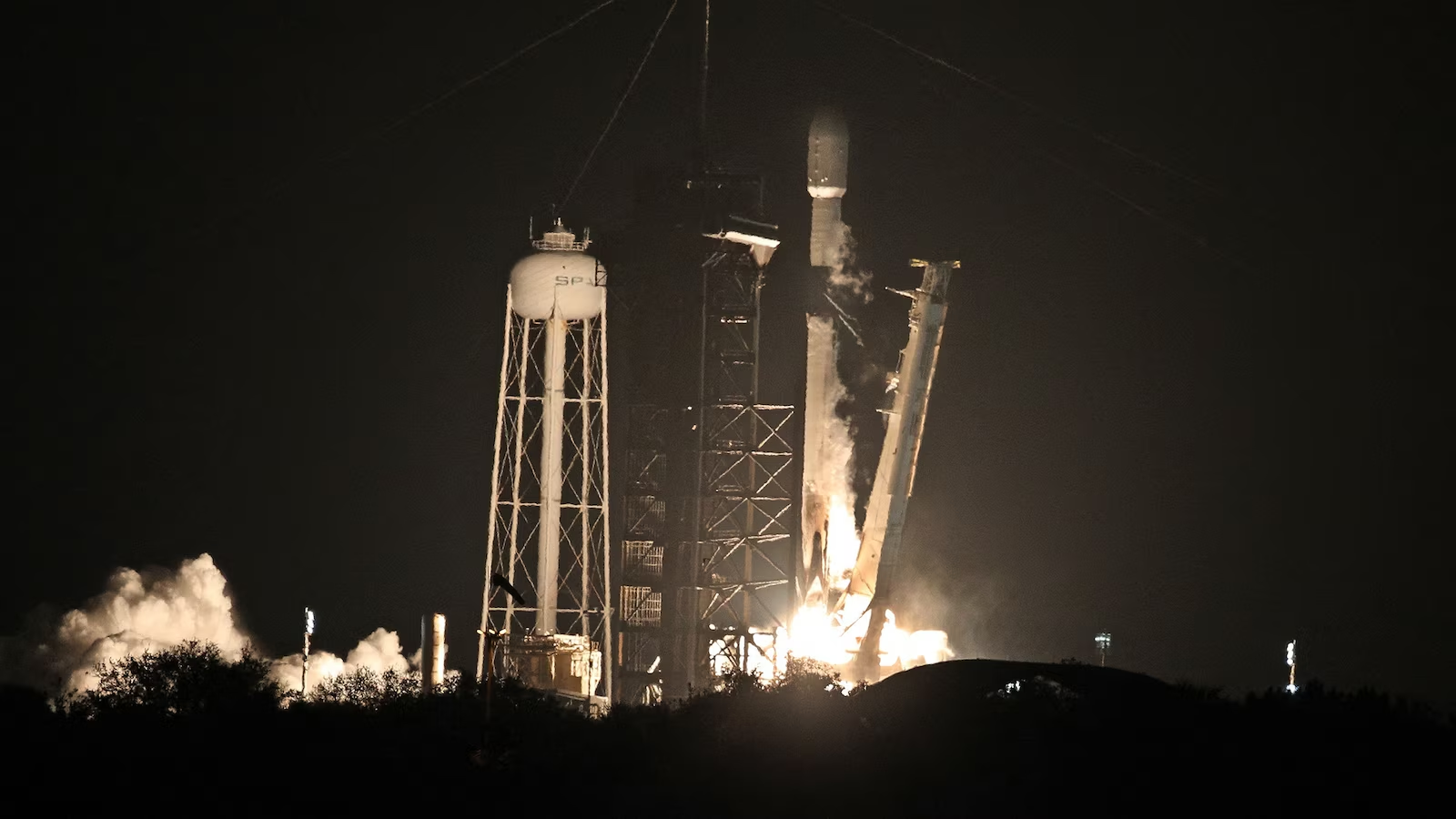
The rocket was launched on January 15, 2025, from Kennedy Space Center in Florida to bring the two commercial lunar landers Blue Ghost-1 from Firefly Aerospace and Hakuto-R Mission 2 from the Japanese company Ispace to the Moon. The rocket deployed the probes in orbit, but only Blue Ghost-1 reached the Moon. While the first stage of the rocket (“First Stage”) returned to Earth as planned, the second stage (“Second Stage”) has been orbiting ever since. Normally, after releasing its payload, the second stage changes its trajectory and burns up controllably in the atmosphere. However, this has failed more than once. Now, the aforementioned second stage is on a collision course with the Moon.
While impacts on the Moon are frequent, the now-expected collision offers a rare opportunity for research. Unlike a compact meteorite, the rocket stage is a thin-walled hollow body with a massive engine. An international research team led by William Jo from the University of Texas at Austin simulated the impact using the Isale program. According to the simulation, the engine will impact first, creating an initial crater, before the collapsing side walls transfer most of the energy into the lunar soil. This makes the impact mechanism significantly different from natural collisions.