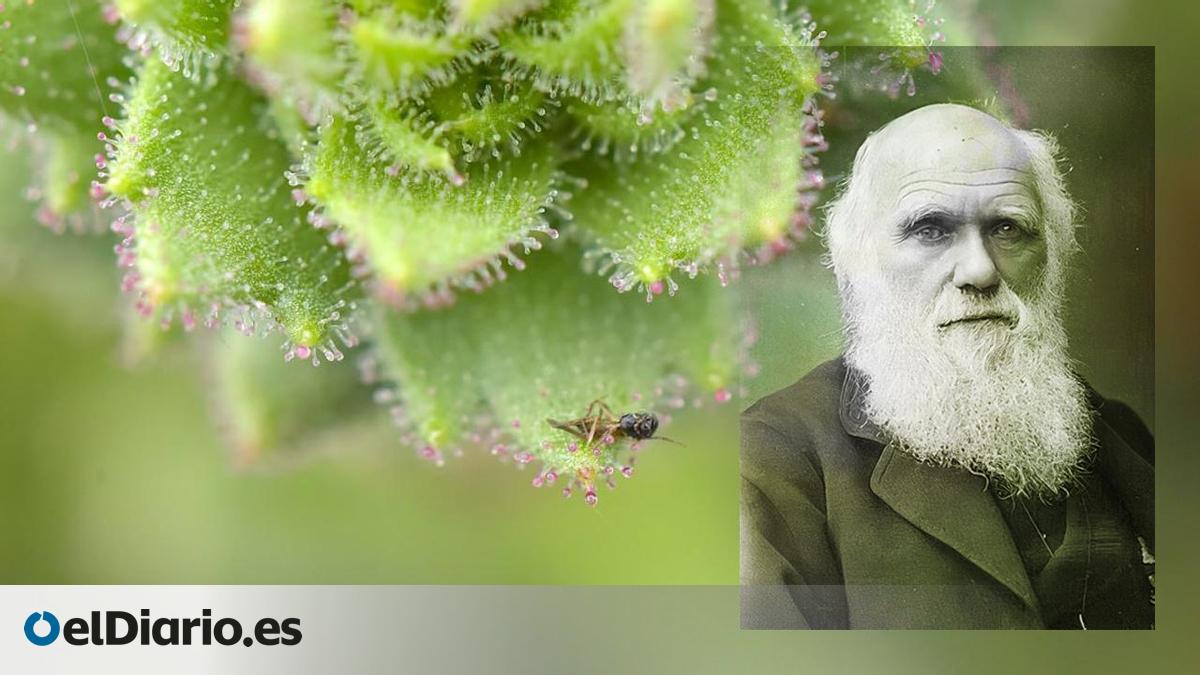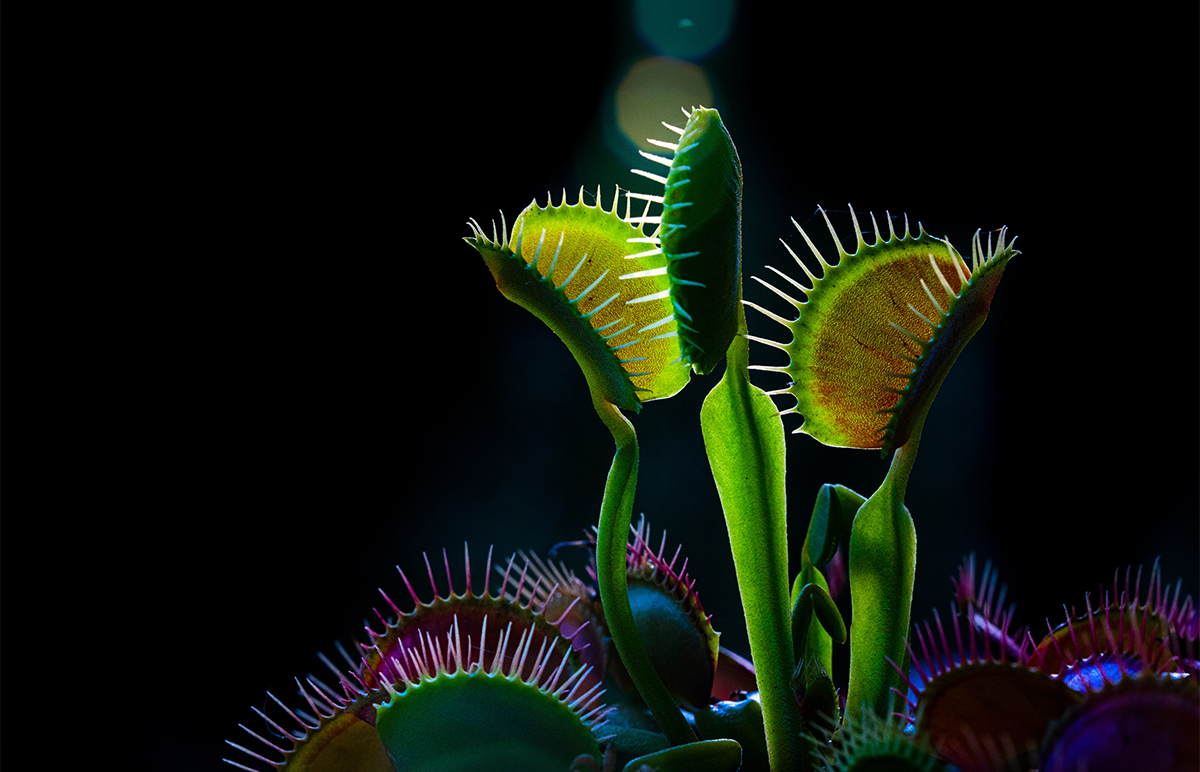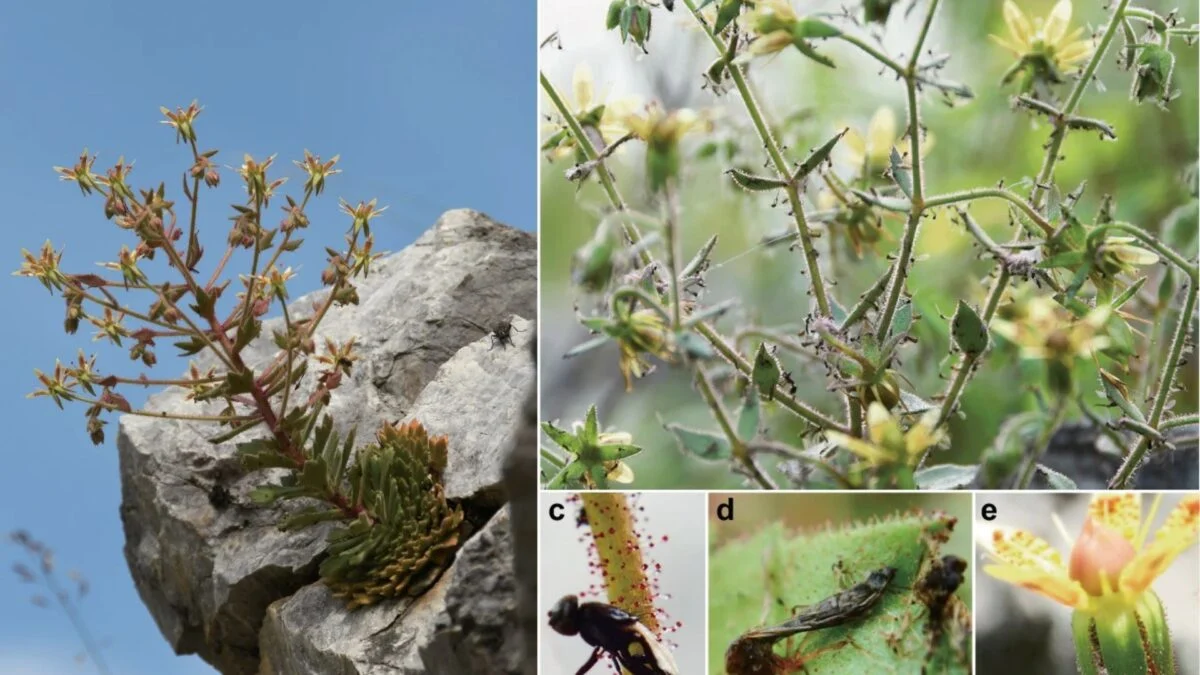
It’s been nearly 150 years since Charles Darwin’s death. Yet, as research out today shows, scientists are still proving some of his educated hunches right. Researchers at the Florida Museum of Natural History and others seem to have discovered a new carnivorous plant—the same type of plant that Darwin once argued was carnivorous. The team’s discovery should provide more insight into the evolution of these insect-eating oddities, the researchers say. “This finding adds a new lineage to the pantheon of carnivorous plants,” the researchers wrote in their paper, published Tuesday in the journal Nature Communications. Darwin’s hunch proved right In 1875, Darwin published a book all about his experiments with carnivorous plants, titled Insectivorous Plants. In it, he made the case that at least two plant species in the genus Saxifraga were ravenous predators of insects. However, his feeding experiments at the time failed to conclusively demonstrate these plants were bona-fide carnivores, leaving the matter unresolved.
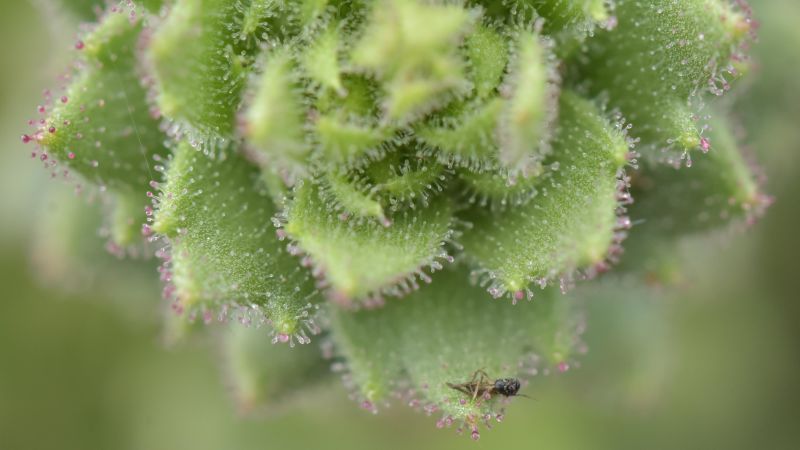
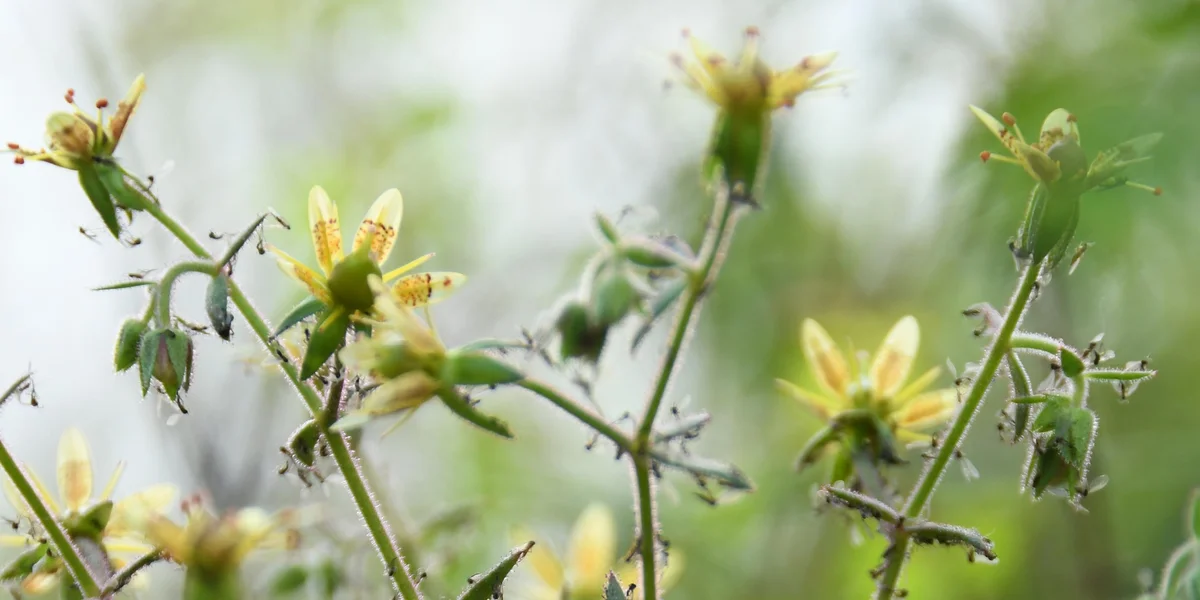
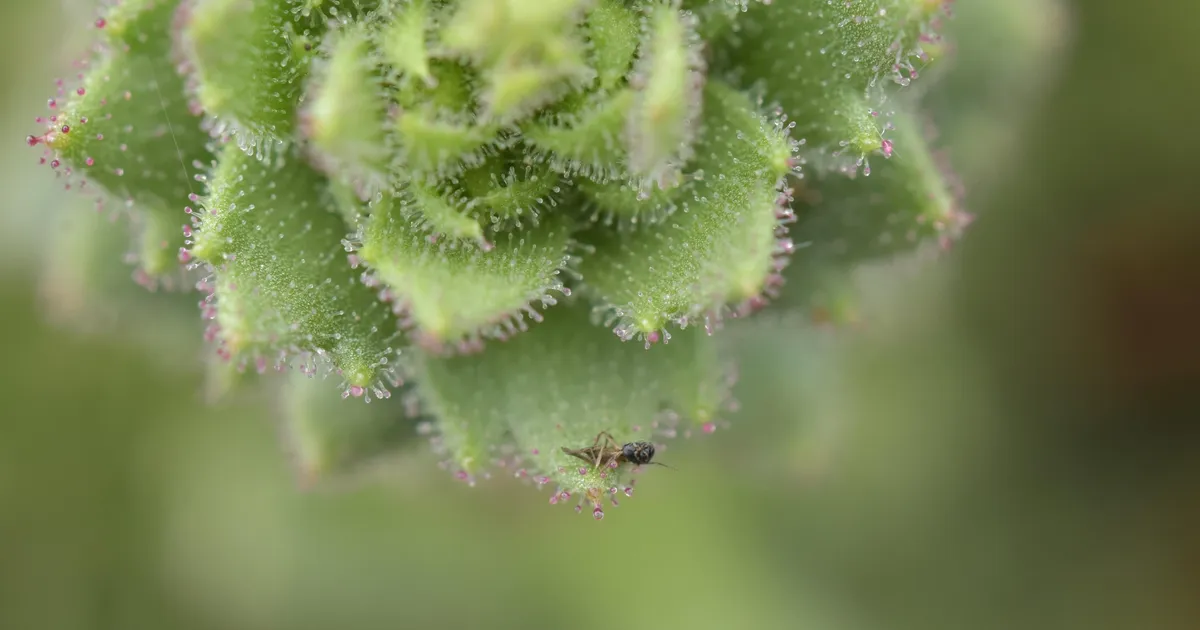
This latest study looked at a different species of Saxifraga (Saxifraga candelabrum), albeit one that shares an important bodily feature with the plants Darwin studied: specialized, glandular hair-like growths on the surface of the plant ostensibly used to trap hapless insects that wander too close. S. candelabrum is a herb native to the Hengduan Mountains in southwest China that cuts across the Tibetan Plateau and the Yunnan–Guizhou Plateau. Like many known carnivorous plants, it resides in soil environments that are lacking in nutrients, perhaps explaining why it evolved a hunger for insects to supplement its diet.