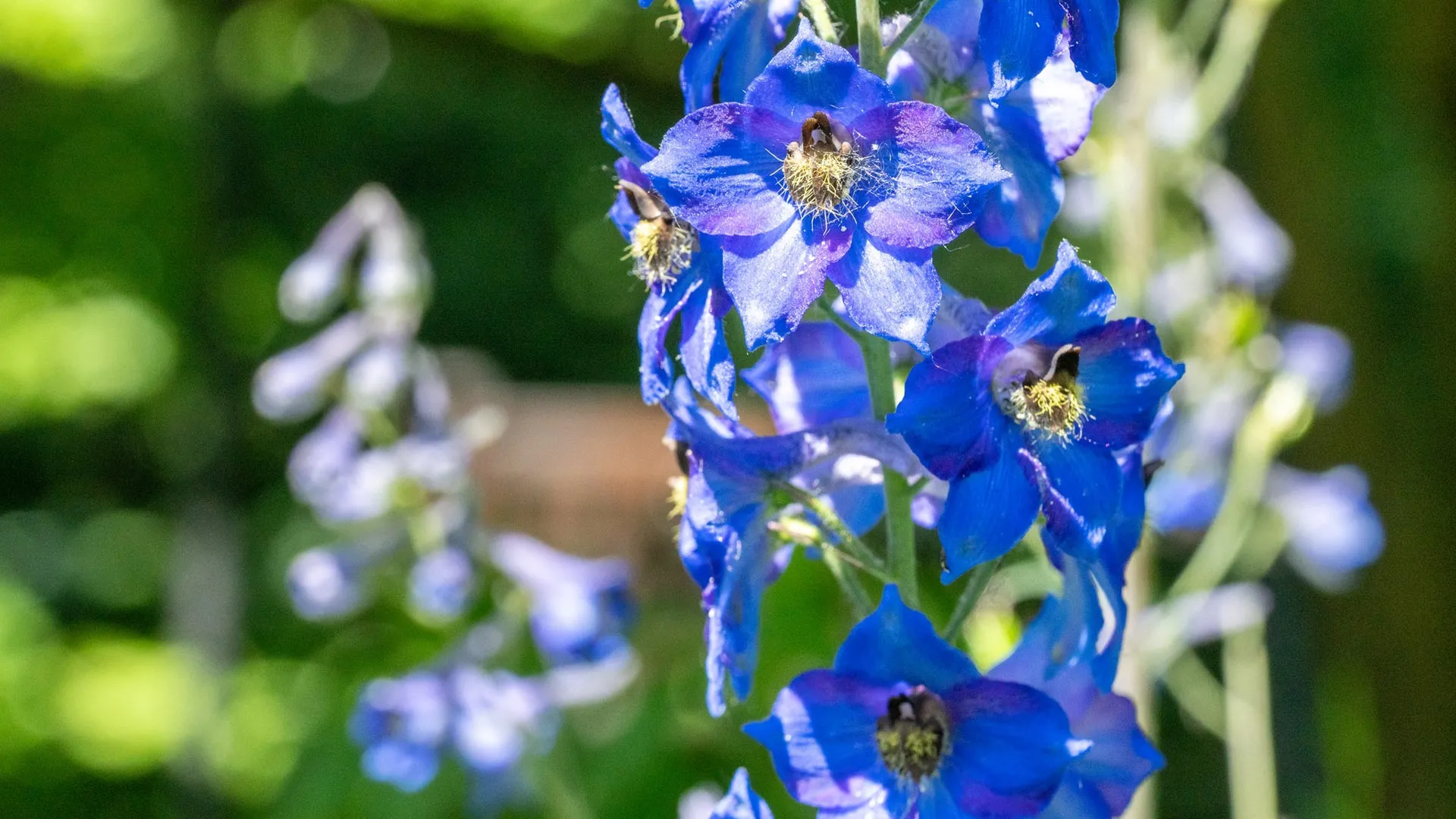
Two plants capable of causing nerve damage and paralysis at extremely low doses may also contain compounds with valuable uses against pain, malaria, cancer, and agricultural pests. Researchers have now identified a way to reproduce part of this potent chemistry in a laboratory setting, creating a possible path toward more sustainable treatments based on natural products.
The work focused on wolfsbane and larkspur and brought together scientists from Michigan State University and the Czech Academy of Sciences. The findings were published in the journal Molecular Plant.
"These plants have been used in different forms of medicine throughout the world for thousands of years," said MSU alum Garret Miller, co-first author of the paper and now an assistant professor of biotechnology at the University of Michigan-Flint.
"We know they interact with our bodies in so many ways, and understanding how to create them can help provide totally new routes of testing."
The Powerful Chemistry of Poisonous Plants