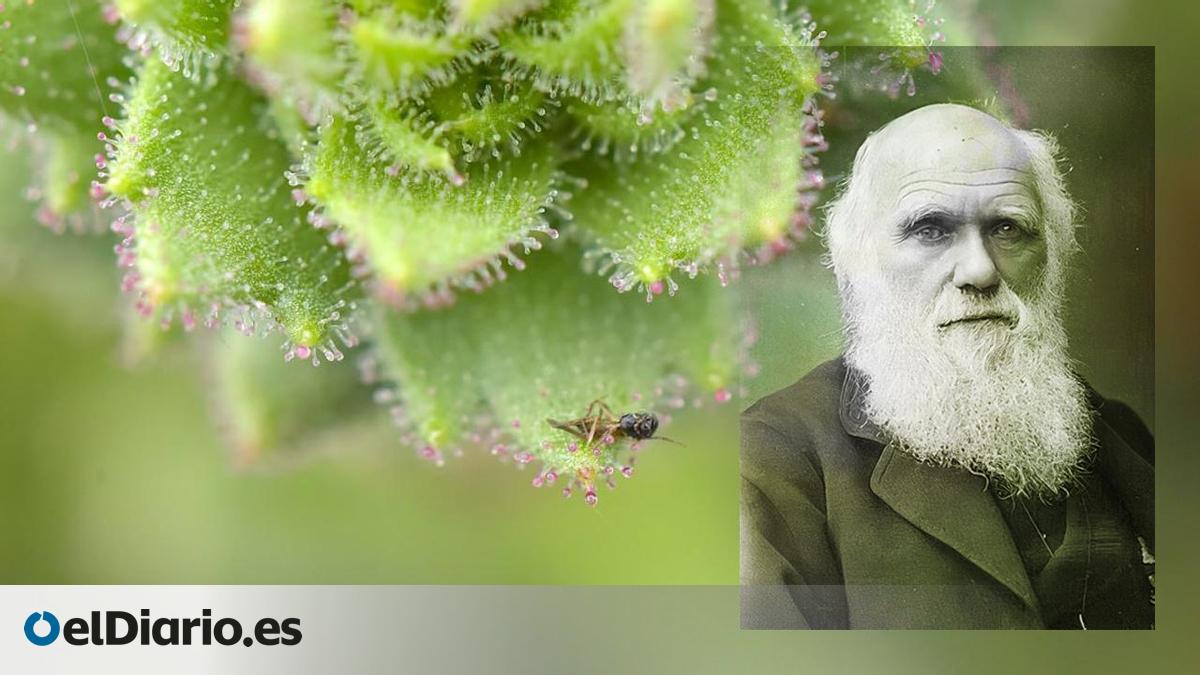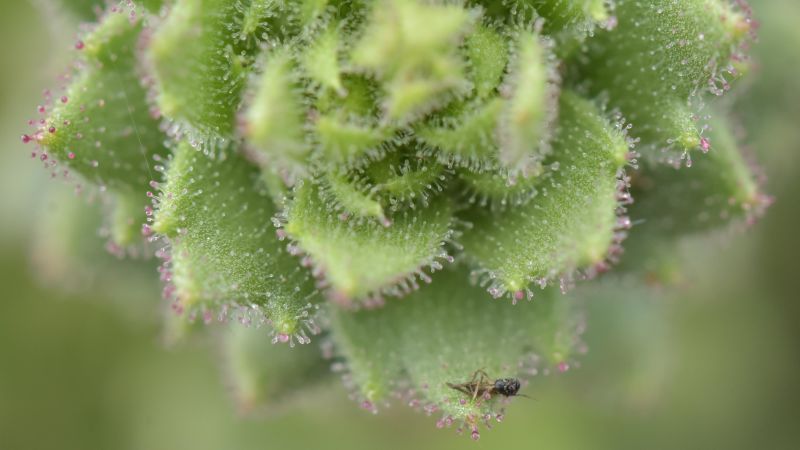
Sticky “hairs” on two plant species in the Saxifraga genus led famed British naturalist Charles Darwin to wonder: Could some plants in this genus be carnivorous? He couldn’t prove it then, but more than 150 years later, scientists have shown that Darwin’s suspicions were correct.
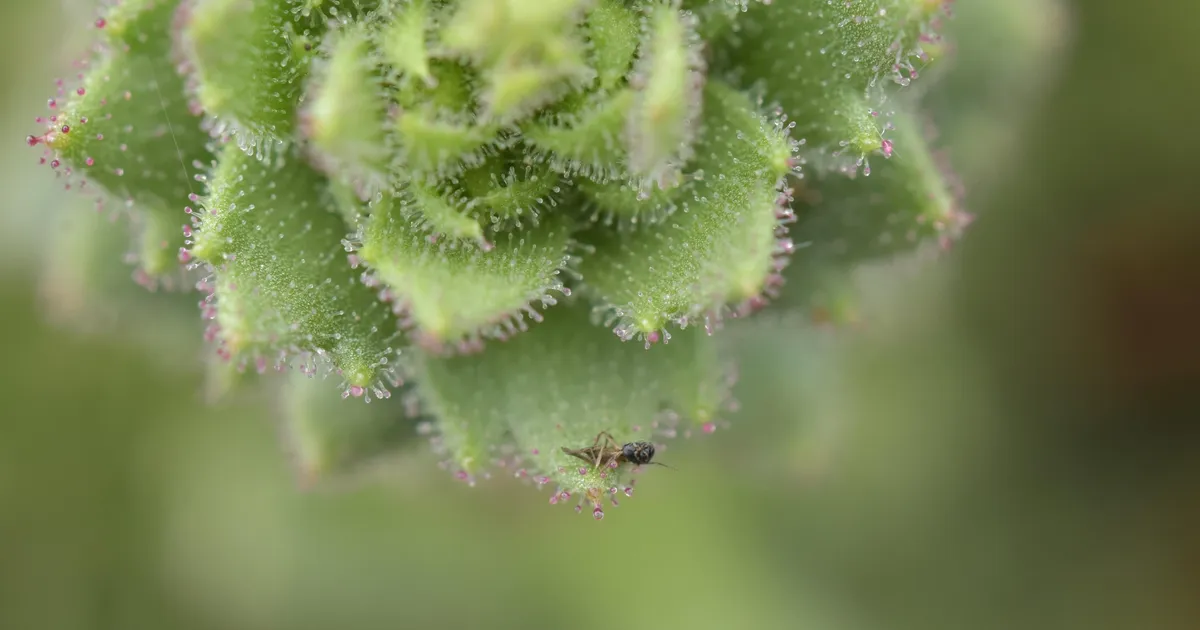
Darwin proposed in 1875 that Saxifraga rotundifolia and S. umbrosa were insect-eaters; their hairlike structures called glandular trichomes ooze a sticky goo and resemble hairs found in some carnivorous plants. However, to be carnivorous, a plant must lure, trap and consume insects, and Darwin’s experiments with Saxifraga plants couldn’t conclusively demonstrate that the plants fit the bill.
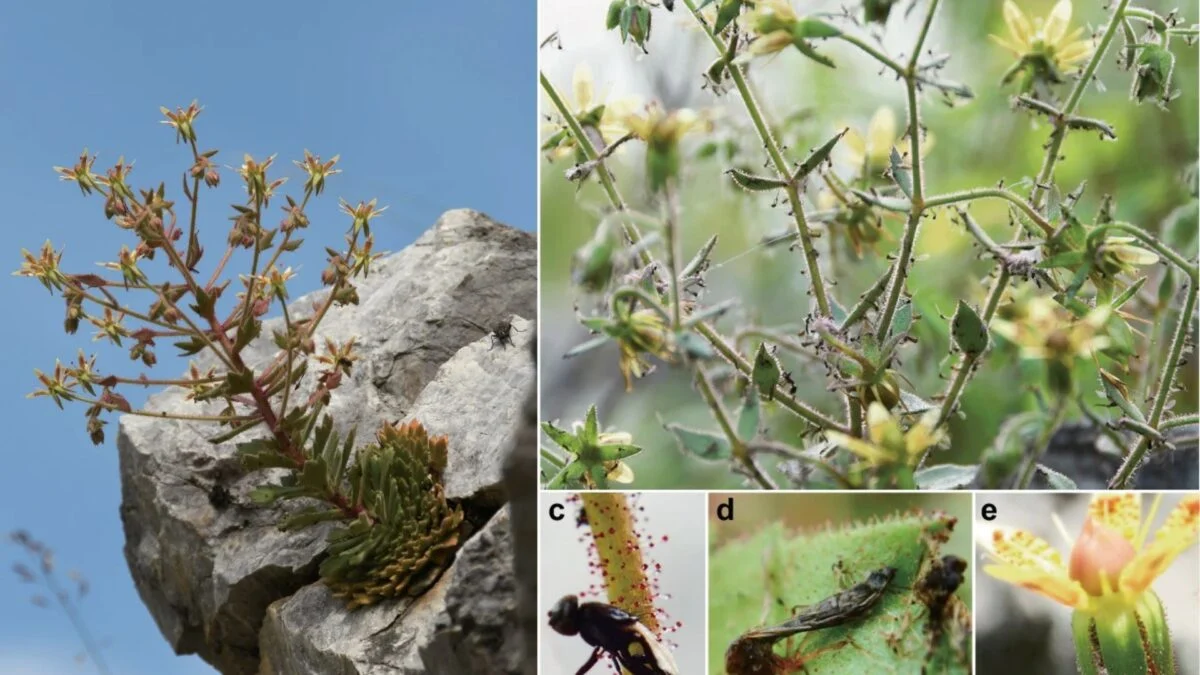
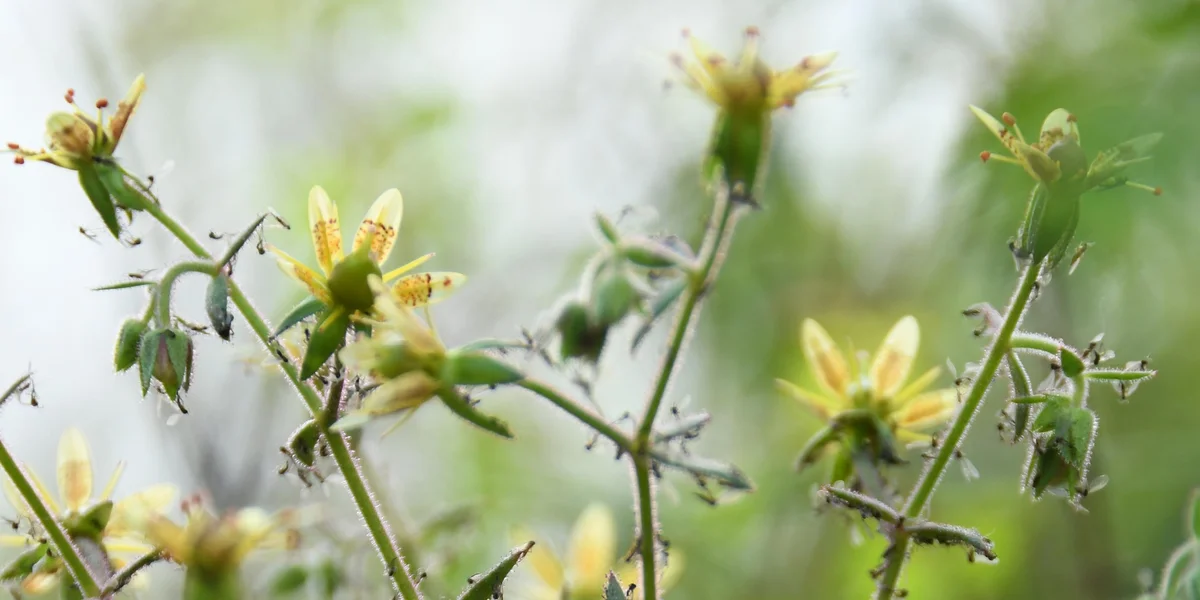
In a study published Tuesday in the journal Nature Communications, researchers tested Darwin’s hypothesis by experimenting with Saxifraga candelabrum, a flowering mountain plant that grows at high altitudes on the southern part of the Qinghai-Tibet Plateau and in the Hengduan Mountains in China’s Yunnan and Sichuan provinces.
Through chemical analysis, scientists showed how the plants attracted tiny gnats with tempting odors and then digested trapped prey using an enzyme called phosphatase. Isotope labeling — a technique for tagging forms of an element with different atomic weights — highlighted the transfer of the nutrient nitrogen-15 from insect prey to the plants that dissolved them, indicating a direct path from trapping to digestion.