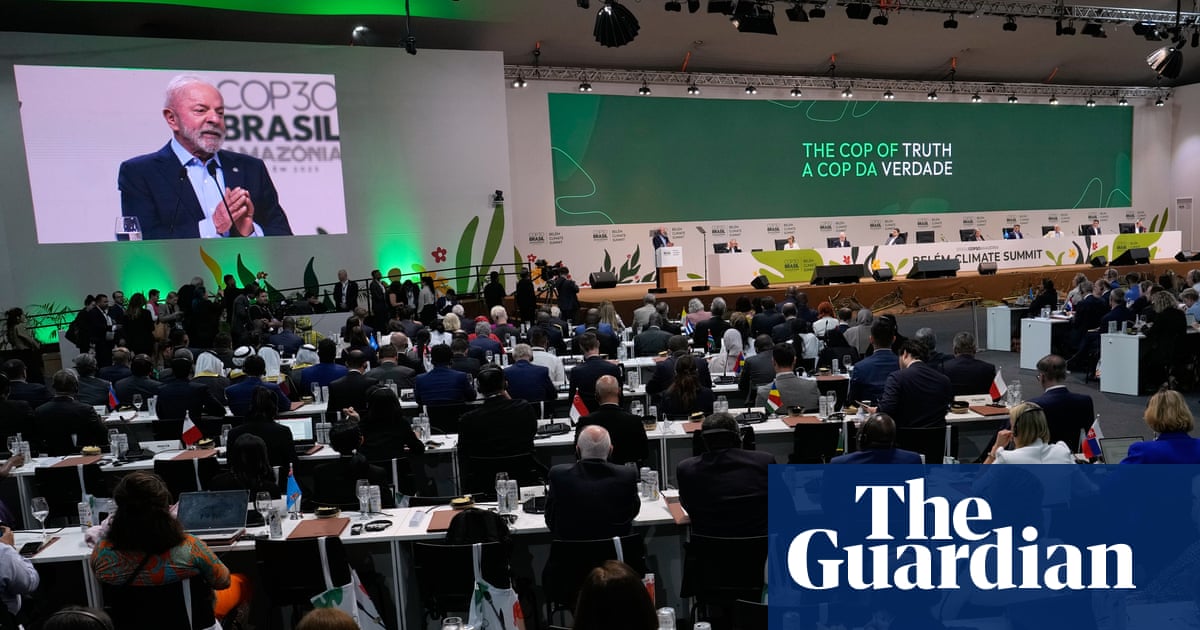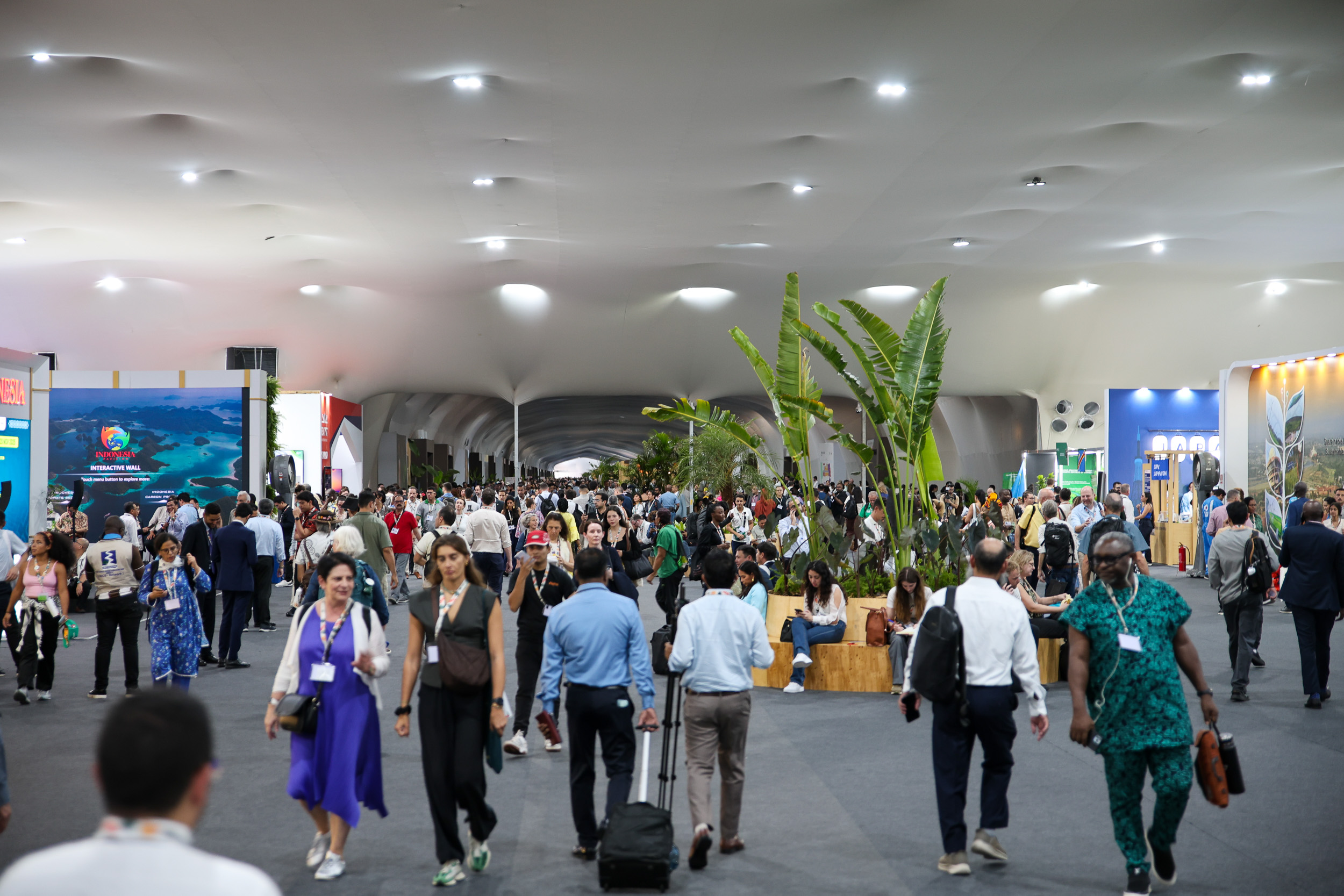
Benito Müller, Anju Sharma, Jen Allan, Matthias Roesti and Luis Gomez-Echeverri.Every November, tens of thousands of people descend on the world's annual UN climate conference. Presidents and prime ministers, negotiators, business executives, campaigners, journalists, celebrities and lobbyists converge on one city for two frenetic weeks, all convinced they need to be there.Everyone with a stake in climate action feels they must be present. Any suggestion of a smaller, more focused conference is quickly met with concerns about exclusion. But it is time to ask an uncomfortable question: has the fear of missing out (FOMO) become one of the biggest obstacles to effective international climate cooperation?The story in numbersWhen governments first met under the UN Framework Convention on Climate Change (UNFCCC) in the 1990s, the annual Conferences of the Parties (COPs) attracted only a few thousand participants. Even the Kyoto conference, which produced the first legally binding emissions agreement, hosted fewer than 10,000 people.Since then, analysis by ecbi reveals a striking trend: after each major treaty COP, the participation at the next COP approximately doubled (see chart below).
Is FOMO undermining climate diplomacy?
The negotiating community has not become 20 times larger, but the COP has - and the rising number of participants, from politicians to business executives, is getting in the way of the task at hand
177 words~1 min read