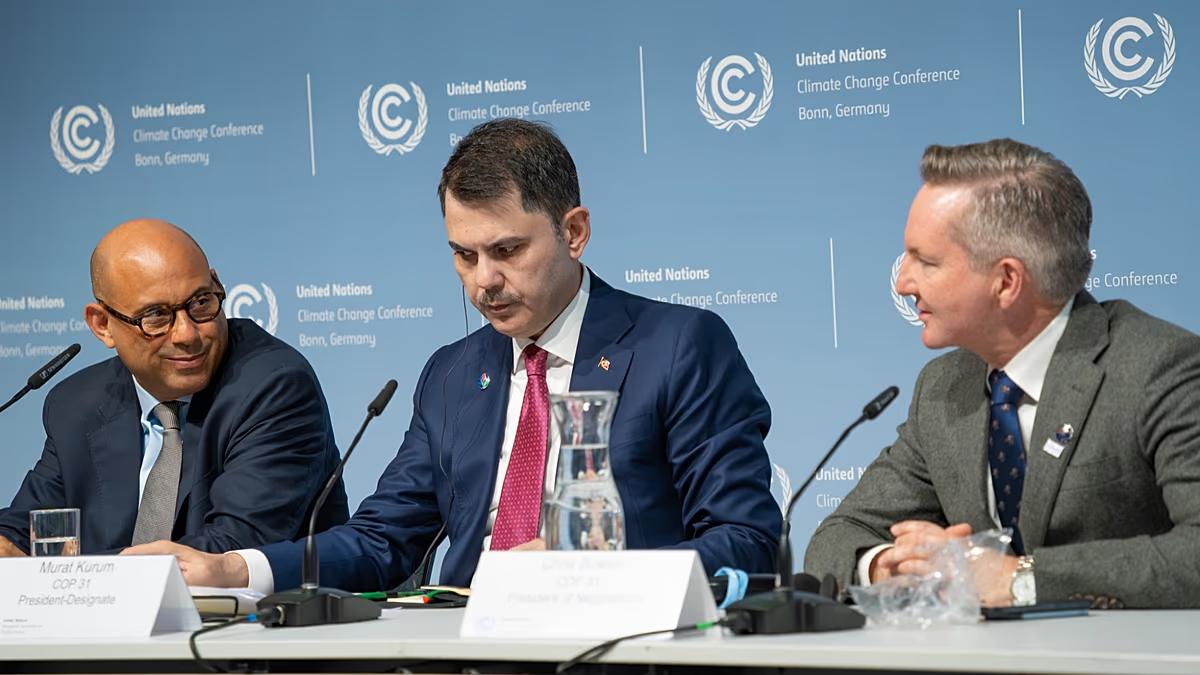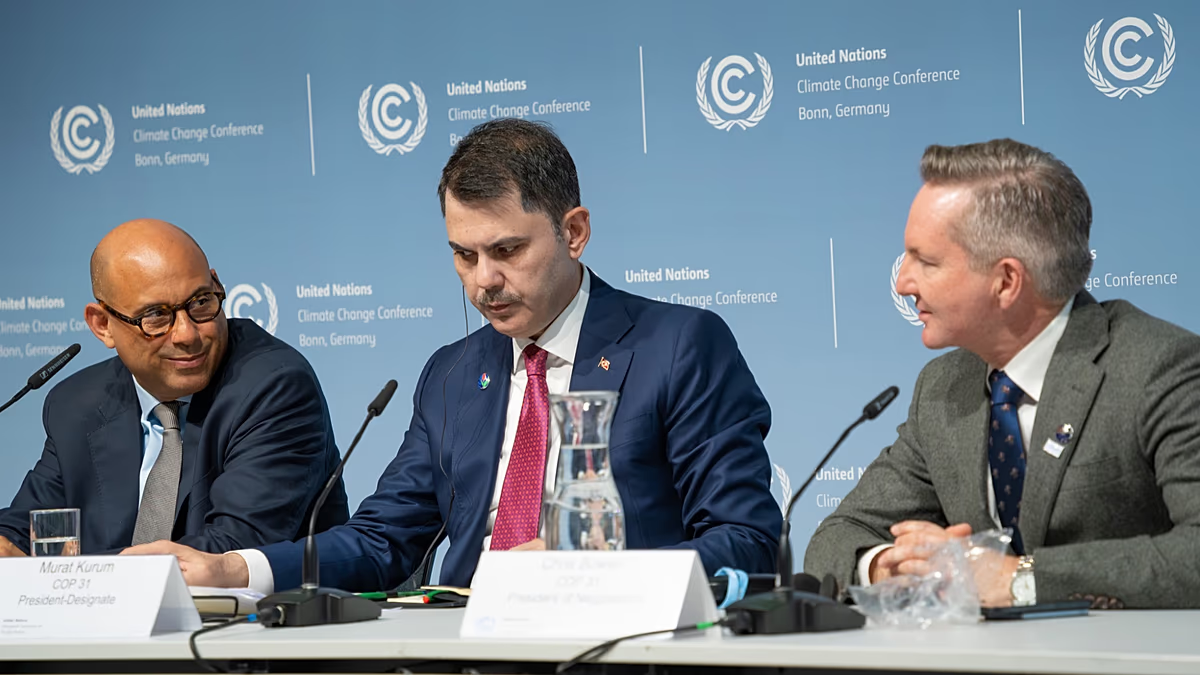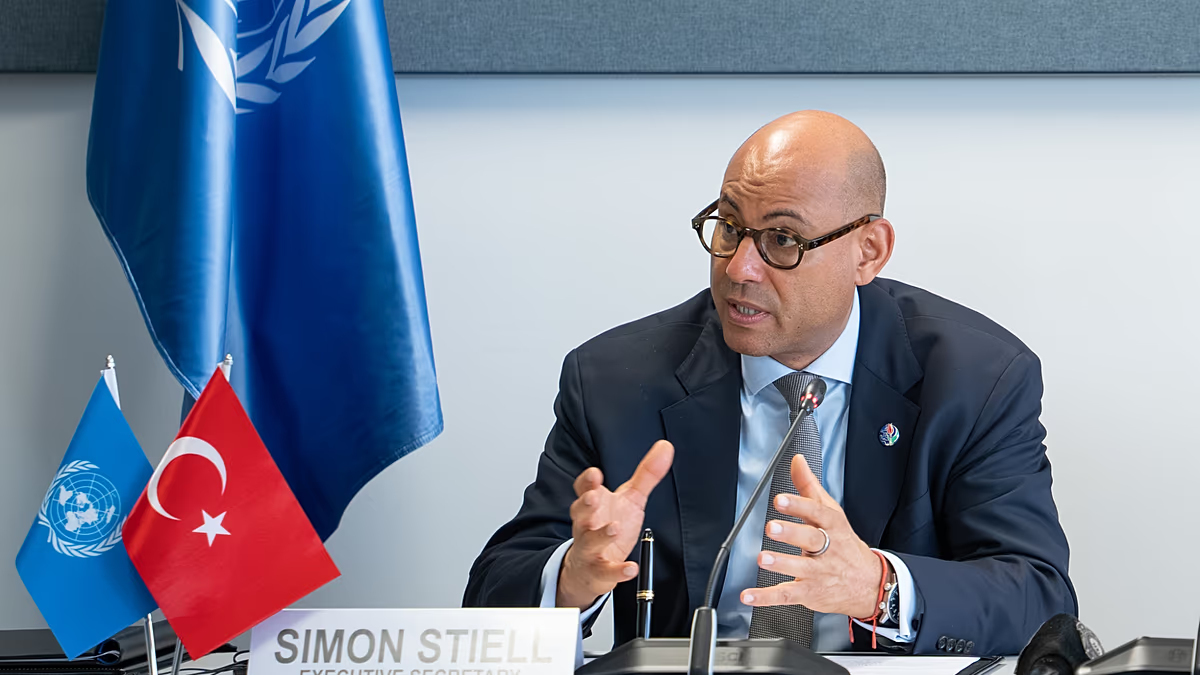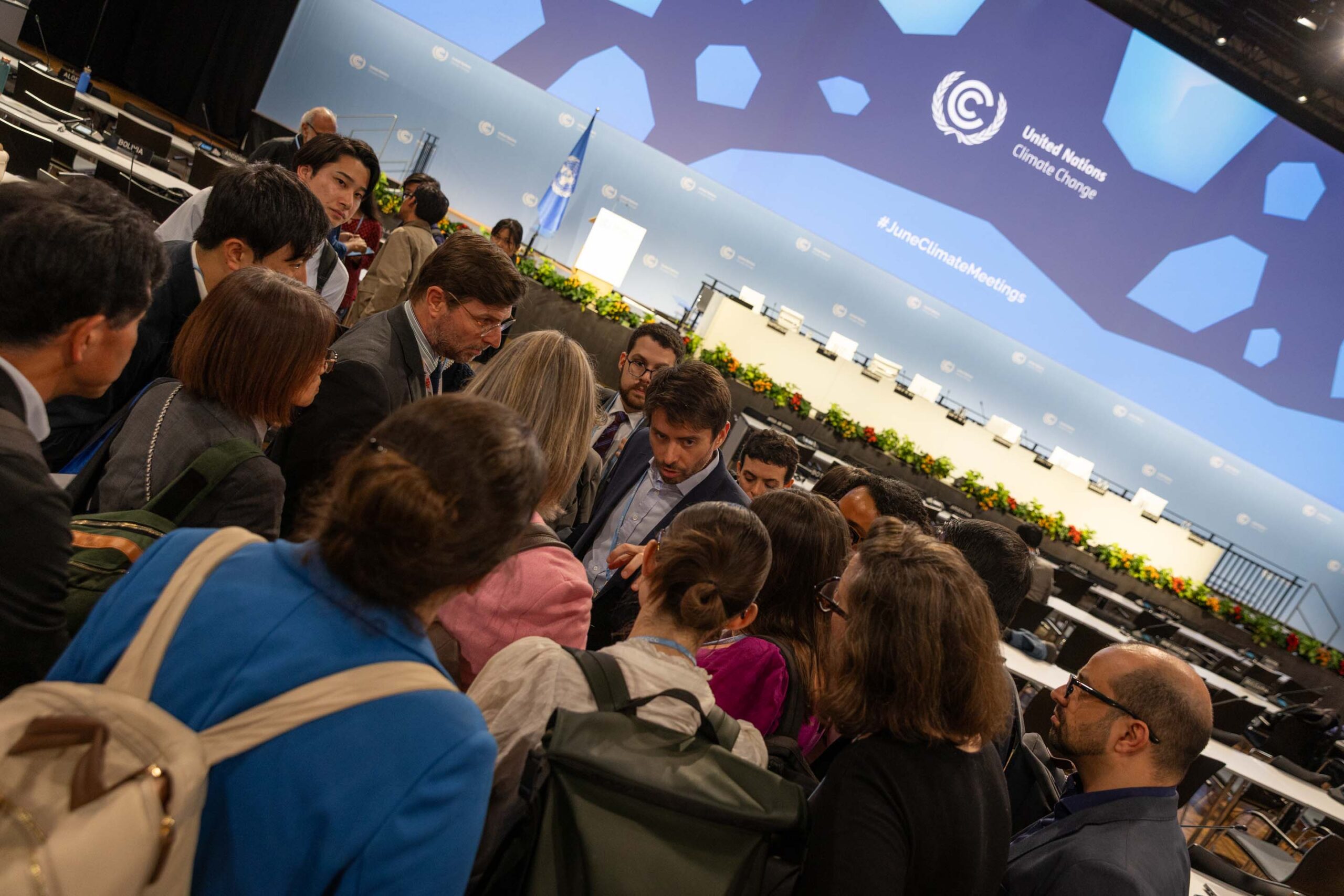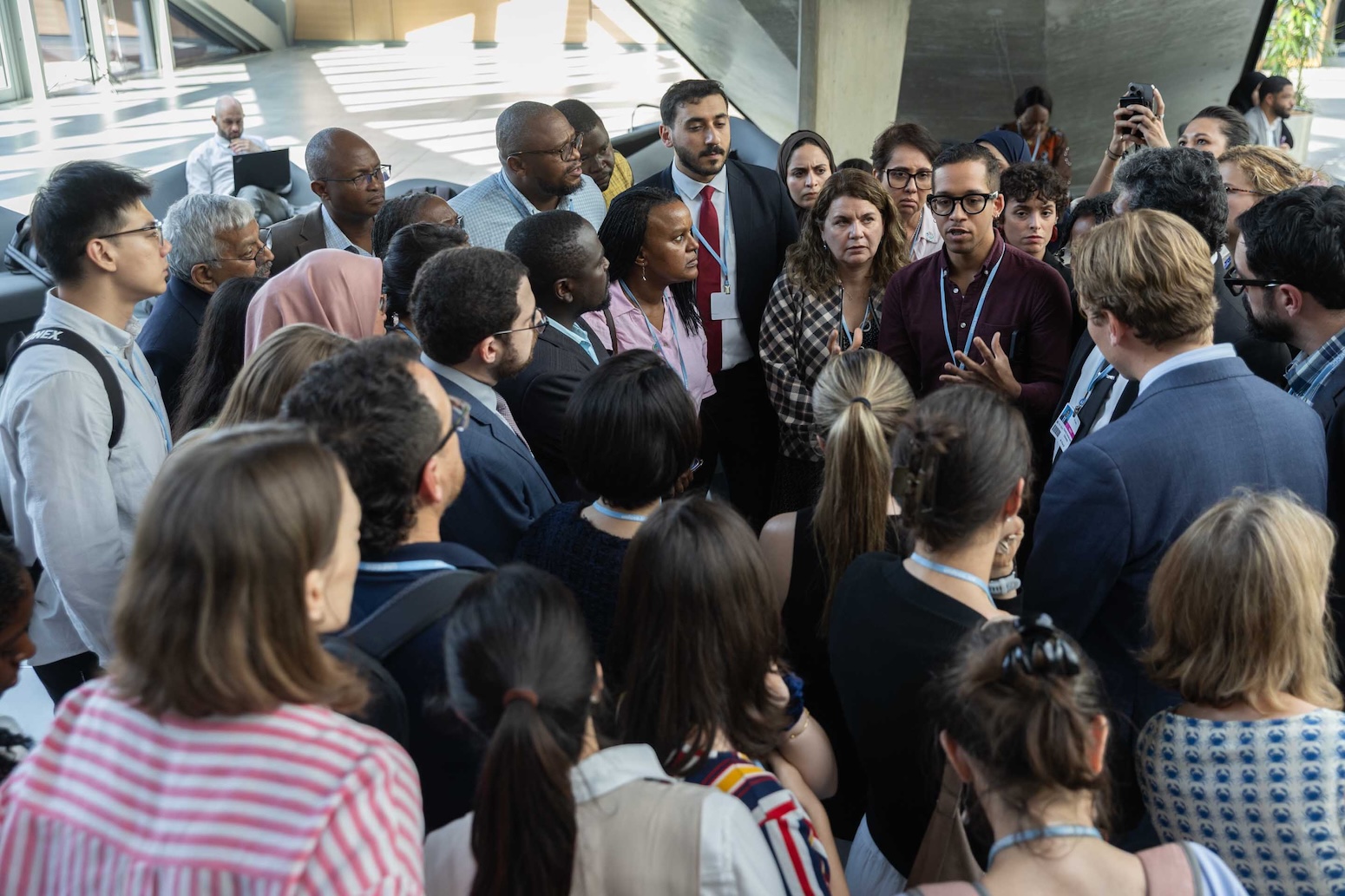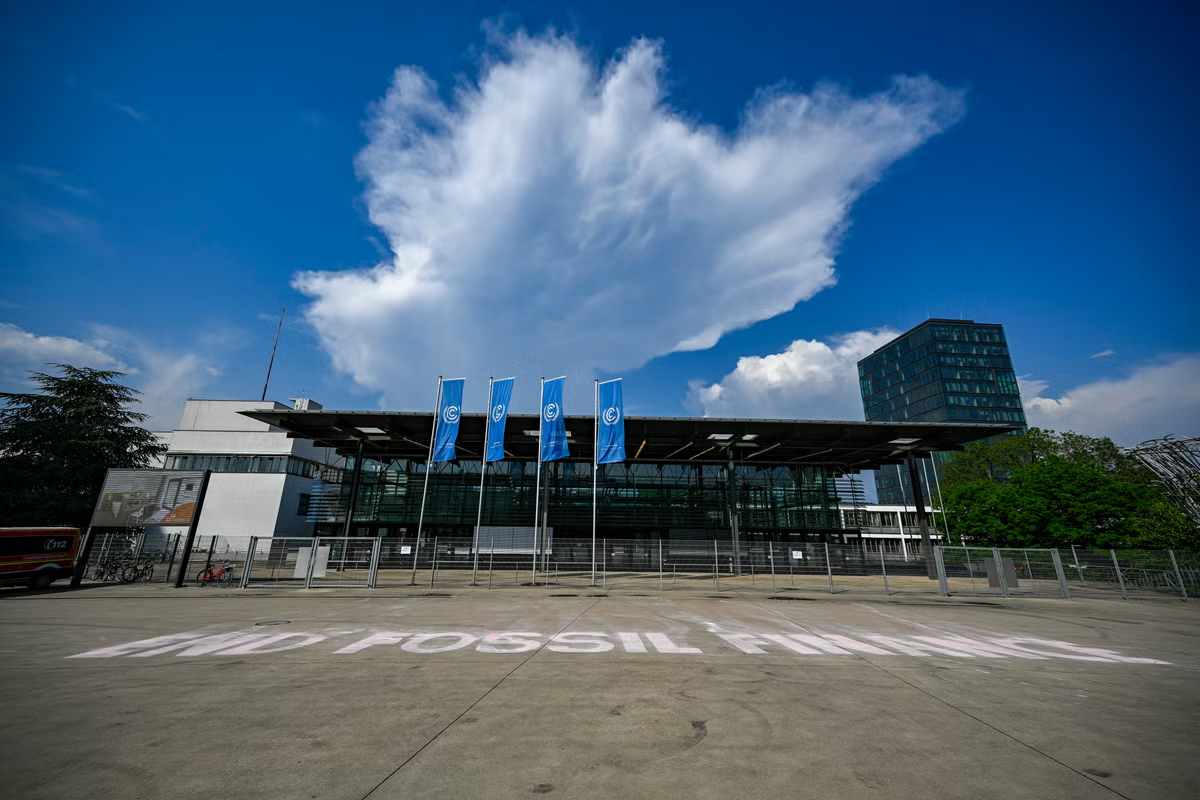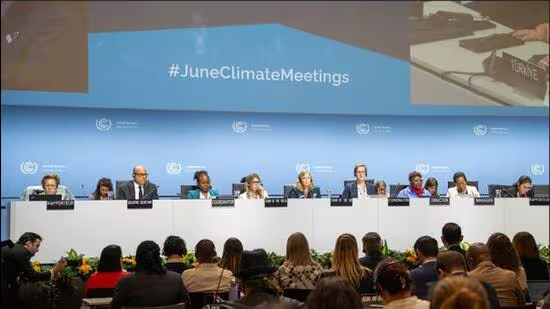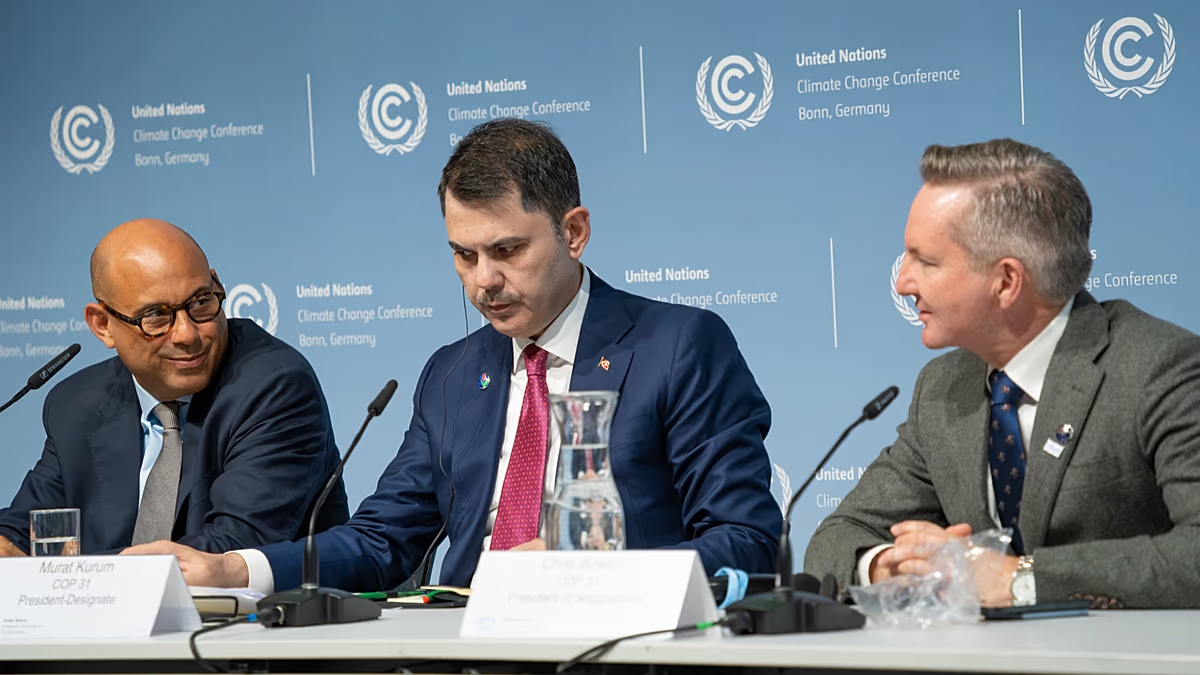
All eyes are on the German city of Bonn this week, as delegates from around the world gather for one of the biggest environmental conferences of the year.
The 64th session of the Subsidiary Bodies (SB64) of the United Nations Framework Convention on Climate Change (UNFCC) is the first major negotiating session since COP30 in Belém, where almost 200 nations failed to produce a roadmap to phase out fossil fuels despite growing momentum.
The talks, which commenced on 8 June and will finish on 18 June, arrive at a moment of growing pressure to turn political commitments into implementation pathways on adaptation, fossil fuels, food systems, land use, trade, and just transition.
One of the main questions hanging over the summit will be how political initiatives can form outside of the formal UN process – following on from the success of the Santa Marta conference on fossil fuels that took place in April.
However, concern is growing that these climate talks are becoming increasingly exclusive and inaccessible – particularly for those living in developing countries, who are the most affected by climate change.