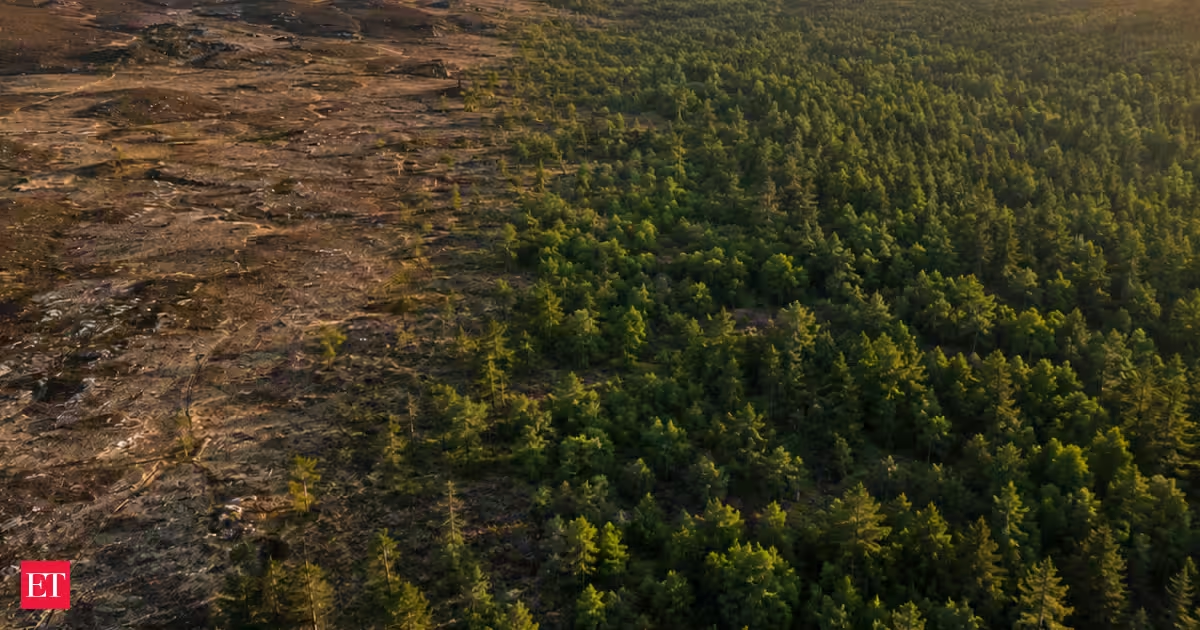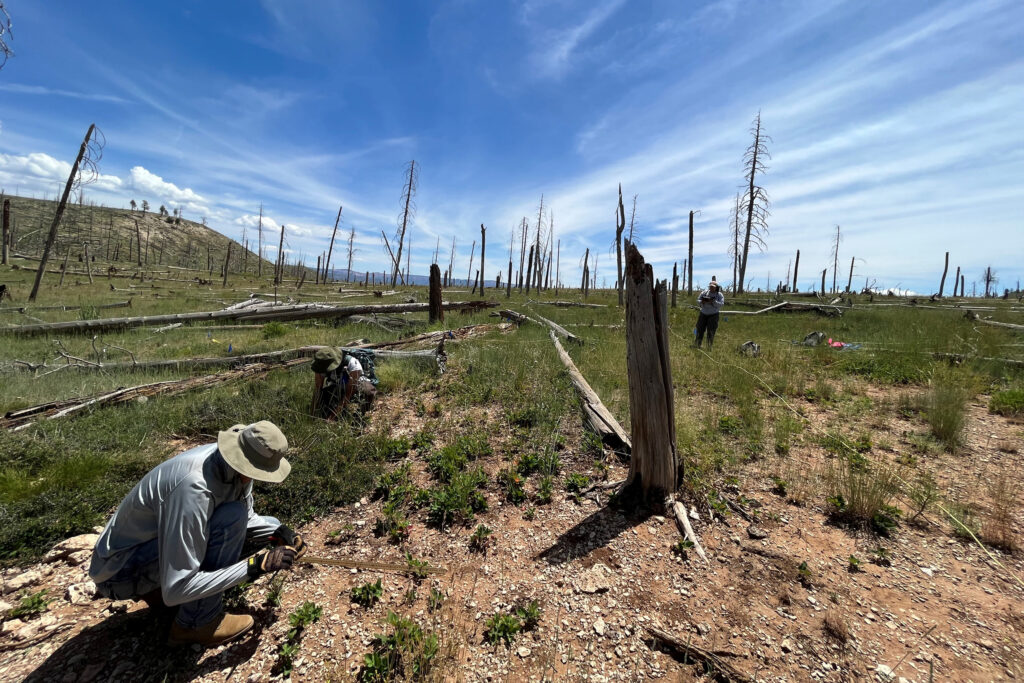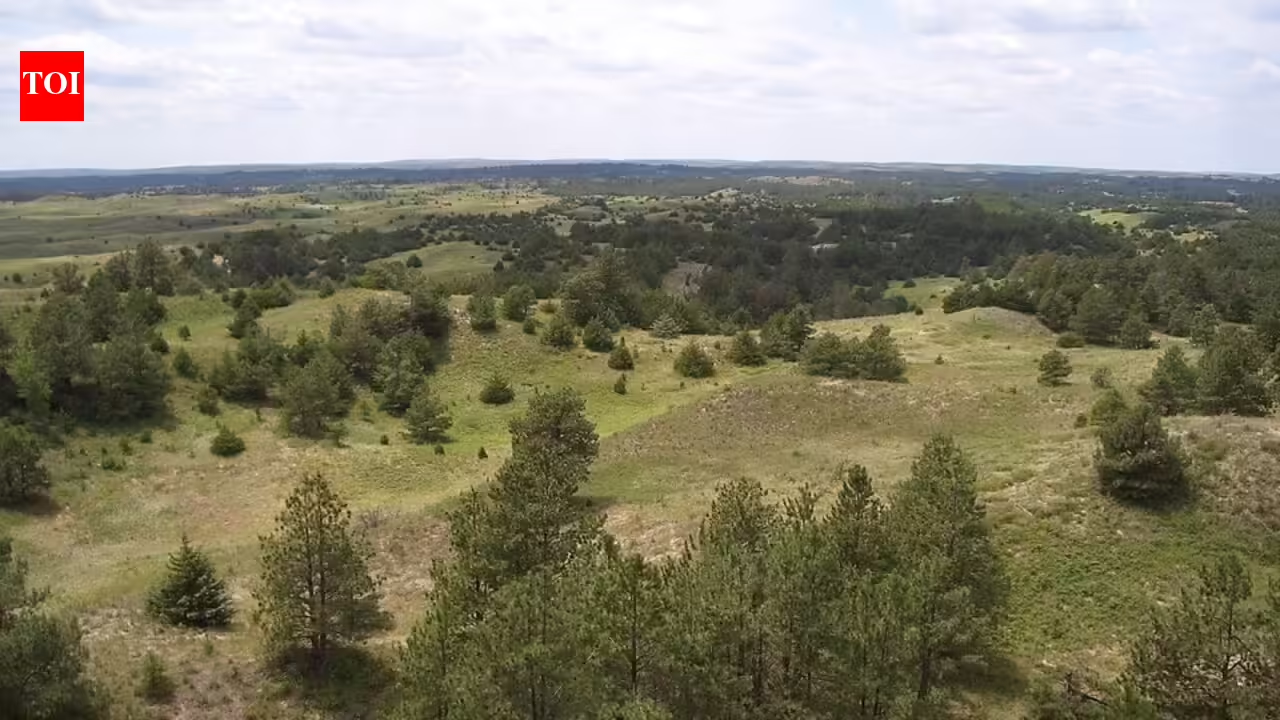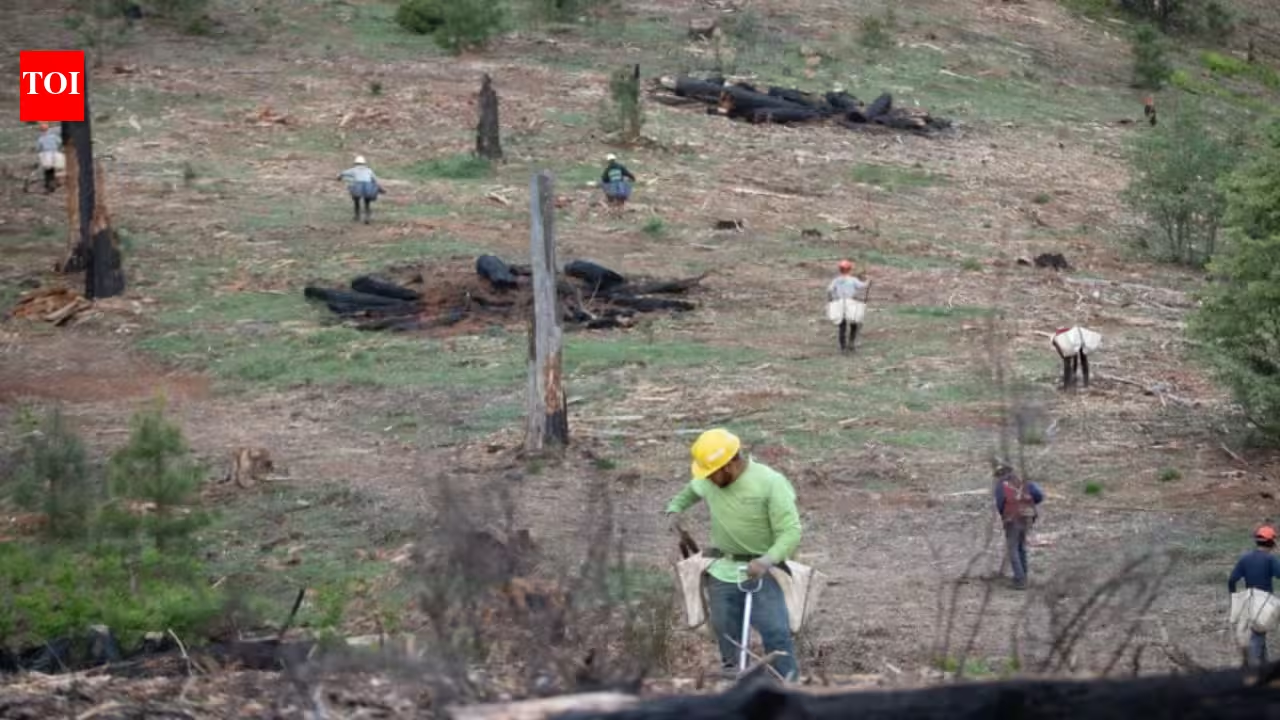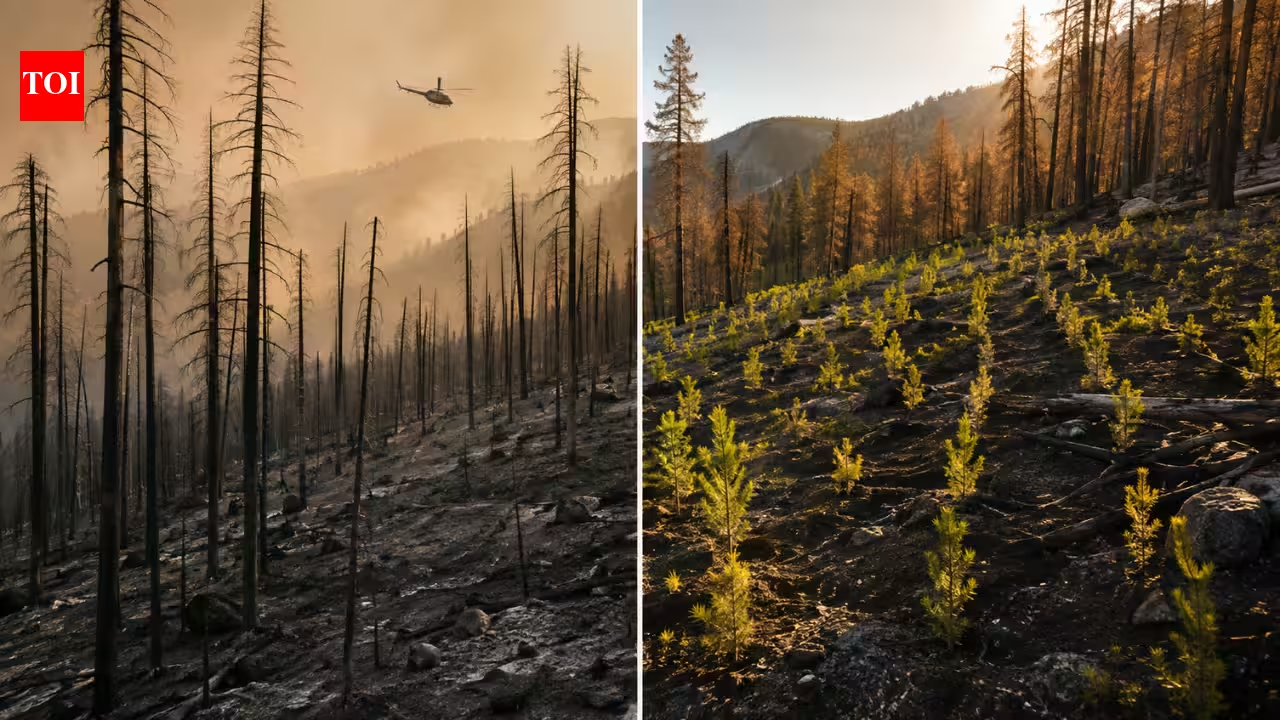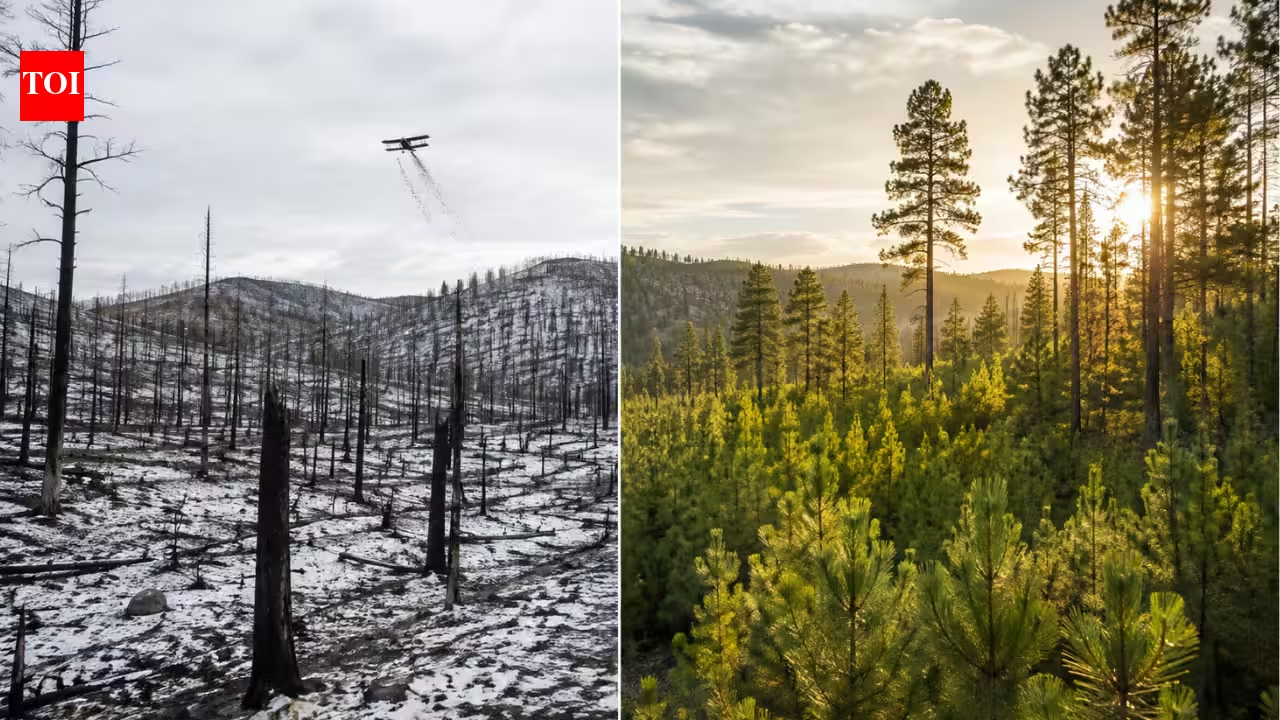
From ashes to evergreen: how a 1948 experiment reforested Maine's burn scars. Image Credits: ChatGPTImagine a small Navy trainer biplane flying just above the treetops of a scorched Maine forest, dropping a seed-and-sawdust mix from a hopper onto the frozen snow below. That's what happened in February 1948. According to a report published in Unasylva, the forestry journal of the UN Food and Agriculture Organisation, foresters used this exact method to replant thousands of acres of Maine woodland that had burned the year before. The plan offered one possible way to rebuild burned forests.The fire that started it allIn October 1947, Maine faced one of the worst wildfire seasons in its history. Months of drought had dried out the state's pine forests. Then dozens of small fires broke out and spread fast. Records from the Maine Forest Service show the fires burned over 220,000 acres, destroyed about 1,000 homes, and left roughly 2,500 people homeless. Sixteen people died. It is widely regarded as one of the largest wildfire disasters in New England's history.One badly hit area was York County, home to the Massabesic Experimental Forest. A survey of the site afterward found that about 2,200 acres needed active replanting, because the fire had wiped out the existing tree cover there. Foresters had two choices. They could plant nursery-grown seedlings by hand, which takes years and a lot of labour. Or they could try something faster: dropping seeds from the air.Flying just 50 to 75 feet above the treetops, the Navy trainer scattered seed across Maine's burned pines. Image Credits: U.S. Forest ServiceWhy sawdust saved the missionGetting seeds to spread evenly from a moving plane turned out to be the hardest part. White pine seed was scarce and expensive that year, running $6 a pound, so foresters needed a cheap filler to stretch it out and control how fast it fell. They first tried mixing the seed with wheat. But wheat prices were unusually high too, so the team switched to sawdust instead. It turned out to be the better choice, since it was cheap, easy to source, and helped the seeds scatter in a wider, more even pattern.The plane itself was a repurposed Navy trainer. It flew at roughly 80 miles per hour, just 50 to 75 feet above the treetops, releasing the seed-sawdust mix through vents built into the underside of the fuselage. Ground crews put up dozens of windsock markers so the pilot could stay on course from the air. The same Unasylva report notes the team ran about 80 test flights before the real seeding began, just to work out the right mix ratio and flight pattern.The actual seeding happened in late February 1948, while two feet of snow still covered the ground. That timing wasn't an accident. The frozen, pitted snow surface caught and held the seeds in place instead of letting them blow away. Then, almost right after the planes finished their runs, another 5 to 8 inches of fresh snow fell over the area. That extra snow cover may have helped keep birds and rodents from digging up the seeds.What the numbers actually showedBy that summer, foresters counted seedlings across the burned land, and the results were mixed but promising. On land that had burned only moderately, results were strong. Seed sown at a density of 8,000 seeds per acre produced an average of 2,475 seedlings per acre there, according to the Unasylva report. But on the most severely burned patches, where the soil had turned to heavy charcoal, results were far weaker, sometimes as low as 25 seedlings per acre. Foresters at the time suspected high soil temperatures and dry conditions were behind the gap.Loading the hopper: the low-cost trick that made the whole operation work. Image Credits: U.S. Forest ServiceCost is what made the method stand out. Aerial seeding worked out to about $3 per acre. Planting seedlings by hand, by comparison, could run $35 an acre or more, more than ten times the aerial seeding cost.Why this old experiment still mattersAerial seeding didn't stay a one-off curiosity. It went on to become a real reforestation tool used across the country in the decades that followed. Even so, it's not a guaranteed fix. The 2017 review, ‘Direct Seeding in Reforestation: A Field Performance Review,’ published in the journal Reforesta, reports that direct seeding, including aerial methods, typically establishes only around 20 percent of the seeds sown, and tends to produce weaker survival and growth than planted seedlings do. That is broadly consistent with what Maine's foresters saw on their worst-burned plots back in 1948.That's really the takeaway from the Maine experiment. It wasn't a flawless success story. It was a real-world test that showed both the promise and the limits of a faster, cheaper way to heal burned land. Nearly 80 years later, as wildfires across the US grow more frequent and reforestation budgets stay tight, that mix of ambition and honest results still feels relevant. Sometimes the most useful lessons come from an old biplane, a hopper full of sawdust, and a forest trying to grow back.
In 1948, Maine loaded white-pine seeds into a Navy plane and scattered them across 2,200 burned acres; some produced 2,475 seedlings per acre
Imagine a small Navy trainer biplane flying just above the treetops of a scorched Maine forest, dropping a seed-and-sawdust mix from a hopper onto the frozen snow below. That's what happened in February 1948.
846 words~4 min read