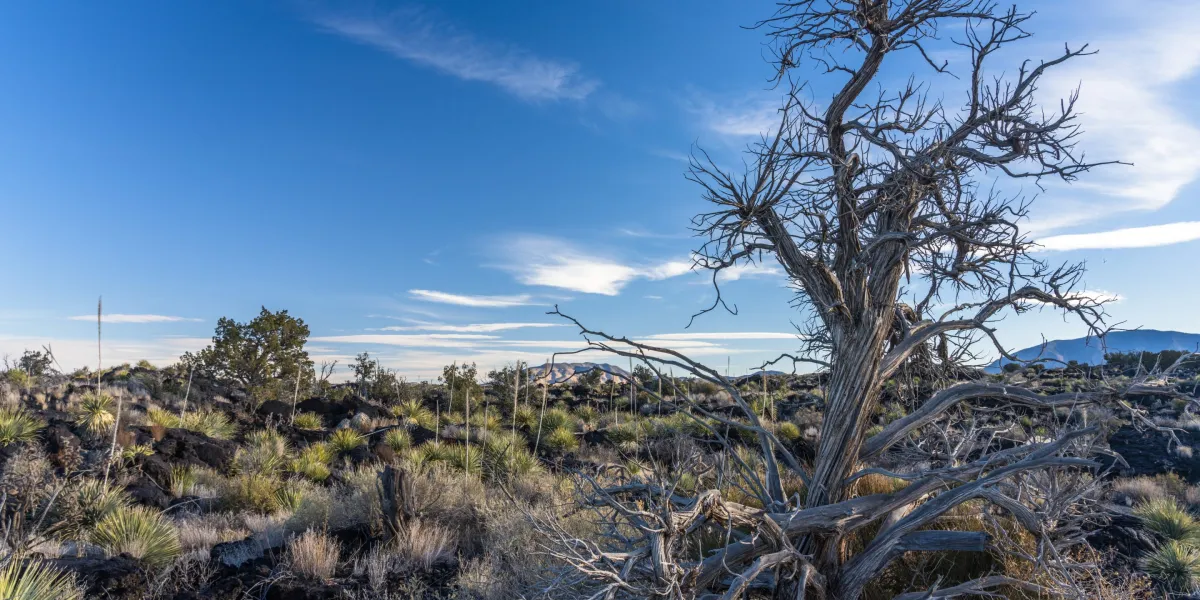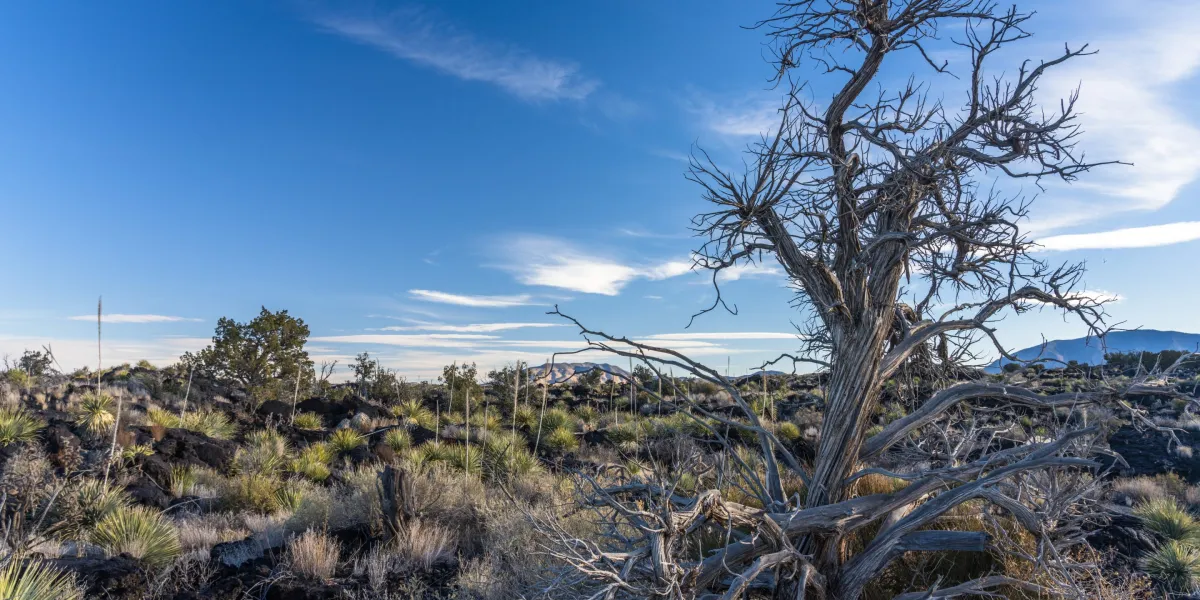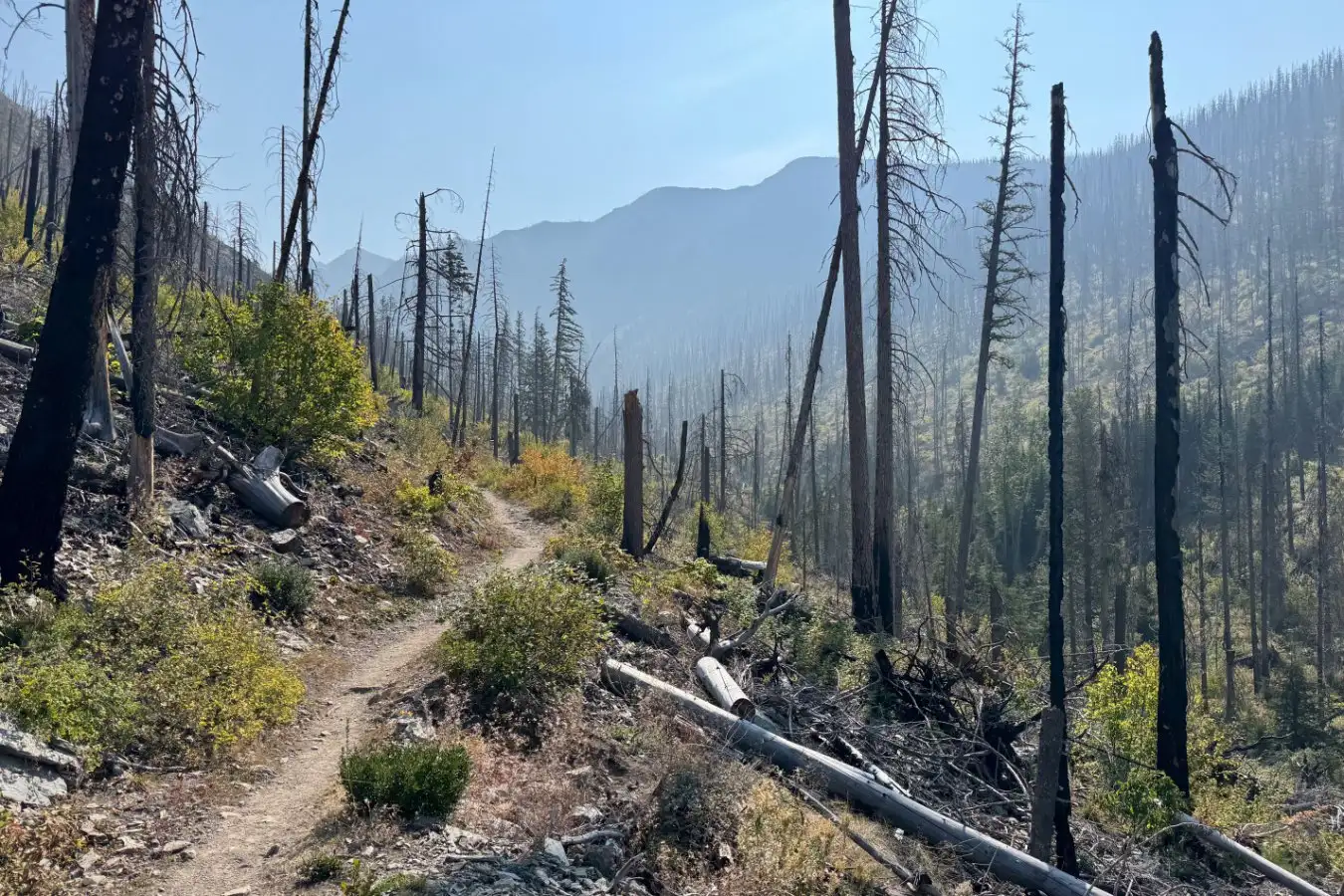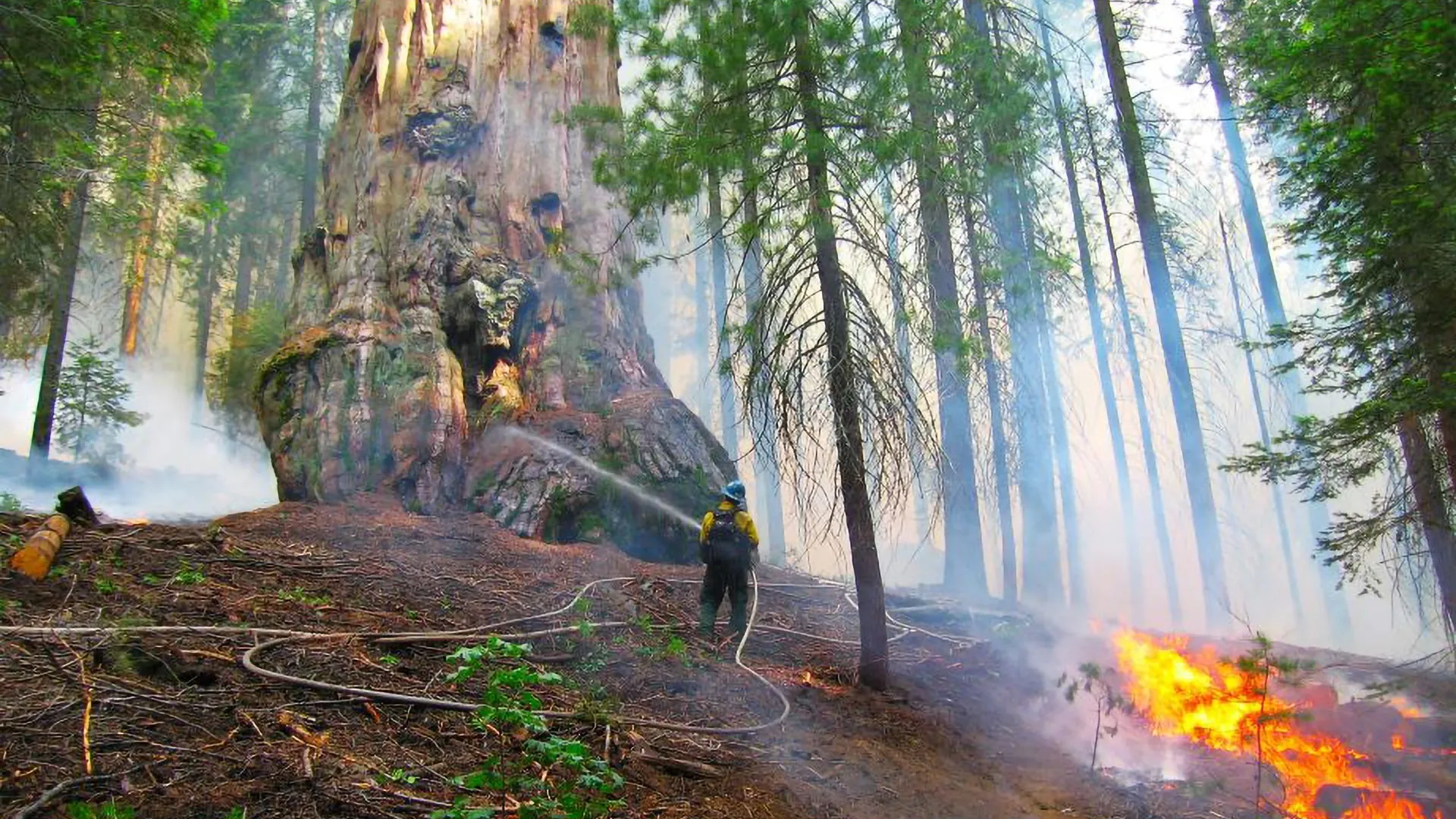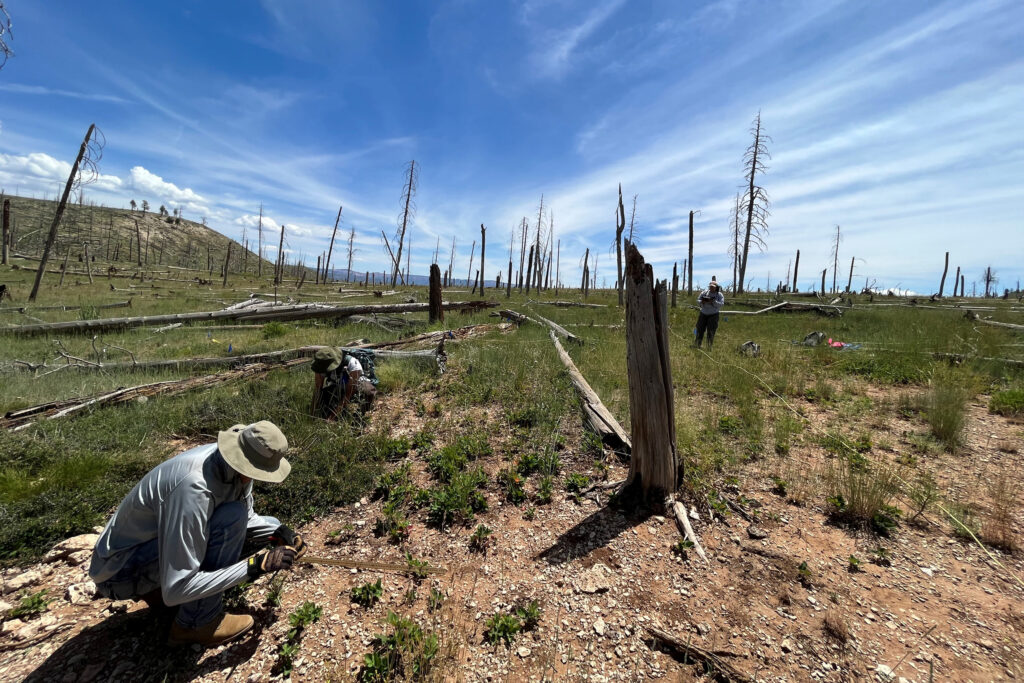
Four years after the Calf Canyon/Hermits Peak Fire burned 341,471 acres in northern New Mexico, the massive burn scar from the most destructive blaze in state history still holds vast stretches of leafless, barren and charred trees.
It’s one of many scorched landscapes across the state—the New Mexico Energy, Minerals and Natural Resources Department (EMNRD) reports that wildland fires have burned more than 5.45 million acres over the past 20 years.
The state is trying to reforest these lands, but it’s been tough going due to the sheer number of seedlings needed and the challenges of planting on burn scars, including often-extreme surface temperatures.
The New Mexico Reforestation Center that broke ground on April 27 in Mora County is slated to eventually produce 5 million seedlings, including ponderosa pine and Douglas fir, each year. But these efforts won’t amount to much if the tiny trees can’t survive the harsh conditions they’ll face when planted: sun, and lots of it, and increasingly drier conditions thanks to climate change.
That’s why researchers from EMNRD, New Mexico Highlands University, New Mexico State University and the University of New Mexico are working together on what they’re calling a “reforestation pipeline,” an interagency approach that addresses each step of the process from seed to tree. These efforts aim to create more successful and climate-resilient seedlings.