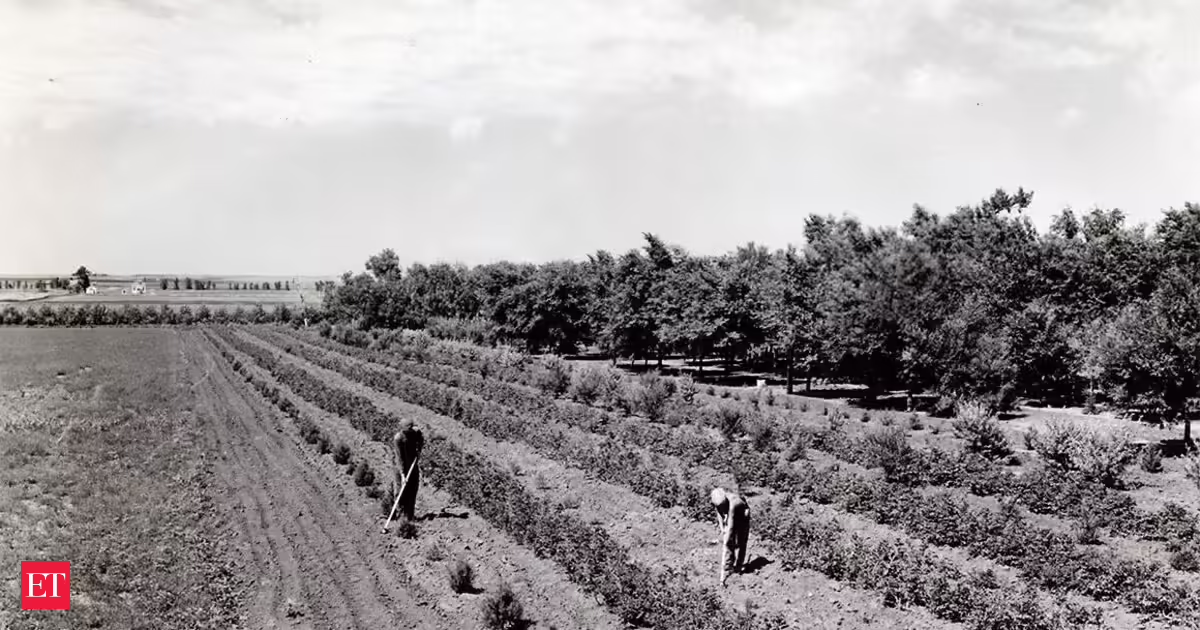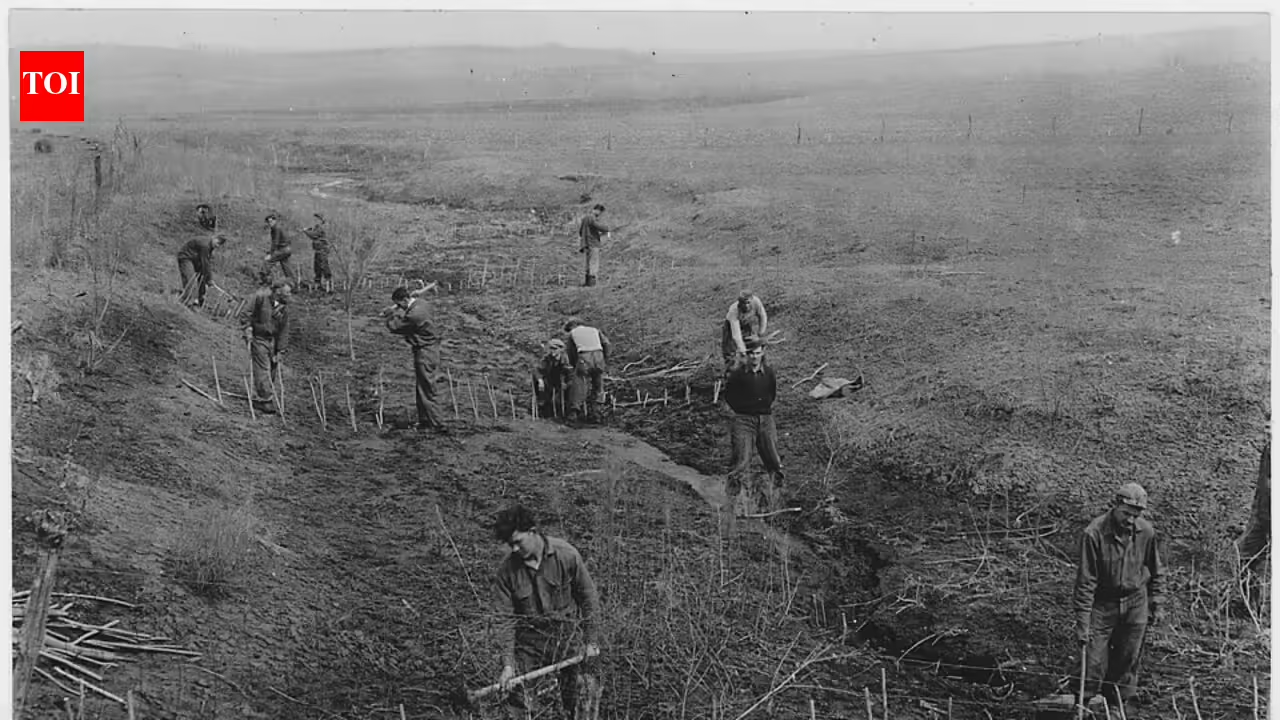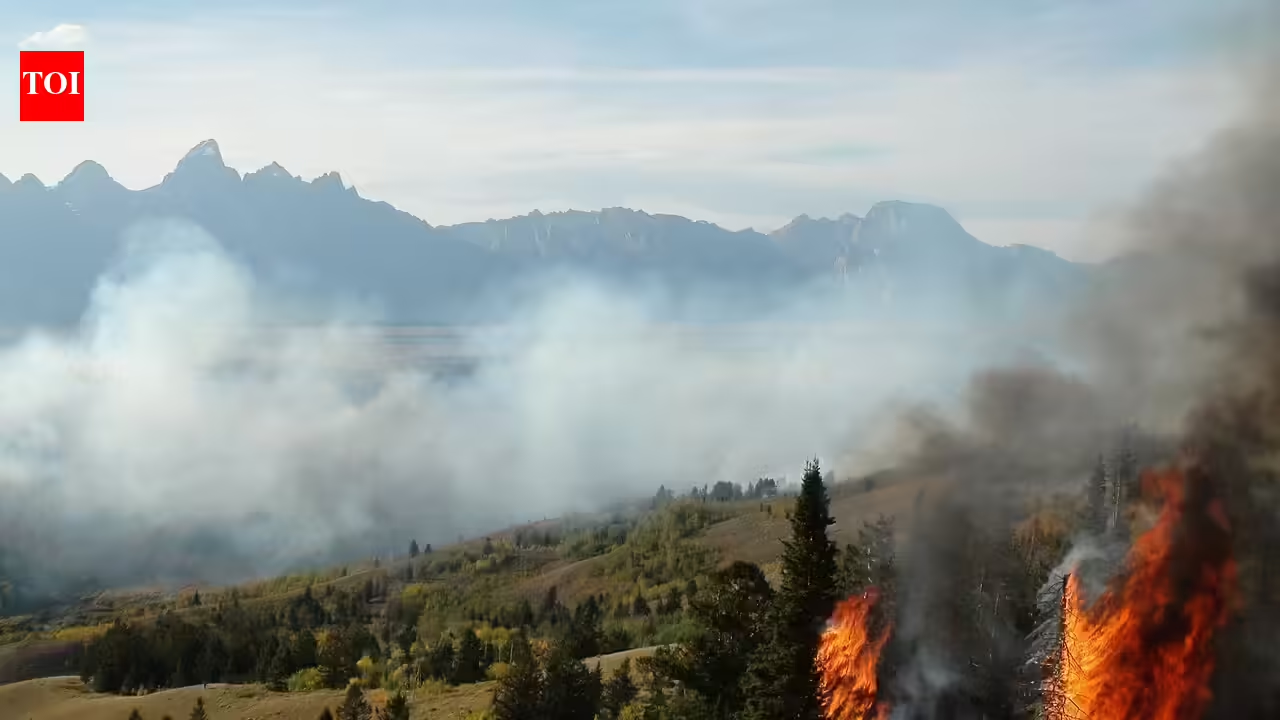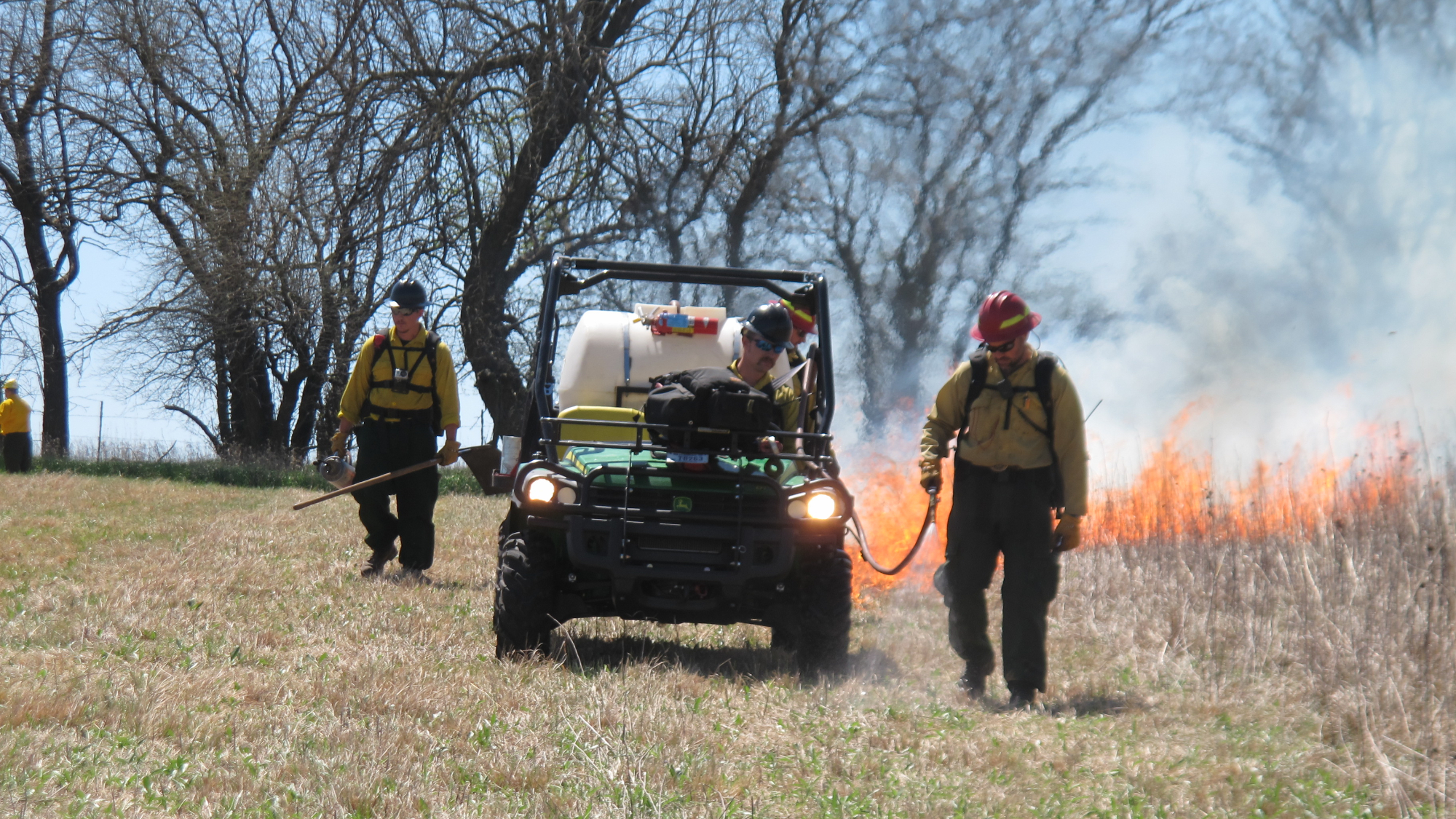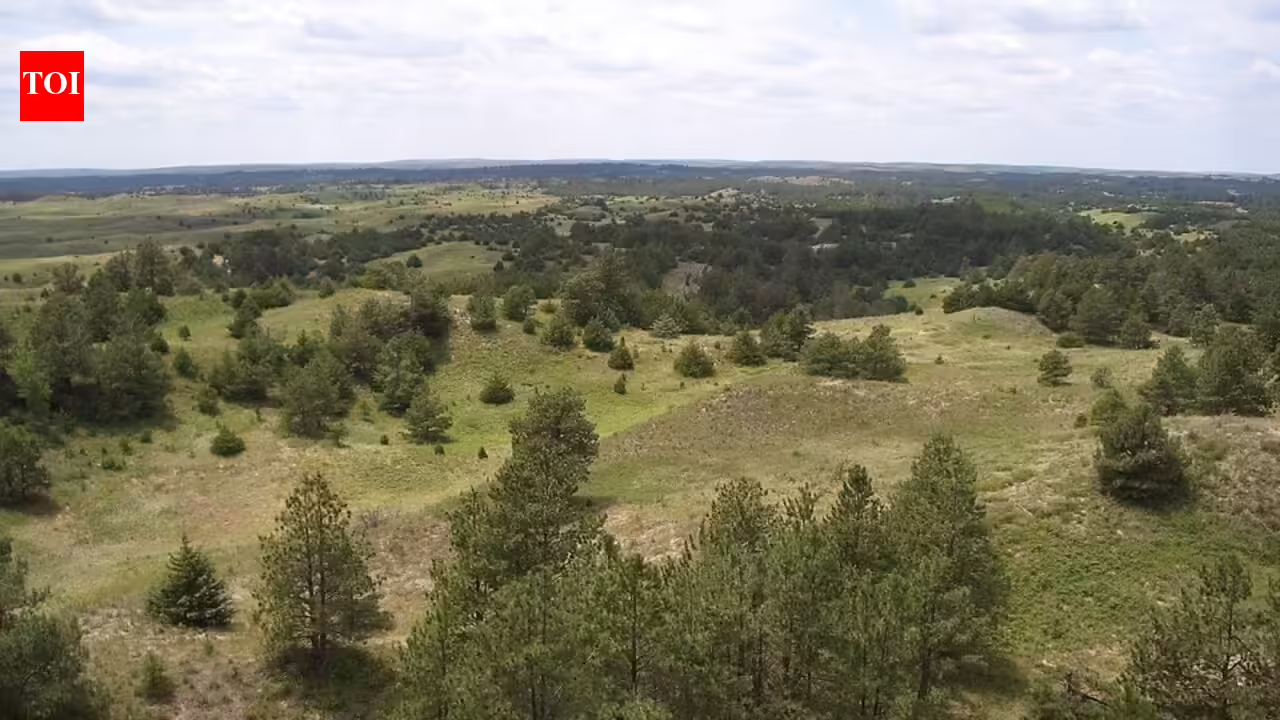
Nebraska's ambitious tree-planting experiment from the early 1900s created a large man-made forest. Image Credit: Wikimedia CommonsWhen people think about conservation, planting more trees is often the first choice. However, in one part of the country, the land management agency does something less expected. Each year, it sets fires on thousands of acres not because the forests are unhealthy, but because there are too many trees.The story dates back to the early 1900s, when Nebraska became the site of one of the country’s best-known tree-planting experiments. But today this forest brings about other challenges for conservation.An ambitious experiment to plant forests where none had grown beforeThe history of the Nebraska National Forest can be traced back to the early 1900s when botanist Charles Edwin Bessey from the University of Nebraska came up with a novel idea. According to History Nebraska, Bessey believed it would be possible to plant forests in the Nebraska Sandhills, although much of the area was dominated by natural grasslands.According to the Nebraska State Historical Society, working with Gifford Pinchot, the first chief of the U.S. Forest Service, he persuaded President Theodore Roosevelt to set aside two tracts of land for the project. Official planting operations started in 1903 in what is known today as the Bessey Ranger District, Halsey, Nebraska.During the next few decades, thousands of acres of mostly ponderosa pine and other conifers were planted in the Sandhills region. According to the U.S. Forest Service, the project created the largest man-made forest in the country, covering roughly 20,000 to 25,000 acres.The Bessey Ranger District traces its origins to the Dismal River Forest Reserve, which was established in 1902. The reserve later became part of the Nebraska National Forest when it was created in 1908.The experiment proved successful. Trees were planted in an area many considered unsuitable for forest growth. The planted forest also created new habitats. According to research on birds in the Bessey District, red-breasted nuthatches were among the first conifer-forest bird species to colonize and begin breeding in the isolated planted pine stands, creating a habitat that did not previously exist in the region.Protecting native habitats requires diverse and sometimes unexpected land management practices. Image Credit: Wikimedia CommonsBut the growing number of trees eventually became a problemWhile the forest thrived, scientists observed that the native grasslands were beginning to disappear. Trees, including eastern red cedar and ponderosa pine, continue spreading beyond the original planting zones into Nebraska’s native prairies. The lack of fire allows these trees to spread and replace grassy plains.The Great Plains were shaped by frequent wildfires. Those fires kept trees from taking over and helped grasses and wildflowers dominate the area. When natural fires were suppressed in the 20th century, trees spread more quickly.According to a study published in the Journal of Applied Ecology, tree encroachment has become one of the fastest-growing threats to American grasslands, reducing native vegetation, degrading wildlife habitat, and affecting ecosystem productivity. Scientists note that grasslands are among the world’s most threatened ecosystems, yet they often receive far less conservation attention than forests.Why officials now burn some 10,000 acres each yearTo address the problem, authorities have returned to prescribed fire. The Bessey Ranger District uses prescribed burns across thousands of acres to limit tree expansion, reduce unwanted vegetation, and help maintain native prairie habitats.Prescribed burns differ from wildfires because they are carried out under tightly controlled conditions. The burns are meant not to eliminate the forest, but to keep it from spreading beyond its current boundaries into one of North America’s last remaining prairies.Conservation does not always mean planting more treesThe Nebraska National Forest is one example of ecosystem conservation that shows why this principle matters. While planting trees has clear benefits, it may not be suitable in every place. As noted by the IPBES, restoring degraded ecosystems often means recovering native habitats rather than simply planting more trees. Grasslands, wetlands and savannas are important ecosystems that need special care.More than 120 years have passed since Nebraska’s pioneering effort to plant forests in what was then a largely treeless landscape. Ironically, protecting one of America’s best-known planted forests now requires fire to keep its trees from overtaking the neighboring prairies.
In 1903, Nebraska began planting a 20,000-acre forest across prairie grassland; today, officials use prescribed burns to keep trees from spreading
When people think about conservation, planting more trees is often the first choice. However, in one part of the country, the land management agency does something less expected.
694 words~3 min read