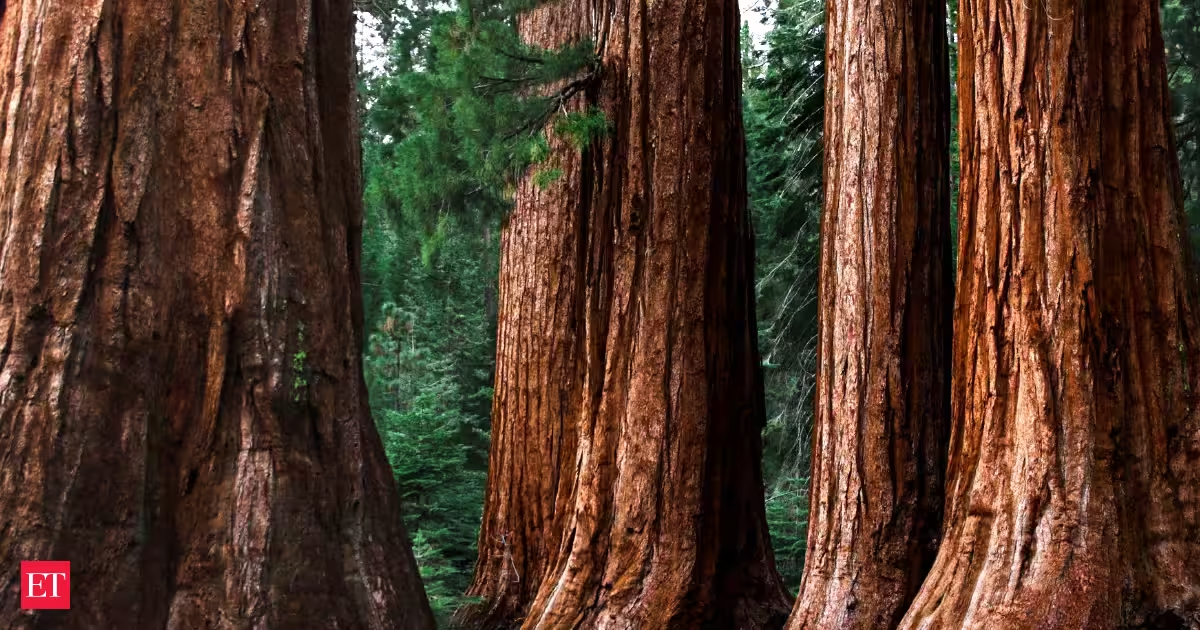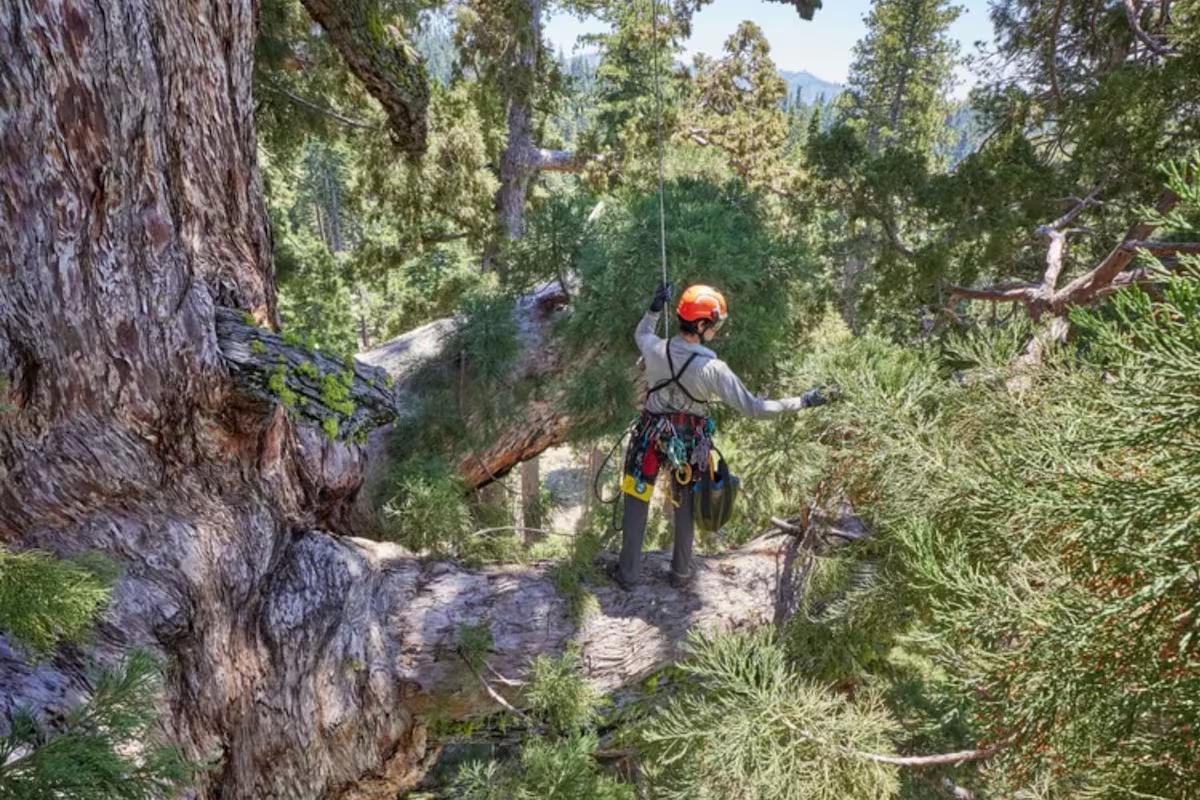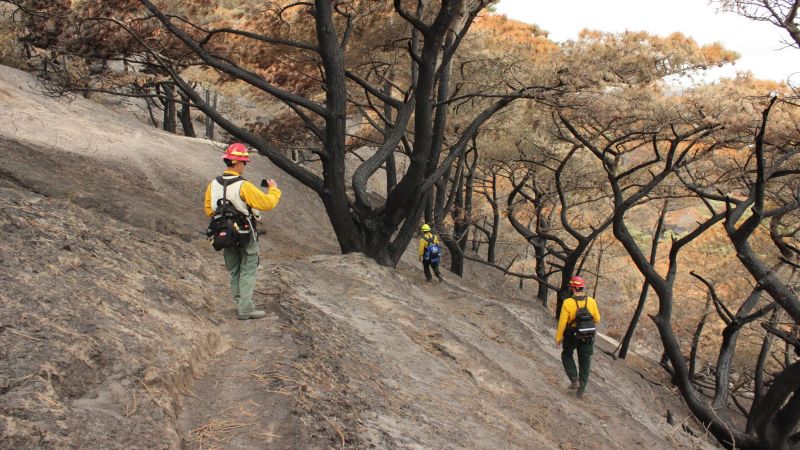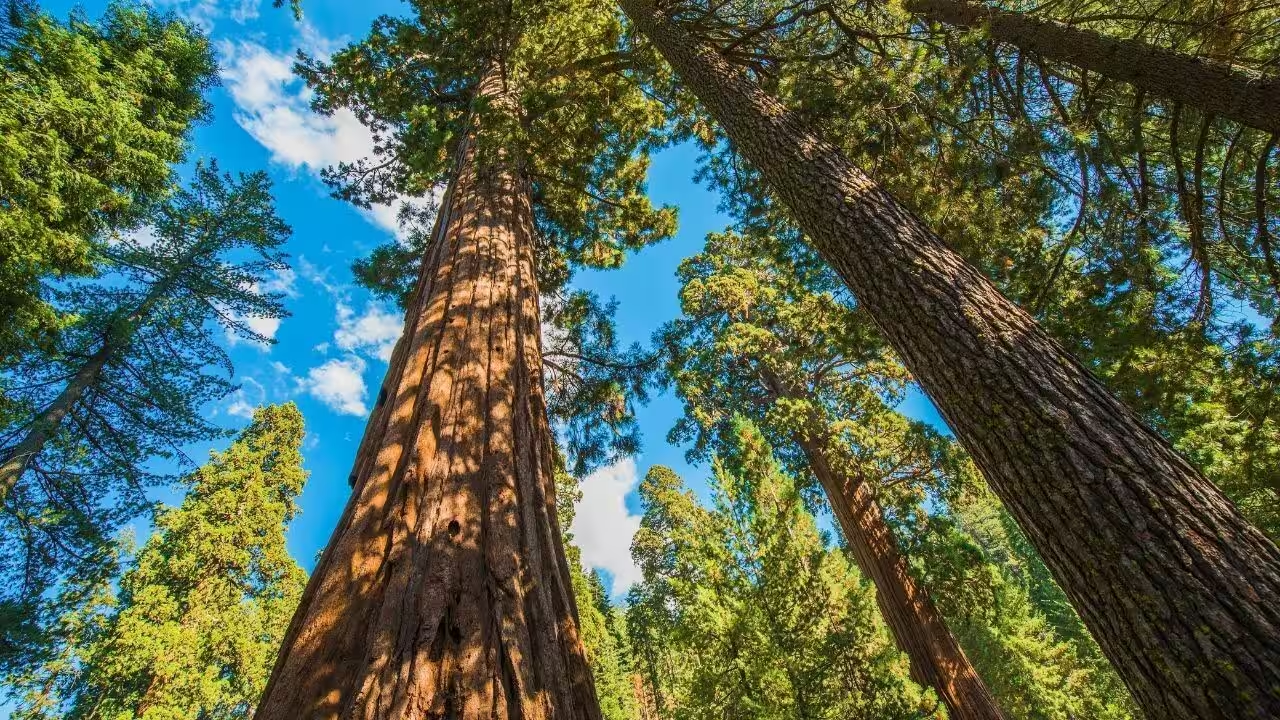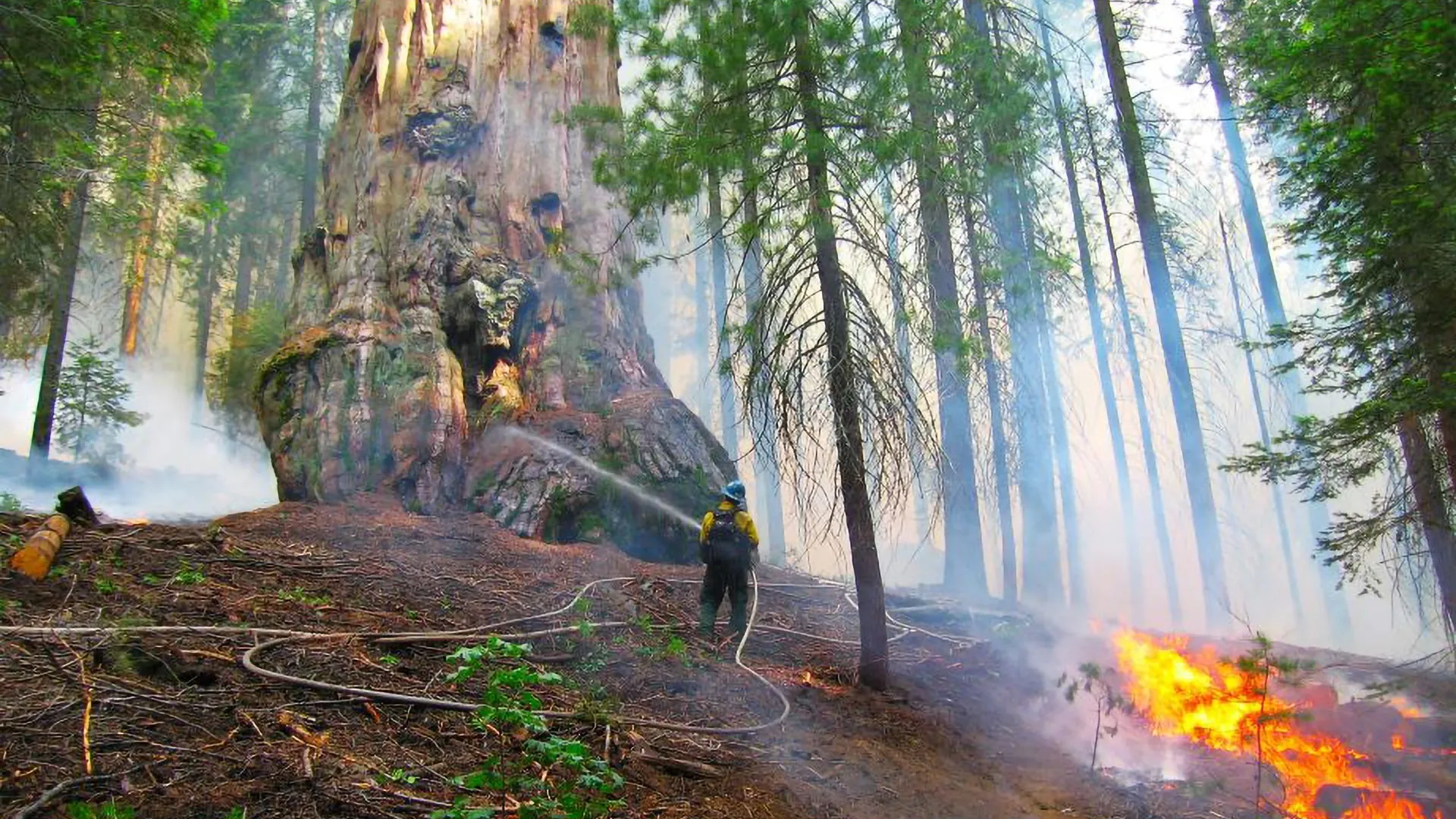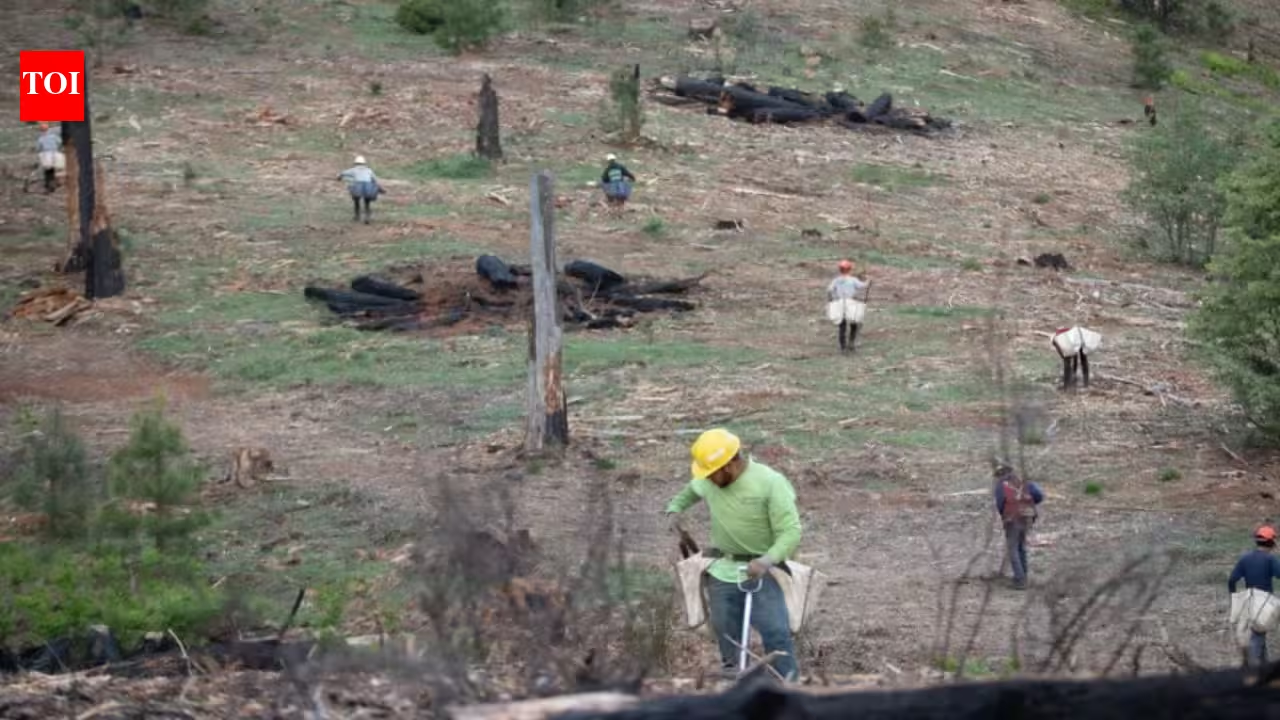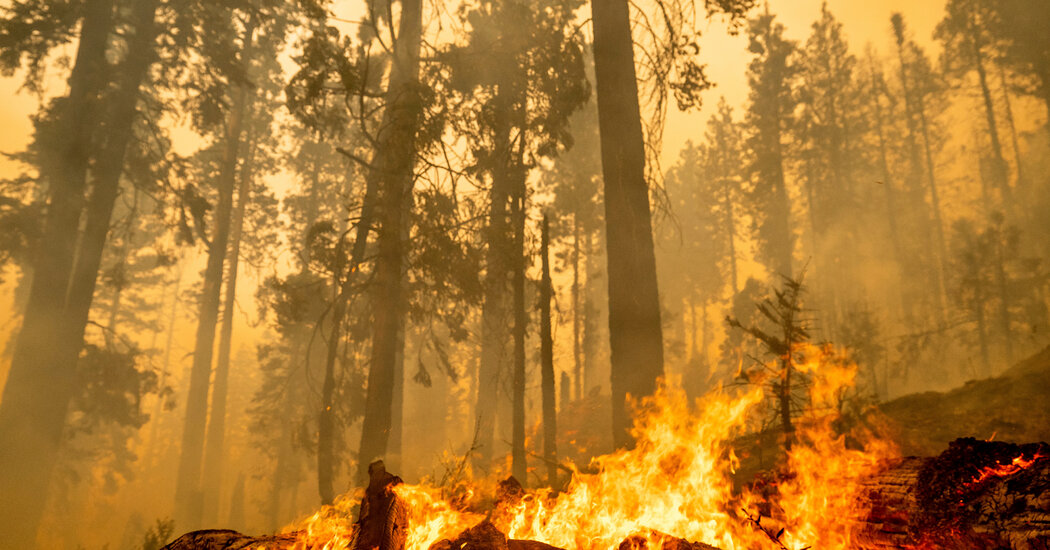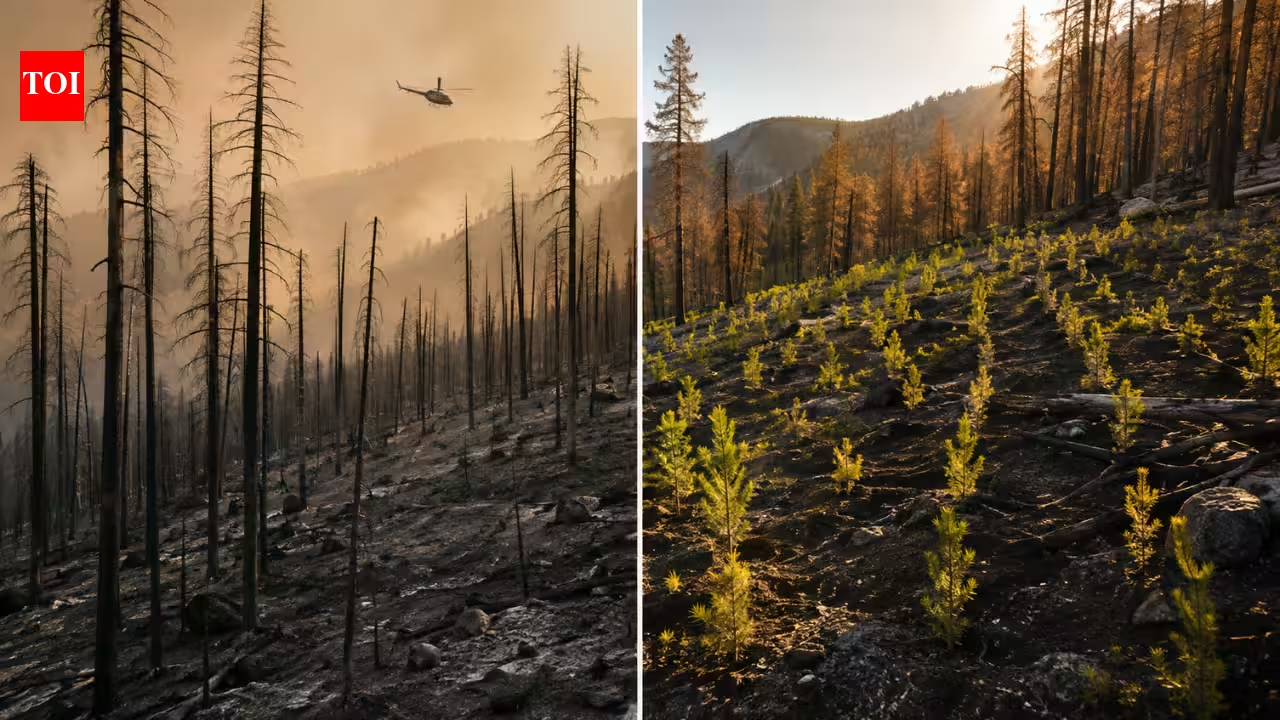
A burned grove, a helicopter, and 3,800 baby giants. Image Credits: ChatGPTDeep in the backcountry of California’s Sequoia National Park is a patch of forest that once contained trees probably older than the United States itself. Then wildfire came through, and most of that forest died. The 48-acre Board Camp Grove burned so badly that it had little chance of regrowing on its own, according to the National Park Service. So in 2024, park crews took a different approach. They helicoptered 3,800 baby sequoias into the wilderness and planted every one of them by hand.A grove too badly burned to heal itselfBoard Camp Grove sits inside the John Krebs Wilderness, a rugged, roadless area of the park. In 2020, the Castle Fire roared through and killed a huge number of “monarch” sequoias, the oldest and largest trees in the grove, the ones that produce most of its seeds.That loss is more important than it seems. Giant sequoia seeds generally fall within about 600 feet of the tree that produced them. When a fire kills all of the mature trees over a sufficiently large area, there is usually nothing in the vicinity to grow the next generation.The 2024 study, 'Assessing giant sequoia mortality and regeneration following high-severity wildfire,' in the journal Ecosphere, led by David Soderberg and his co-authors, looked at exactly this problem. The team found that about 90 percent of Board Camp Grove burned at what they termed “very high severity,” a level so intense it put the grove at real risk of never recovering on its own. Three other burned groves in their study showed the same pattern, but to a lesser degree.Why crews needed a helicopter, not a truckYou can't just pull up to Board Camp Grove with a truck full of saplings. Per the National Park Service, the site is about seven miles off any trail, deep within protected wilderness and with no road access at all.Sequoia National Park, home to trees older than the country itself. Image Credits: PexelsThat’s why crews flew in the seedlings by helicopter and then hand-planted each one. The location of the site is remote, so it is not really feasible to provide ongoing care such as regular watering. Once these seedlings are in the ground, they are pretty much on their own.How scientists decide which groves actually need helpNot every grove that burns gets this sort of intervention, and that’s by design. First, researchers needed a consistent way to tell if a grove was recovering on its own, or whether it needed a human hand.That’s where a separate 2024 study titled ‘Post-fire reference densities for giant sequoia seedlings in a new era of high-severity wildfires’ in Forest Ecology and Management, led by scientist Nathan Stephenson, comes in. His team created what they call “reference densities,” basically a baseline for how many new sequoia seedlings should naturally appear after a fire. Land managers can check what they actually count on the ground against that benchmark and then decide if a grove needs replanting or just time.The stakes are high beyond one grove. The same research estimates that the combined blazes of 2020 and 2021 killed 13 to 19 percent of all mature giant sequoias across their entire native range, a significant loss for a species that grows wild in just one narrow band of California’s Sierra Nevada.It is not just Board Camp GroveBoard Camp is one piece of a much bigger restoration push. The National Park Service also planted some 65,000 sequoia seedlings at nearby Redwood Mountain Grove during that same time, a project that began with mules hauling in saplings in October 2023.When wildfire meets a grove with nowhere to regrow. Image Credits: PexelsPark officials say they have already identified more groves, including Homer’s Nose, Dillonwood and New Oriole Lake, for similar replanting in the years to come. One grove, Suwanee, was found to be recovering sufficiently on its own and will be monitored instead of treated. The whole effort is funded through the Bipartisan Infrastructure Law and a federal Burned Area Restoration program.Why this should matterThe giant sequoias are one of the largest living things on Earth, by volume. For a tree species that measures its lifespan in thousands of years, losing nearly a fifth of the world’s mature sequoias in two fire seasons is a major loss. Researchers who study these fires attribute a combination of factors, including years of fire suppression, which left behind dead wood and thick undergrowth, and increasing temperatures and severe drought that caused wildfires to burn hotter and faster than these forests have adapted to deal with.None of that can be undone by helicopter drop. Yet for a species this ancient and a wilderness this hard to reach, a few thousand hand-planted seedlings may be the closest thing these trees get to a second chance.
In 2024, helicopters delivered 3,800 giant sequoia seedlings seven miles into California wilderness; replanting a 48-acre burn scar considered unlikely to recover naturally
Deep in the backcountry of California’s Sequoia National Park is a patch of forest that once contained trees probably older than the United States itself. Then wildfire came through, and most of that forest died.
802 words~4 min read