The 3 Million Hidden in 3% of the Amazon: A LiDAR Revelation
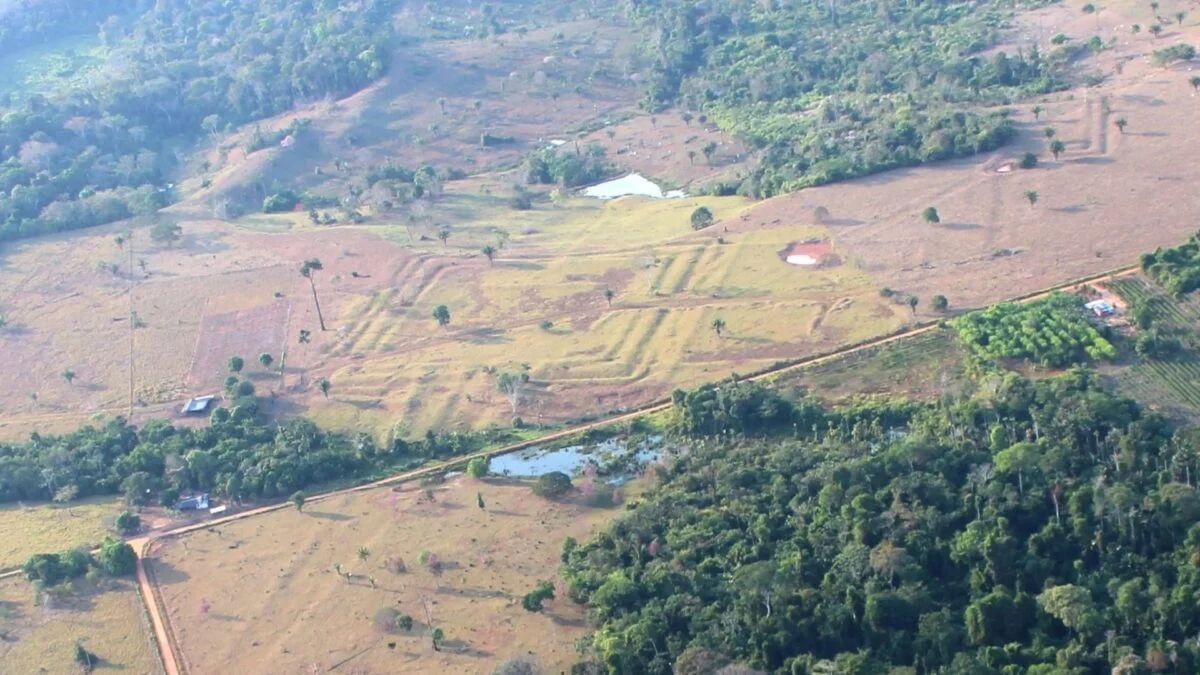
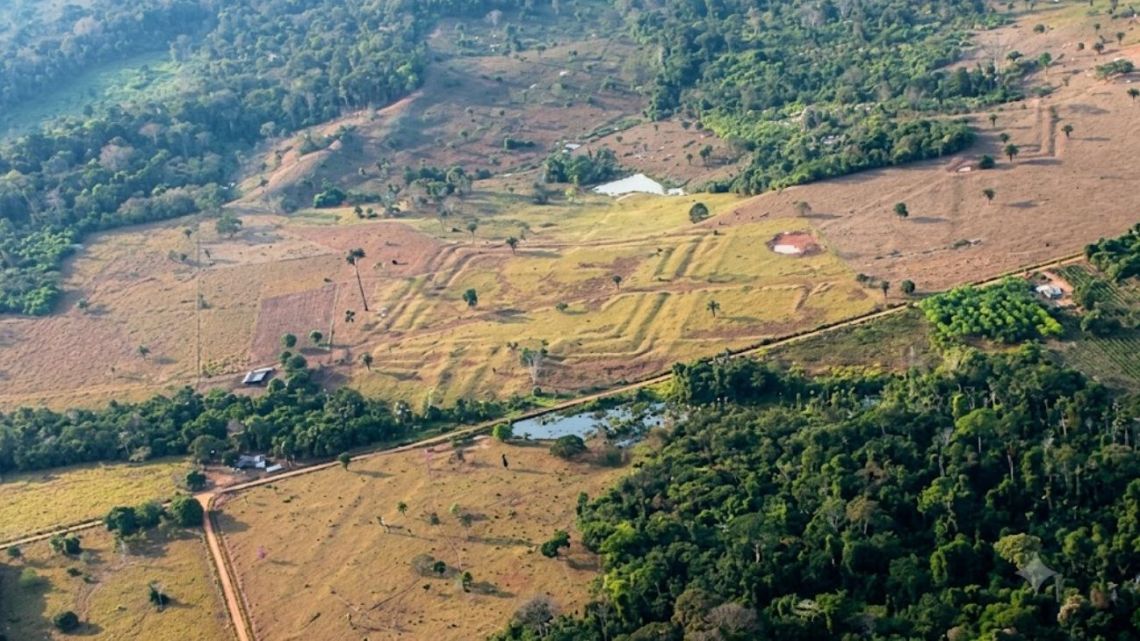
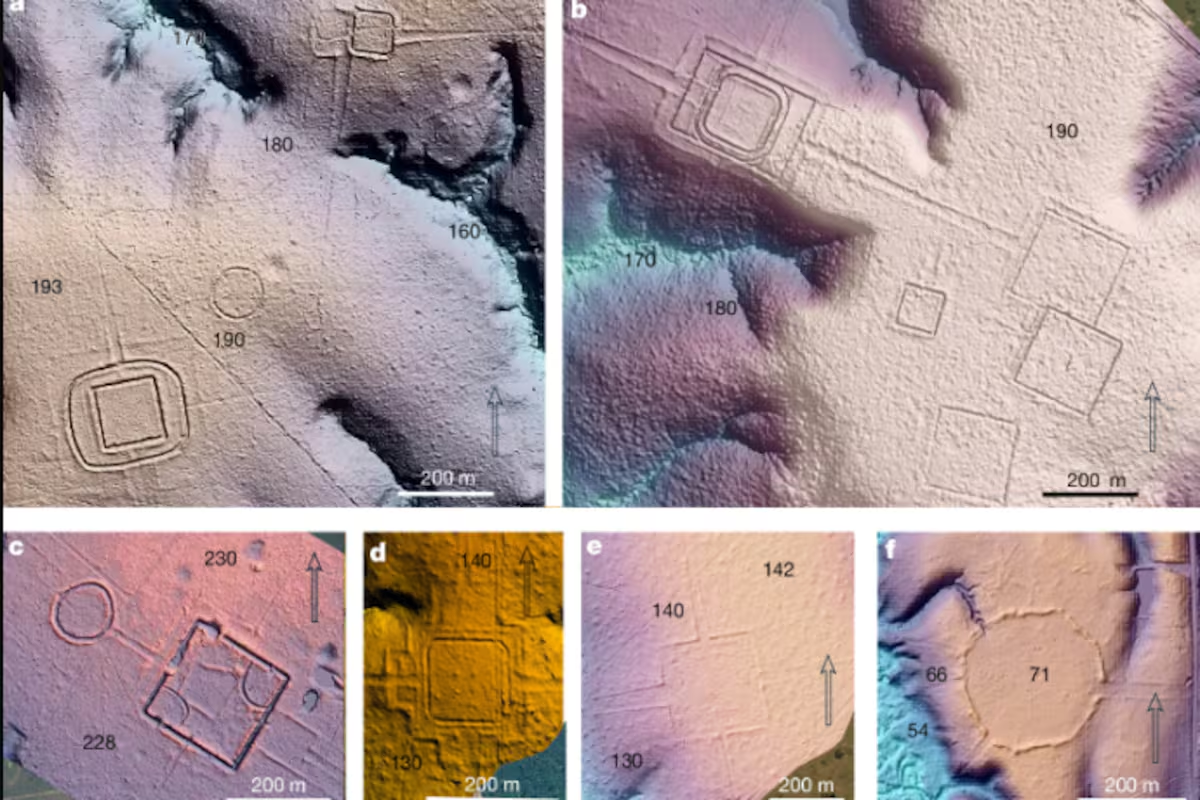
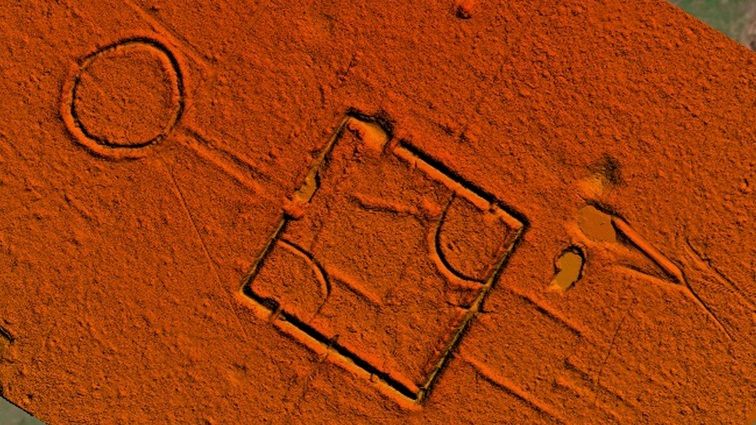
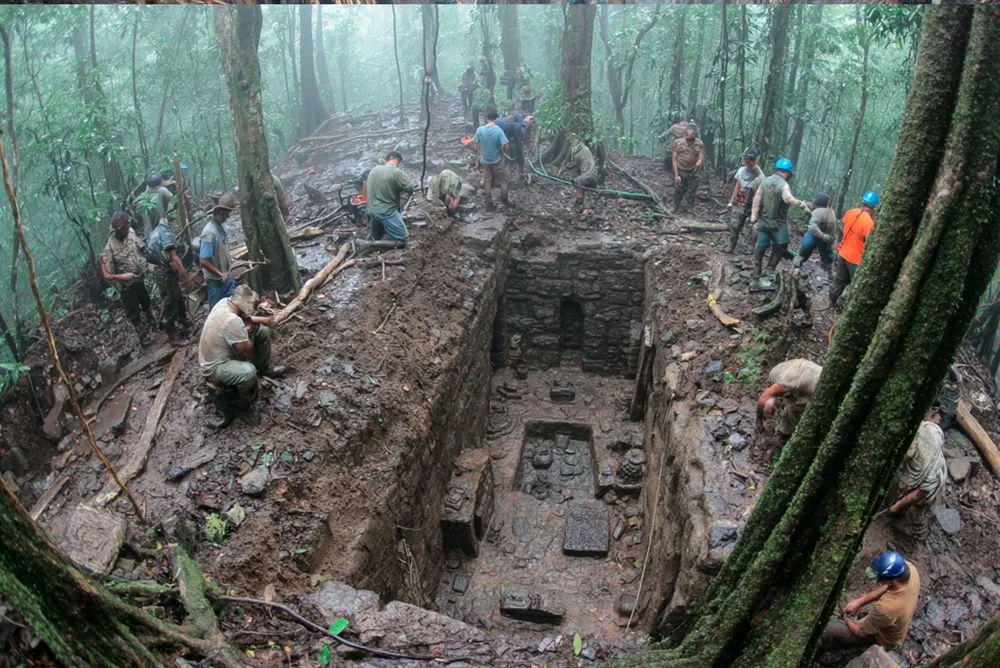
For over a century, the Amazon rainforest was the world's largest natural artifact: an untouched Eden, where indigenous people lived in perfect harmony, invisible to the urbanized imagination. That romantic picture collapsed this year when researchers published lidar-based data suggesting that, before European contact, the Amazon supported an estimated 3 million people — but only within a remarkably concentrated 3% of the forest area. The rest of the rainforest was not empty; it was a carefully managed garden. This isn't just a history lesson. It's a technology success story, a conservation wake-up call, and a challenge to the way we separate humanity from nature.
The LiDAR Revolution
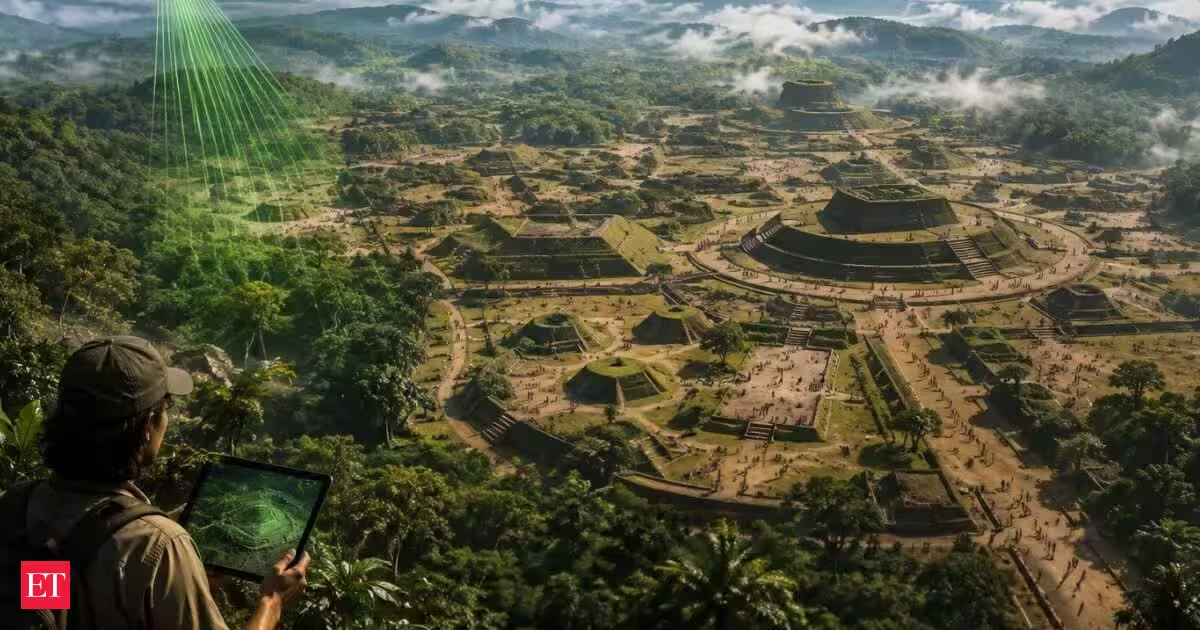
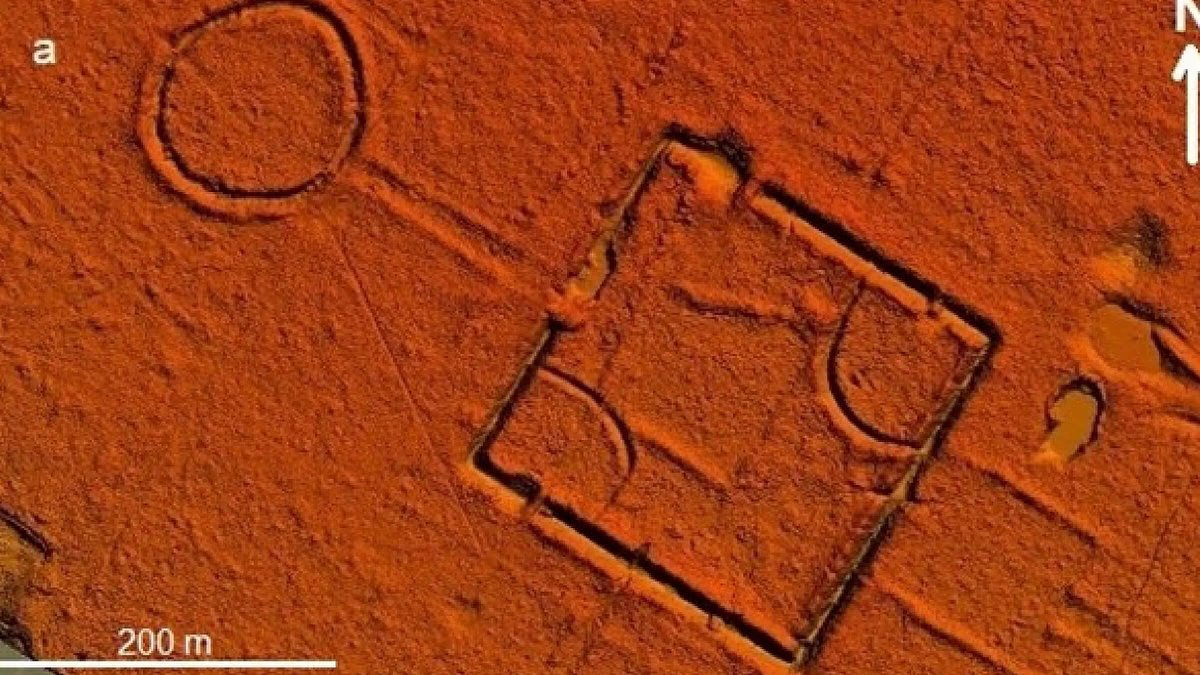
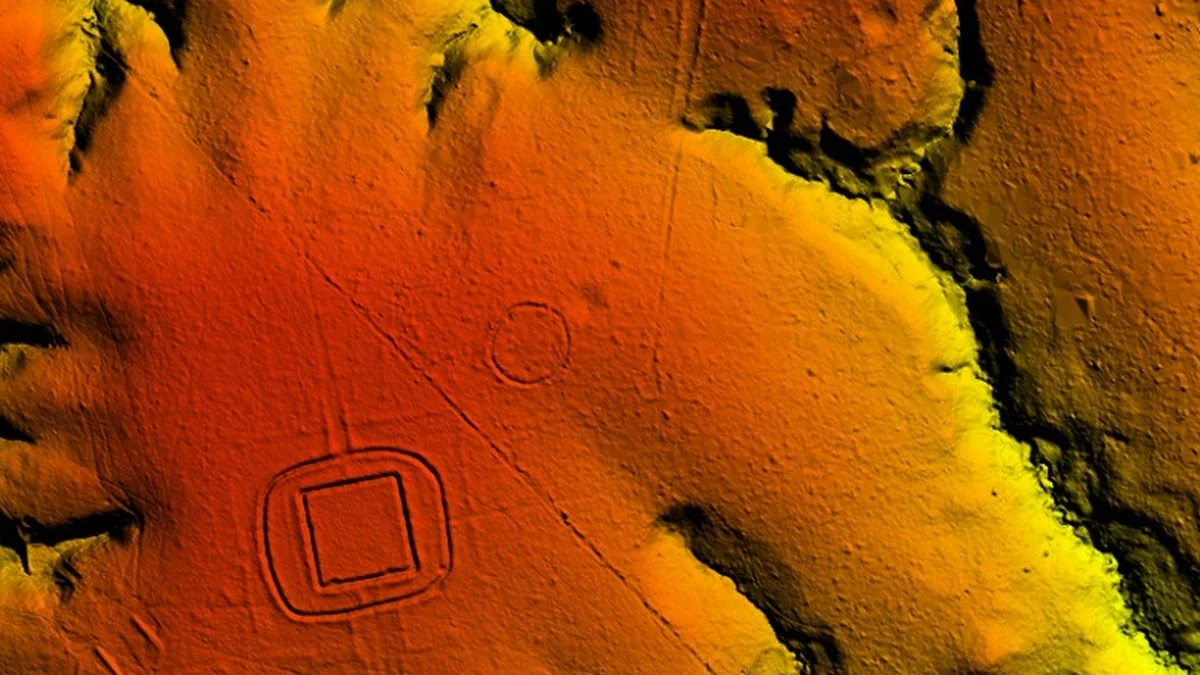
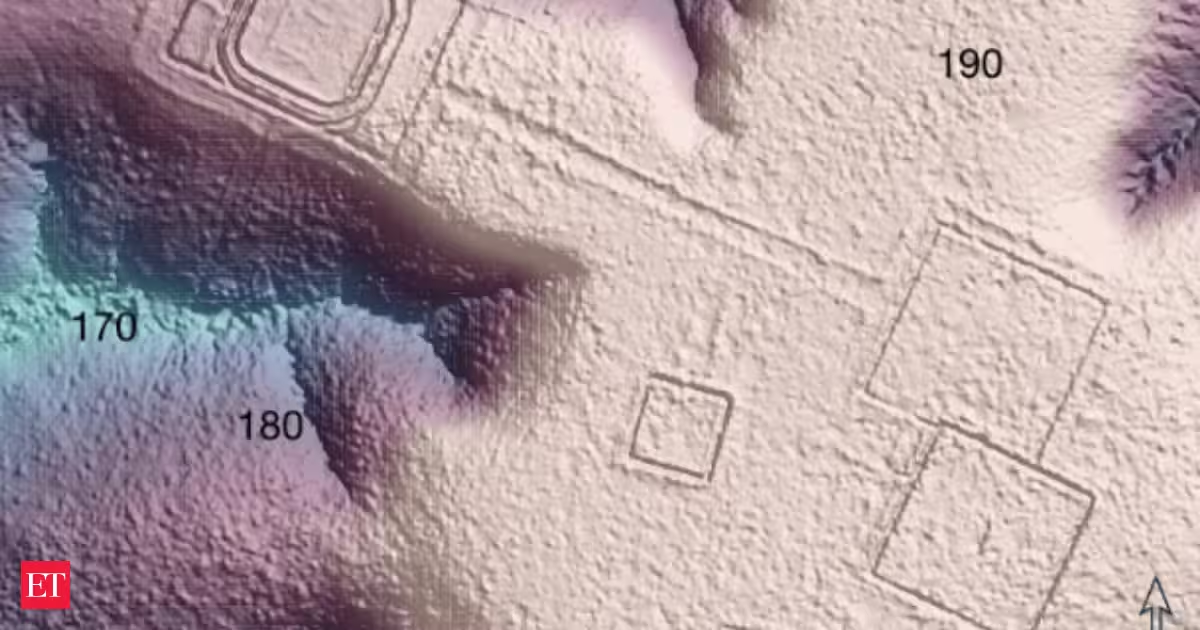
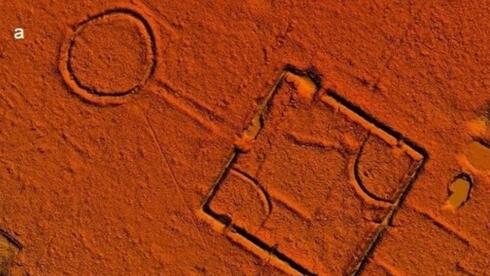
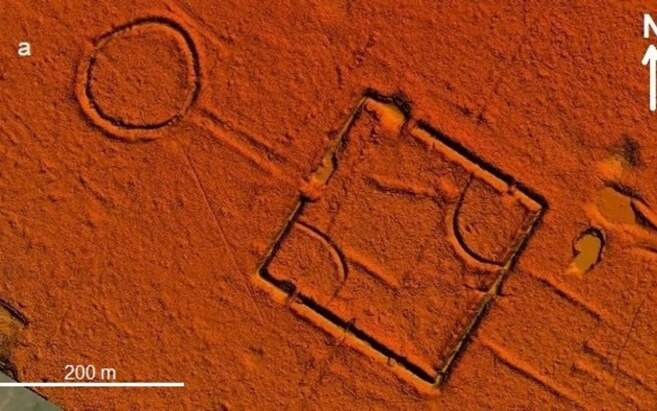
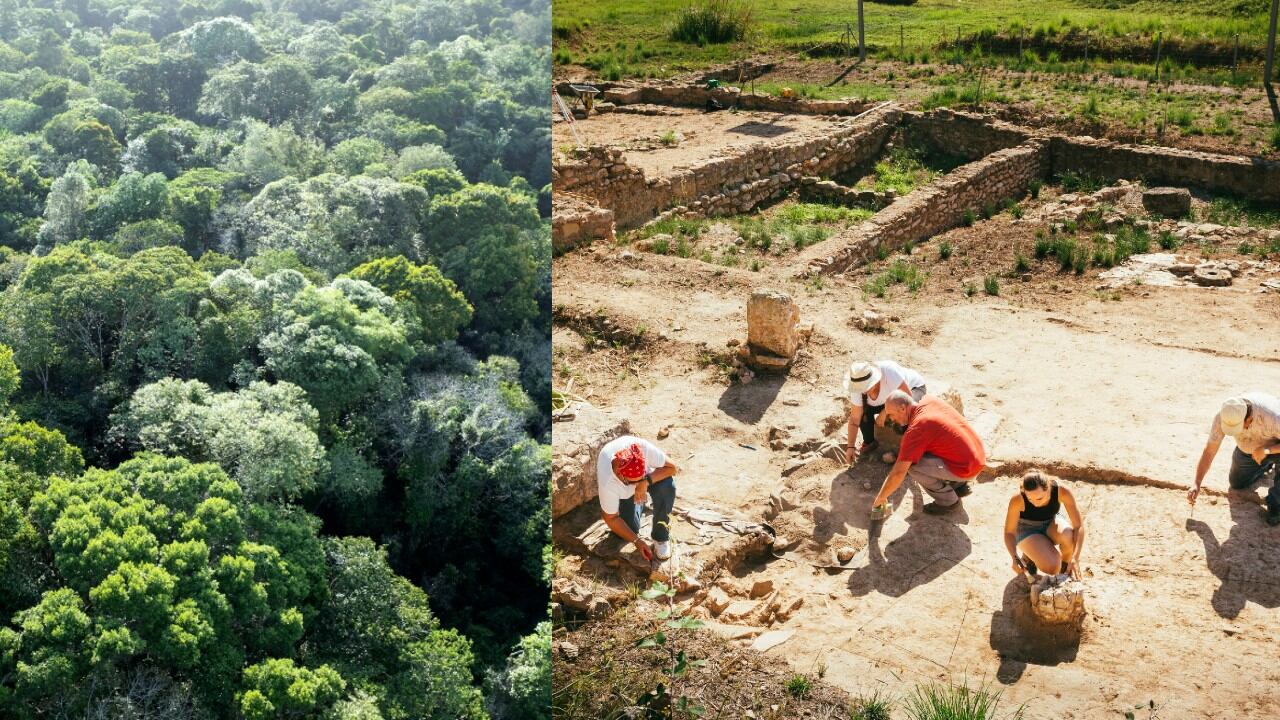
LiDAR (Light Detection and Ranging) is the name of the game. A powerful laser scanner mounted on an aircraft shoots rapid light pulses toward the forest canopy. Some pulses bounce off leaves; others slip through and strike the ground. By measuring the return time of each pulse, researchers can build a 3D point cloud of the terrain. Then, using sophisticated filtering algorithms, they strip away vegetation and render a bare-earth digital elevation model. It's like turning on X-ray vision for the jungle.