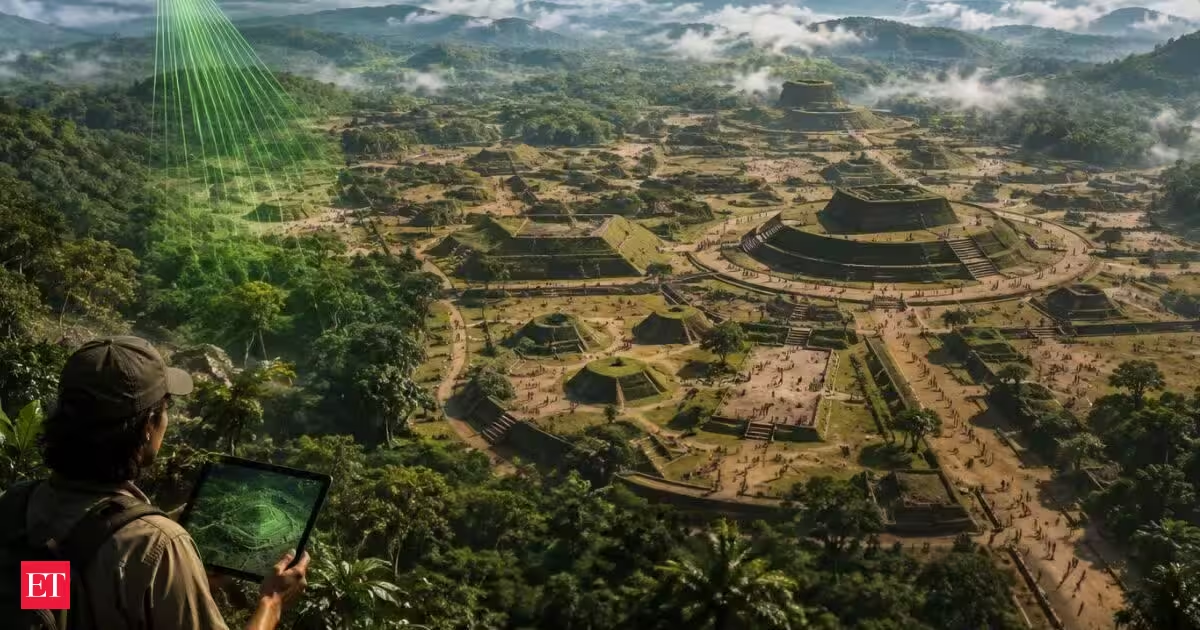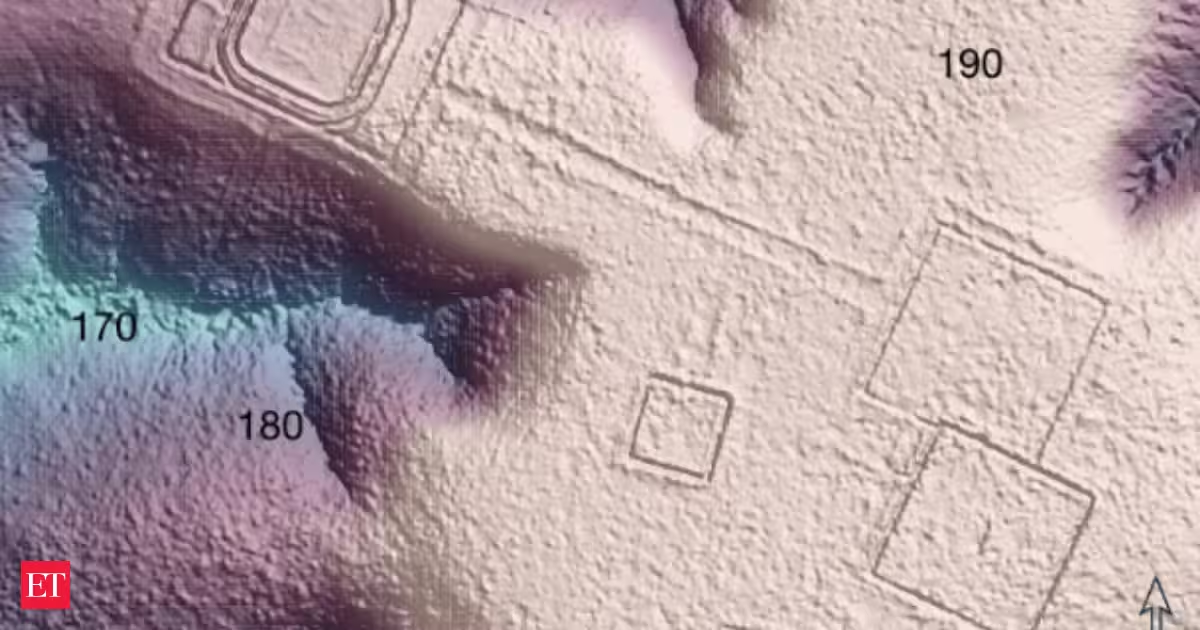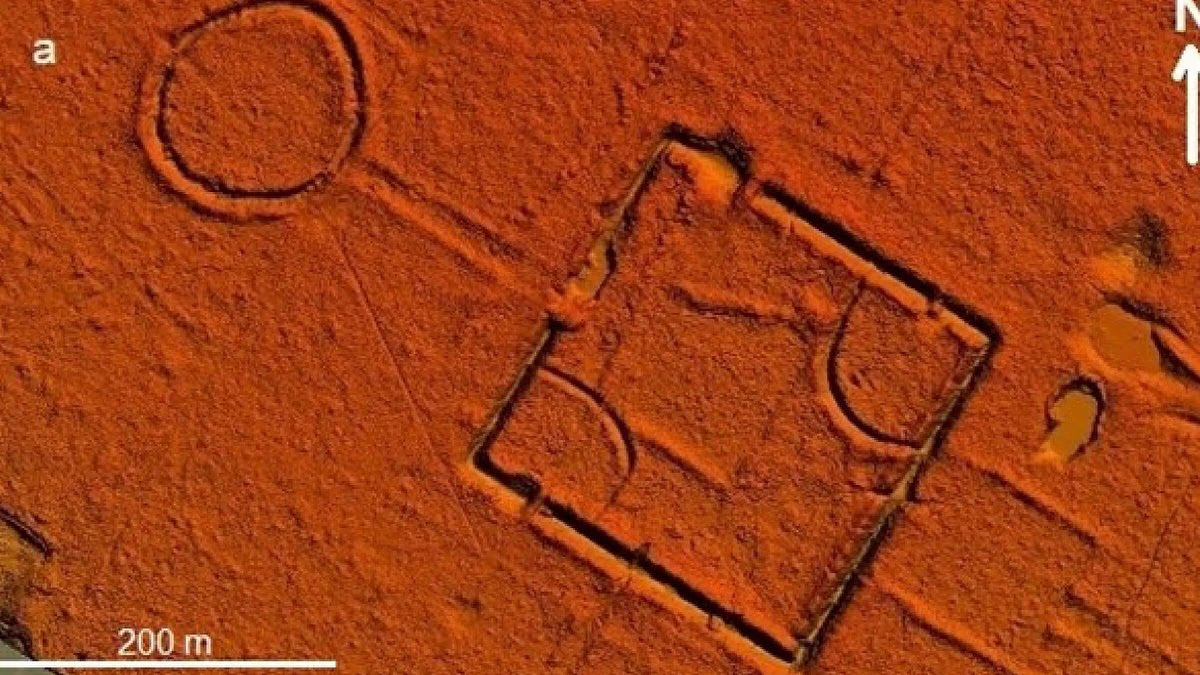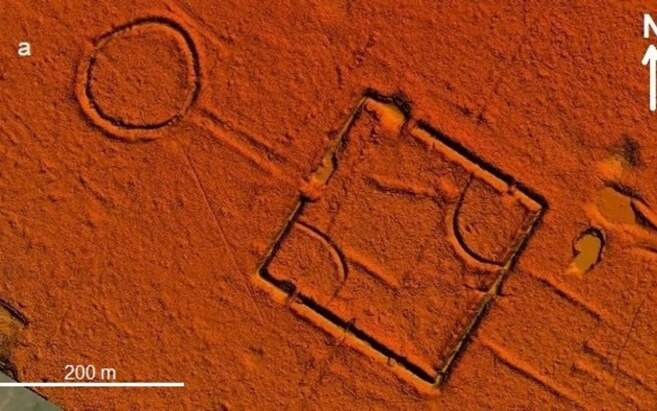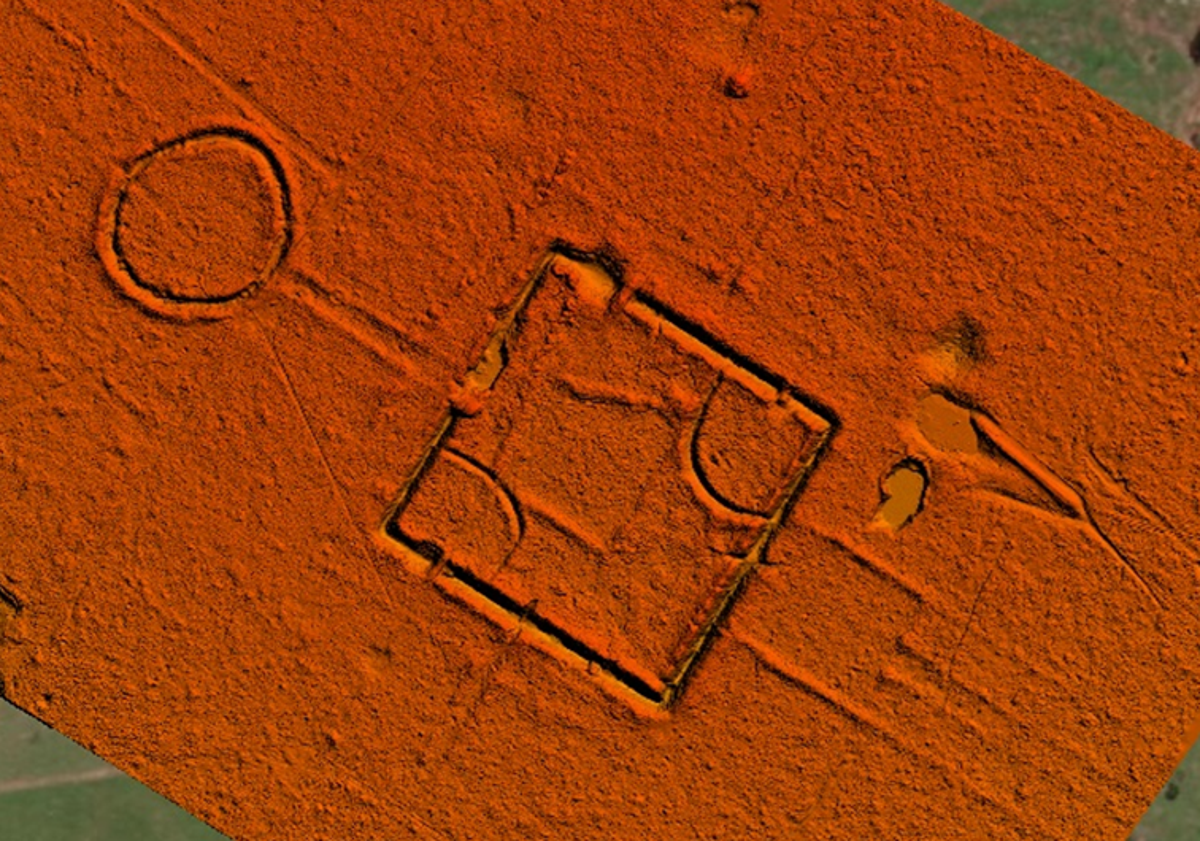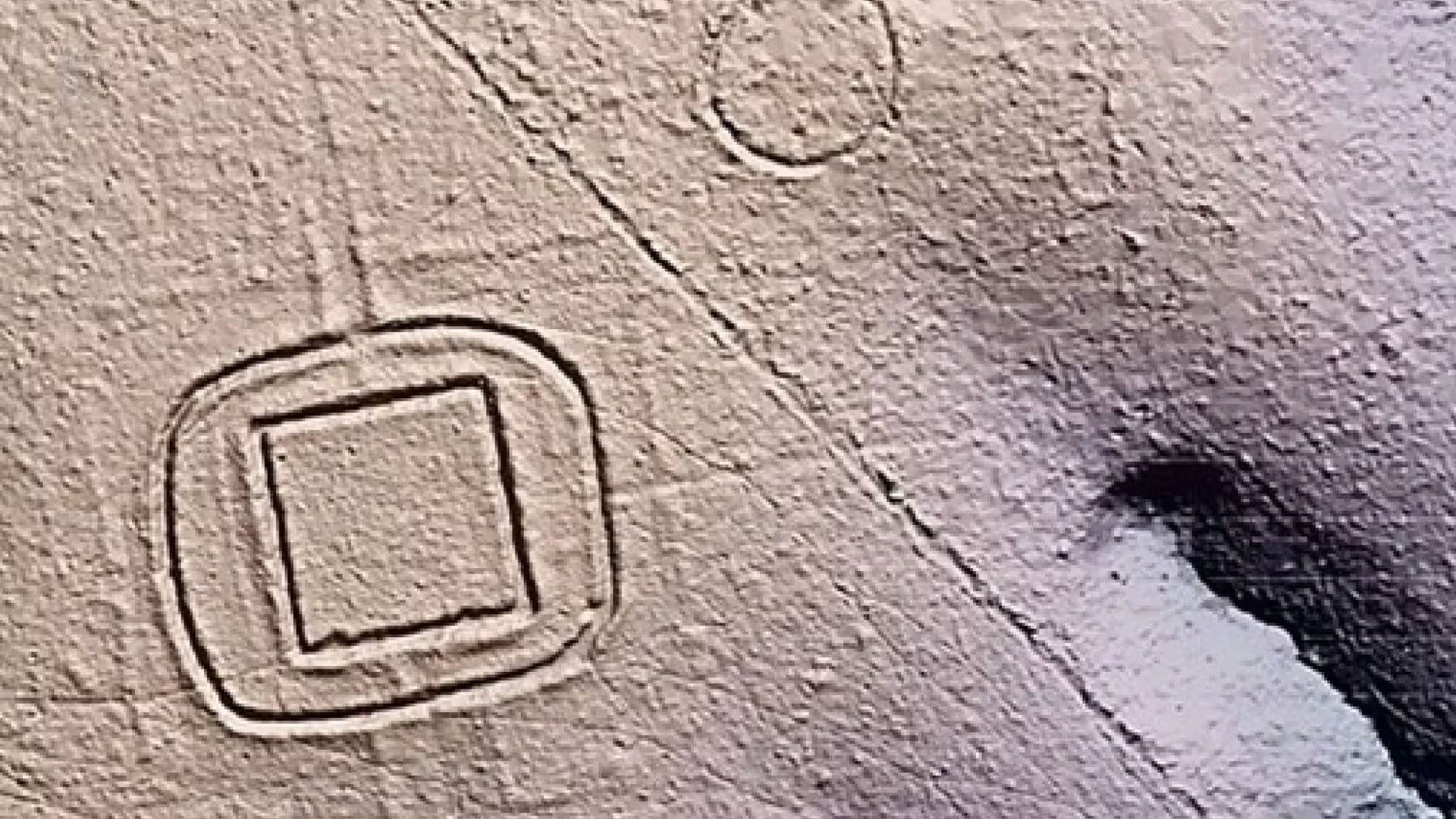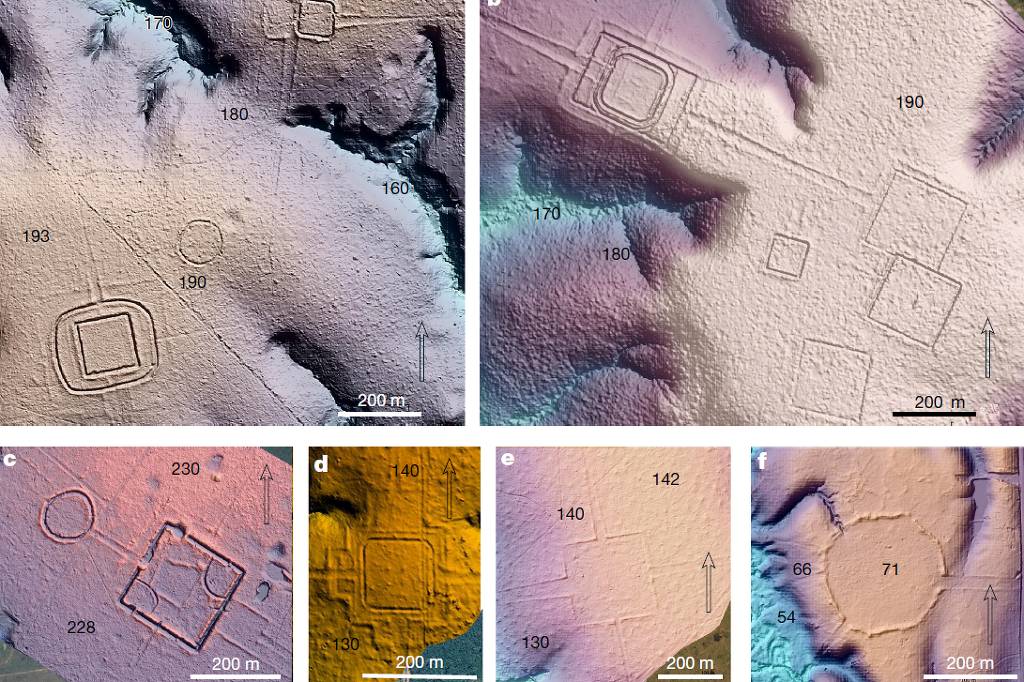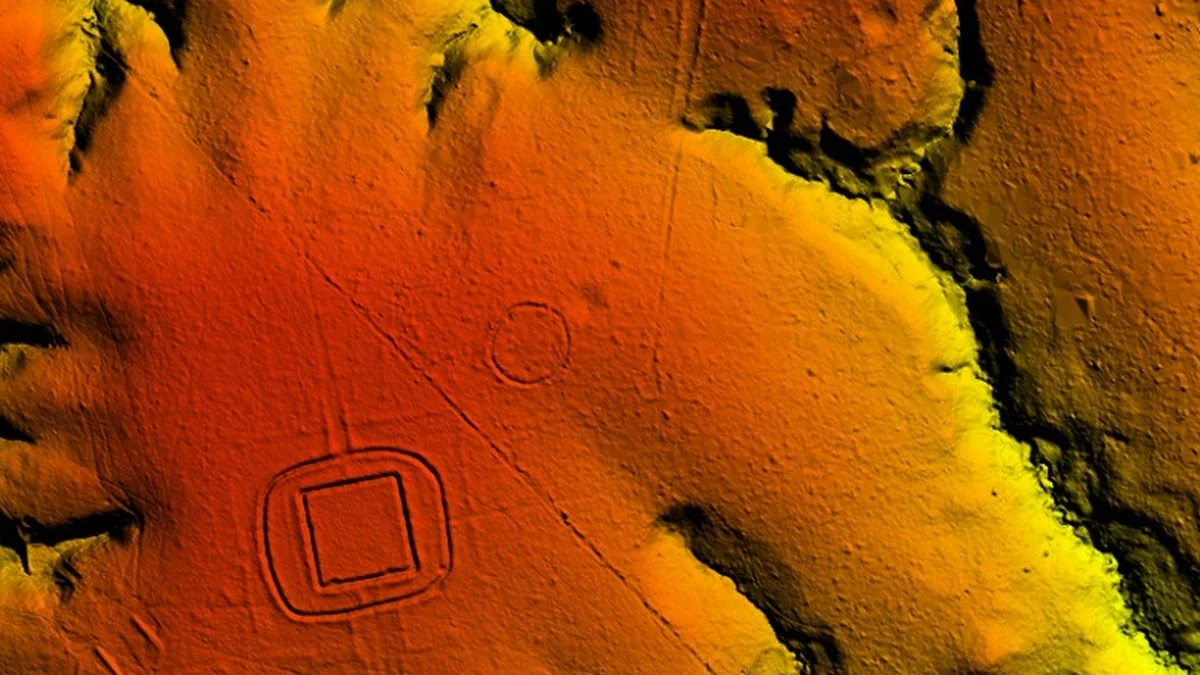
LIDAR image of the Aquiry geoglyph site at Piloto. (© Martti Pärssinen and Fabio de Novaes, supplied)
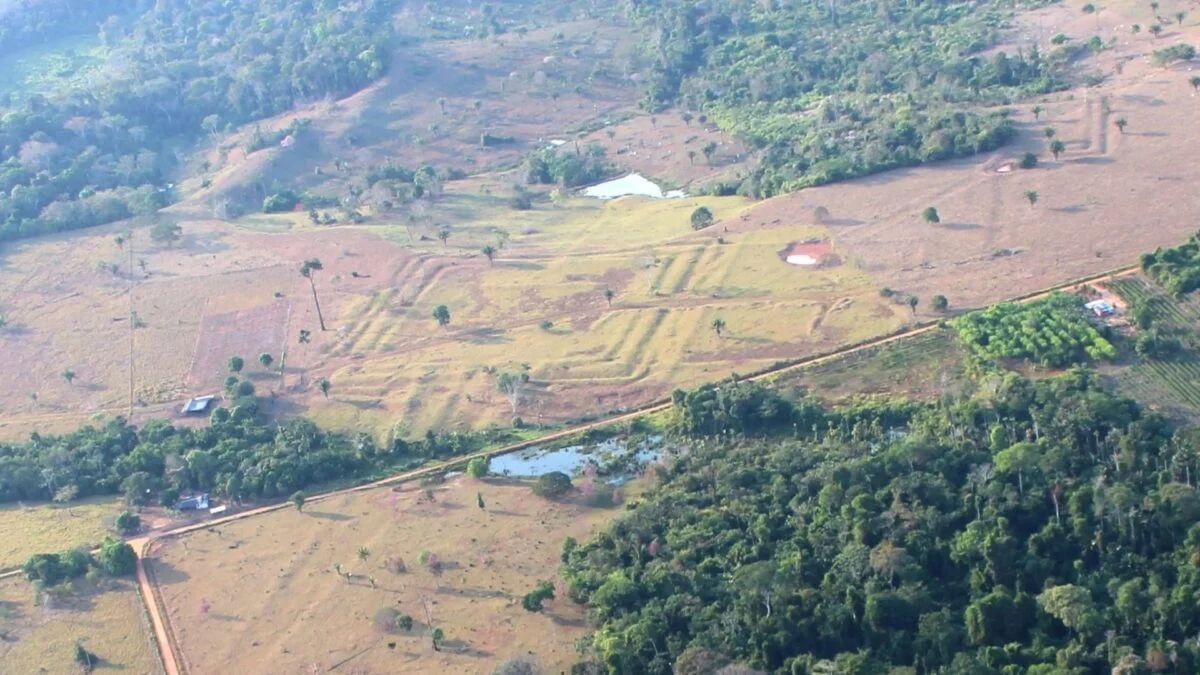
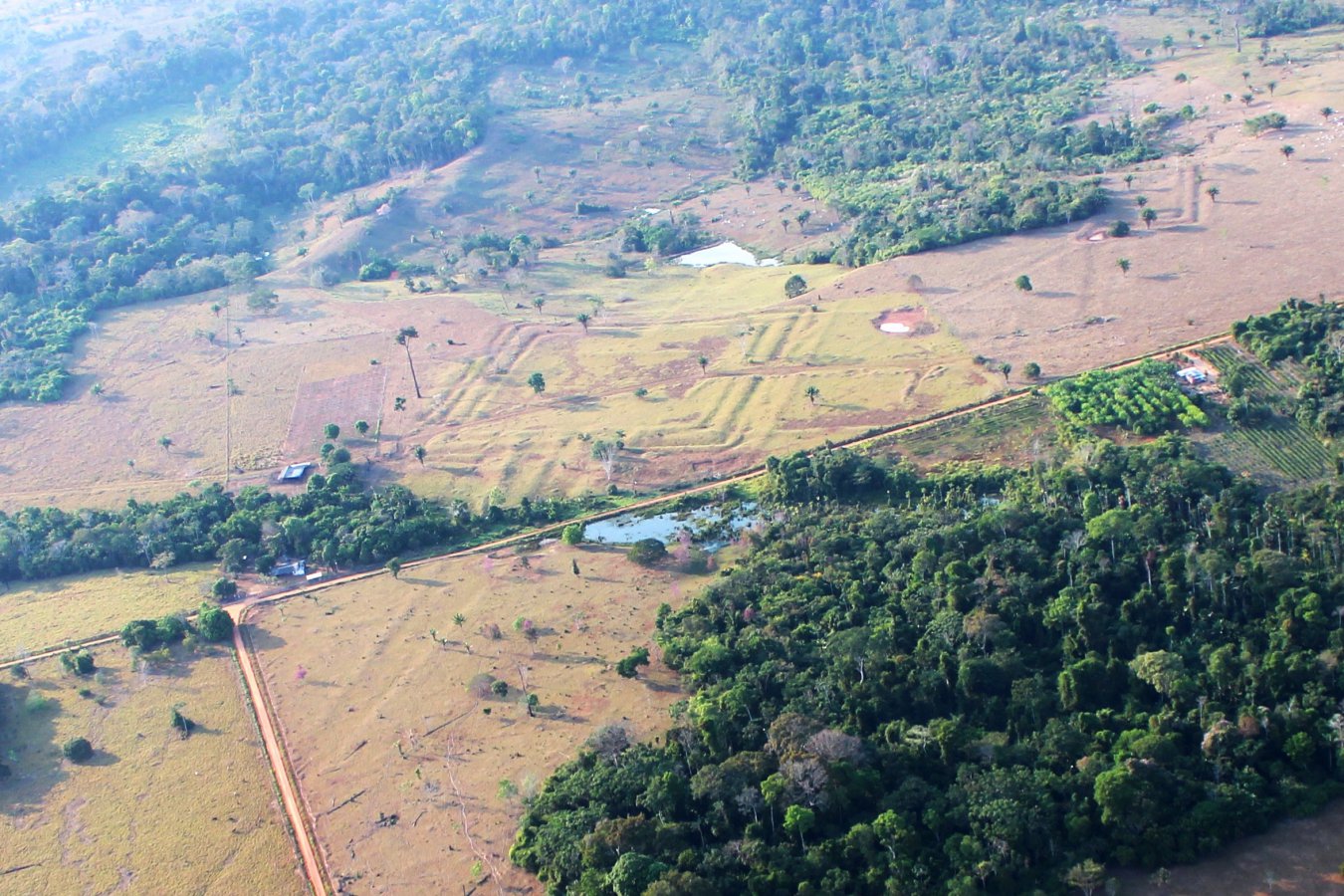
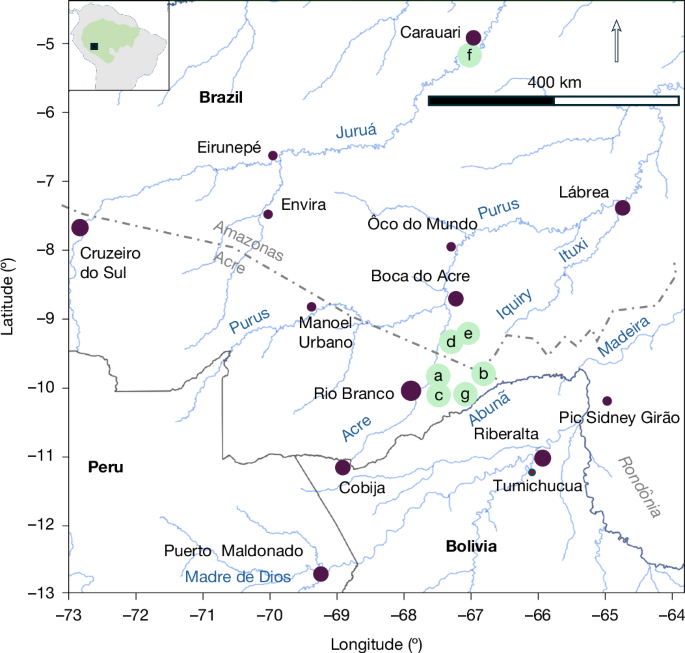
Today, the Amazon rainforest is revered as one of Earth's most immaculate wildernesses.Nearly 2,000 years ago, it looked very different.Between around 600 BCE and 850 CE, a civilization known as the Aquiry transformed swaths of southwestern Amazonia, carving enigmatic geometric earthworks into the landscape.Now, a new LIDAR survey suggests that civilization was even larger than archaeologists imagined, hinting at a people that built as many as 30,000 earthworks and had a peak population of up to 3 million people around 200 CE.For archaeo-anthropologist Martti Pärssinen of the University of Helsinki, the realization was transformative."I first experienced such a moment in 2002, when I flew with Alceu Ranzi and Sanna Saunaluoma over the monumental geometric earthworks and observed ancient roads connecting the sites in the state of Acre, Brazil, a region that had long been regarded as pristine rainforest," Pärssinen told ScienceAlert."It completely transformed my understanding and made me realize how mistaken earlier assumptions had been. "More recently, I felt something similar when I came to understand that there may actually be up to ten times more of these earthworks in the region than I had previously imagined."Aerial photo of earthworks at the Tequinho site in Acre, Brazil. The Aquiry culture is named for the word Indigenous peoples used for the Acre River, which flows from Peru and Bolivia to Acre, passing through the heart of the ancient civilization. (Martti Pärssinen, supplied)The Aquiry civilization wasn't a single kingdom or empire, but a diverse network of communities connected by shared traditions.We don't know much about them – they left no written records, and their dwellings are long gone. What we do have are their monumental earthworks: geometric spaces delineated by ditches that could be meters deep, linked together by straight roads, where people may have gathered for ceremonies and political events.Today, the geometric earthworks and the ecological legacy of their land management are among the few visible traces the Aquiry left behind.