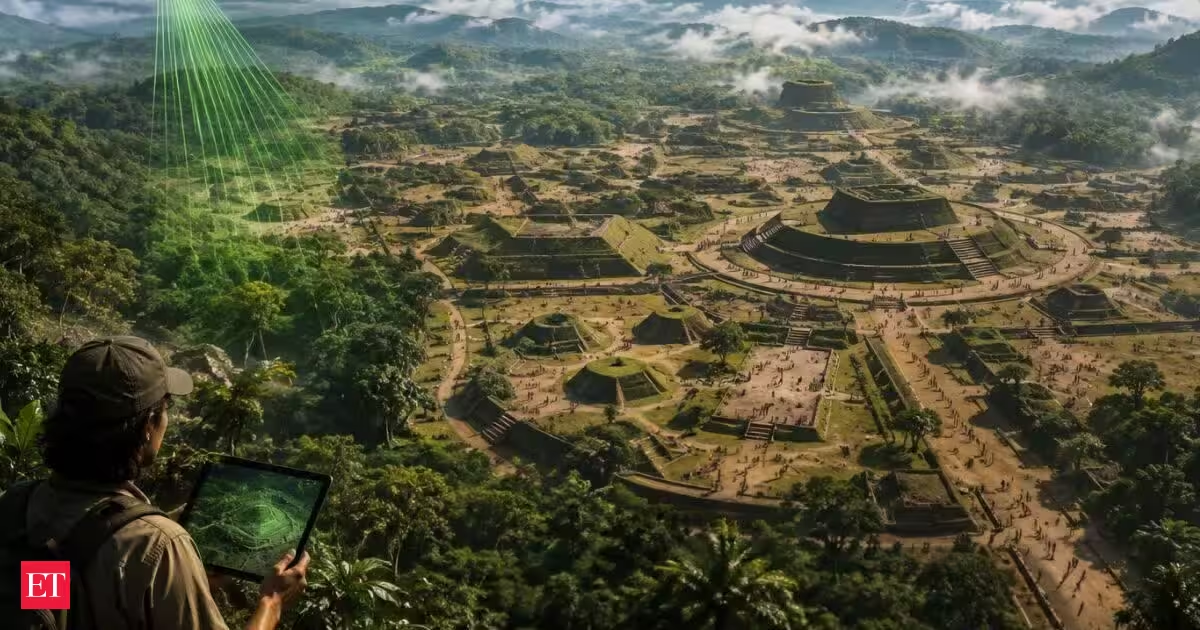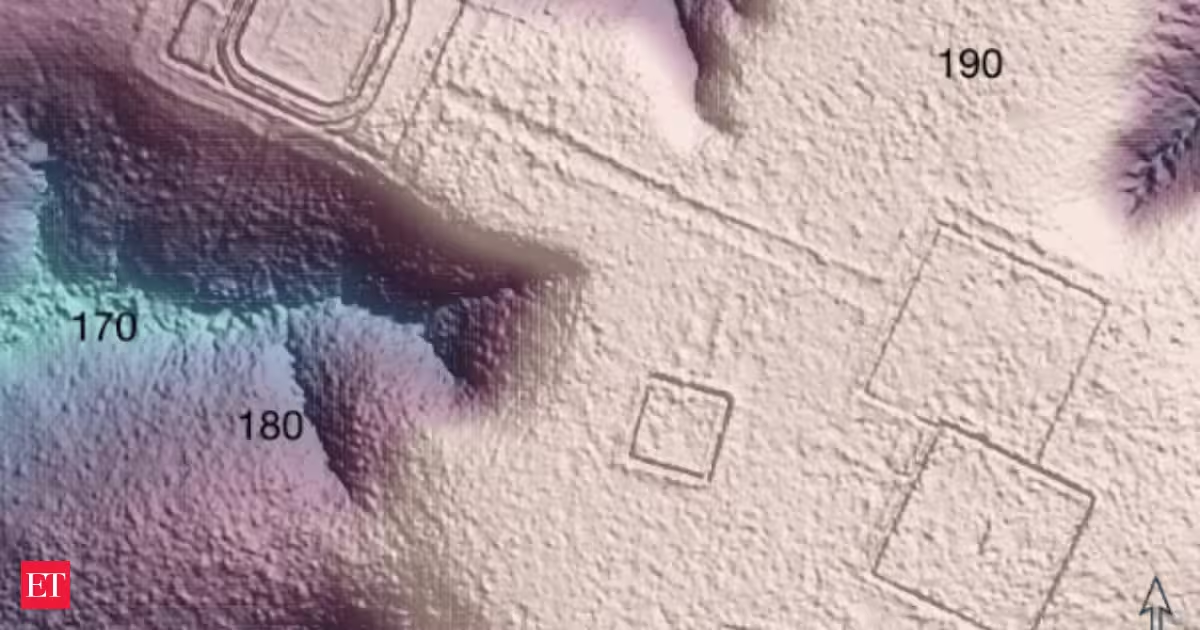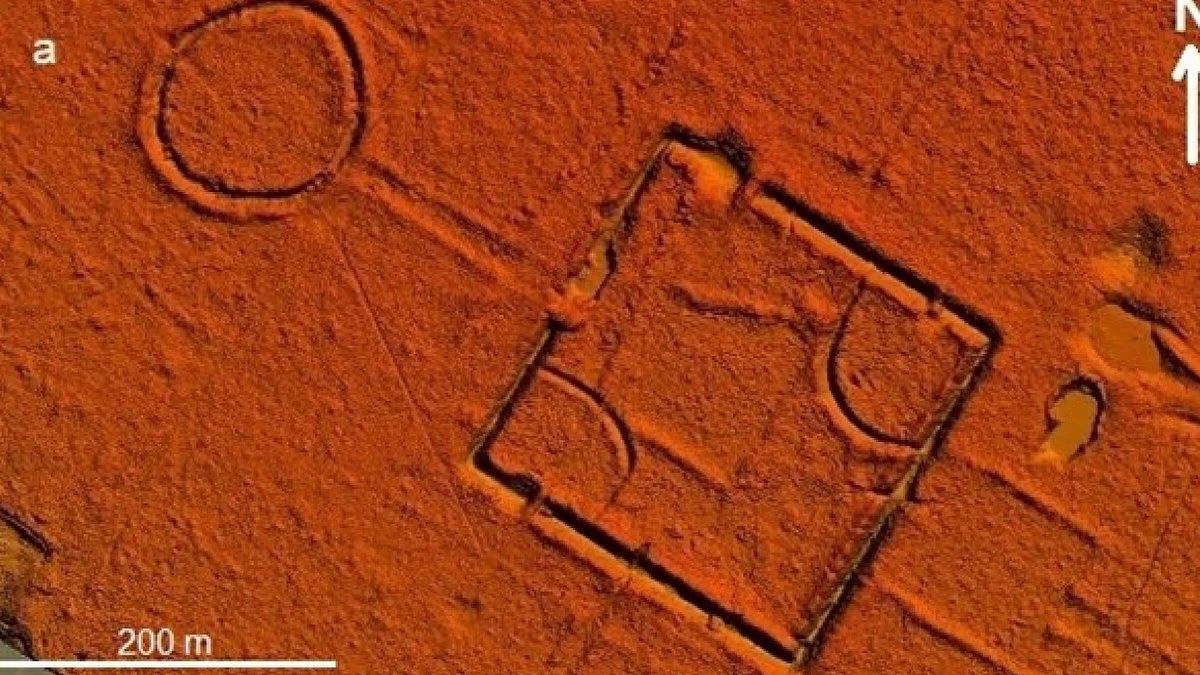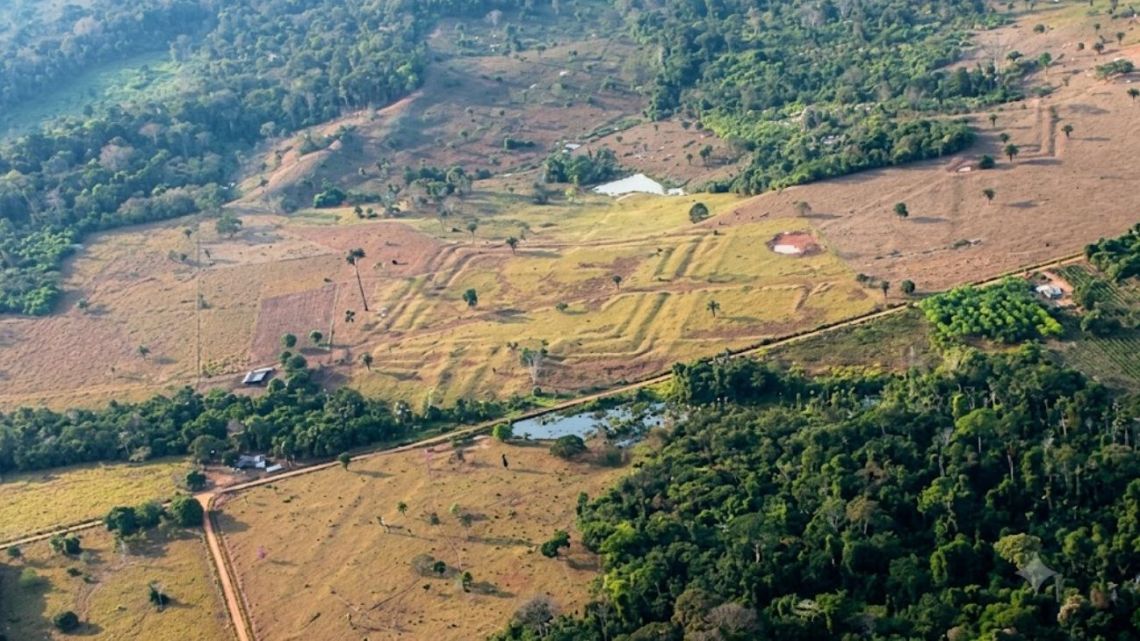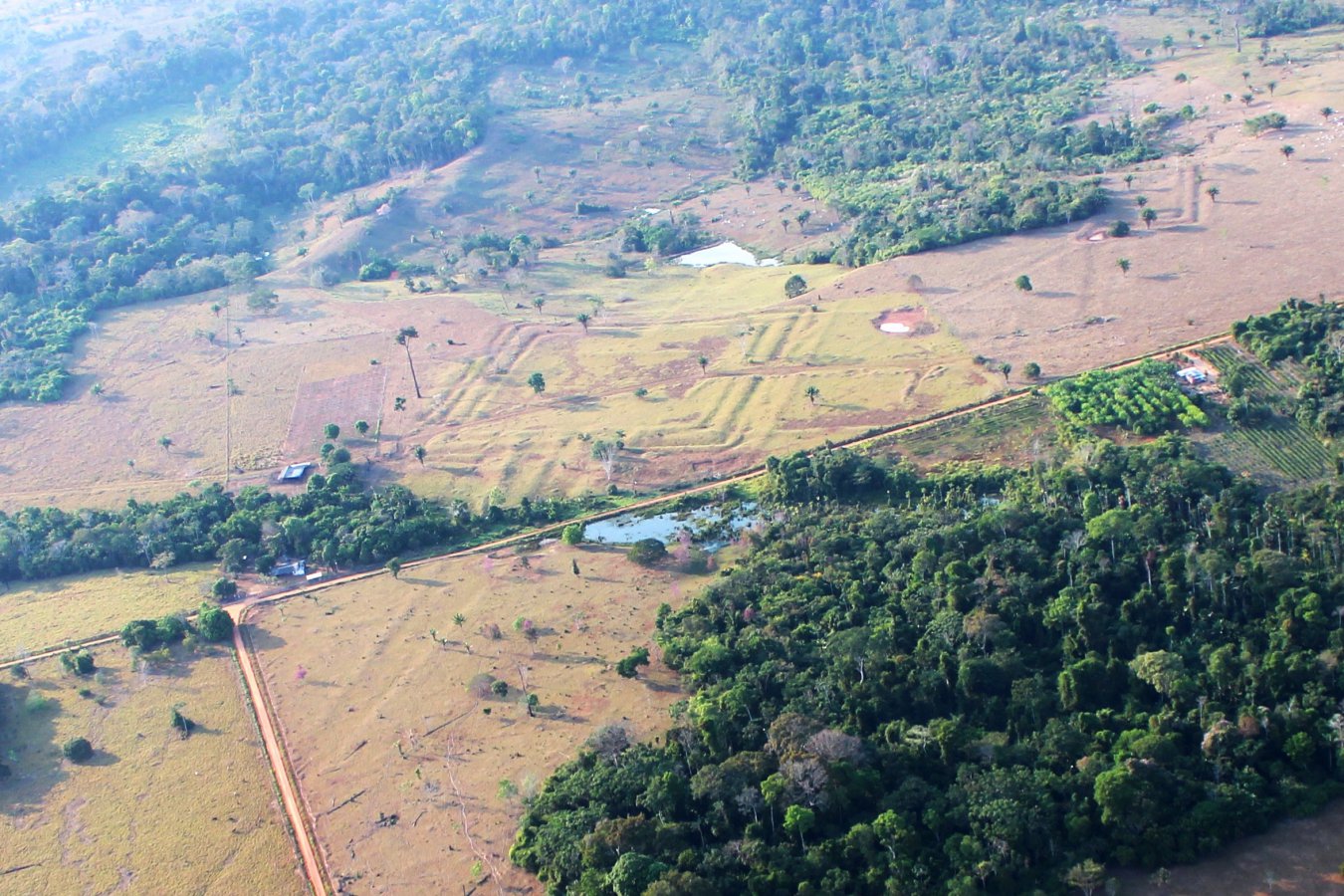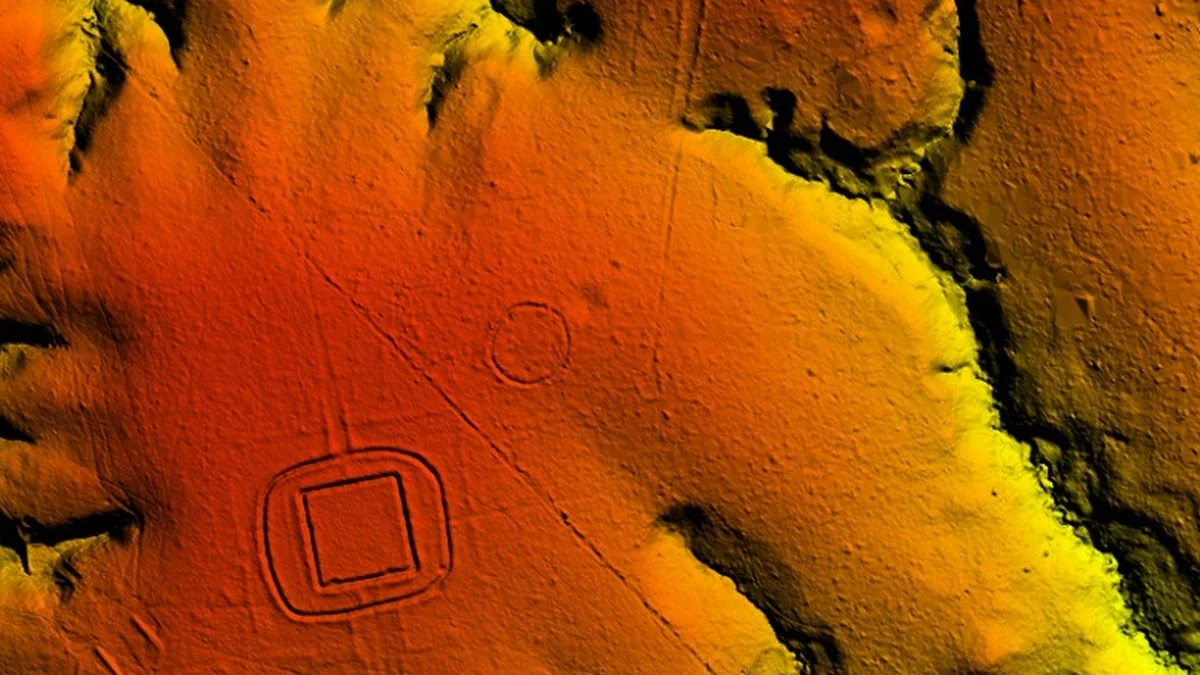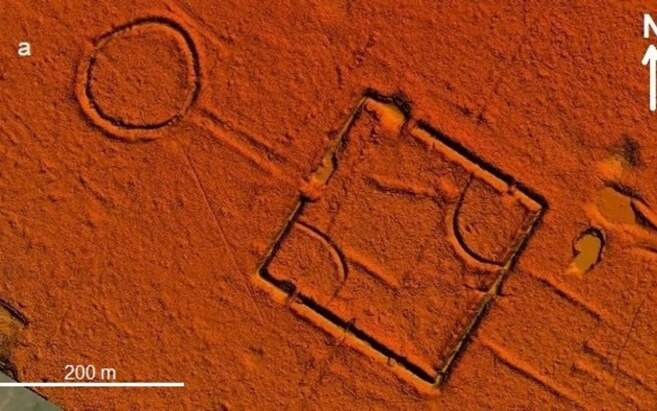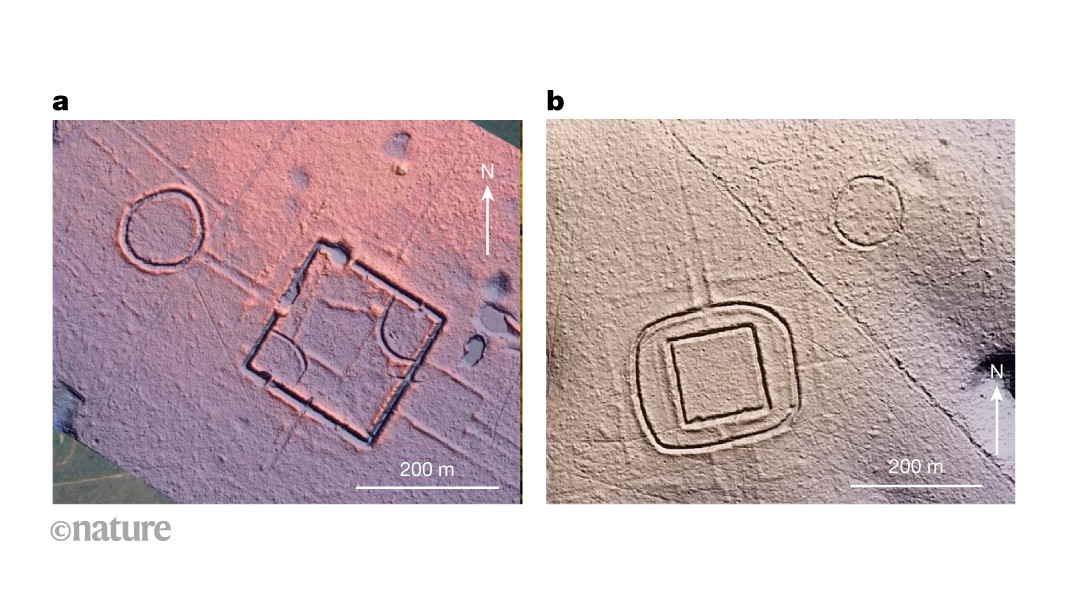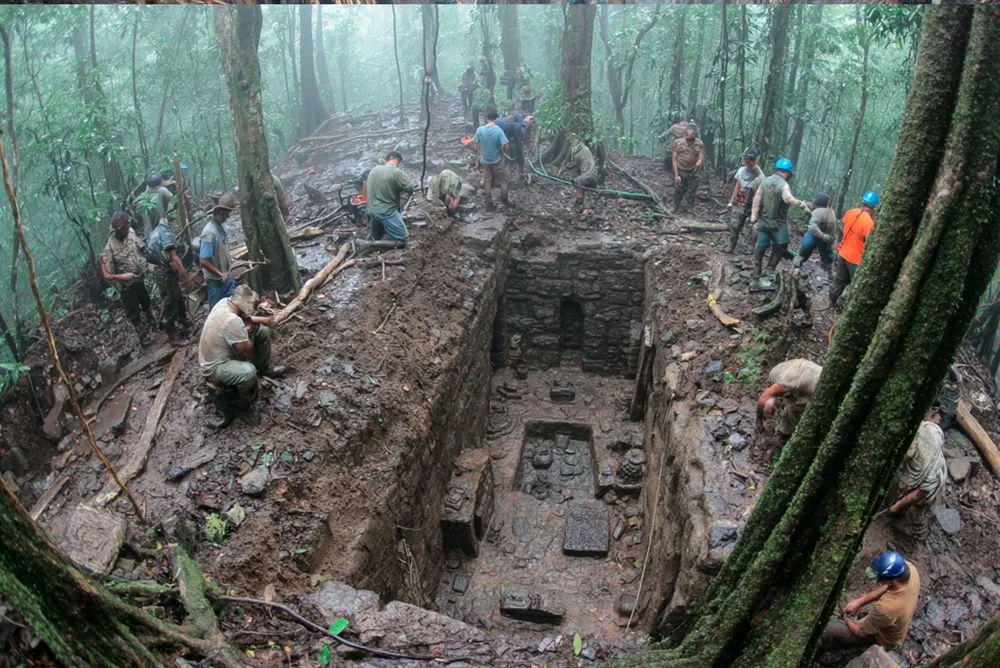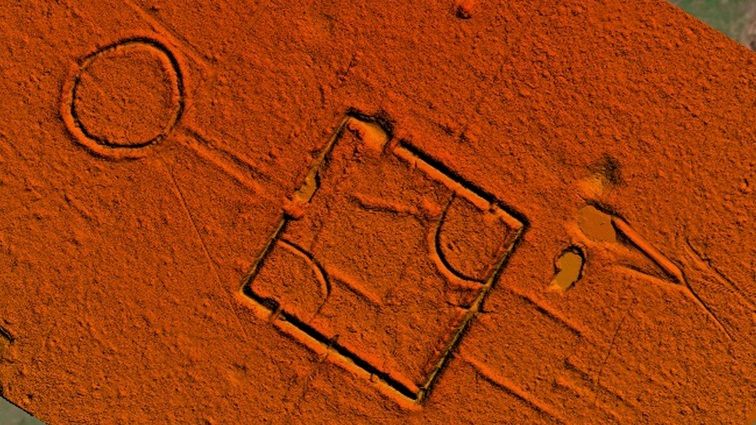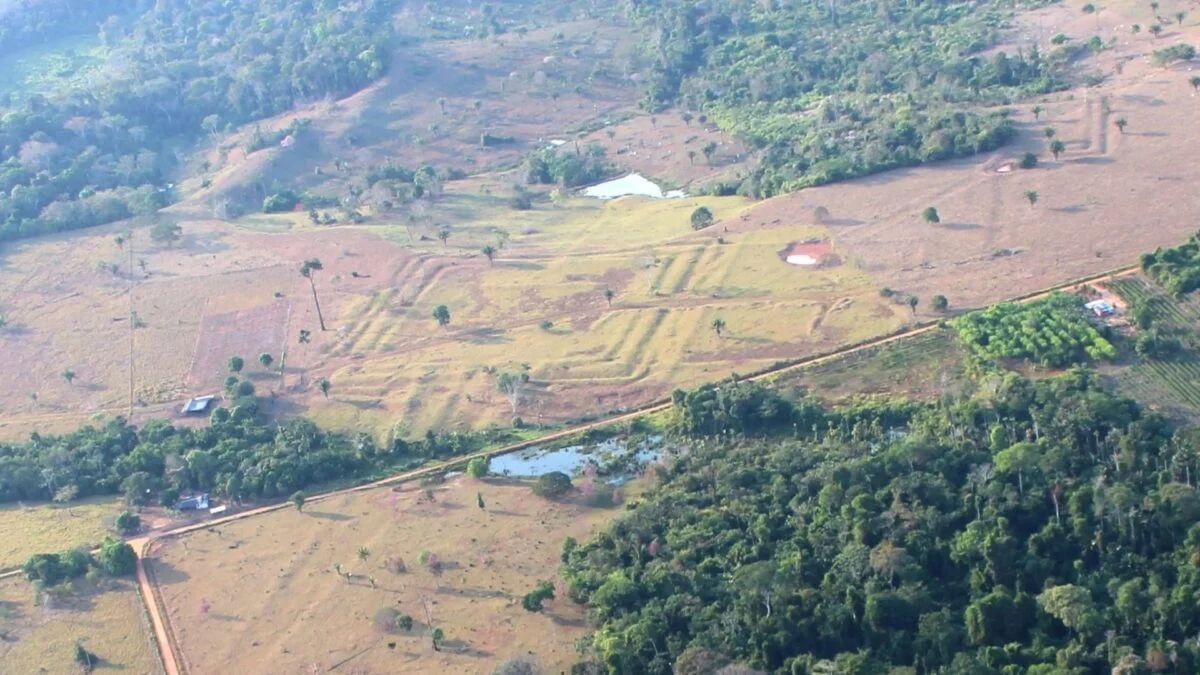
The scientific consensus up until just two decades ago was that there was no evidence any human civilization had ever occupied the Amazon before Spanish and Portuguese conquistadors forever altered life and politics across the South American continent. But now new airborne laser scans surveying over 1,737 square miles (about 4,500 square kilometers) of western Brazil’s rainforest have completely rewritten human history in the pre-Columbian Amazon. Researchers led by archaeologist Martti Pärssinen at the University of Helsinki in Finland have uncovered more than 400 well-preserved earthwork monuments, ceremonial sites, and roads hidden beneath the dense overgrowth of the Brazilian rainforest. Incredibly, the researchers extrapolate the approximately 400 confirmed sites to an estimated 20,000 to 30,000 earthwworks across the region. Pärssinen and his colleagues believe these structures are evidence of an interconnected, multicultural civilization that thrived deep within the Amazon between 600 BCE and 850 CE—a population of millions who dramatically altered the rainforest’s ecosystem. They call them the Aquiry, after the indigenous Iñapari name for the Acre River, an Amazon River tributary that runs alongside this group’s hundreds of once-lost ancient sites.
Scientists Find Evidence of Lost Amazonian Civilization That May Have Been Home to Millions
New airborne laser scans surveying the Amazon have found ancient human structures rewriting the history of this allegedly pristine wilderness.
787 words~4 min read