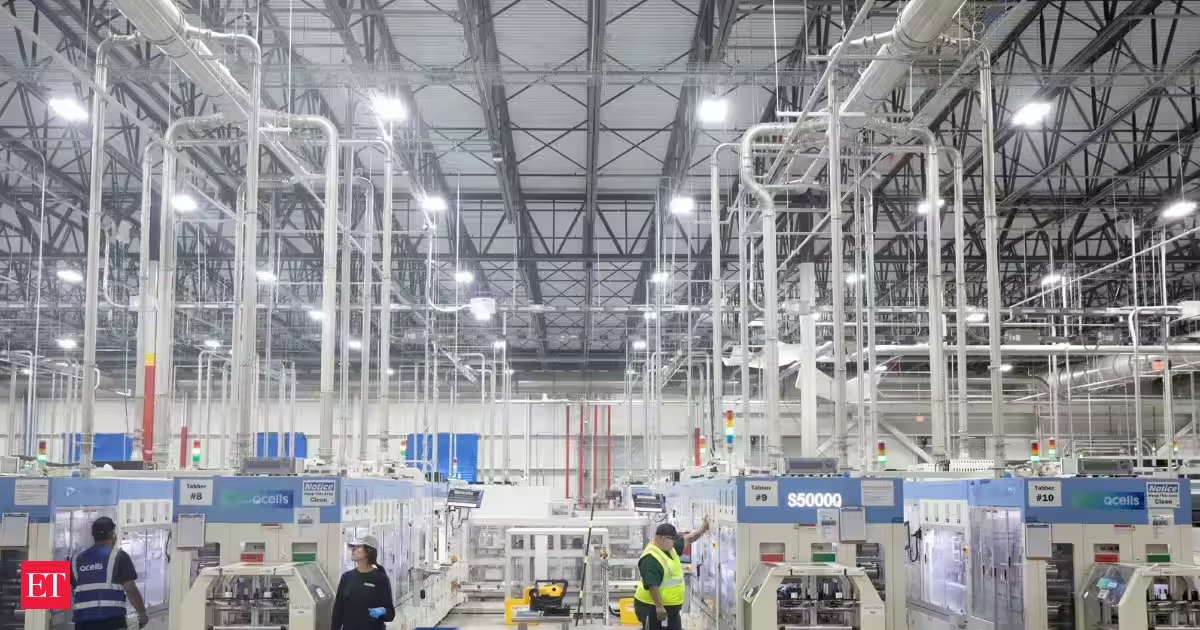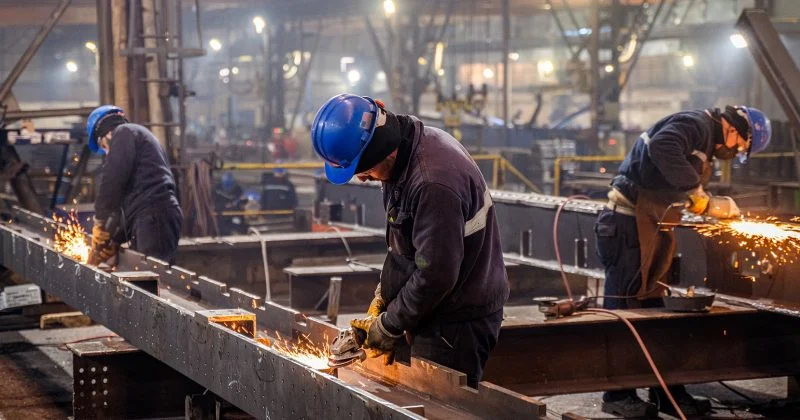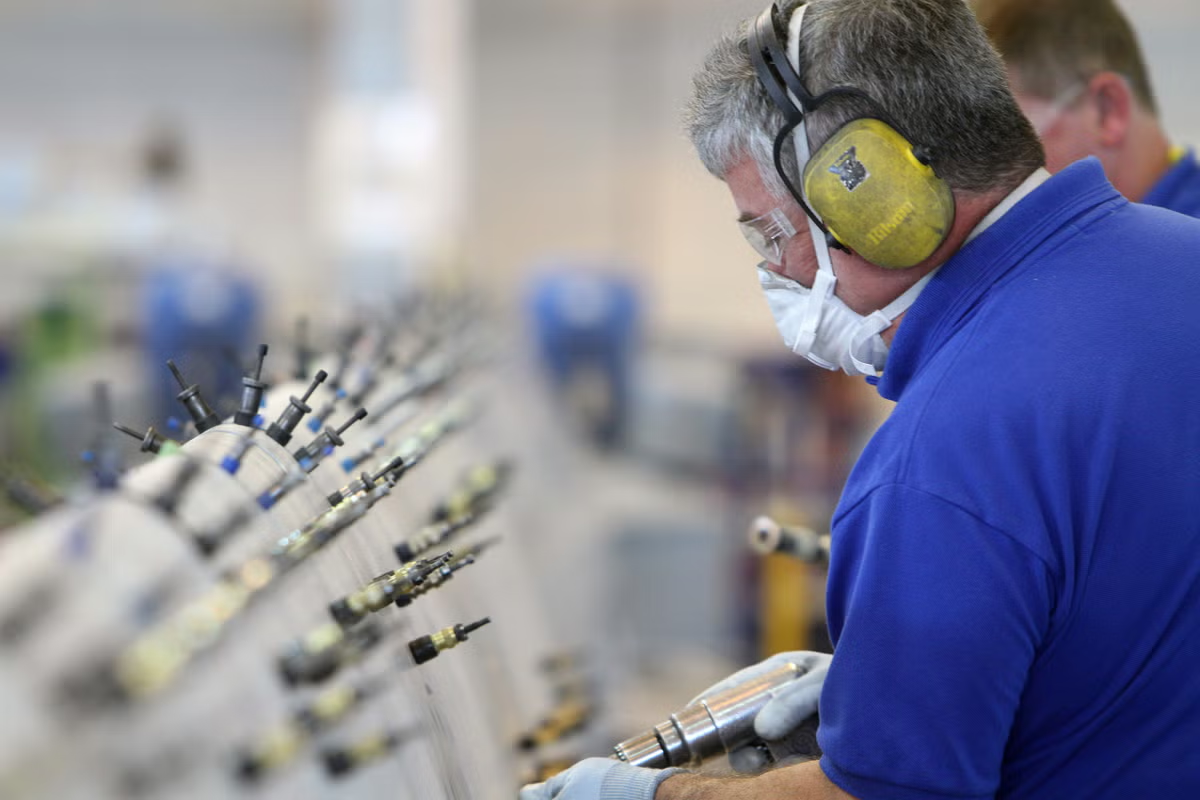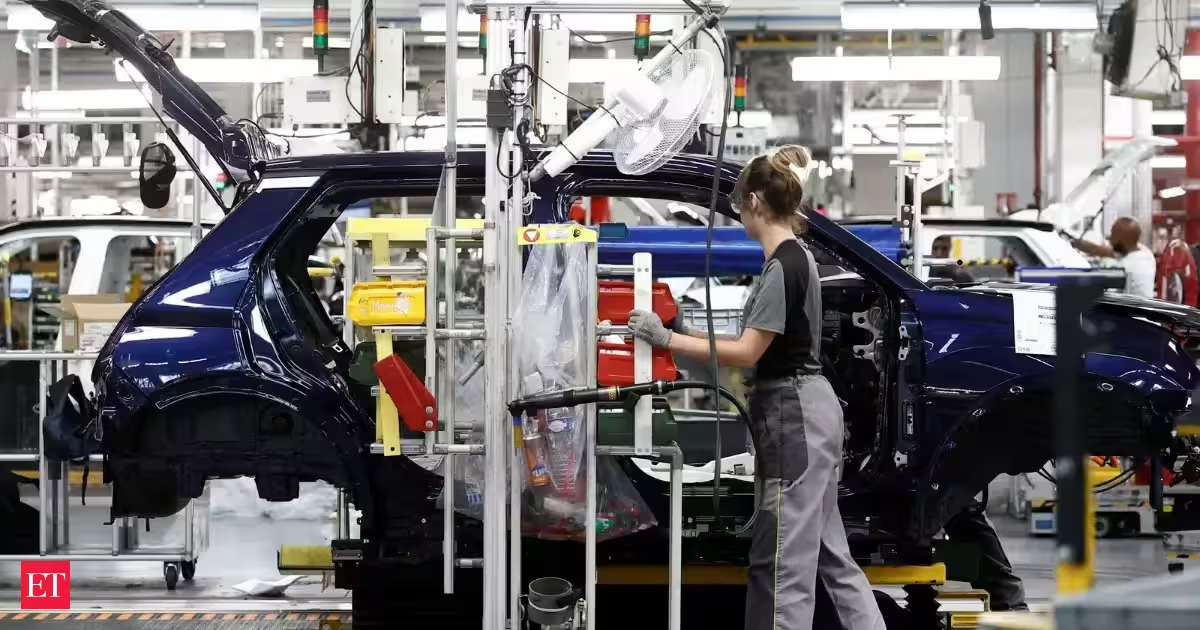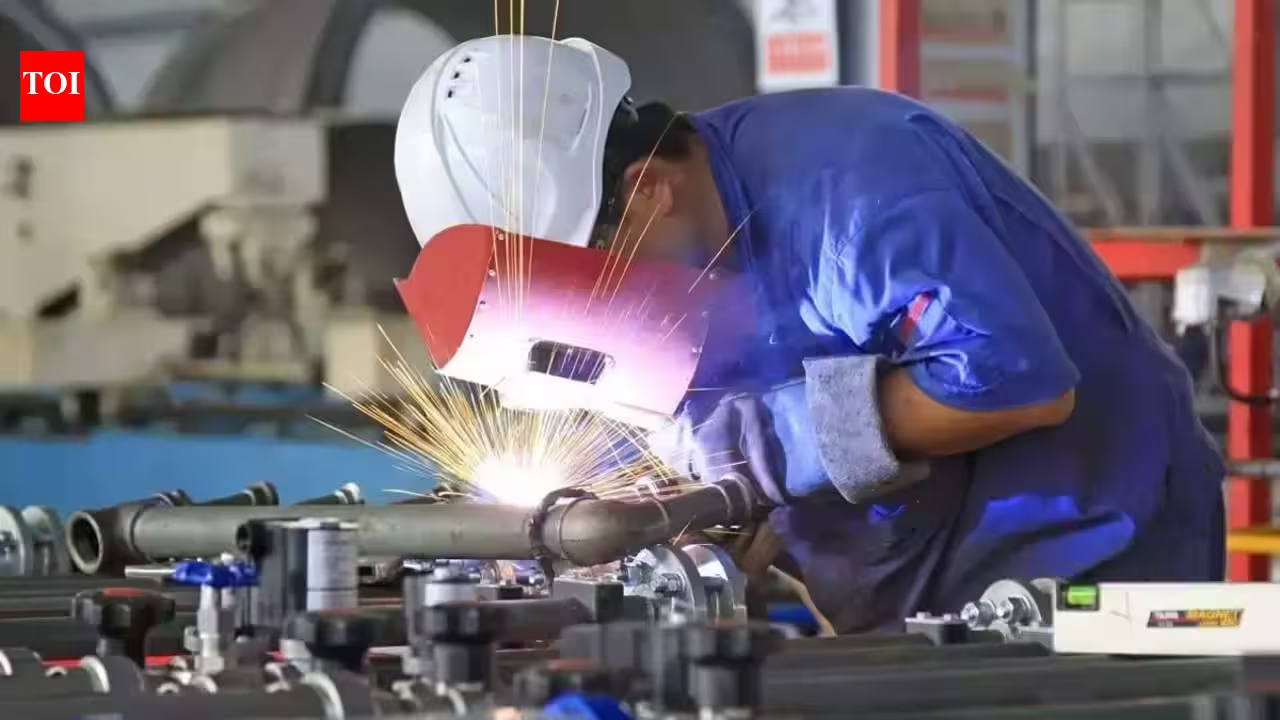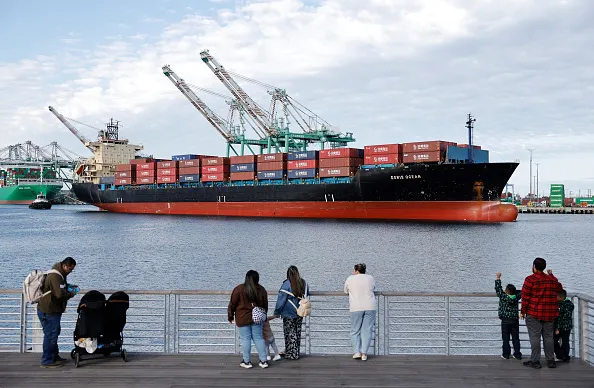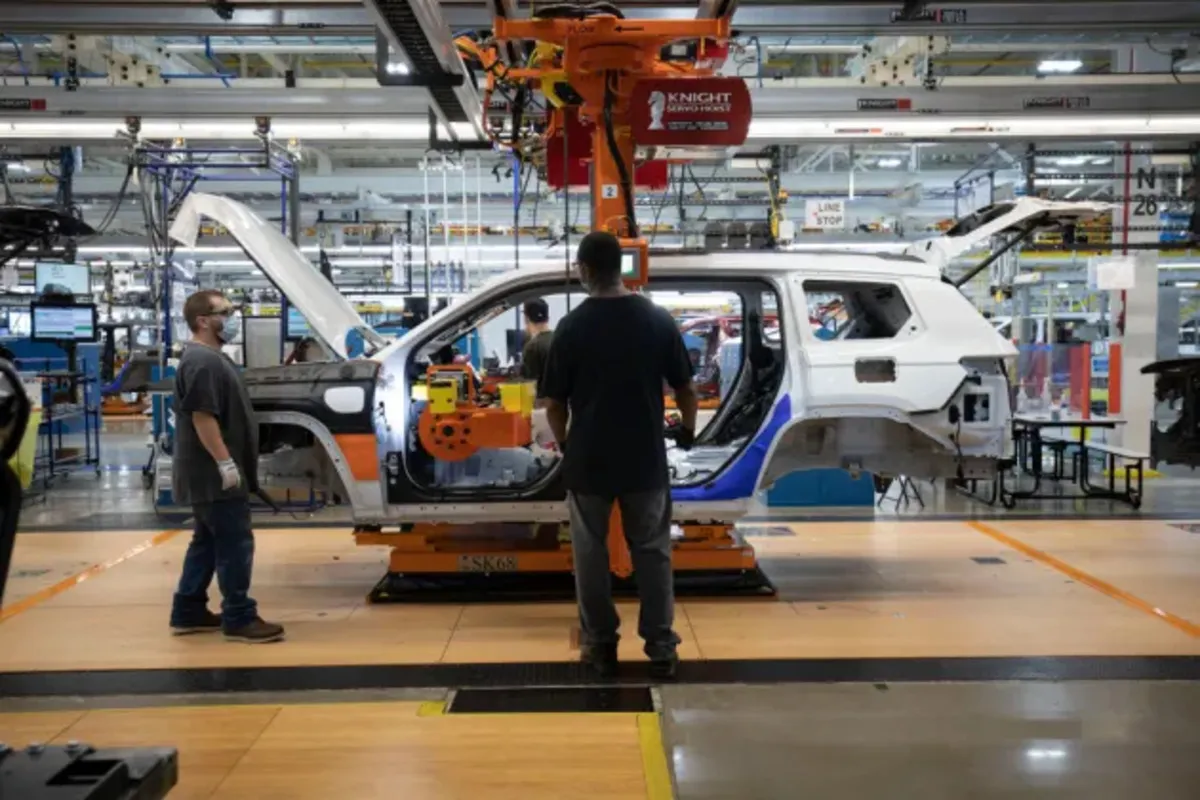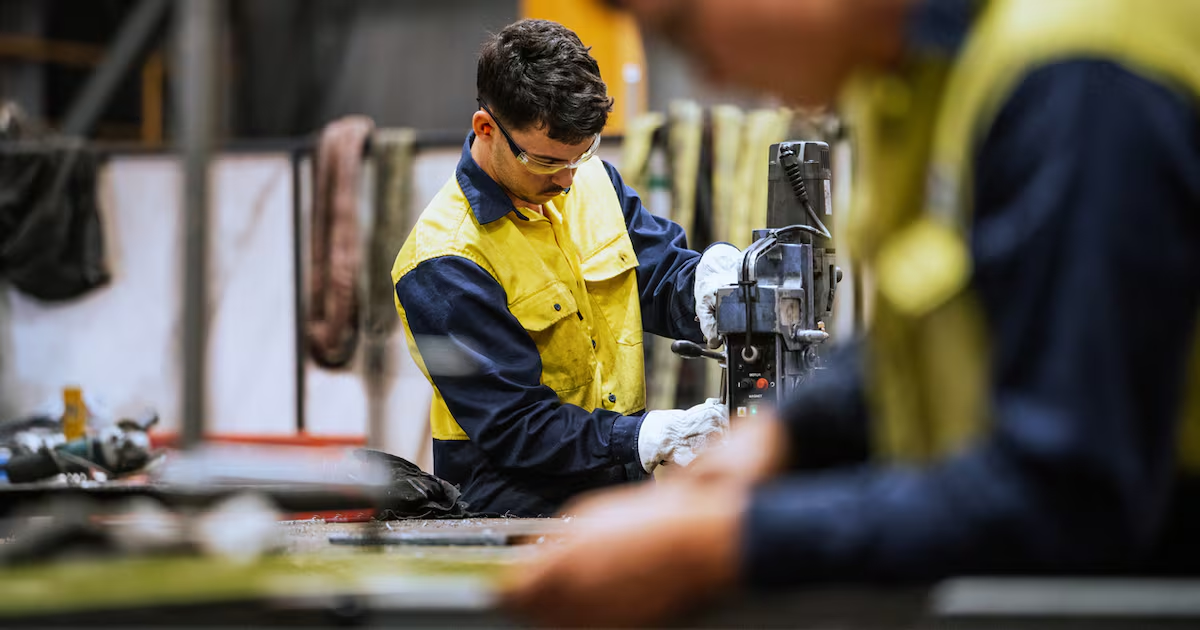
Employment in the Irish manufacturing sector rose at its fastest rate in more than four years last month, with businesses upbeat about their prospects for the rest of the year.The sector reported “robust” expansion of activity in July on the back of growing demand, according to the AIB Ireland Manufacturing purchasing managers index.At 55.1, the reading for activity in the sector was up slightly on the 54.9 recorded in June, and the second-highest since May 2022, the report said. Any figure above 50 signals growth while a number below that points to retrenchment.The Irish figure remains above readings for the wider euro zone (52.0), the UK (52.8) and the US (53.8). It also points to stronger activity domestically than in China, Japan, Korea, Australia, Canada, India, Turkey, Russia, Mexico, Brazil and the Asean [Association of Southeast Asian Nations] countries where similar surveys are carried out.“The index indicates that the sector maintained solid momentum,” said AIB chief economist David McNamara, noting “the expansion in July was due to sustained gains in output, new orders and employment”. The survey has now recorded higher levels of production for nine consecutive months, although the July uptick was the least marked since April. What size does your pension actually need to be for a comfortable retirement? Listen | 31:47Total new orders expanded ahead of the average across the first half of the year, driven by stronger domestic demand. However, new export orders expanded only marginally, at the slowest pace since February and well down on the near five-year peak seen in May.Manufacturers noted higher sales to European clients, but some said international demand was being held back by greater geopolitical uncertainty.The report cited job creation as a “bright spot” in July, with the rate of employment growth accelerating for the third time in the past four months to its highest since May 2022.“Anecdotal evidence suggested that robust order books, improved business optimism and long-term efforts to boost production capacity had led to rising payroll numbers,” the report said.Output expectations accelerated at the fastest rate since February, the report said, amid hopes for a sustained upturn in demand. That led to a four-year high in the number of new staff taken on by companies surveyed.Input price inflation moderated again after its recent peak in May, it said, but supply chain challenges persisted, with many manufacturers reporting delays in transportation and reduced availability of raw materials due to the ongoing impact of the Gulf conflict on supply chains.“Output rose strongly in July,” said McNamara, “albeit the pace of increase eased slightly from June, with respondents citing continued healthy order books. “This was also evident in a solid rise in new orders, but export orders growth slowed, as firms reported some headwinds from geopolitical uncertainty.”Looking ahead, close to half of respondents (46 per cent) expect to see a rise in production activity over the next 12 months, with just 9 per cent forecasting a decline. That is the most optimistic the sector has been in six months.
Employment growth hits four-year high in Irish manufacturing
Sector reports stronger activity than other jurisdictions but geopolitical uncertainty limits gains in exports
499 words~2 min read