Monday 03 August 2026 10:33 am
UK manufacturers have enjoyed an increase in production.
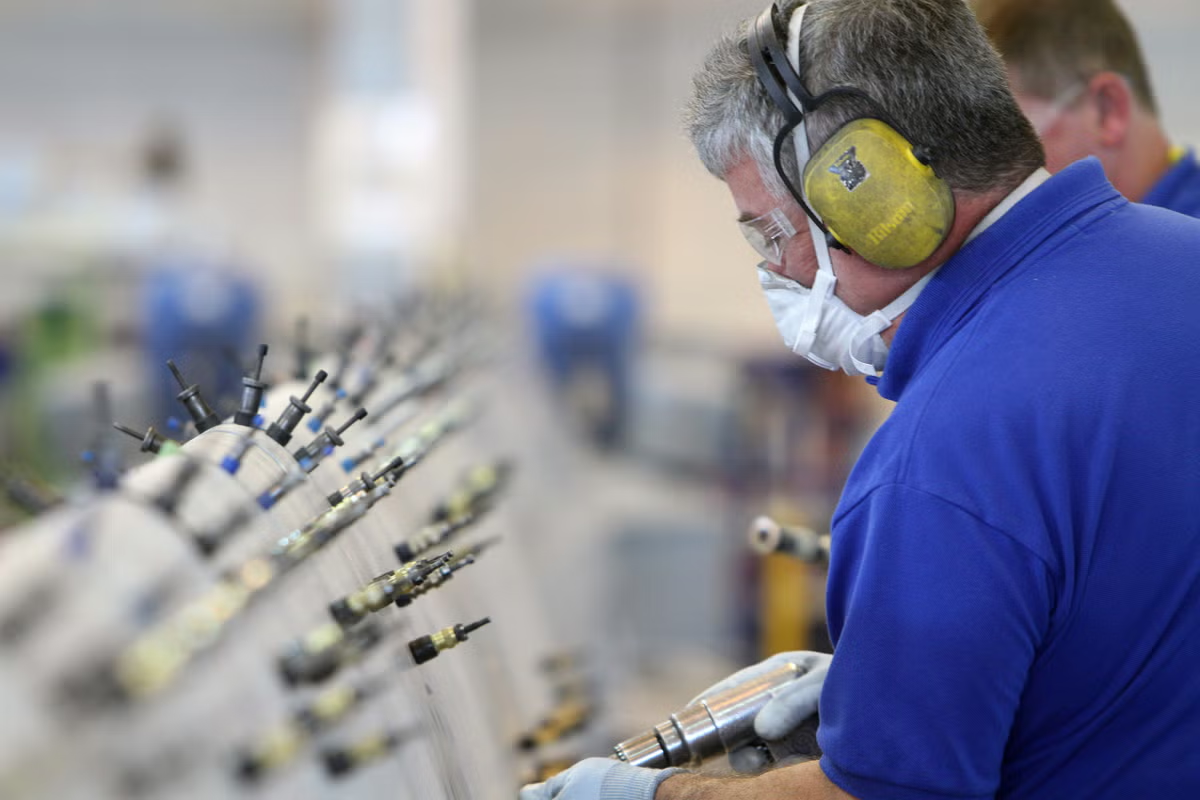
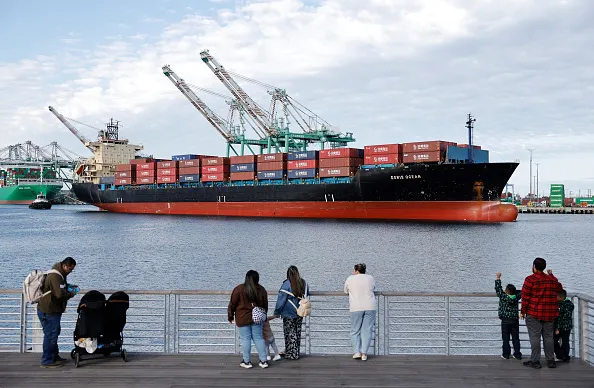
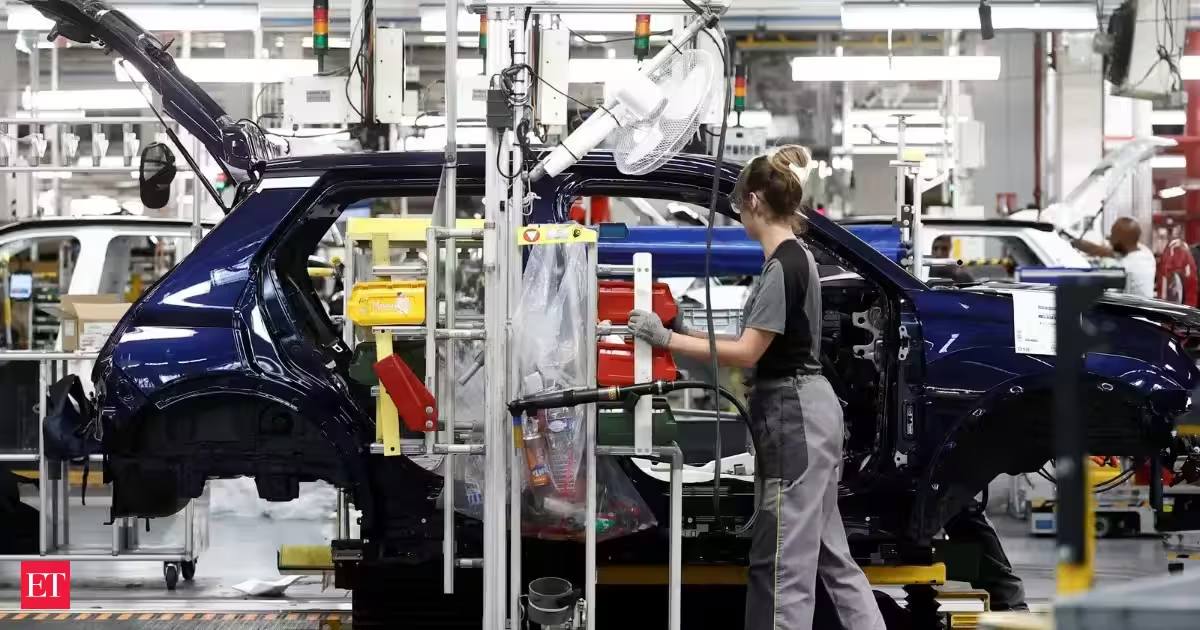
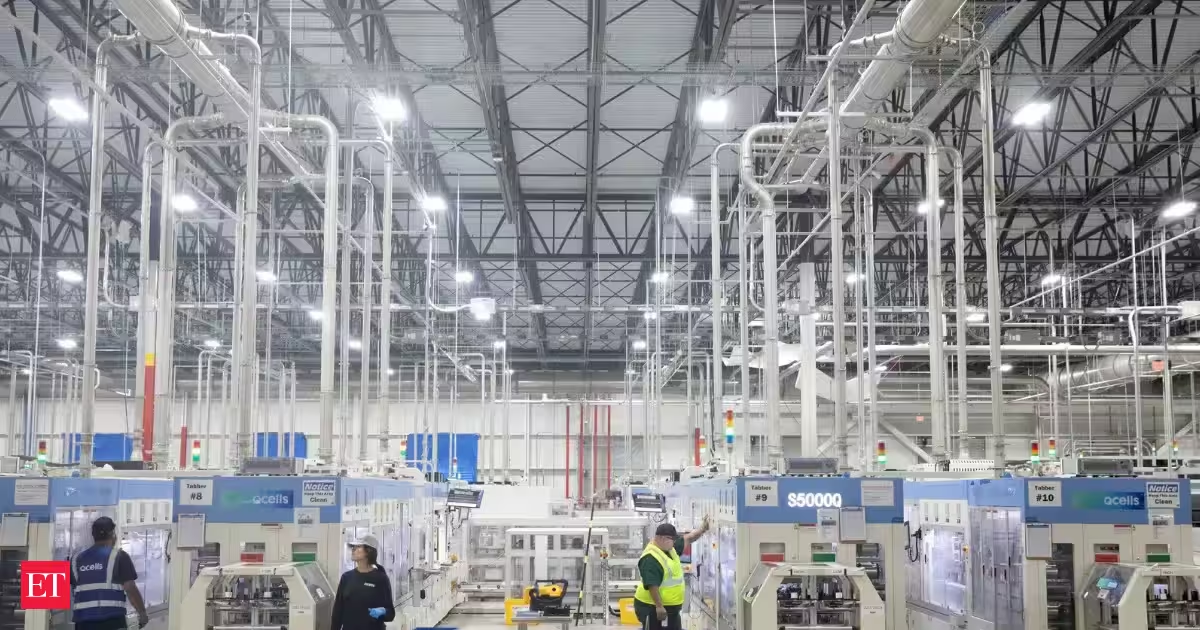
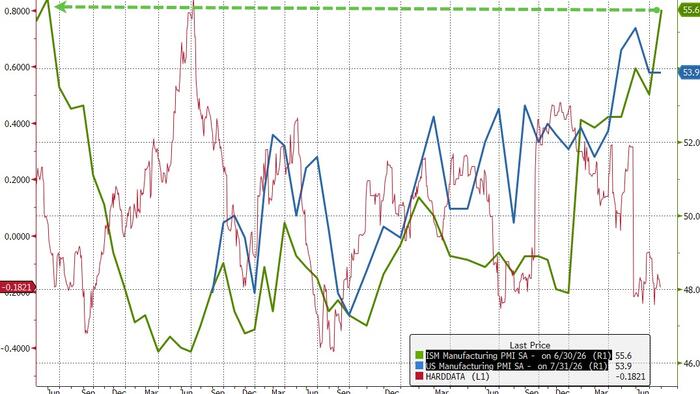
Manufacturers have overcome a gloomy economic outlook across the country as businesses boosted production to levels not seen in almost two years, new data has revealed. According to S&P Global’s monthly survey of output across manufacturers, business activity continued to increase in what was the ninth consecutive month of growth in the sector. The purchasing managers’ index (PMI), an aggregate score outlining growth trends, came to 51.9. This was above the 50-figure threshold for neutrality in output. Manufacturers also said that output and new orders rose at faster rates than in June, though small-scale manufacturers suffered a “mild downturn” in production volumes. The positive PMI reading reflects manufacturers’ relative optimism about the UK economy, with firms still expecting further increases to output over the next 12 months despite fears of further trade breakdowns and extra tax hikes. Other sectors have struggled to remain upbeat. The consultancy EY suggested that the UK economy could fall into a recession if the Iran war drags on to the middle of next year. Rob Dobson, a director at S&P Global, said July brought “further encouragement” for bosses as the increase in production levels hit a near-two-year high. “There was also positive news on the price and supply fronts. The rate of increase in input costs slowed sharply to a five-month low as supply chain delays eased to their lowest since the outbreak of the war in the Middle East,” Dobson said. But he added that improved demand for goods made in the UK did not translate into a boost for the labour market as the increase in employment was the weakest in four months. Manufacturers’ momentum Data from the survey of around 650 manufacturers suggested that companies focused on cost-reduction amid fears that another spike in energy costs could hit businesses. On Monday, Brent crude oil prices dropped by around five per cent on hopes that a new peace deal between the US, Israel and Iran would be struck. Last week, the US and Iran exchanged fire, risking a re-escalation of tensions across the Middle East. Matt Swannell, chief economic adviser to the Item Club, noted that a fall in confidence may have come about due to the breakdown in the last ceasefire between warring parties. “The conflict in the Middle East is the key wildcard, but the breakdown of the ceasefire has led to a resurgence in both oil and gas prices and increased business uncertainty,” Swannell said. “Higher energy prices will filter through into higher business costs while demand will be hit by the squeeze on disposable incomes from rising inflation and weakening wage growth.”