Academia
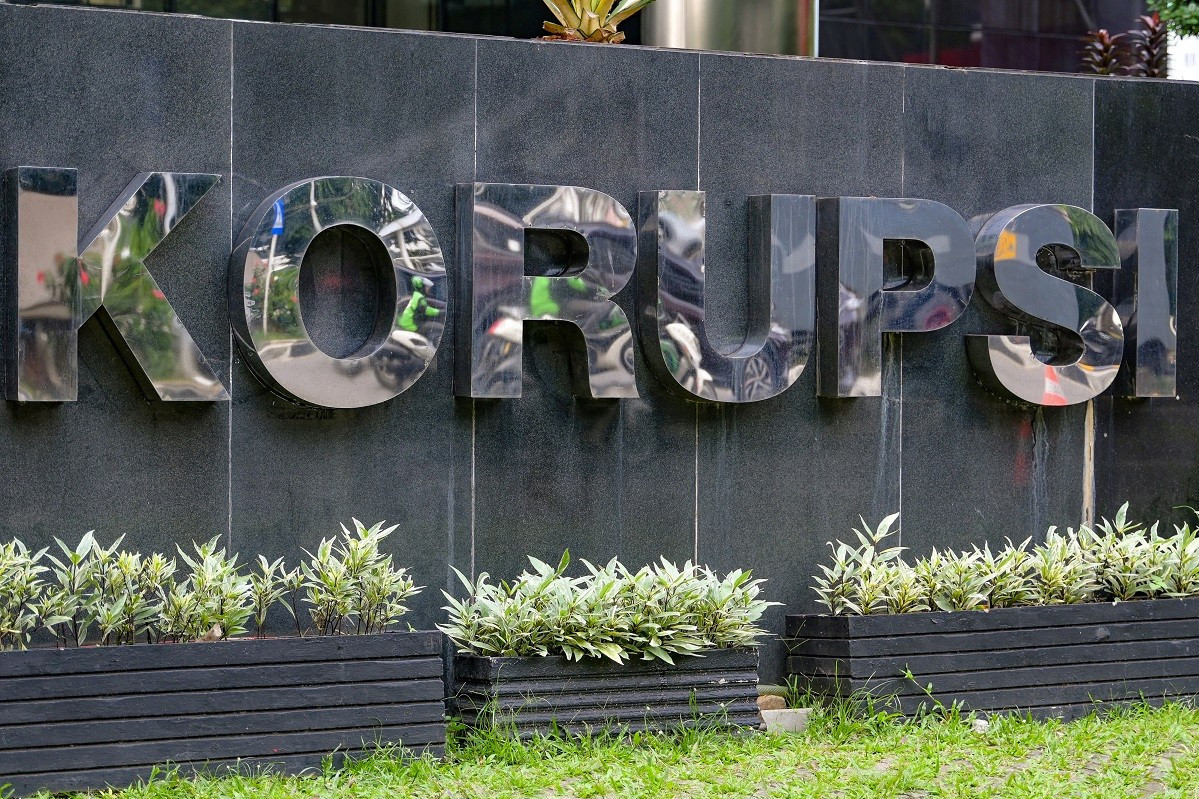
The reflection of motorists is seen in the Corruption Eradication Commission (KPK) building sign, in Jakarta, on June 27, 2023. (AFP/Bay Ismoyo)
There has been a recurring theme in recent corruption cases, where nominees and secretive corporate forms have obscured the real identity of owners and allowed for huge losses in state tax revenue.The foundation for ultimate business ownership (UBO) reform is Presidential Regulation (Perpres) No. 13/2018 on the implementation of the principle of recognizing beneficial owners of corporations, in the framework for the prevention and eradication of money laundering and terrorism financing. Yet seven years after the regulation, almost 2 million companies still fail to comply.
What should have been a strong shield is merely a flimsy doorway, leaving the Corruption Eradication Commission (KPK) and the Financial Transaction Reports and Analysis Centre (PPATK) to clean up the preventable messes. Indonesia, despite its economic might, ranks poorly in transparency, not for lack of rules, but for lack of enforcement, while opaque corporations remain fortresses.
Under Perpres No. 13/2018, the beneficial owner was understood to be an individual who could appoint or remove members of a corporation’s management, had the capacity to control the corporation, was entitled to receive some direct or indirect benefits from it or was the real owner of the corporation's funds or shares. It marked a major advance for transparency.