Academia
Indonesia’s economy can no longer rely on cheap labor and raw resources. If the country wants to compete globally, it must finally jam the corrupt "revolving door" that trades public office for private profit.
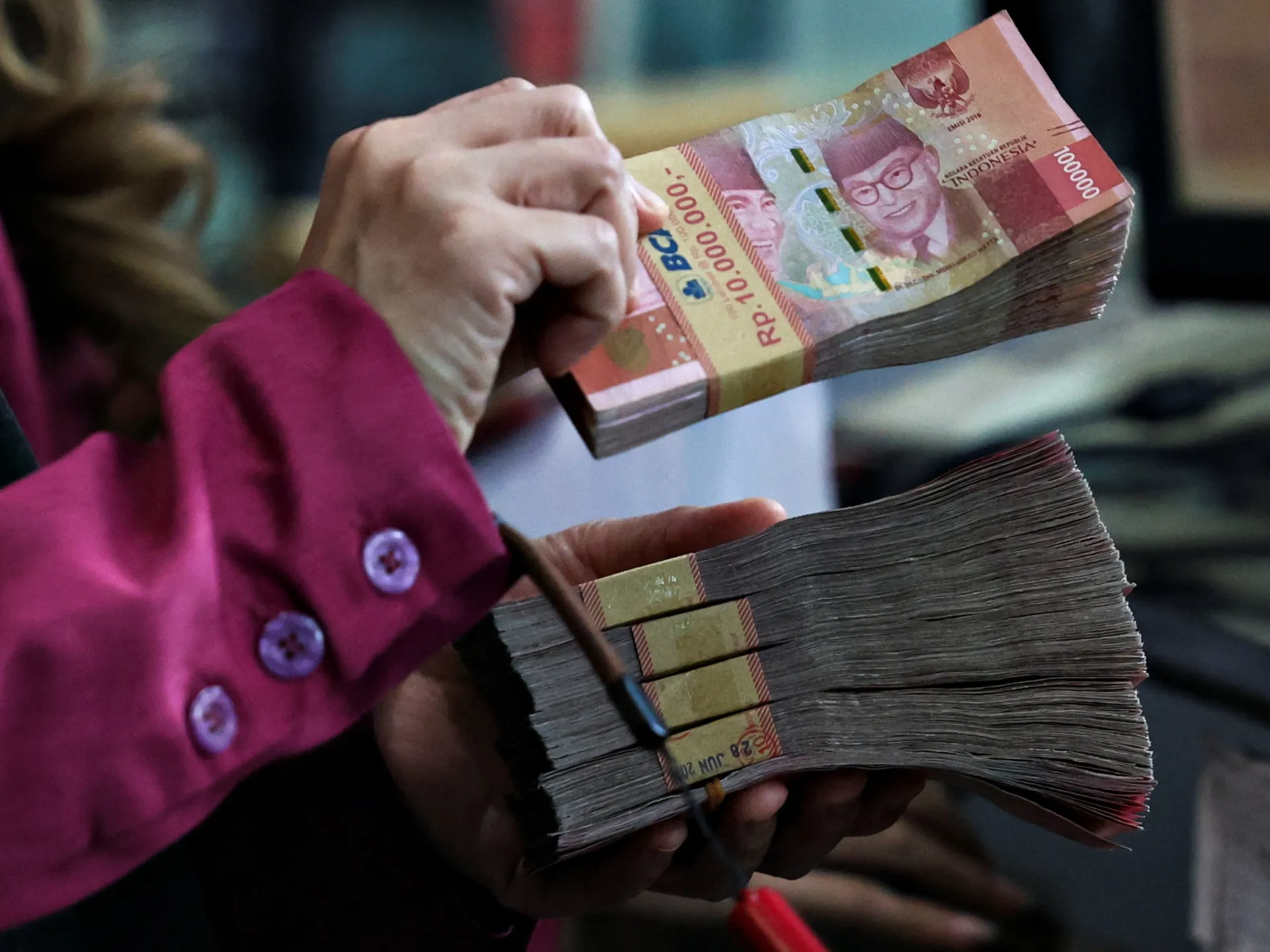
Journalists photograph gold and cash displayed as evidence during a news conference on July 10 at the Jakarta Police headquarters. Police said investigators are continuing to examine evidence collected during searches at 13 locations as part of a joint investigation into three alleged cases involving corruption, bribery, gratuities and money laundering. (Antara/Asprilla Dwi Adha)
Corruption continues to dominate national headlines. Recent high-profile scandals—spanning coal supply disruptions that led to power blackouts, embezzlement within the PT Asabri and PT Jiwasraya state insurance funds and systemic debt at a subsidiary of PT Krakatau Steel—are estimated to have cost the state hundreds of trillions of rupiah. These crises persist long after the reform era promised to root out deep-seated graft.Yet, rather than merely asking who the corrupt individuals are, we must examine why the system consistently produces them. The answer lies in what political science terms the "revolving door" phenomenon: a structural mechanism that transforms public office into a gateway for private gain.