Editorial
The conviction of a prominent tech reformer exposes a deeper, more systemic crisis: it casts a doubt over whether Indonesia can truly court global investors and elite talent.
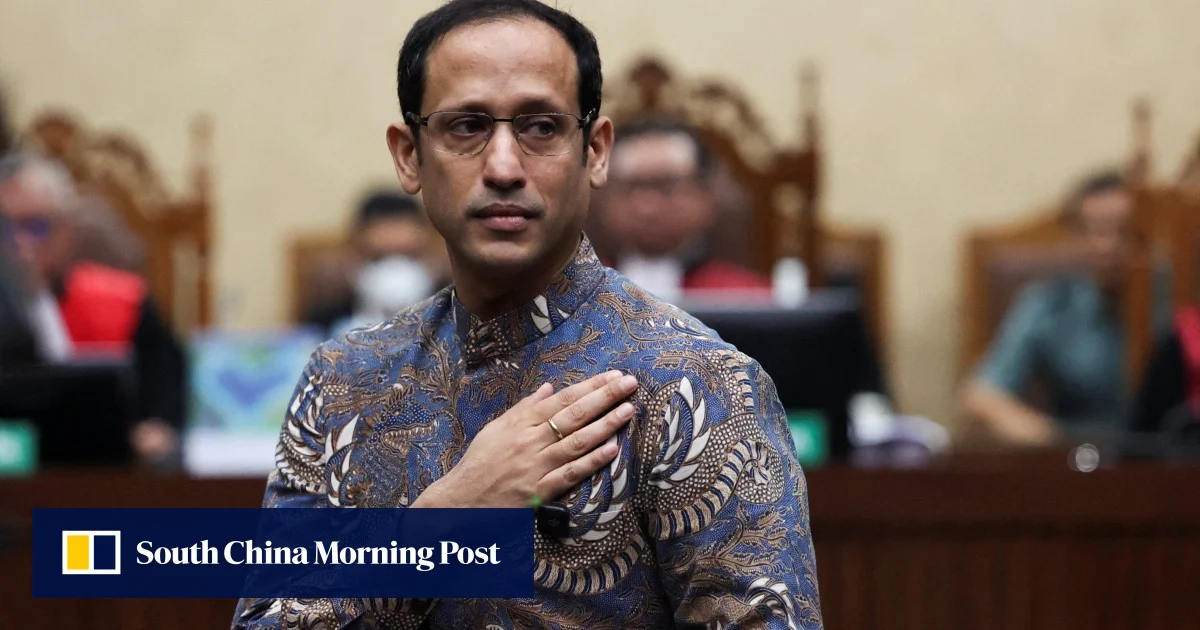
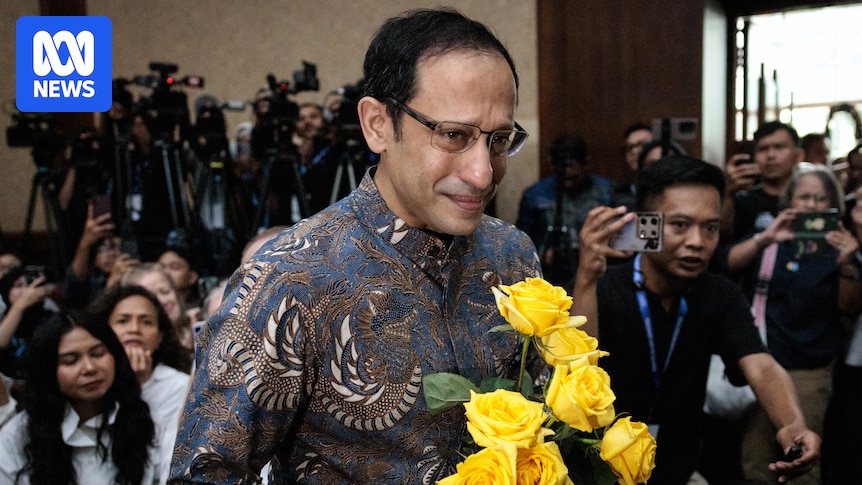
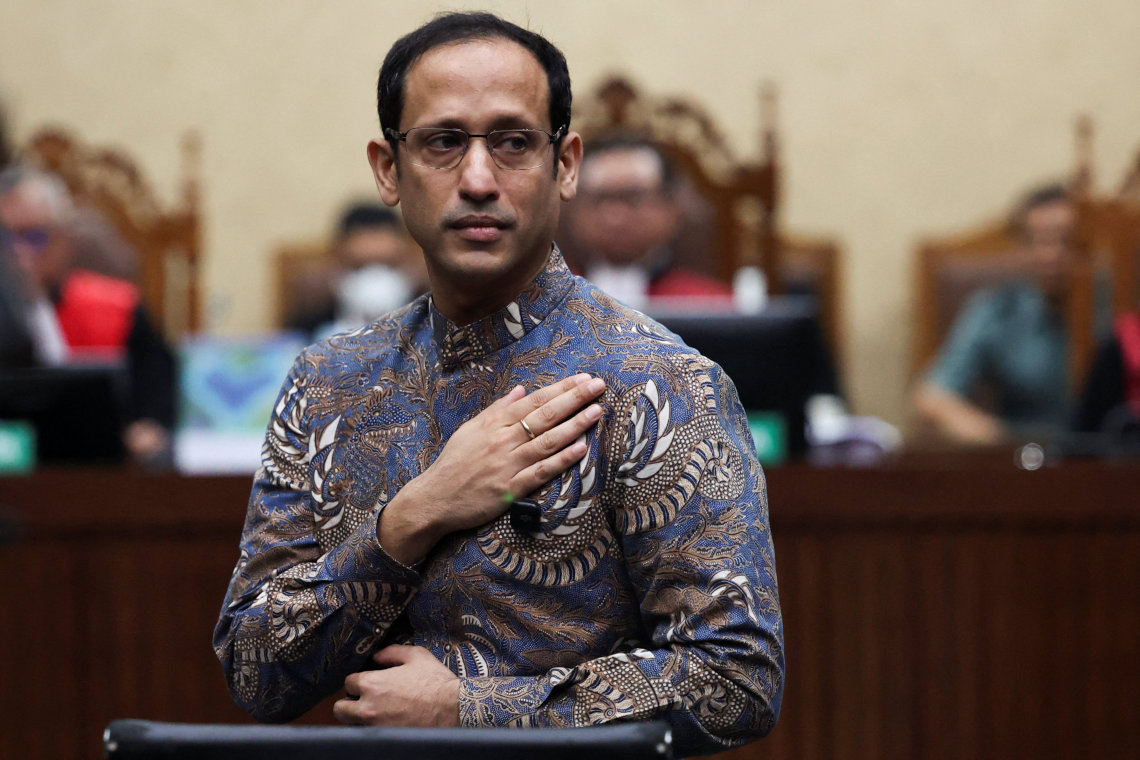
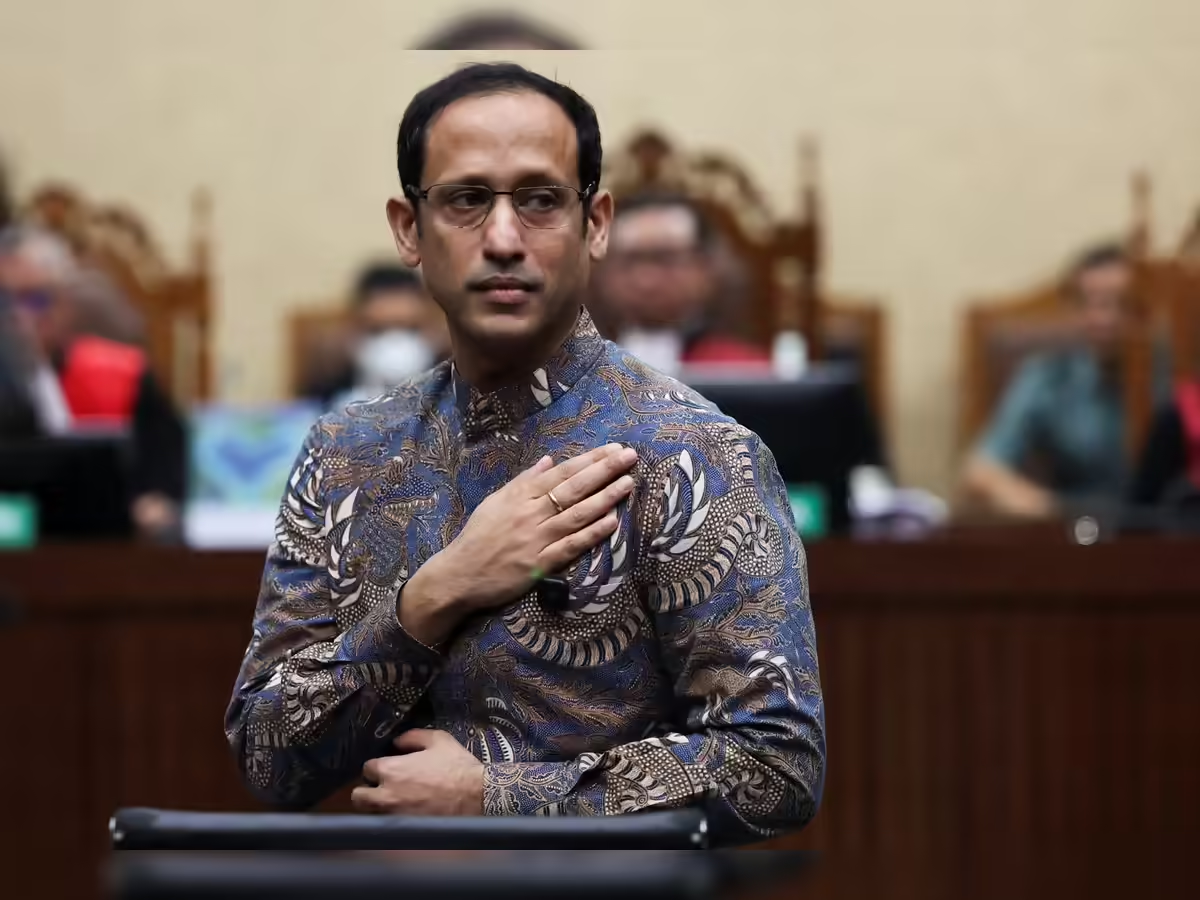
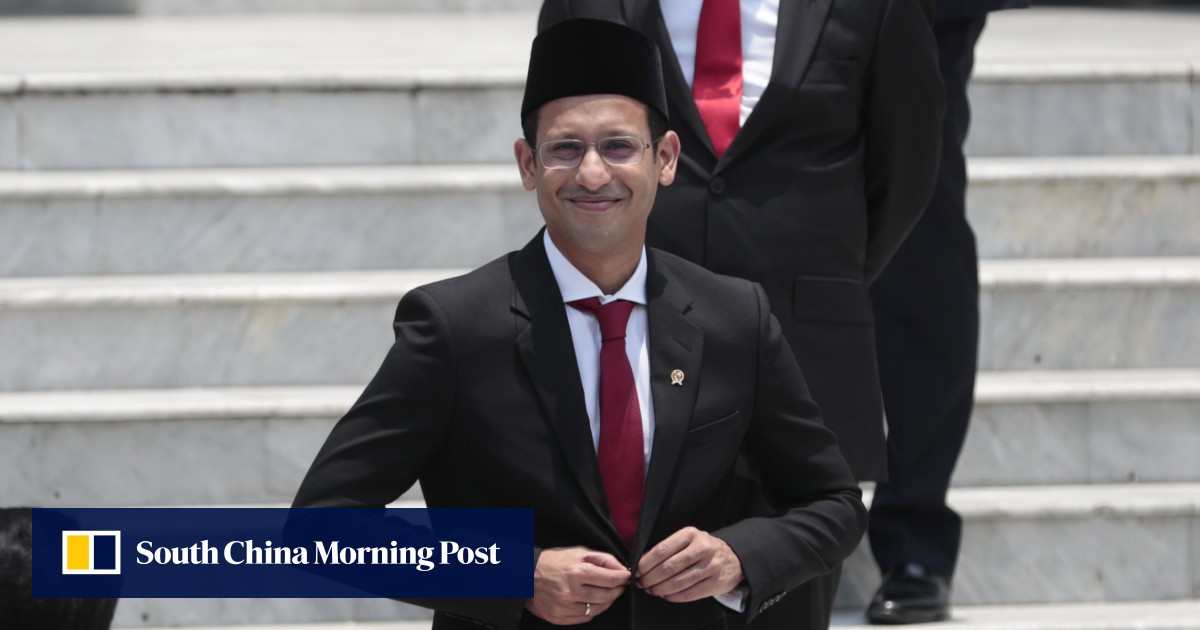
Nadiem Anwar Makarim (center), accused of corruption in the procurement of Chromebook laptops when he was education minister, arrives with supporters at the Corruption Court in Central Jakarta, on June 30, 2026. The court was scheduled to deliver its verdict in the case. (Antara/Salma Talita)
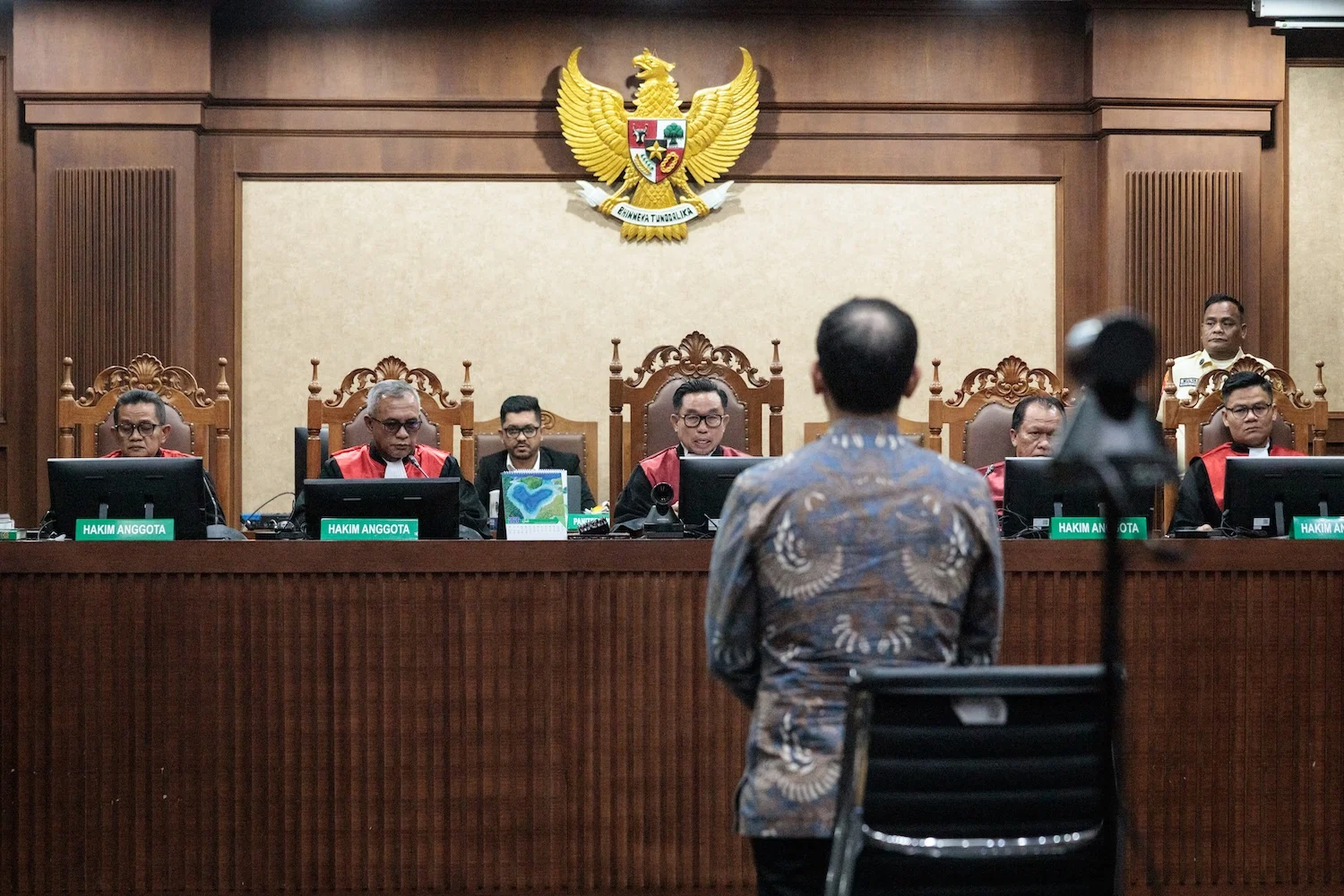
The conviction of former education minister Nadiem Anwar Makarim on Tuesday has quickly evolved beyond a high-profile corruption case. It has become a critical test of Indonesia's judicial credibility, its investment climate and its institutional commitment to the rule of law. If public trust is to be restored, President Prabowo Subianto’s administration must confront the systemic implications of this ruling.Unsurprisingly, the Jakarta Corruption Court’s decision to sentence Nadiem, the poster child of Indonesia’s young and bright entrepreneurs, to 10 years in prison and order him to pay Rp 809 billion (US$45.4 million) in restitution over the procurement of Chromebook laptops during his tenure has ignited national debate. While the sentence was lighter than the prosecution's demand of 18 years, the reduction has done little to ease public skepticism, if not distrust, in a judicial system frequently marred by scandal.