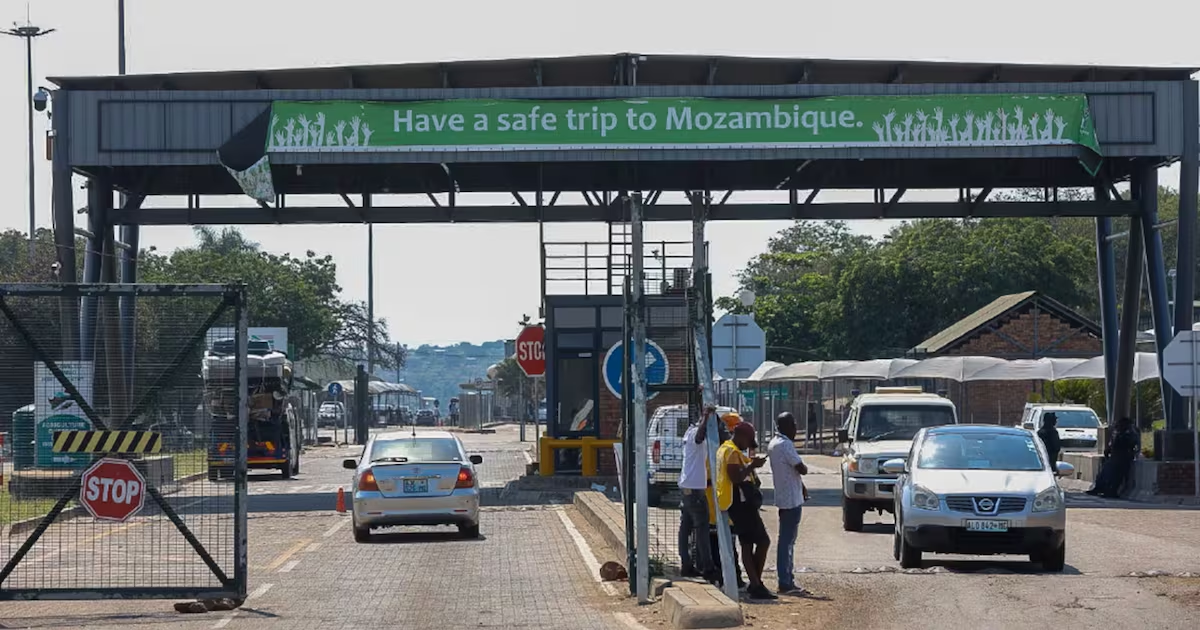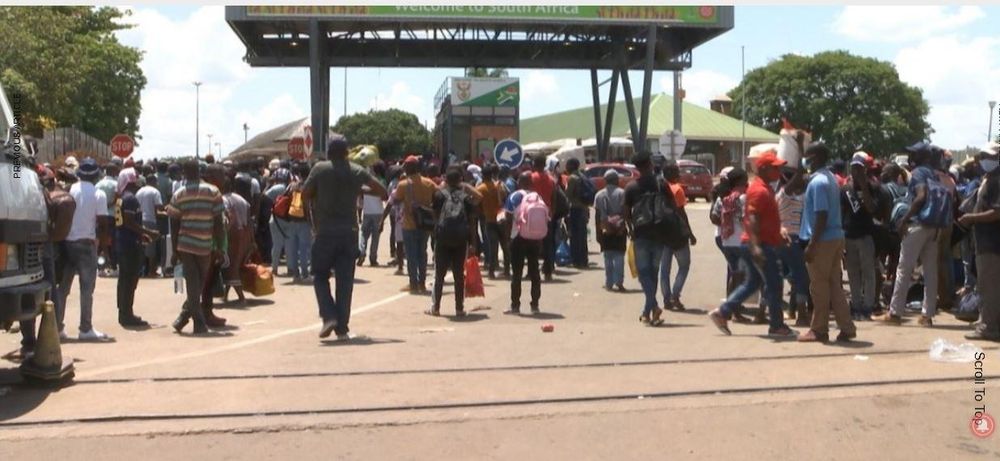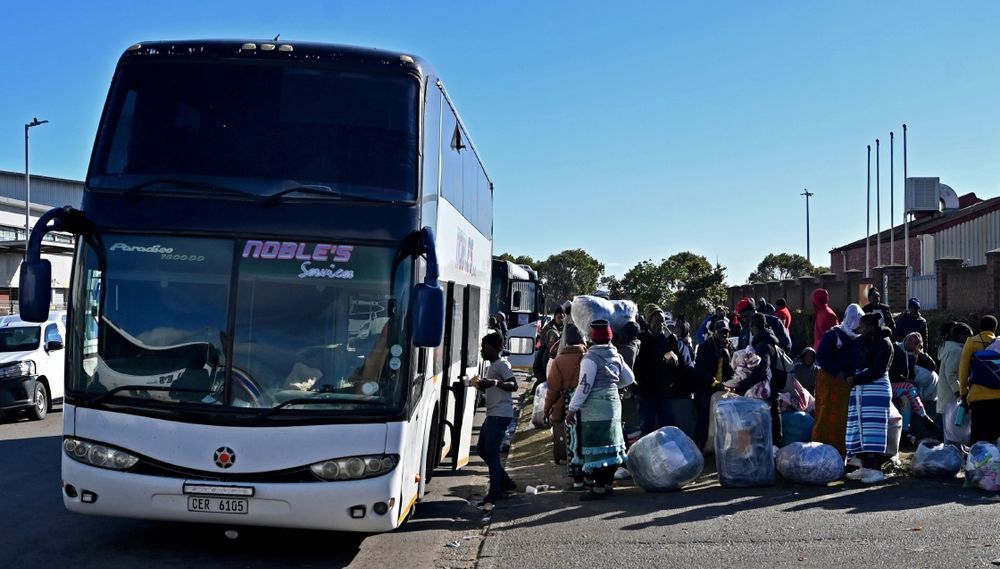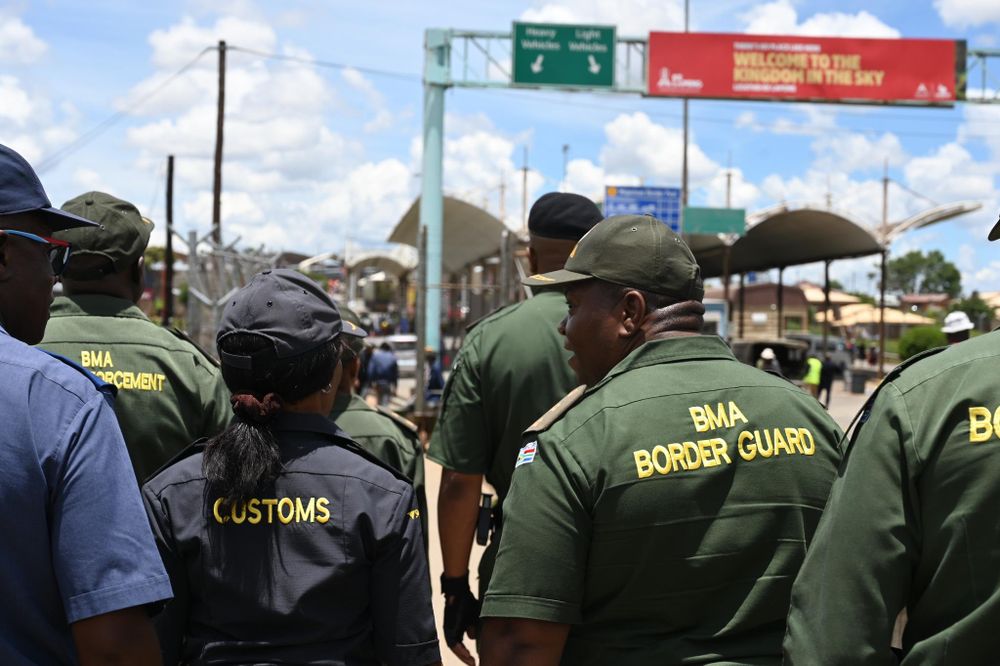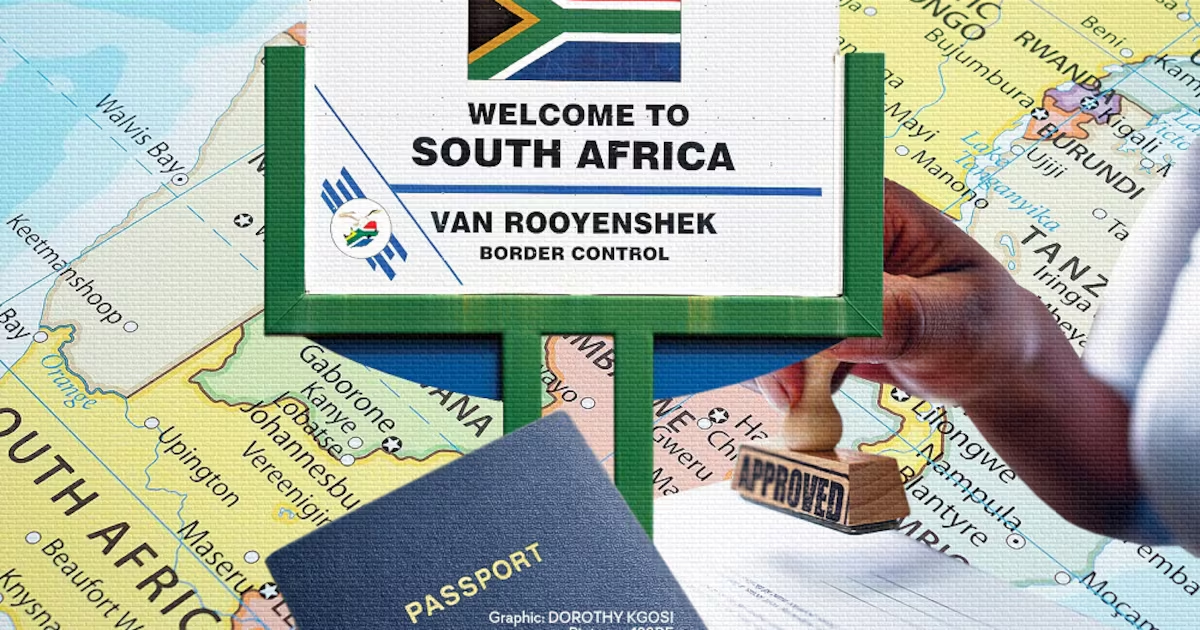
South Africa stands at a defining policy crossroad. As the government intensifies efforts to manage undocumented migration through regional co-operation, voluntary repatriation programmes and diplomatic engagement, the national debate has become increasingly polarised. All too often that debate is framed as a choice between protecting South Africa’s borders and embracing African integration. This is a false dichotomy. A country can champion regional integration while safeguarding its sovereignty, economic resilience and social cohesion. The African Continental Free Trade Area (AfCFTA) represents the continent’s most ambitious economic project, creating a market of more than 1.4-billion people with a combined GDP exceeding $3.4-trillion. However, its success depends not on the unrestricted movement of undocumented persons but on the efficient movement of legally traded goods, services, investments, and skilled labour. Economic integration flourishes where institutions are strong, borders are secure, and regulatory systems inspire confidence. South Africa occupies a strategic position within this vision. As one of Africa’s largest and most diversified economies, it accounts for about 16% of sub-Saharan Africa’s GDP and serves as a critical logistics, financial and manufacturing hub for the Southern African Development Community (Sadc). Yet the country’s economic recovery remains fragile. Real GDP growth continues to lag behind the level required to reduce unemployment sustainably, while unemployment remains among the highest globally, municipal finances are under severe strain and public infrastructure faces mounting pressure. Against this backdrop, migration governance cannot be treated solely as a humanitarian or diplomatic issue. It is fundamentally an economic policy imperative. Well-managed migration has long contributed positively to South Africa’s economy. Skilled migrants strengthen sectors facing labour shortages, entrepreneurs establish businesses that generate employment and regional labour mobility supports trade, innovation and cross-border investment. Numerous studies have shown that migrants contribute to productivity, consumption and entrepreneurship when integrated through legal and regulated systems. However, undocumented migration presents a different policy challenge. Weak border controls, administrative backlogs, fraudulent documentation and inconsistent enforcement undermine labour market regulation, distort fair competition and erode confidence in public institutions. The issue is therefore not migration itself, but the state’s capacity to govern migration effectively. The economic consequences extend well beyond immigration statistics. Municipalities already struggling to deliver basic services face additional pressure on healthcare facilities, schools, housing and local infrastructure. Informal labour markets become increasingly susceptible to exploitation, allowing non-compliant employers to circumvent labour legislation, suppress wages and undermine businesses that comply with South African law. Such distortions weaken productivity, reduce tax compliance and discourage formal investment. Equally concerning are the indirect economic costs. Perceptions of ineffective border management undermine investor confidence, increase policy uncertainty and elevate sovereign risk perceptions. Businesses value regulatory certainty above almost everything else. Investors do not merely assess tax rates or labour costs; they assess whether institutions can consistently enforce laws, protect infrastructure and maintain social stability. South Africa has already witnessed the devastating economic consequences of social unrest. The July 2021 riots resulted in more than 350 deaths and economic losses estimated at R50bn, disrupting supply chains, damaging investor confidence and slowing economic recovery. Recent security deployments costing hundreds of millions of rand illustrate how expensive reactive governance becomes when preventative institutional capacity has been neglected. Every rand spent managing recurring crises is a rand unavailable for infrastructure, education, industrial development or job creation. This does not suggest migration should be securitised at the expense of human dignity. South Africa’s constitutional values, international obligations and long-standing commitment to African solidarity remain central to its democratic identity. Most migrants are law-abiding individuals seeking economic opportunity or protection from instability. Conflating documented migrants, refugees and undocumented entrants risks fuelling social division while obscuring the real policy failures. The solution therefore lies neither in open borders nor in populist nationalism. It lies in intelligent governance. Recent security deployments costing hundreds of millions of rand illustrate how expensive reactive governance becomes when preventative institutional capacity has been neglected. Every rand spent managing recurring crises is a rand unavailable for infrastructure, education, industrial development or job creation. Regional co-operation remains indispensable. Sadc migration frameworks, bilateral agreements and the objectives of the AU’s Agenda 2063 provide valuable foundations for co-ordinated migration management. Yet regional co-operation cannot substitute for domestic institutional effectiveness. Harmonisation must focus on interoperable biometric systems, intelligence sharing, modern border technology, integrated customs management, streamlined work permit systems and co-ordinated labour market verification. These reforms would facilitate legal mobility while reducing opportunities for organised crime, human trafficking, document fraud and labour exploitation. Looking ahead, Africa should move beyond fragmented visa regimes and explore the establishment of a secure, digitally integrated pan-African mobility and tourism visa, implemented in phases through the Sadc and ultimately under the AU. Anchored in biometric verification, interoperable border management systems and shared intelligence, such a framework would facilitate tourism, attract investment, enable the legal movement of skills and professionals and accelerate intra-African trade while strengthening border integrity and reducing undocumented migration. Rather than choosing between openness and security, Africa has the opportunity to demonstrate that economic integration is most successful when legal mobility, regional competitiveness and sovereign border governance advance together. South Africa should therefore pursue a whole-of-society migration compact that extends beyond diplomatic agreements. The government must strengthen institutional capacity and enforce existing legislation consistently. Businesses must verify legal employment status and uphold labour standards. Civil society should support social cohesion and human rights oversight, while communities require credible channels through which legitimate concerns can be addressed without resorting to vigilantism or xenophobia. Universities, policy institutes and organised labour should contribute evidence-based solutions rather than ideological positions. Africa is indeed open for business. But successful economies distinguish between openness and vulnerability. They welcome investment, facilitate trade, attract skills and encourage legal mobility while maintaining credible systems that protect national interests. These objectives are complementary, not contradictory. Ultimately, South Africa’s prosperity will depend not on how many migration agreements it signs, but on whether it builds capable institutions that inspire confidence among citizens, investors and regional partners alike. A secure border is not a rejection of Africa. It is the foundation upon which a more integrated, competitive and prosperous African economy can be built. • Prof Singh is CEO of Sustainability Consult, and Dr Malapane CEO of the Market Intelligence Barometer Research Entity.
SHAMILA SINGH AND ALEX MALAPANE | A secure border is not anti-African — it is the foundation of Africa’s economic future
Smart migration policy supports jobs, investment and can grow the continent's economy
1,030 words~5 min read