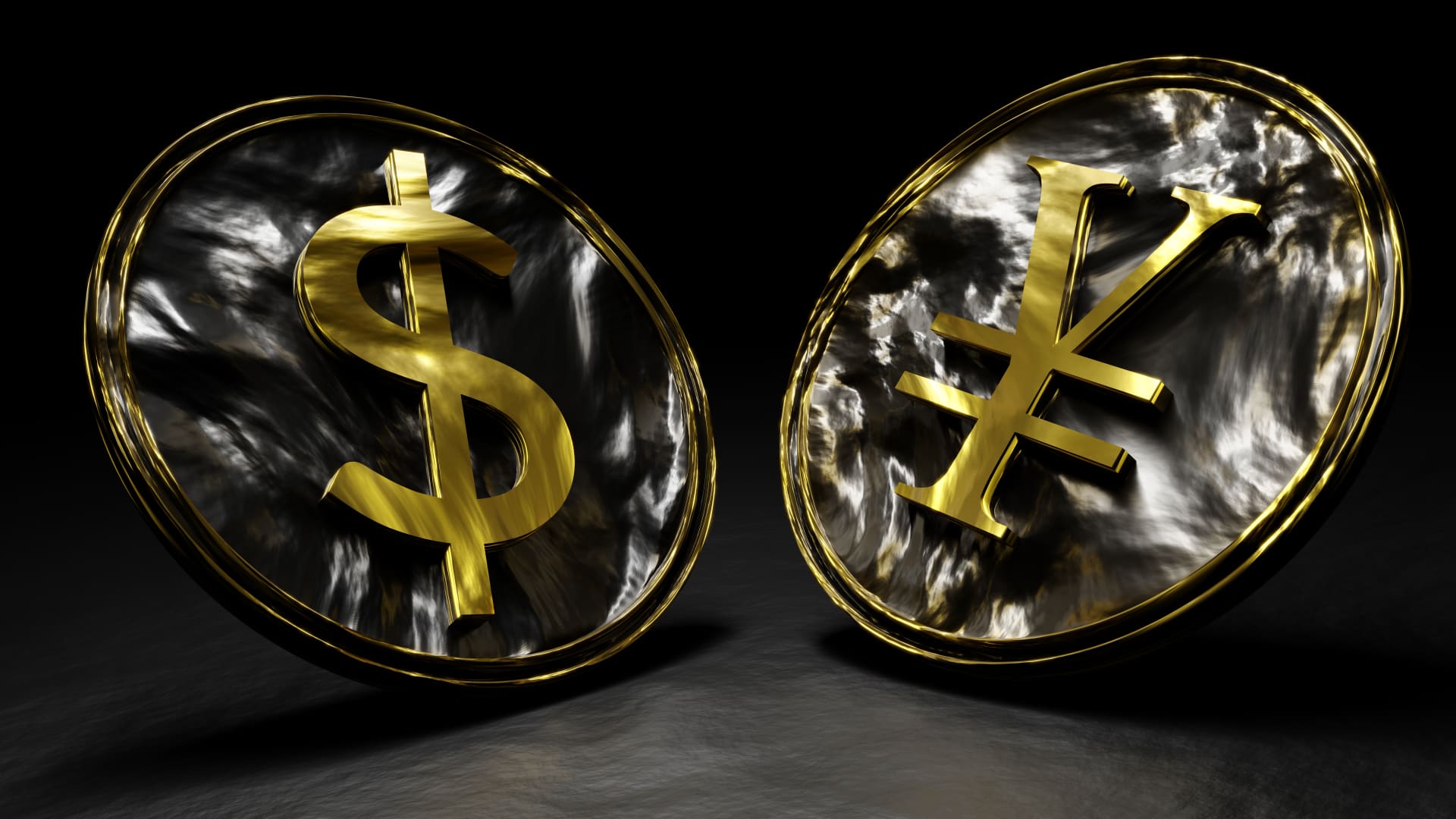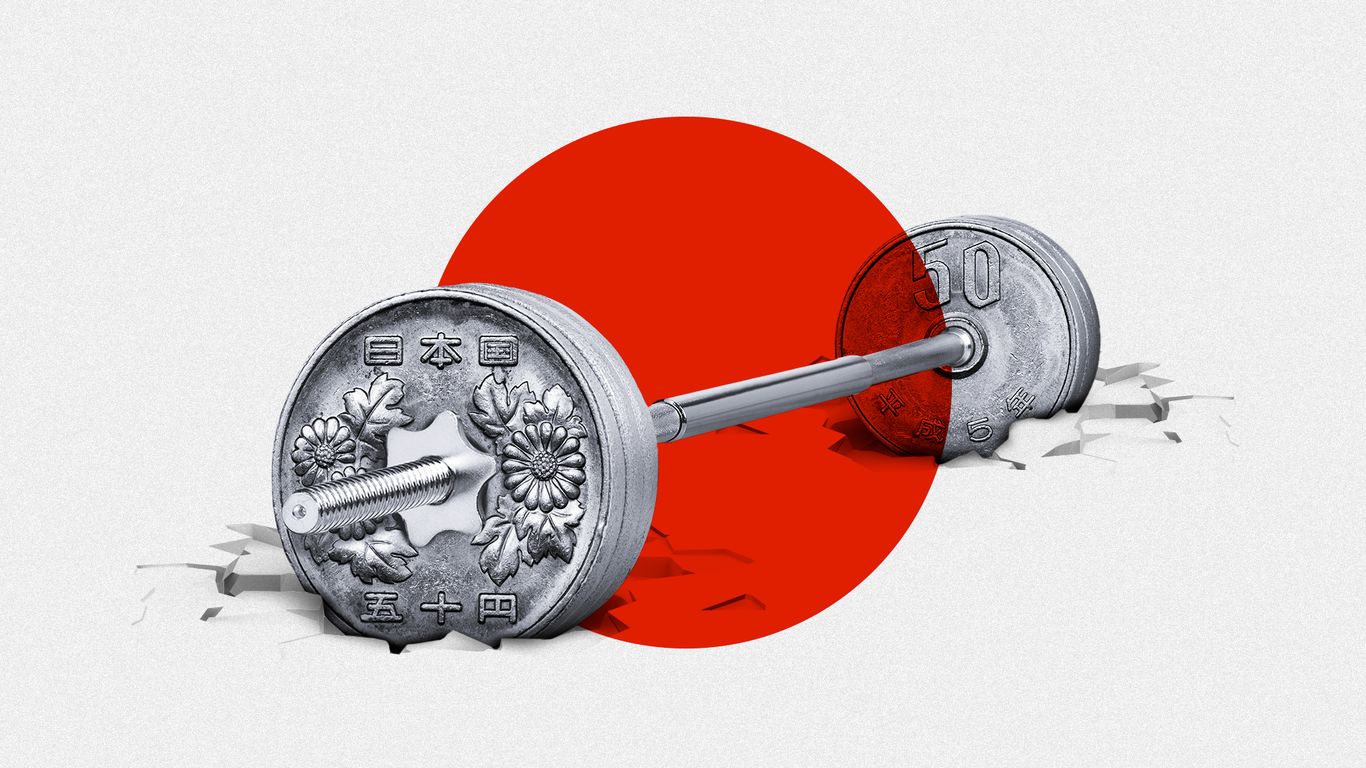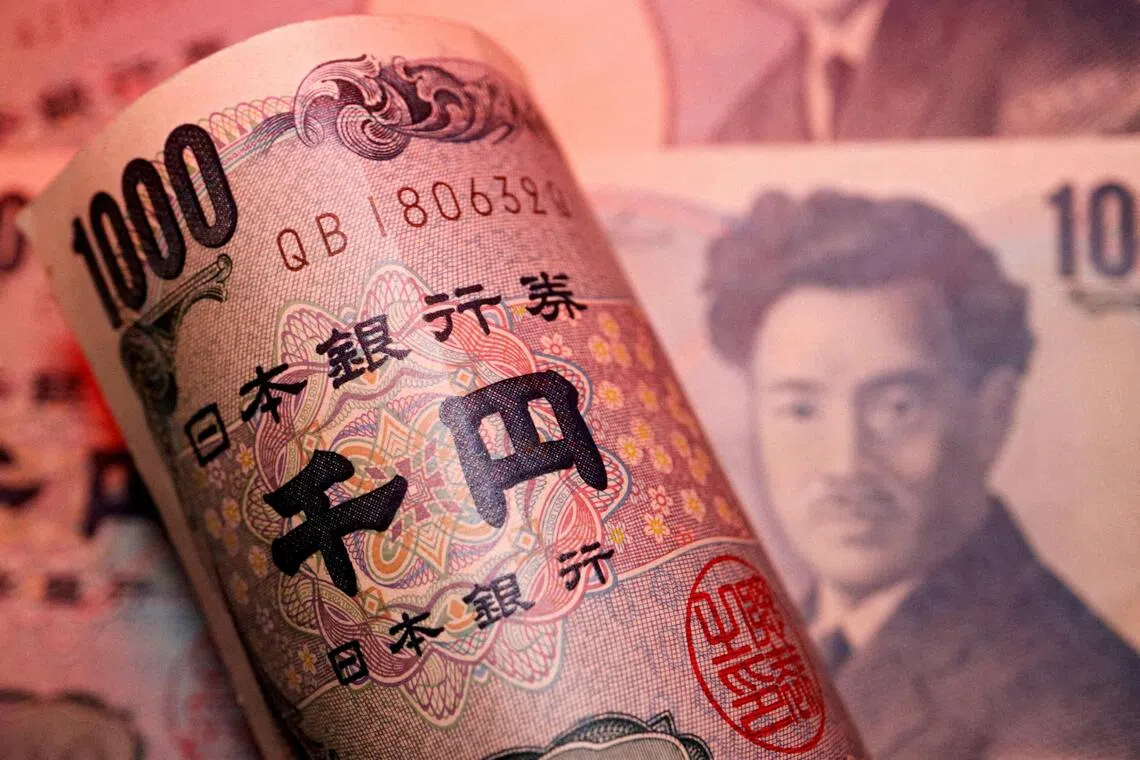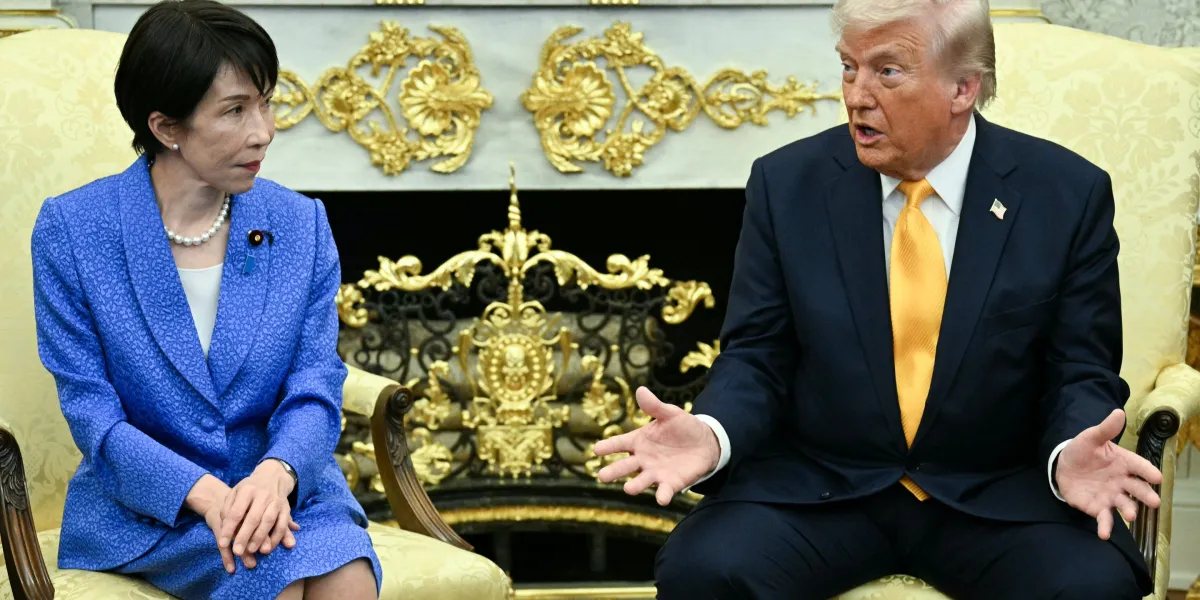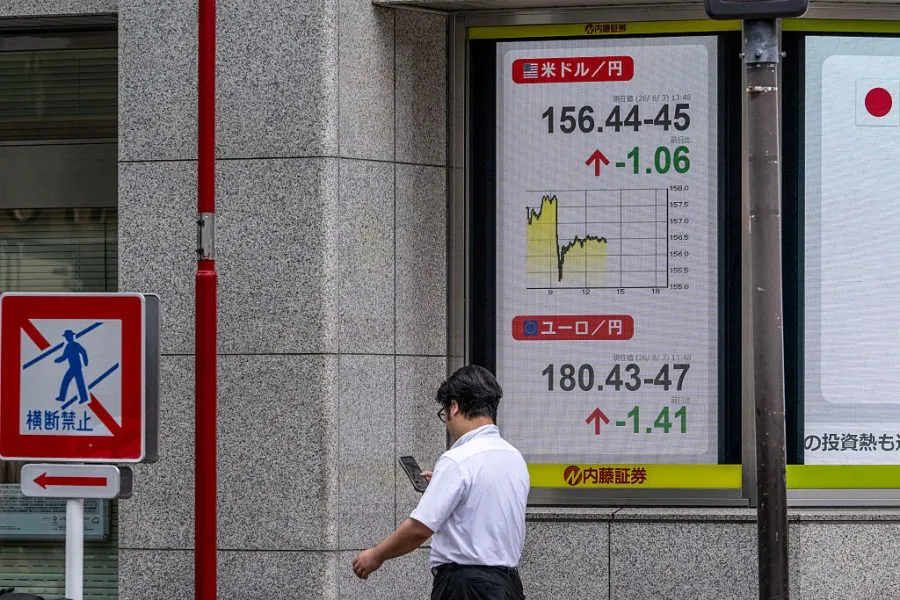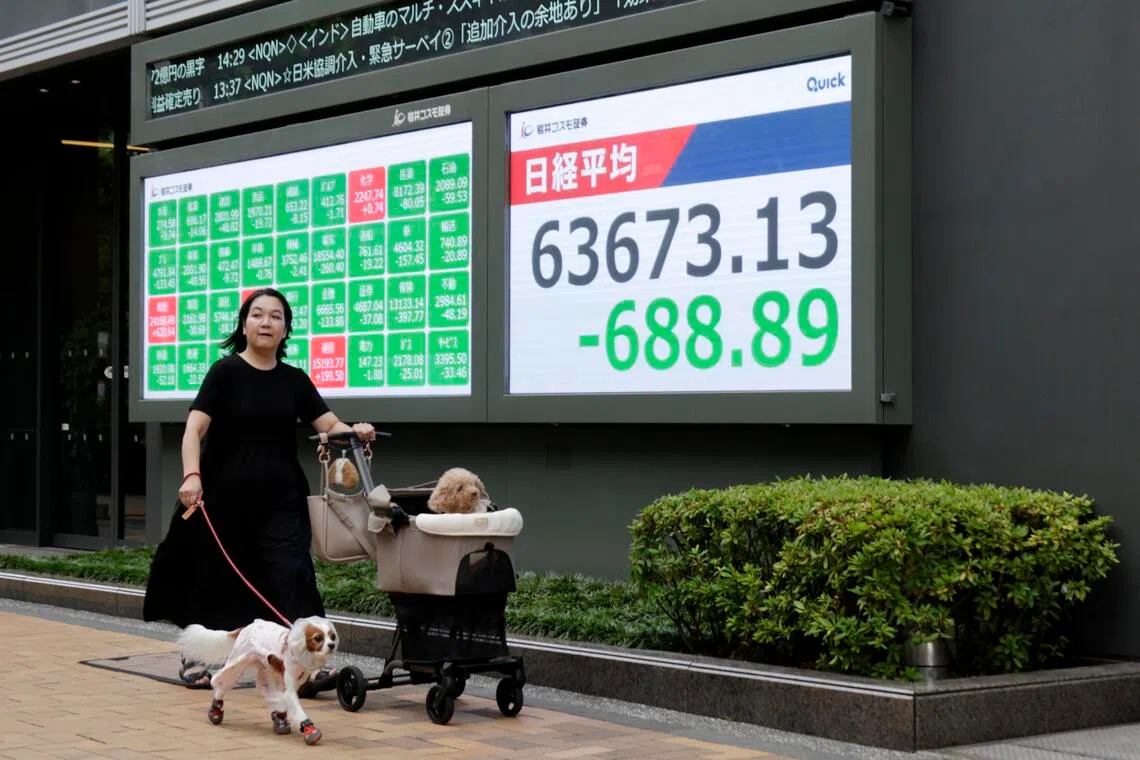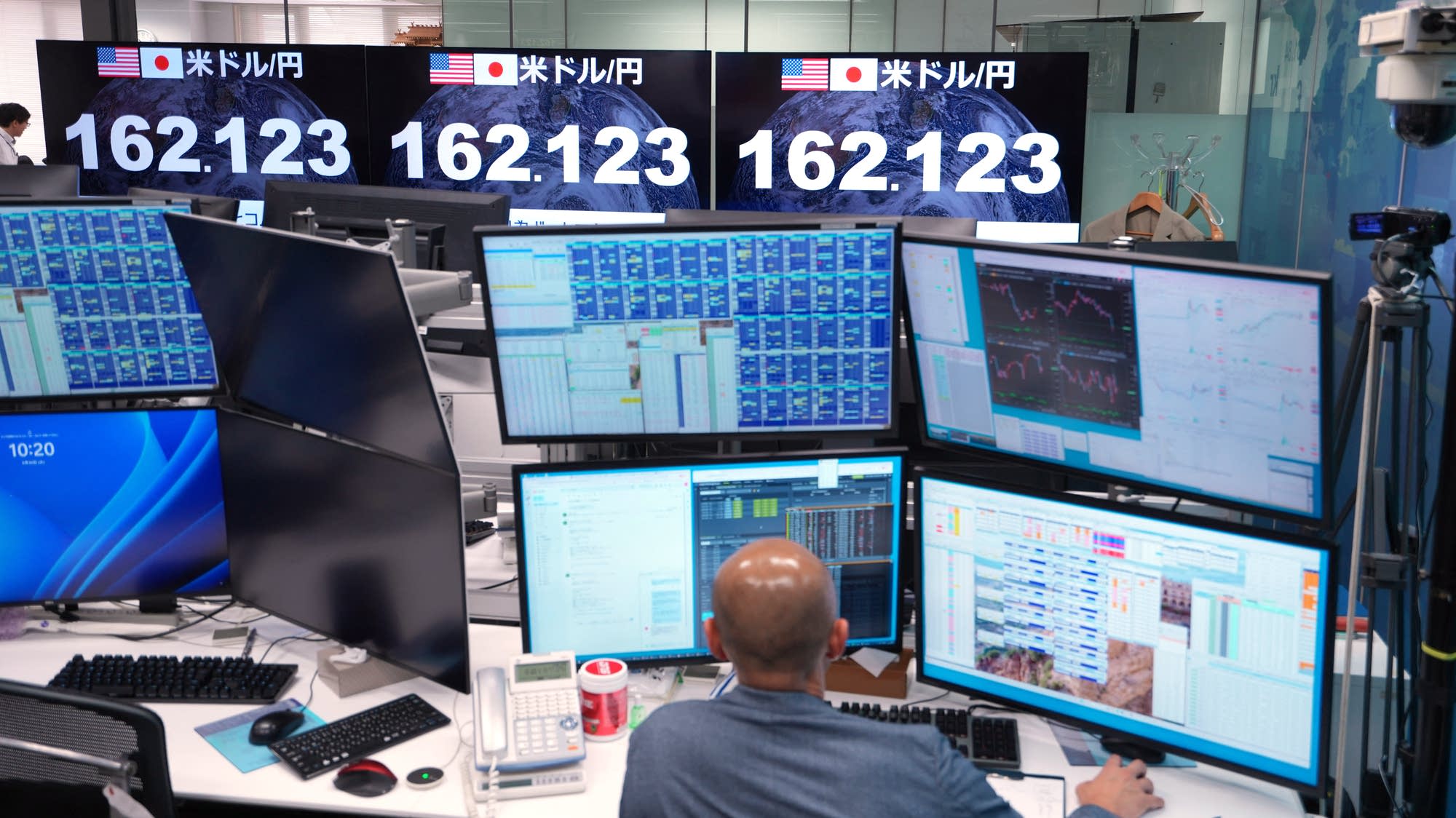
The U.S. Treasury and Japan’s finance ministry worked together last week to prop up the value of Japan’s currency. The two countries reportedly bought tens of billions of dollars of Japanese yen to stop a slide that began in early May. Why would the U.S. bother propping up a currency? In this interconnected world, what happens in Japan does not stay in Japan. The U.S. and Japan said they took joint action because they’re friends. That’s what friends do, they help each other out. But it’s not exactly the whole story. Japan has been a large buyer of U.S. government bonds, said Eswar Prasad, professor of trade policy at Cornell University. In fact, Japan holds the most U.S. bonds of any foreign nation. More than $1 trillion worth. “Japan is getting rid of its U.S. Treasurys. In other words, it's selling dollars and buying yen in order to stabilize its own currency,” Prasad said. Japan has spent tens of billions of dollars to do so. It needs to, said Kathryn Dominguez, professor of economics and public policy at the University of Michigan. “They are a large importer of a lot of goods, most importantly oil,” she said. And oil prices are already up because of the Iran war. But Japan selling U.S. bonds is not great for the U.S. because it lowers bond prices and raises yields. In other words: higher interest rates for you and me. The U.S. buying yen alongside Japan sends a signal to markets, said Lee Hardman, senior currency economist at the Japanese bank MUFG.“Given how important the U.S. is in the world and in terms of financial markets, that definitely helps to support the yen,” he said.The U.S. is also considering expanding a lending tool so Japan can borrow against its bond holdings rather than sell them. “It was obviously put forward by the U.S. to try to ease the risk of further selling in the U.S. Treasury market,” Hardman said.Another reason to keep the dollar from getting too strong against Japan’s yen, said Kathryn Dominguez at Michigan, is trade. “If the dollar strengthens, that hurts our exports on world markets and makes imports more attractive,” she said.Exports would be more expensive overseas and imports would be cheaper here at home — exactly the opposite of what the Trump administration is trying to achieve with its tariff policies.
Why did the U.S. just spend billions to prop up the Japanese yen?
The U.S. wants to prevent Japan selling more U.S. bonds to stabilize the yen, which would send yields higher and interest rates up for U.S. consumers.
393 words~2 min read