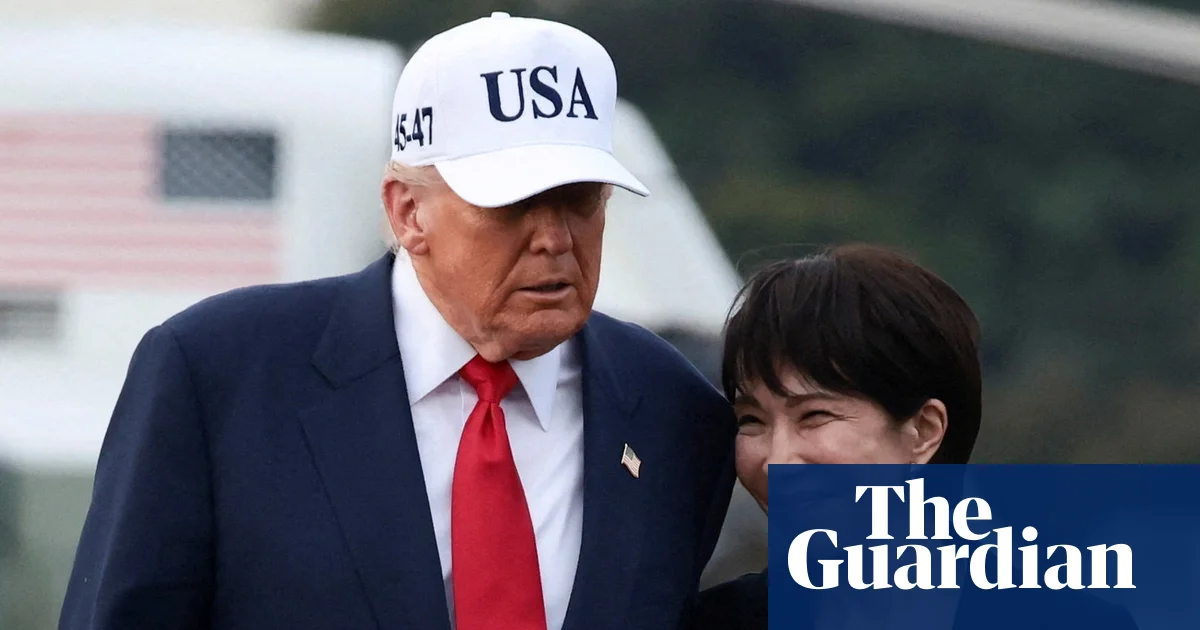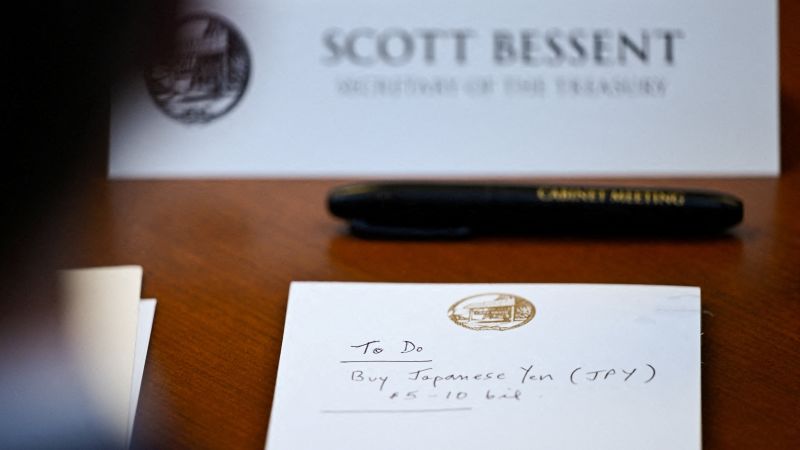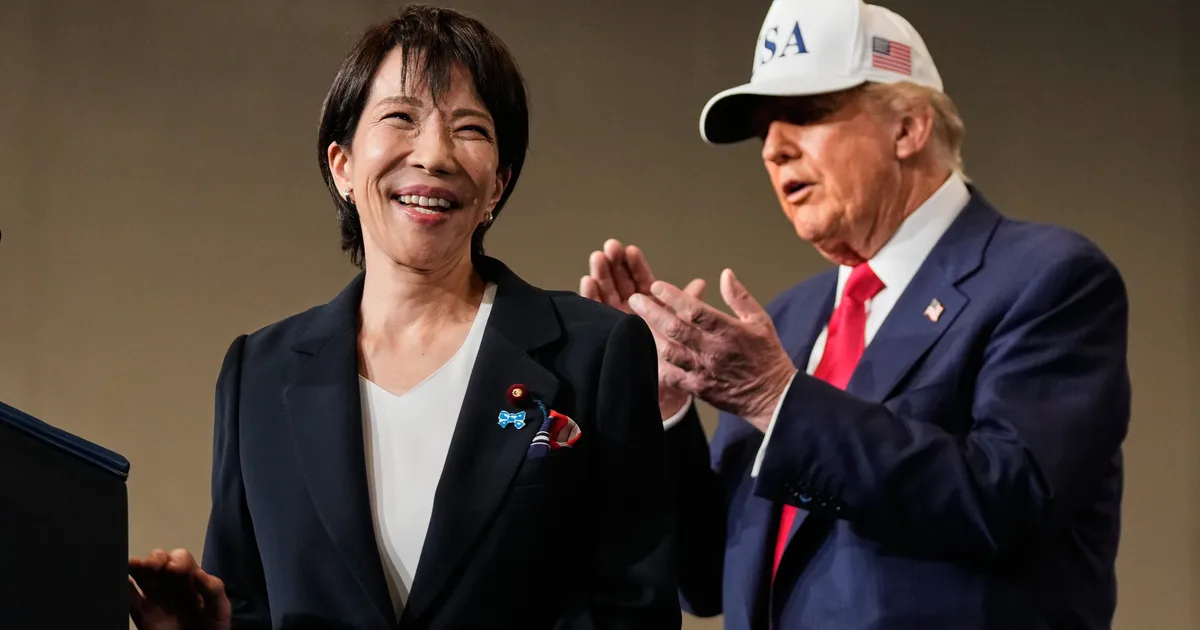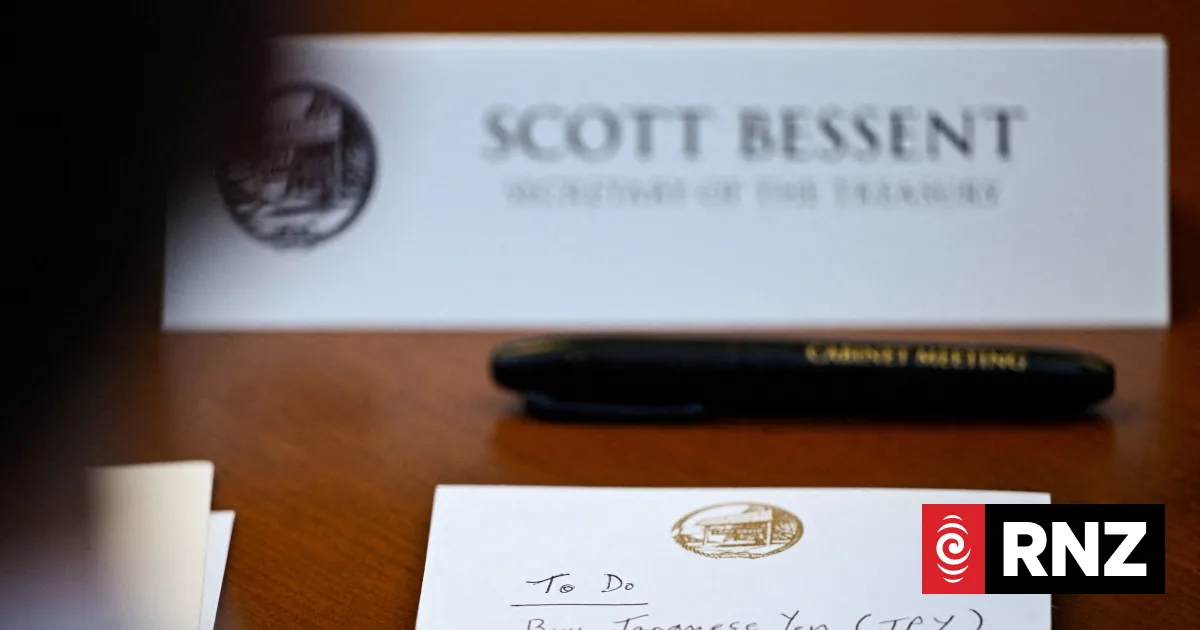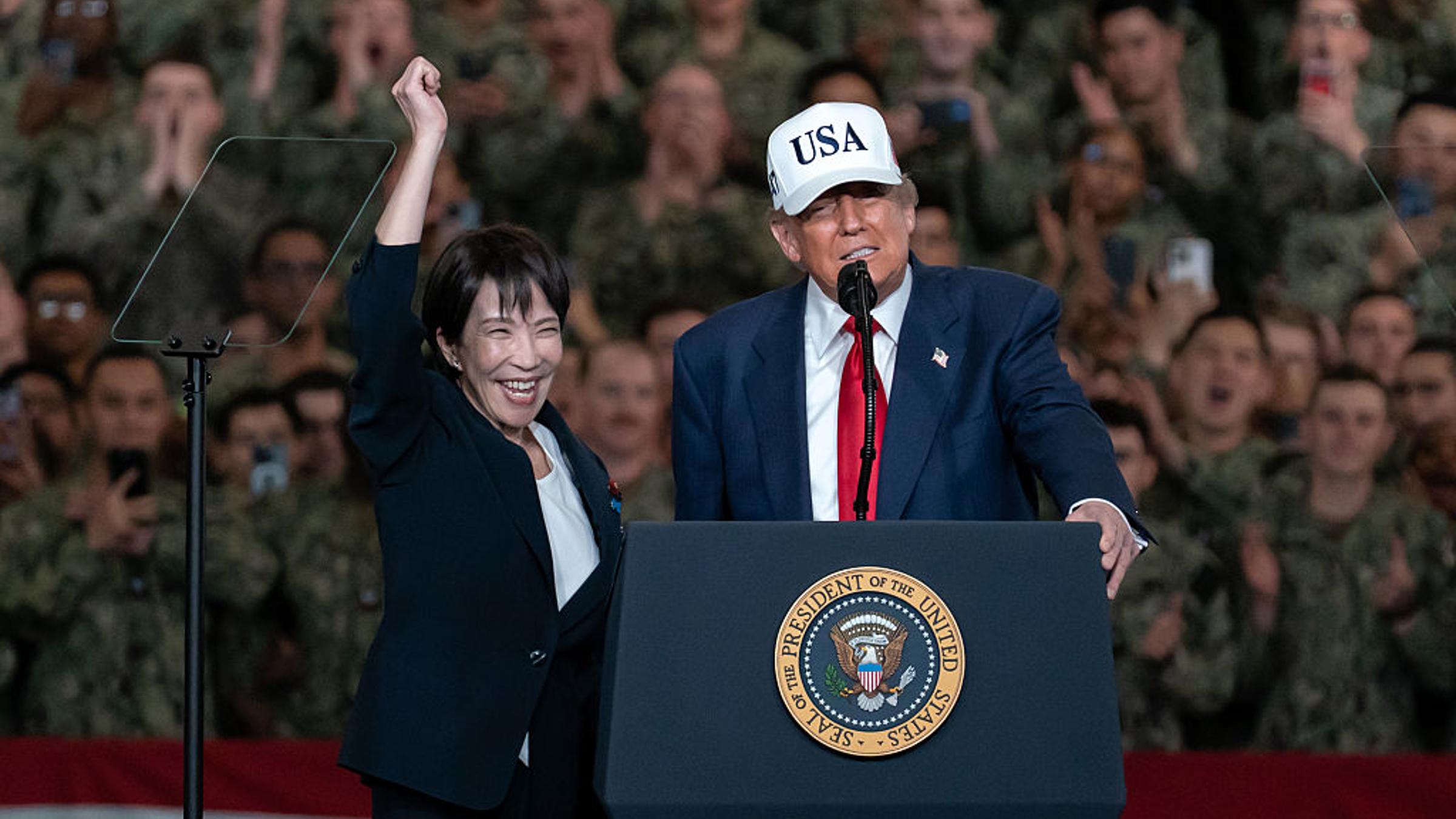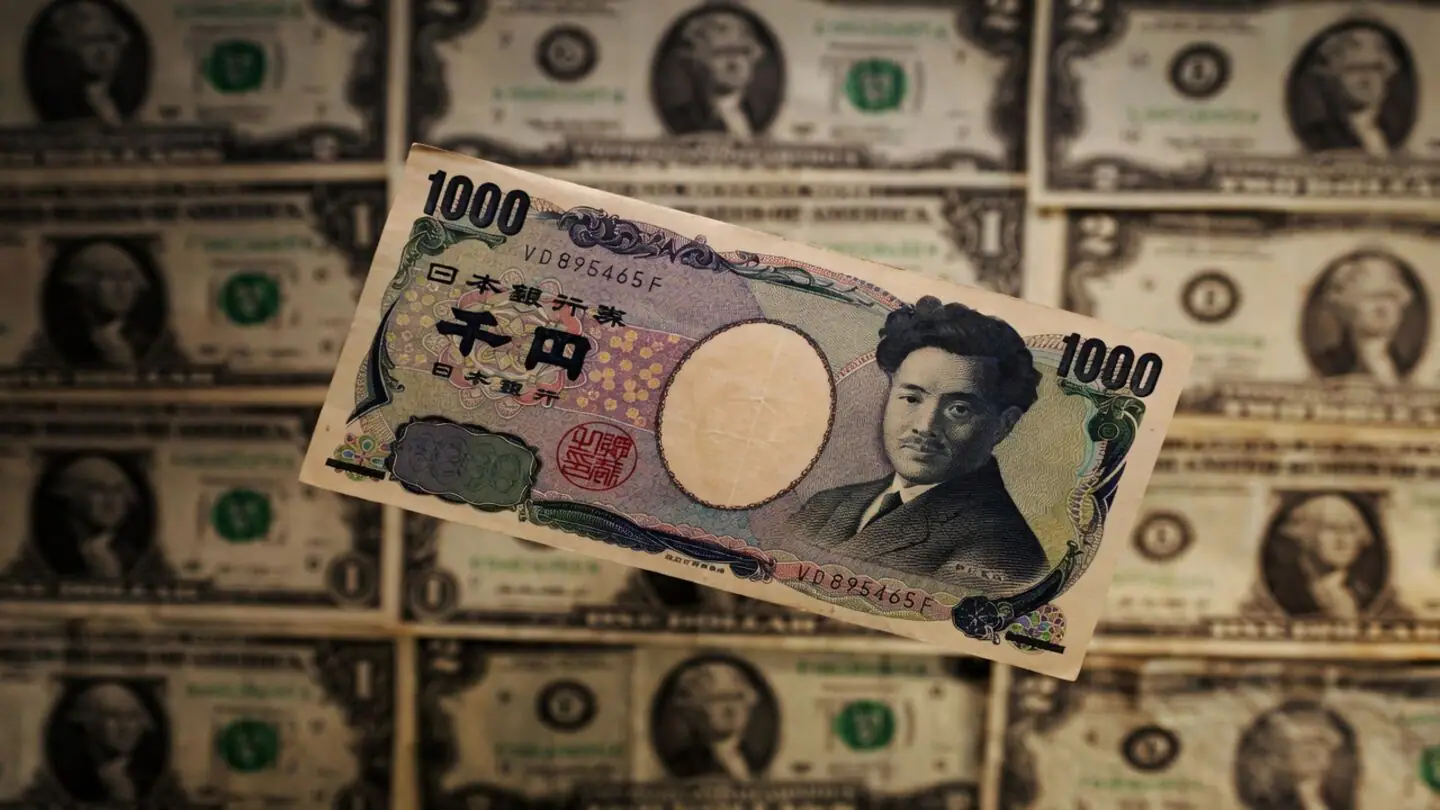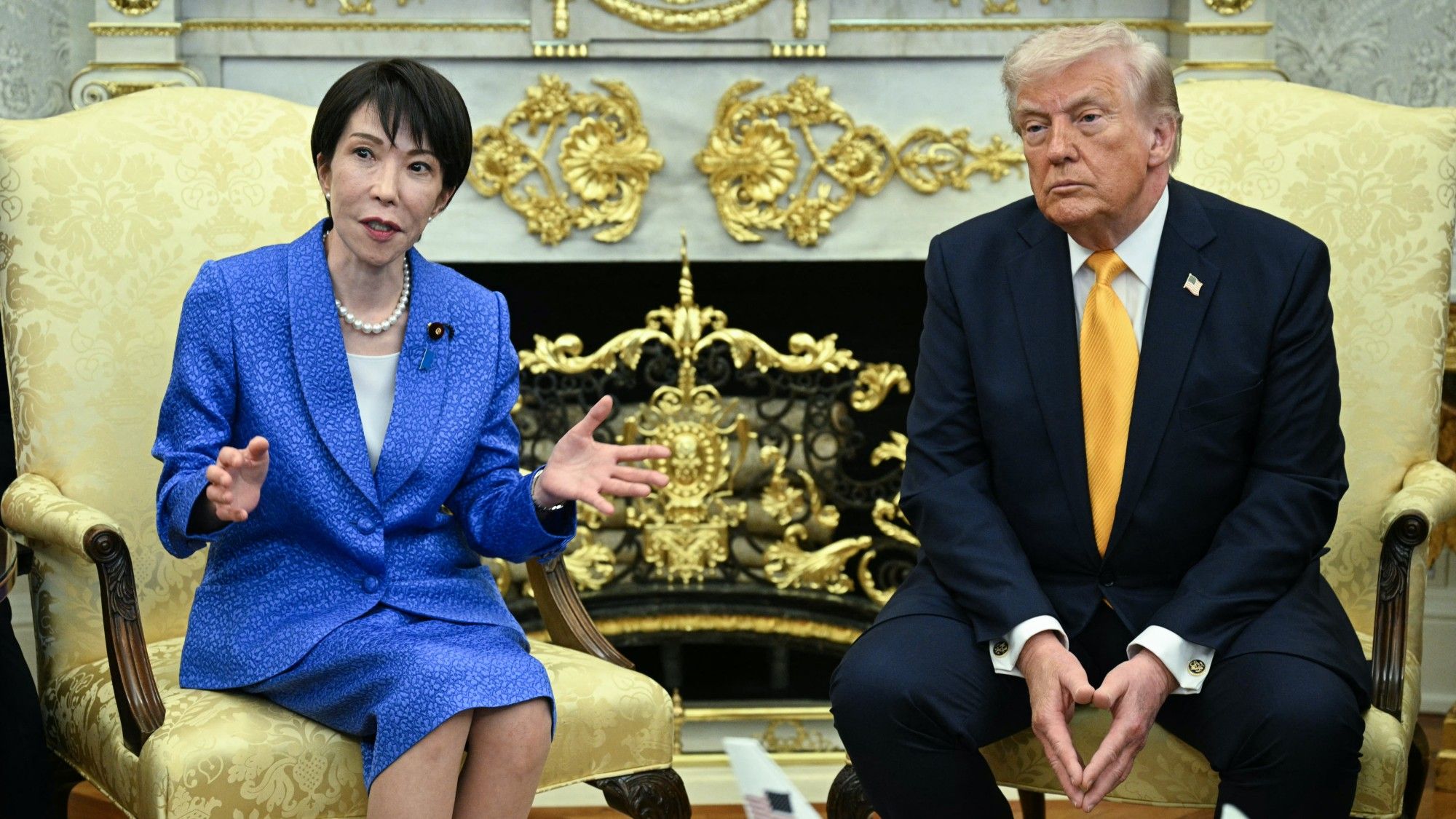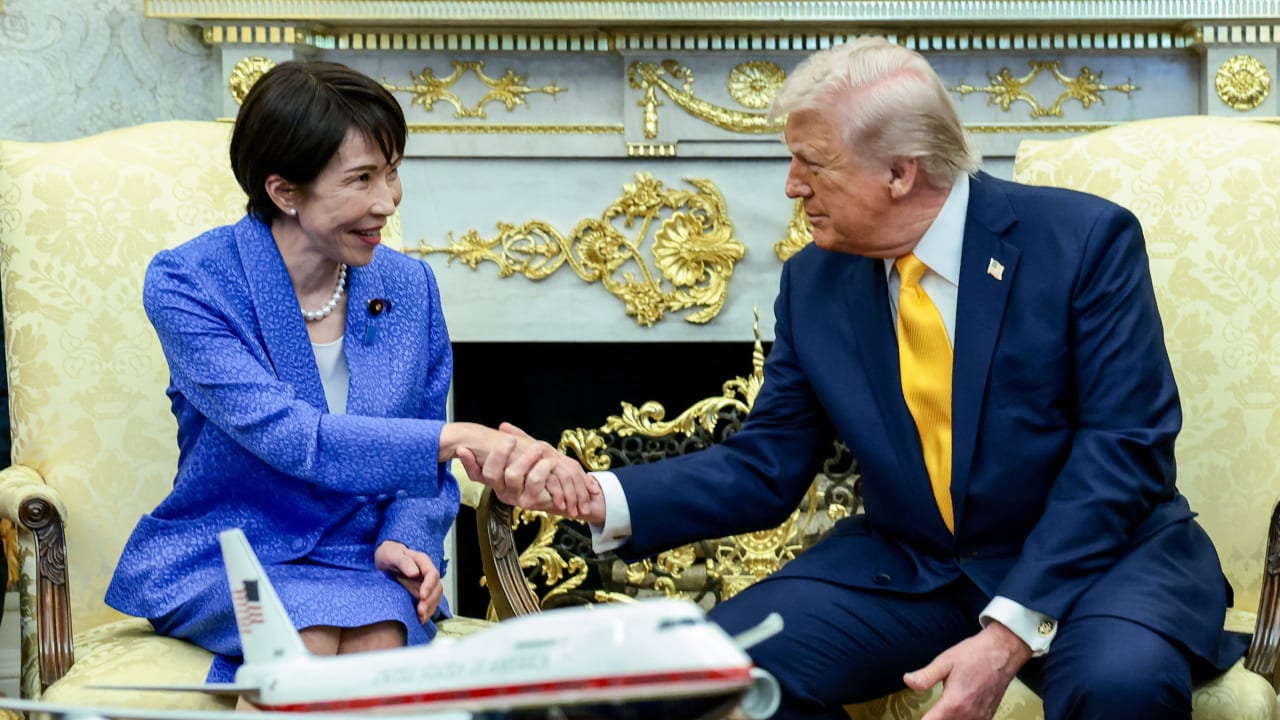
In an extremely rare bilateral move, the US and Japan have intervened to shore up the Japanese yen, which has been steadily losing value and sliding towards a 40-year low. The news was confirmed by the Japanese Finance Ministry this morning. President Trump preceded the announcement by explaining that the US was ‘always there to help Japan’. In truth, there wouldn’t have been much point in denying it – a Reuters photo showed a memo on US Secretary of the Treasury Scott Beasant’s desk with the simple instruction ‘To Do – Buy Japanese Yen (JPY) 5-10 billion’.
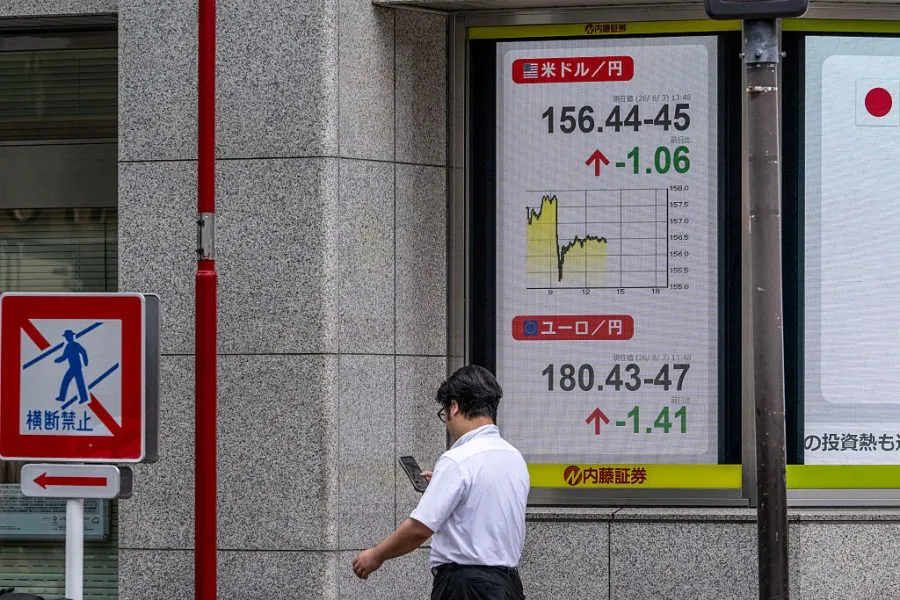
The dollar fell to 157 yen (74p) after the announcement, well down from the 164 (the equivalent of 78p – considered by Morgan Stanley the highest tolerable point for the Japanese government) of the previous week.
This is an extraordinary move. It is the first joint intervention since 2011, which is hardly comparable, as that was when the Japanese economy was reeling from the after-effects of the earthquake, tsunami and nuclear accident. It hints at a certain desperation from Tokyo, especially as Prime Minister Sanae Takaichi is building up to launch her signature 21 trillion yen (£100 billion) economic stimulus package.
At the heart of all this is the terrifying spectre of inflation