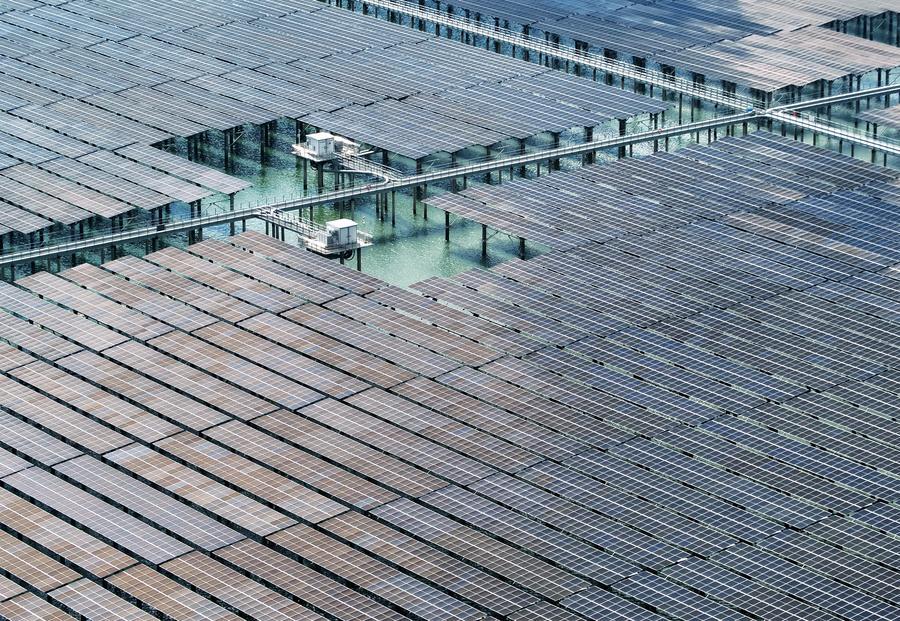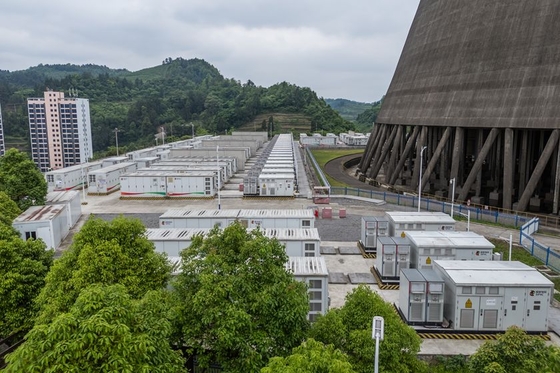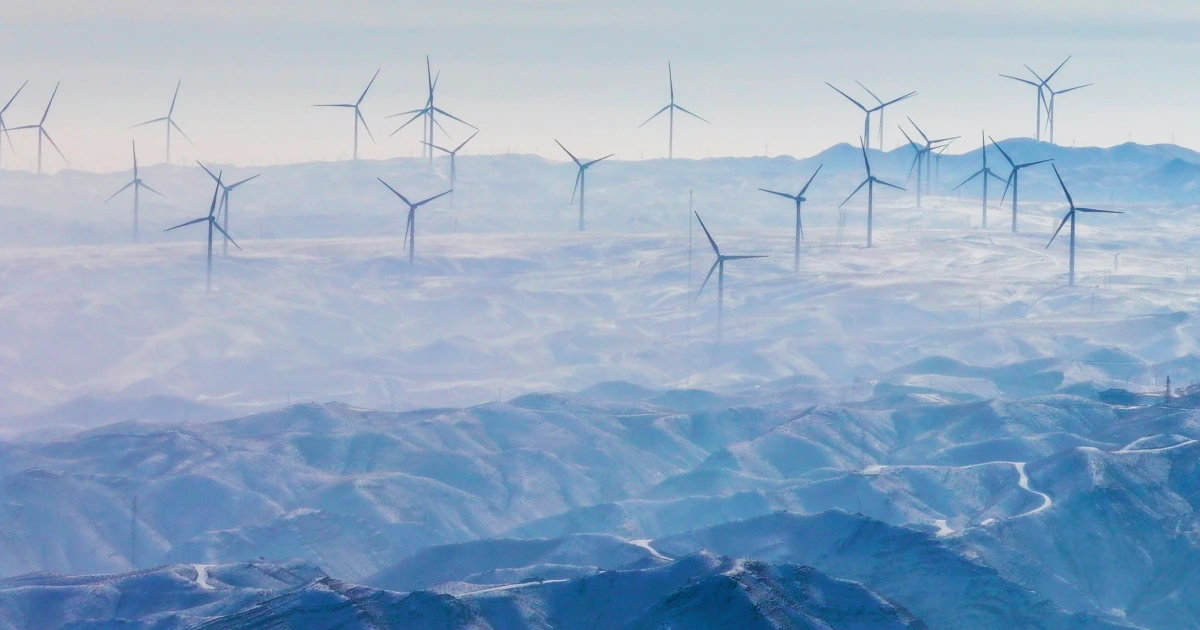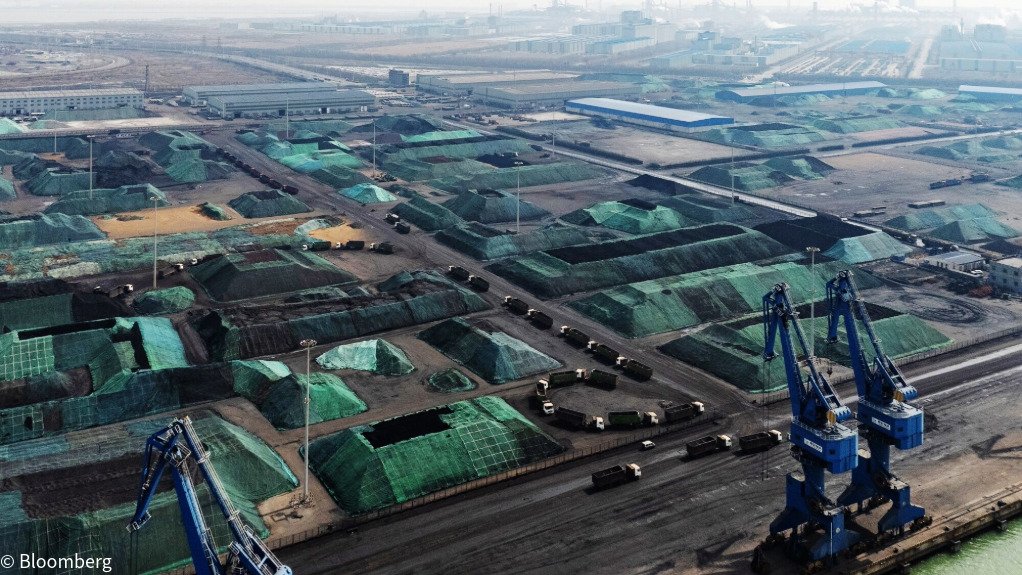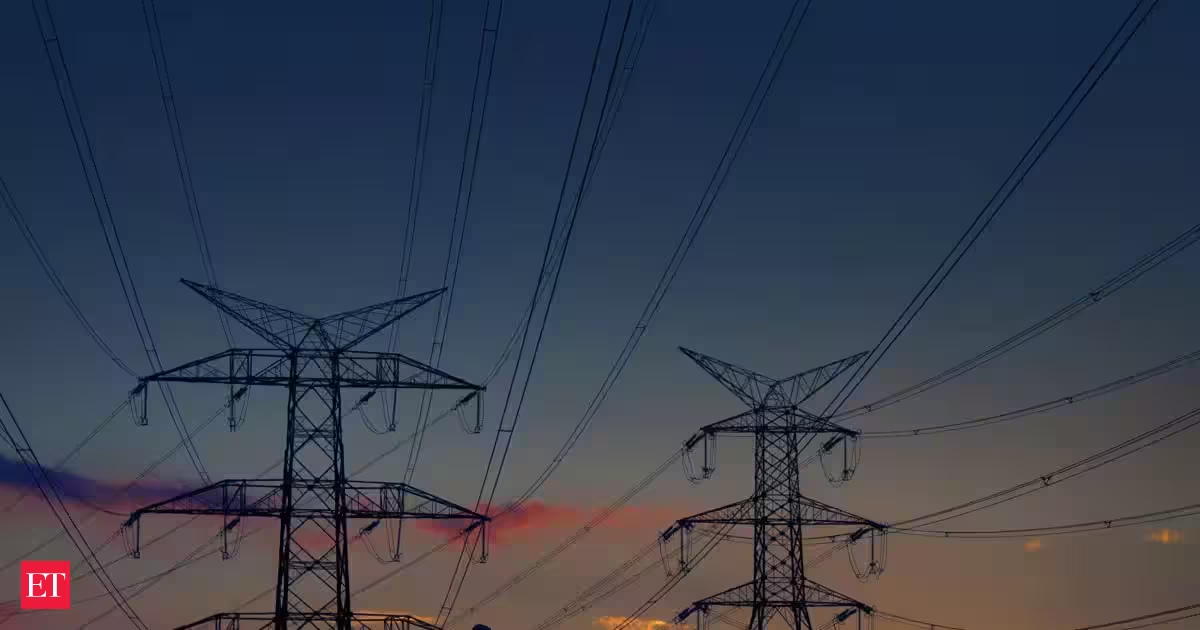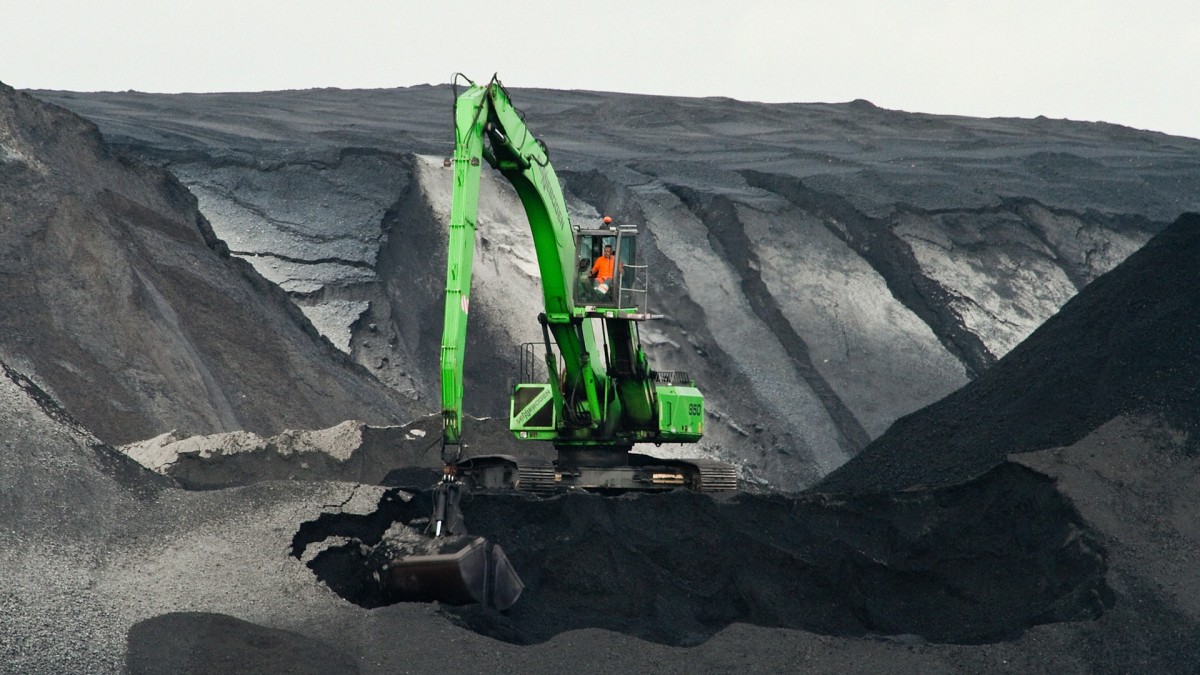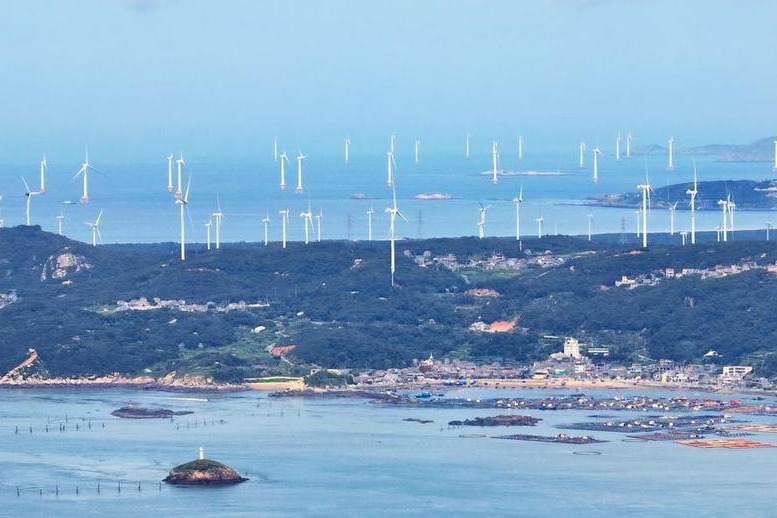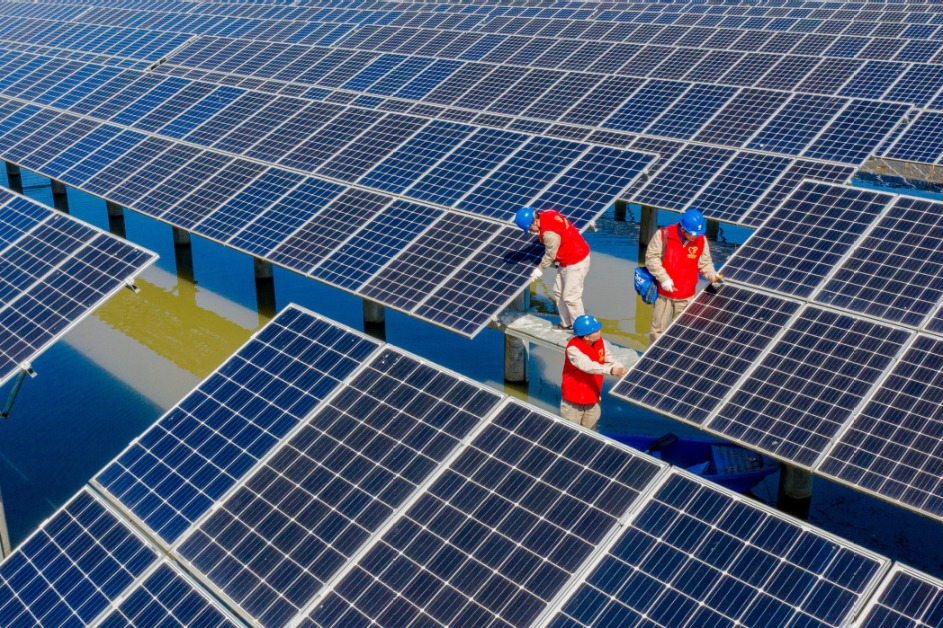
China's national power grid is poised for a historic transformation, with the country officially aiming for non-fossil energy sources to account for 50 percent of its total electricity generation by 2030.
To support this monumental shift, the nation plans to achieve a high-level consumption of more than 2.8 billion kilowatts of new energy and build a nationwide charging infrastructure network capable of supporting over 110 million electric vehicles by the end of the decade.
These ambitious targets were outlined in the 15th Five-Year Plan for New Power System Construction, jointly released by the National Development and Reform Commission and the National Energy Administration on Monday.
The blueprint sets a comprehensive roadmap to preliminarily establish a green, low-carbon, and highly resilient power supply pattern.
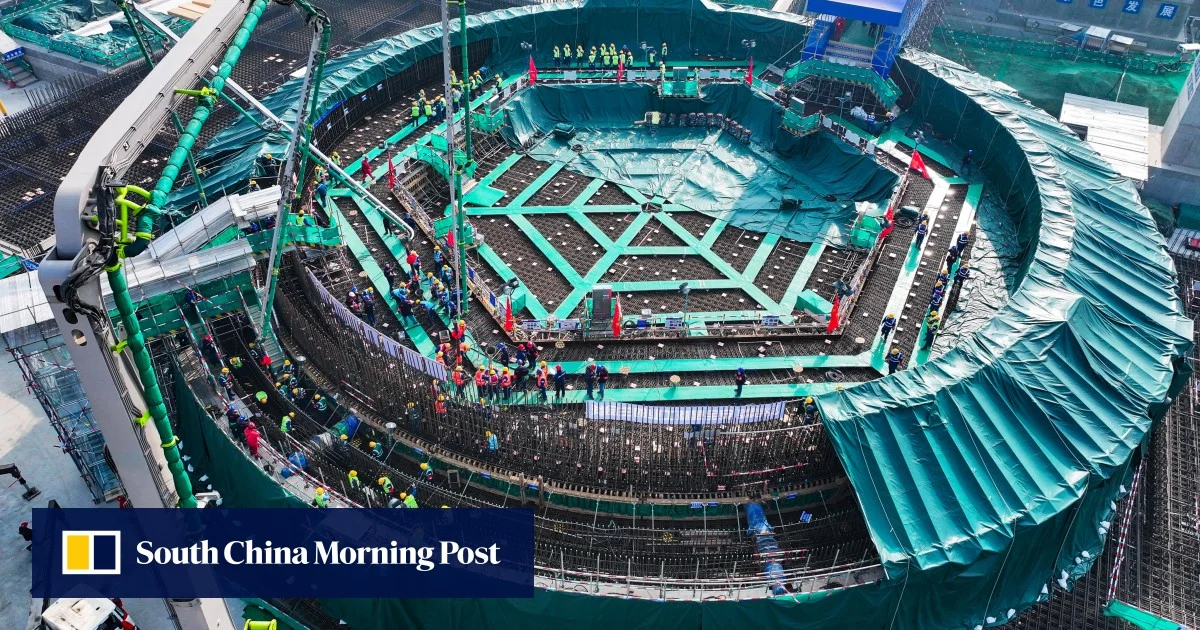
According to the plan, China will vastly expand its clean energy capacity across a diverse portfolio. By 2030, conventional hydropower capacity is projected to reach about 410 million kW, while nuclear power capacity will expand to roughly 110 million kW. Other green generation sources—including biomass, solar thermal, geothermal, and ocean energy—will achieve a combined capacity of about 65 million kW, it said.