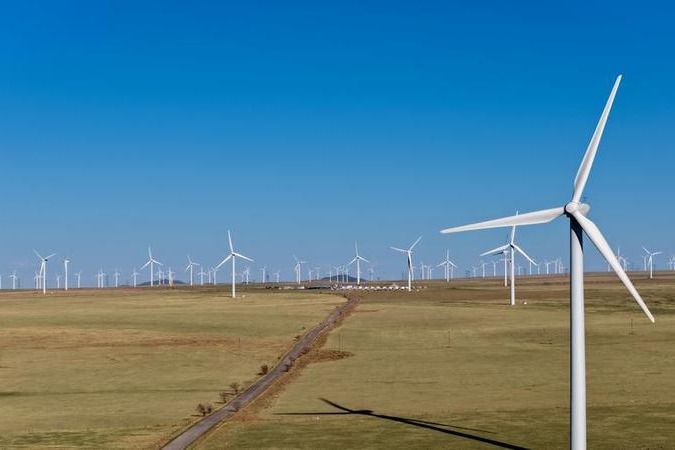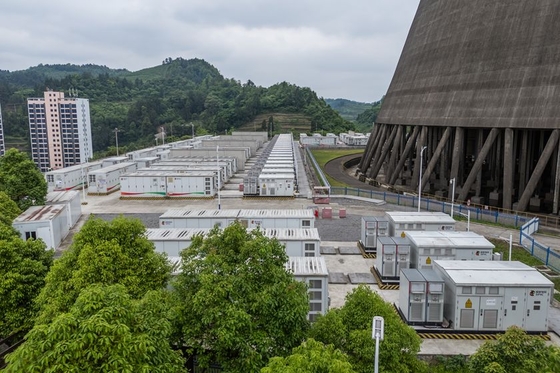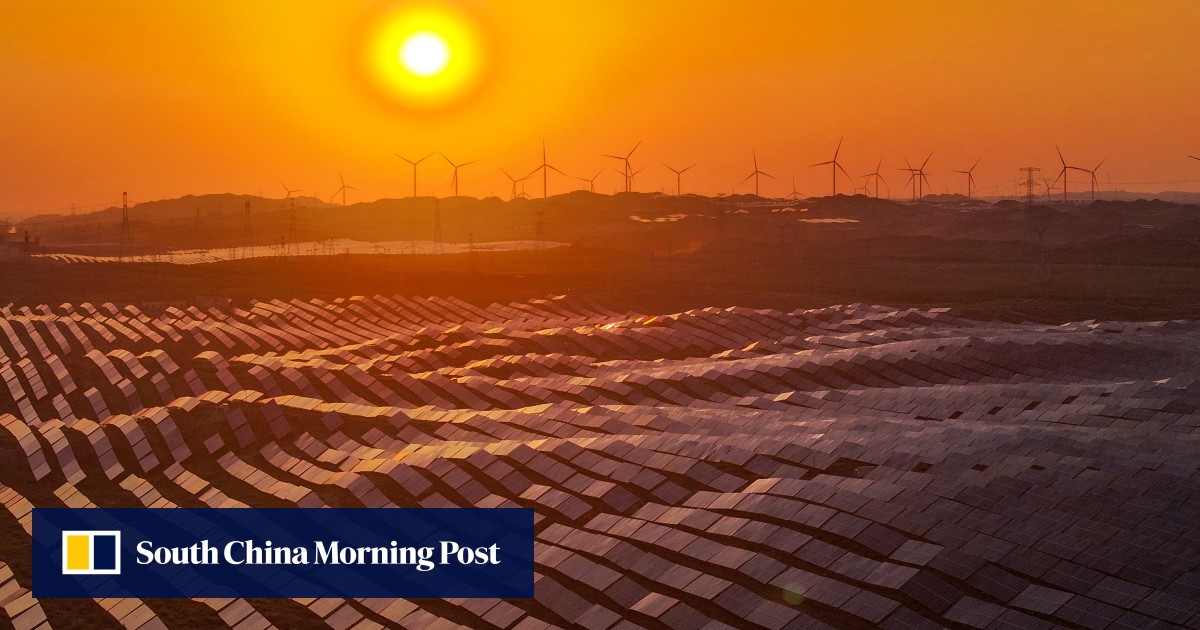
Major infrastructure projects have amped up China’s renewable-energy storage, and 25 per cent of all consumed energy could come from non-fossil-fuel sources by 2030
Despite having the world’s biggest network for charging electric vehicles (EVs), coupled with the largest new-energy storage capacity, China is not resting on its laurels.
Fresh pledges from Beijing call for further accelerating the development of China’s new-energy system amid an increasingly aggressive push to meet carbon-neutrality targets and expedite the nation’s green-energy transition.
“China has built the largest EV-charging network in the world, with two charging stations for every five vehicles, making charging more hassle-free for the people,” said Wang Hongzhi, director of the National Energy Administration (NEA), at a press conference in Beijing on Tuesday that focused on China’s achievements in energy.
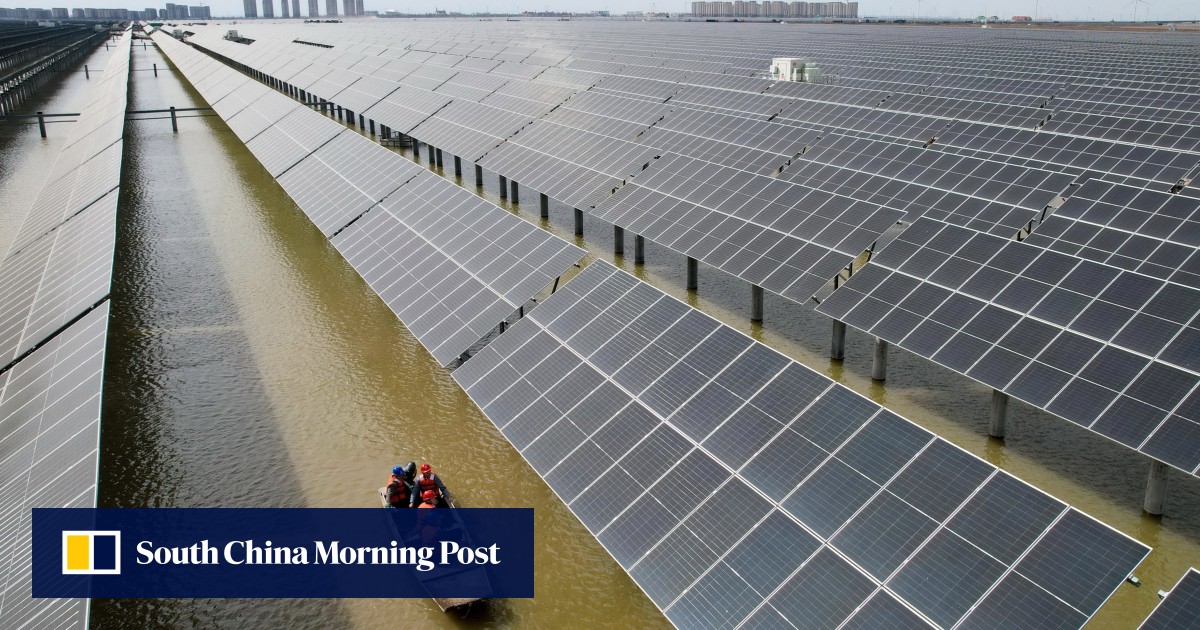
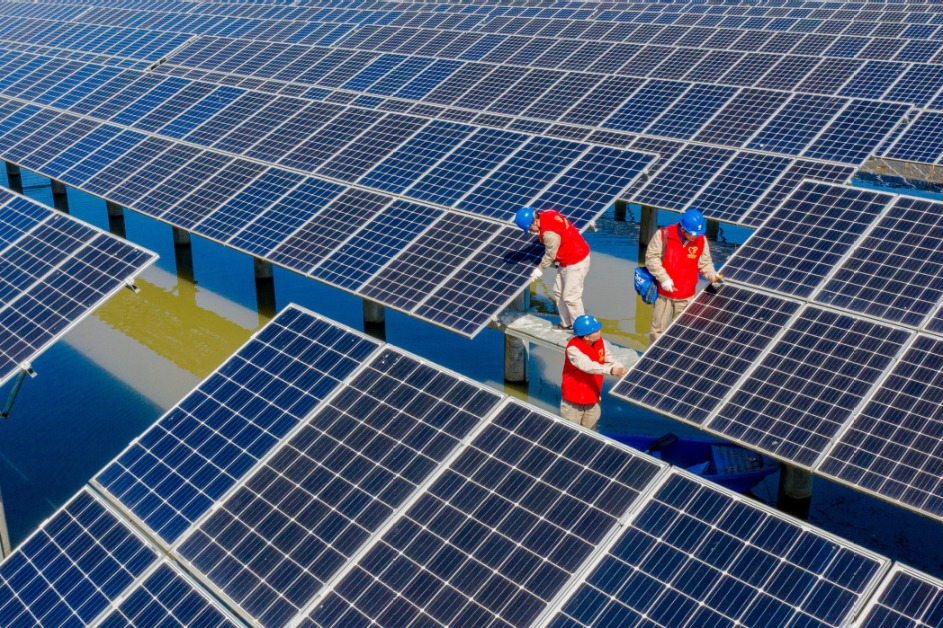
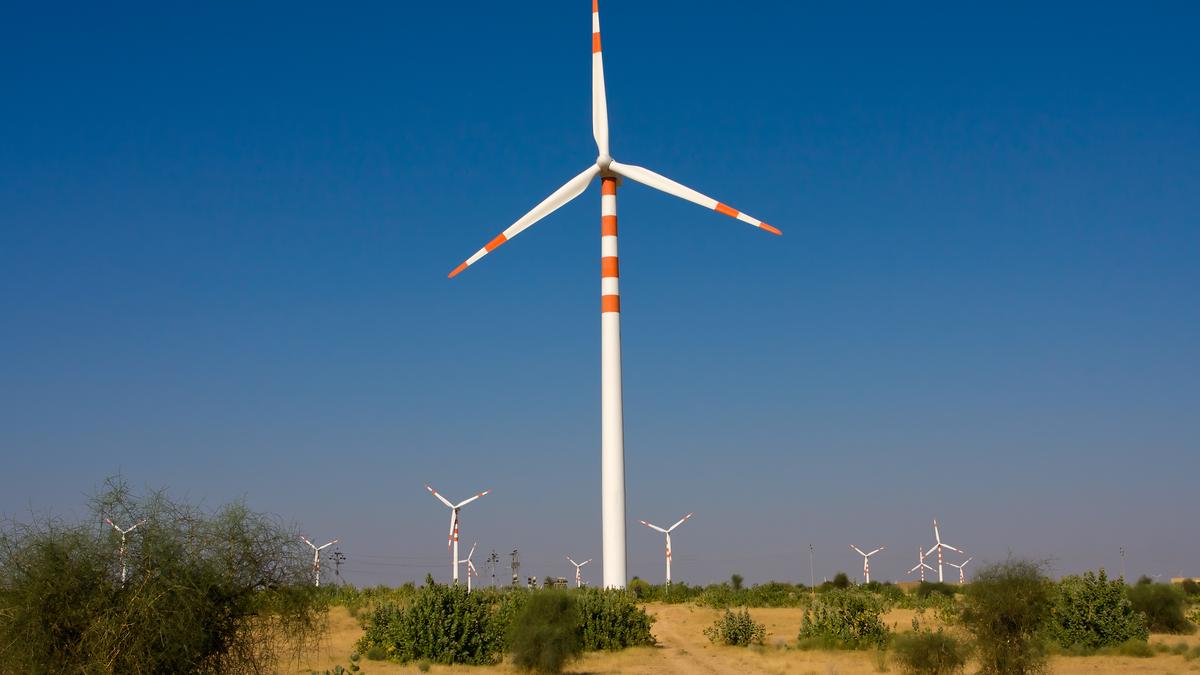
Meanwhile, the country has also significantly boosted renewable-energy storage through major infrastructure projects, and the proportion of power-generation capacity from renewable energy, among all energy-generation capacity, has grown over the past five years from 40 per cent to around 60 per cent, he noted.