https://arab.news/7n5wf
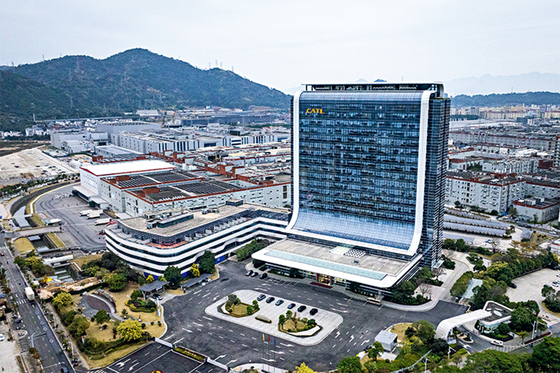
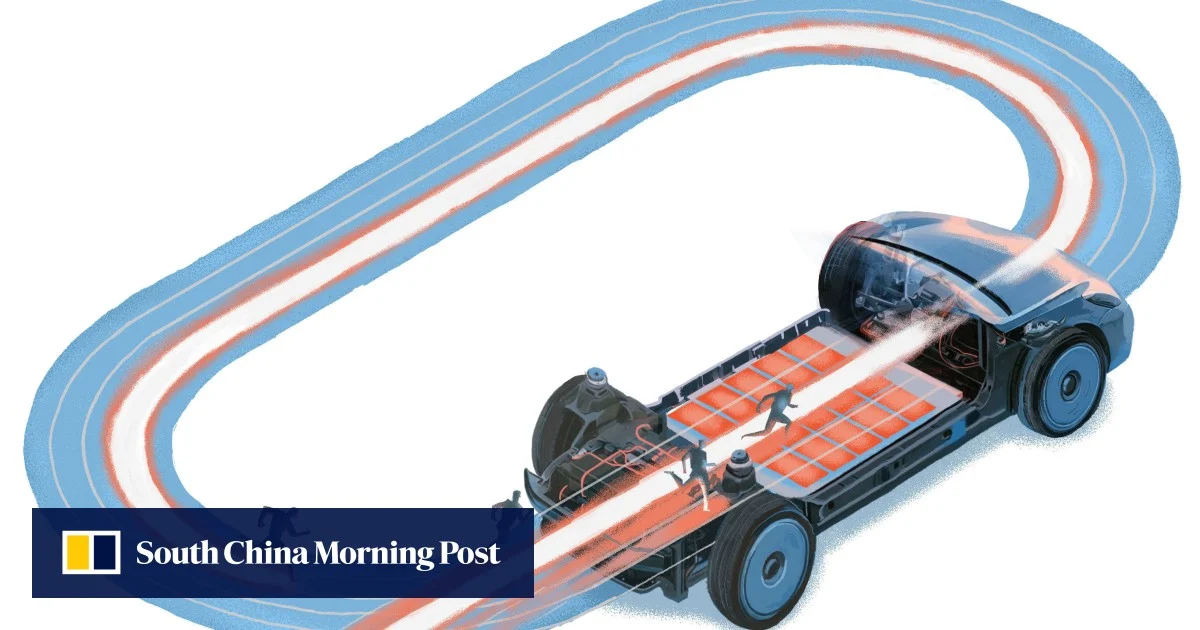
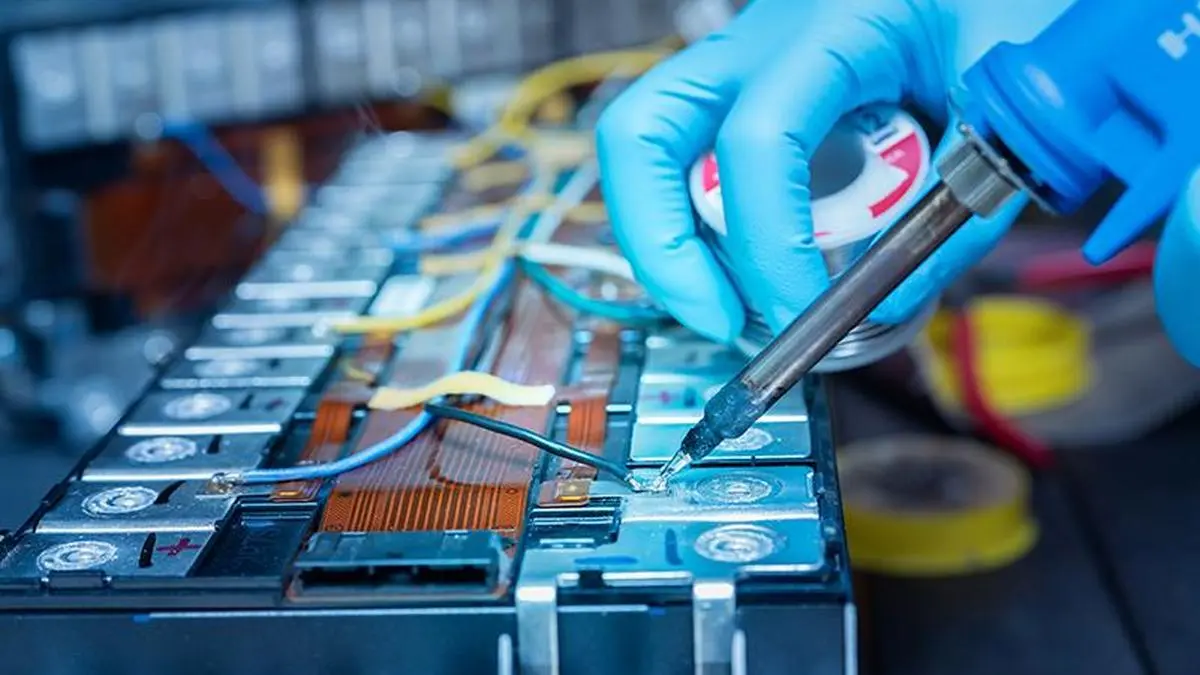
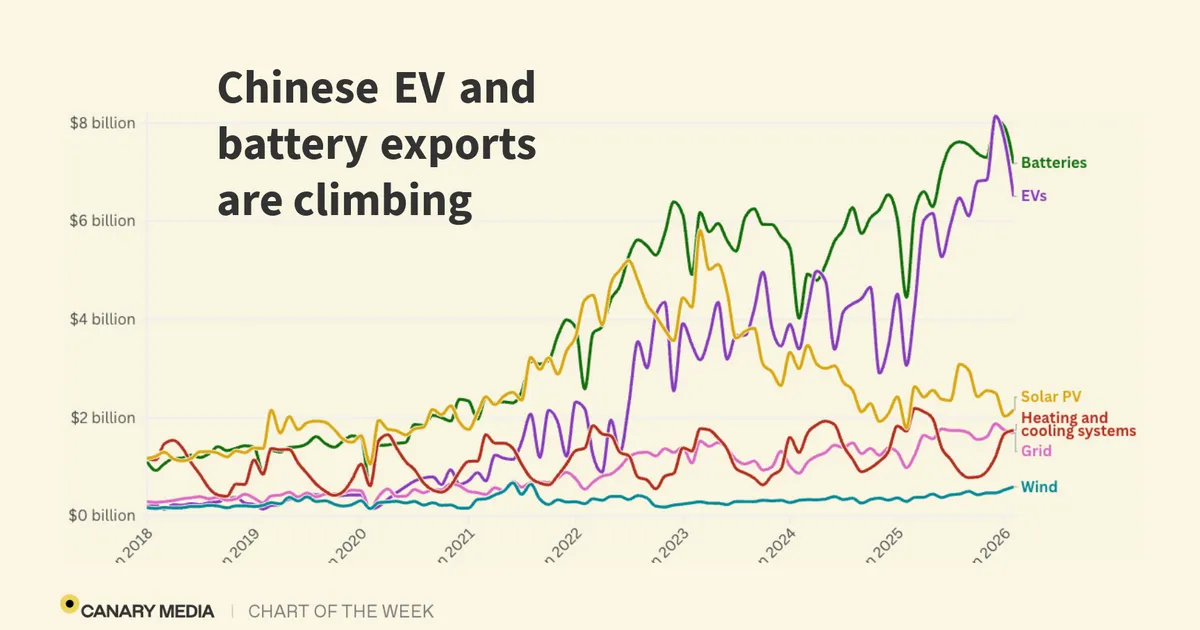
Earlier this year, the Chinese firm CATL, the world’s largest battery-maker, unveiled an electric-vehicle battery capable of delivering a remarkable 520 km of driving range after just five minutes of charging. The announcement came a month after BYD, China’s leading EV manufacturer, launched its own ultra-fast charging system. In solar, too, the numbers are staggering: Chinese firms can now produce over 1,200 GW of solar panels annually.
These feats are a product of the global green-tech race, which China leads by a wide margin. Some frame this as a problem of Chinese oversupply. But another way of looking at it is that the rest of the world is not deploying these technologies fast enough. While China’s green-manufacturing engine is running at high speed, others are idling.
Given this, Europe confronts a strategic choice. It can respond with defensive industrial policy: securing supply chains, raising tariffs, and futilely attempting to catch up. Or it can forge a shared competitiveness agenda, which will allow Brussels to use its strengths — rulemaking, coalition-building, and norm-setting — to shape the deployment environment, define standards, and guide green investment frameworks.