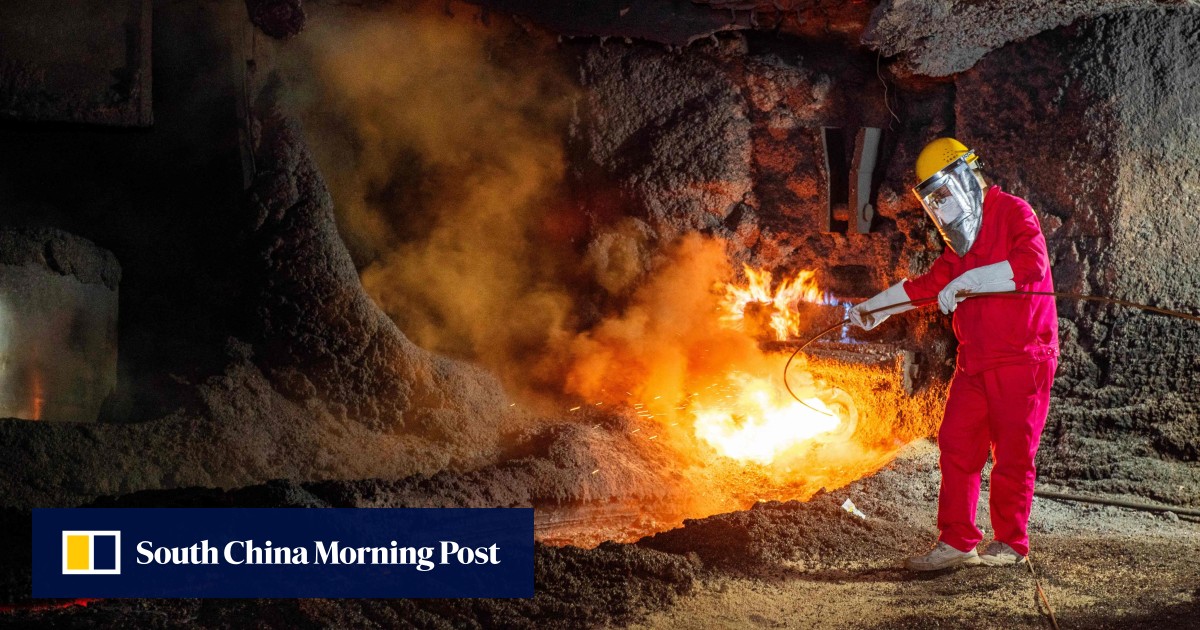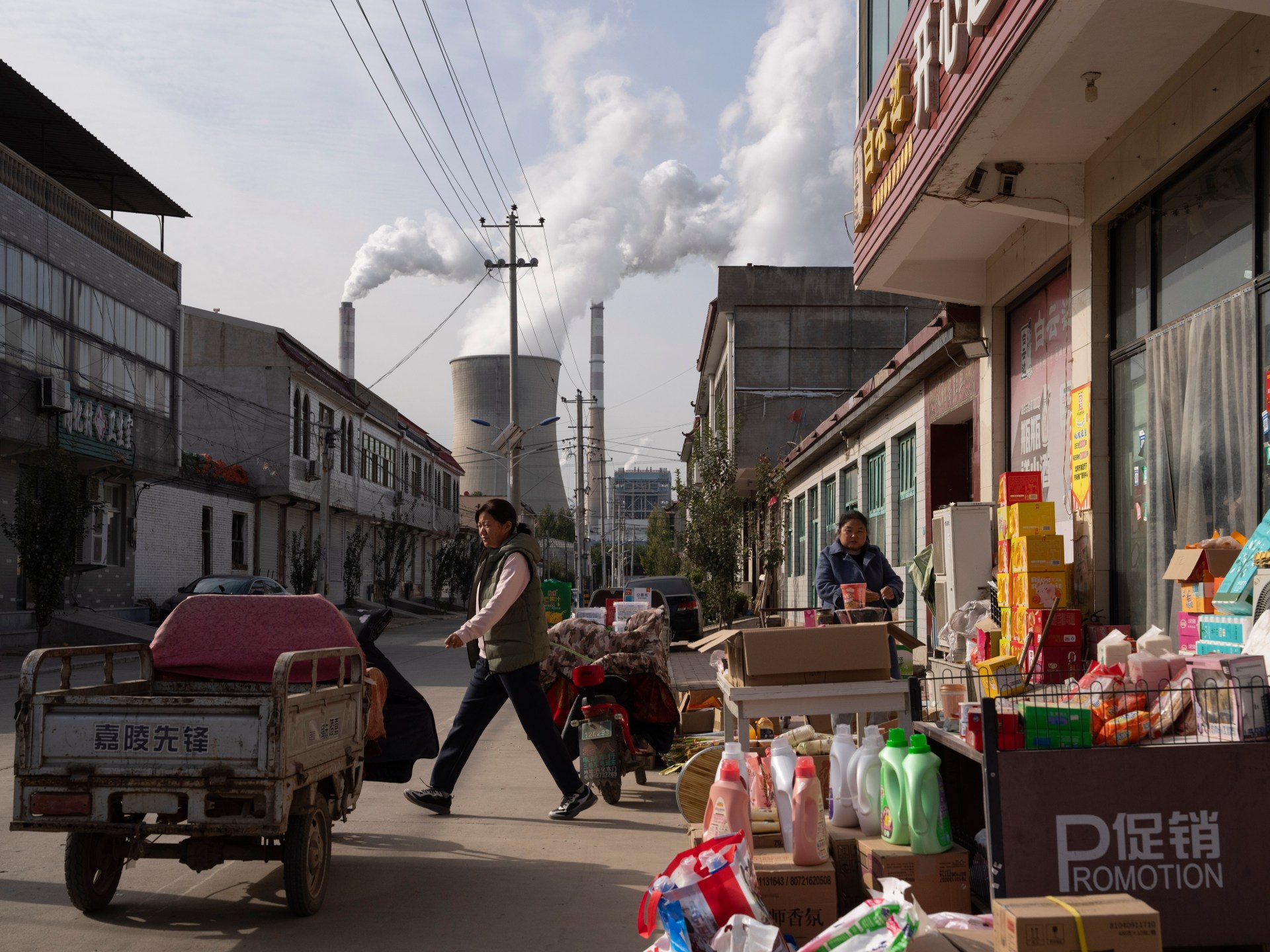
China has pledged to peak its CO2 emissions by 2030 and achieve carbon neutrality by 2060, but observers increasingly believe those emissions may have already peaked. A recent study by the Center for Research on Energy and Clean Air (Crea), a Helsinki-based think tank, suggests that CO2 emissions fell 1% year on year in the first half of 2025, hinting that a peak may have been reached last year. It will be some time before this milestone can be verified. But such a development would have global ramifications: China is the world's largest CO2 emitter, responsible for about one-third of the global total. Here, Energy Intelligence examines the drivers behind this progress and China's record on other targets.
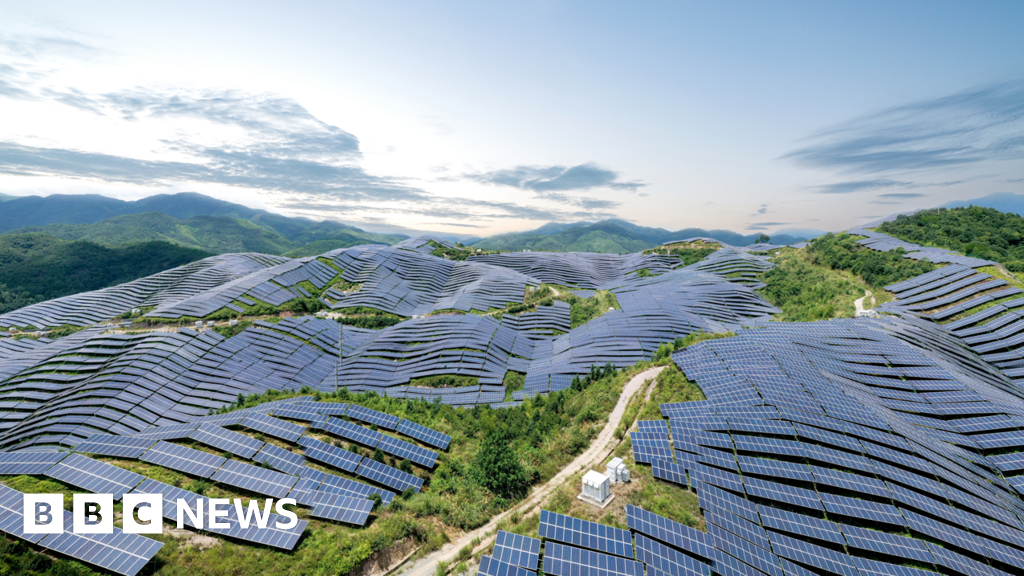
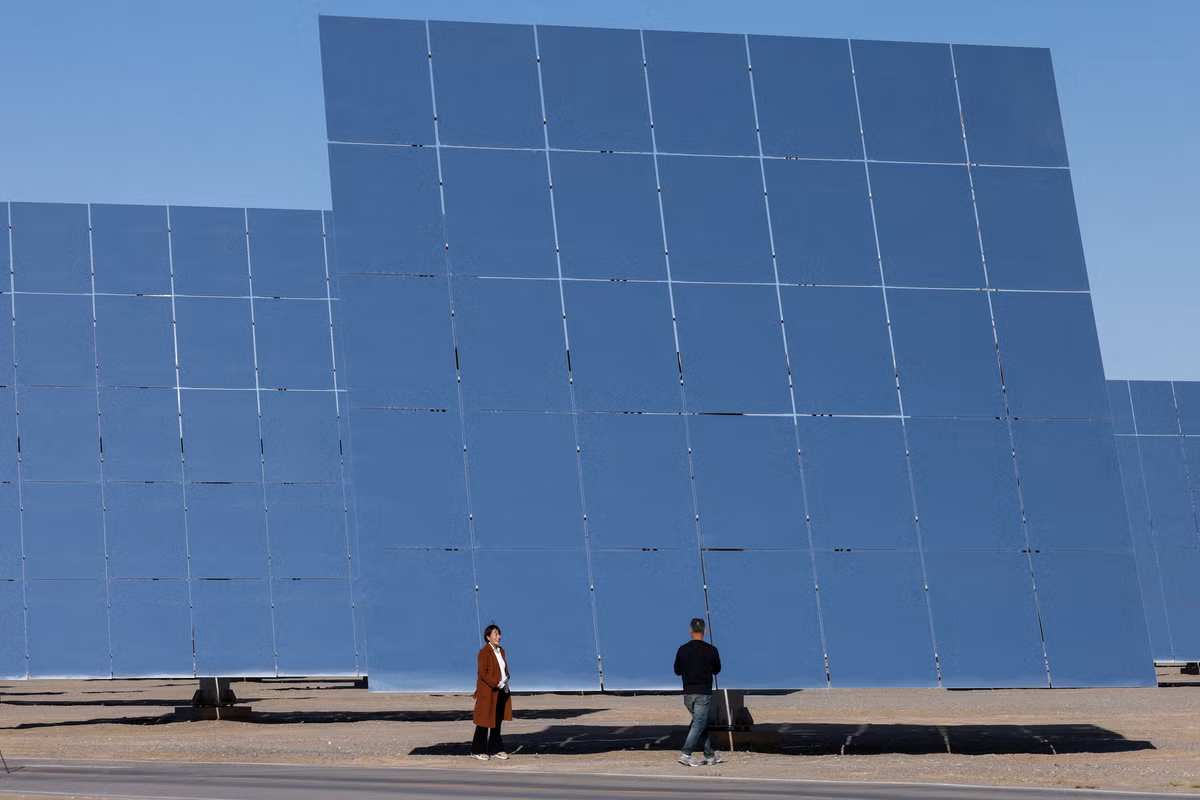
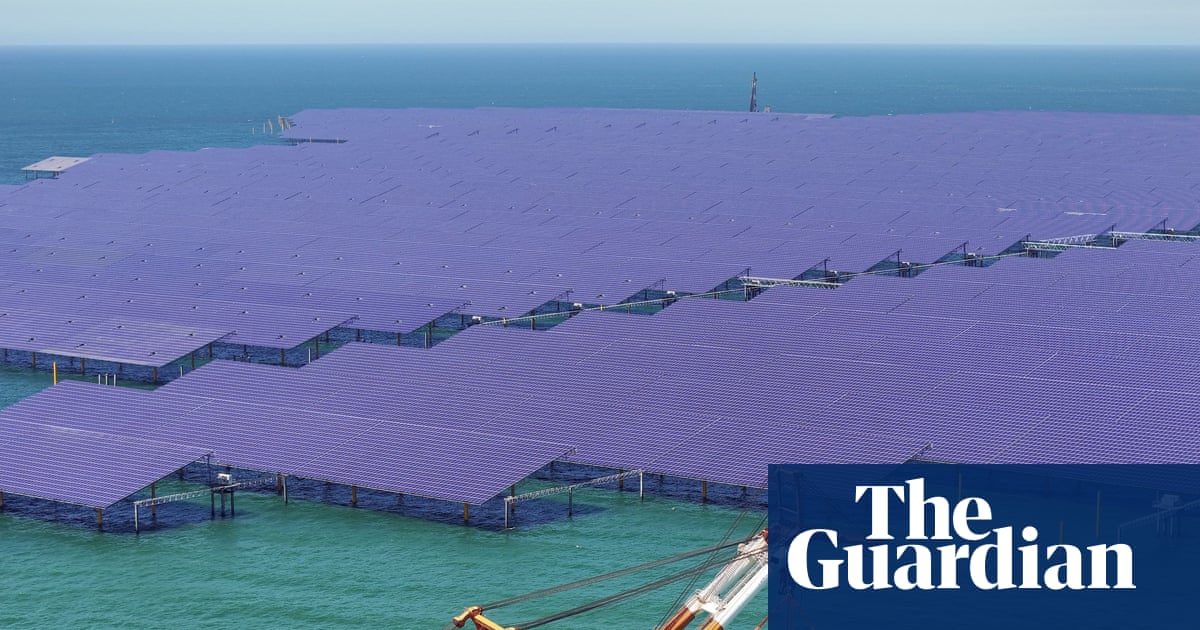
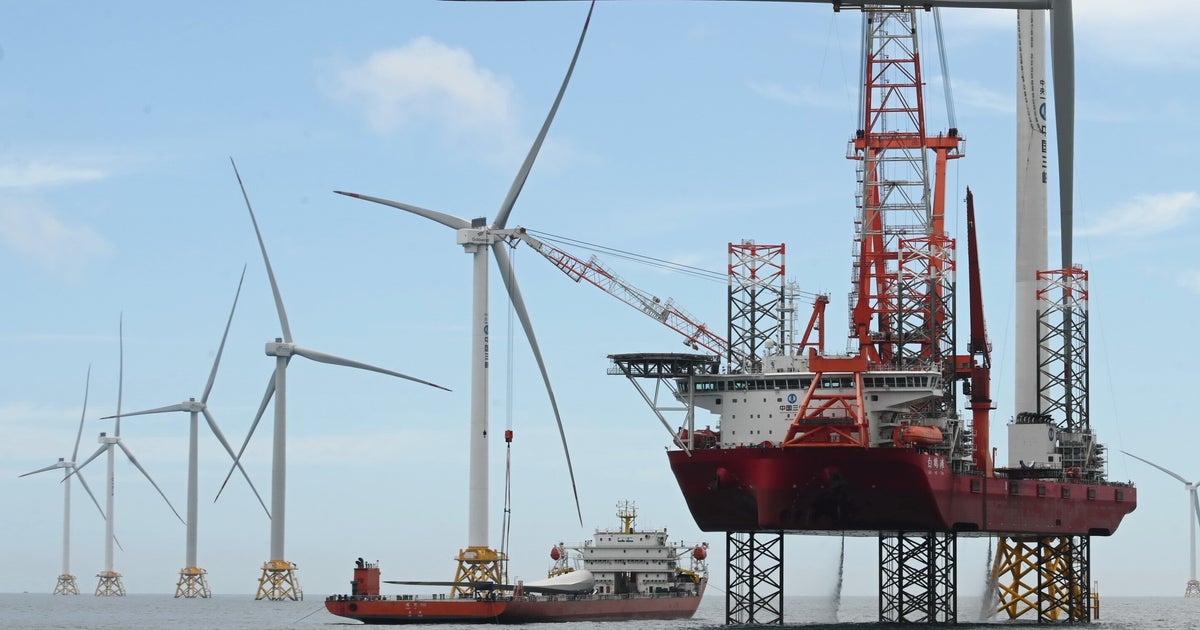
Central to China’s CO2 emissions slowdown is its aggressive expansion of renewables. The share of solar and wind in China’s installed power generation capacity has nearly doubled in the past five years to about 46%, according to official data. Annual additions of wind and solar have successively surpassed 100, 200 and 300 gigawatts in recent years. Carbon emissions from the power sector — China’s largest source of such emissions — dropped 3% in the first half of the year. New solar power capacity alone covered the entire increase in electricity demand in that period. Crea estimates that clean power generation — excluding hydro — grew by 270 terawatt hours in the first half, compared with total demand growth of 170 TWh. "The growth in clean power generation significantly outpaced demand," Crea’s lead analyst, Lauri Myllyvirta, told Energy Intelligence.