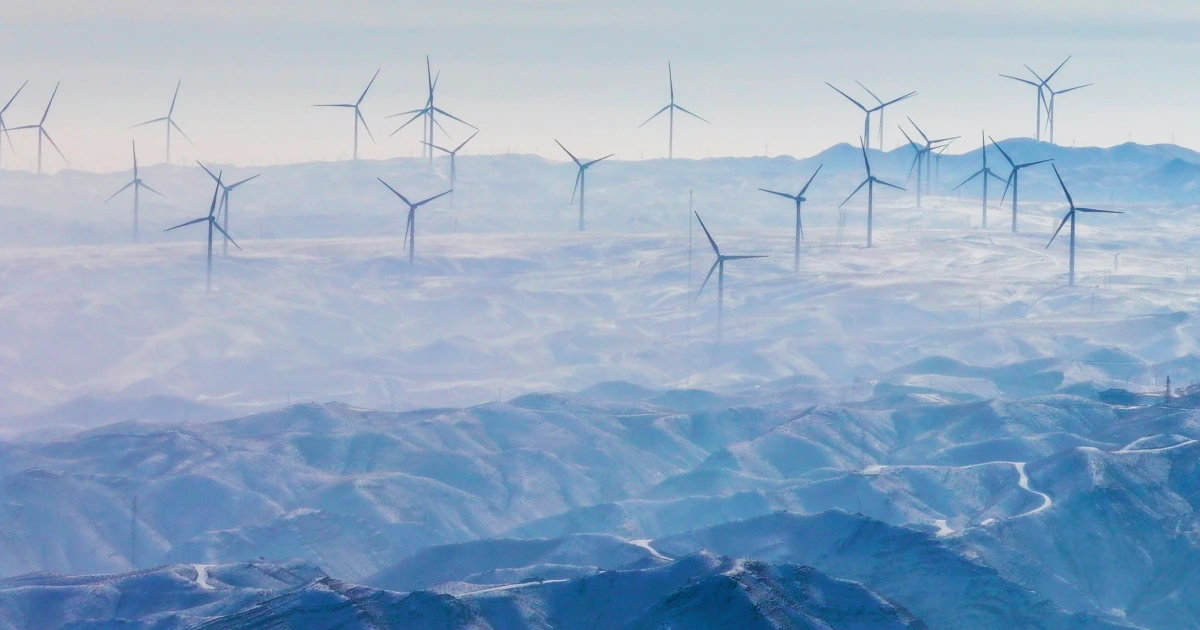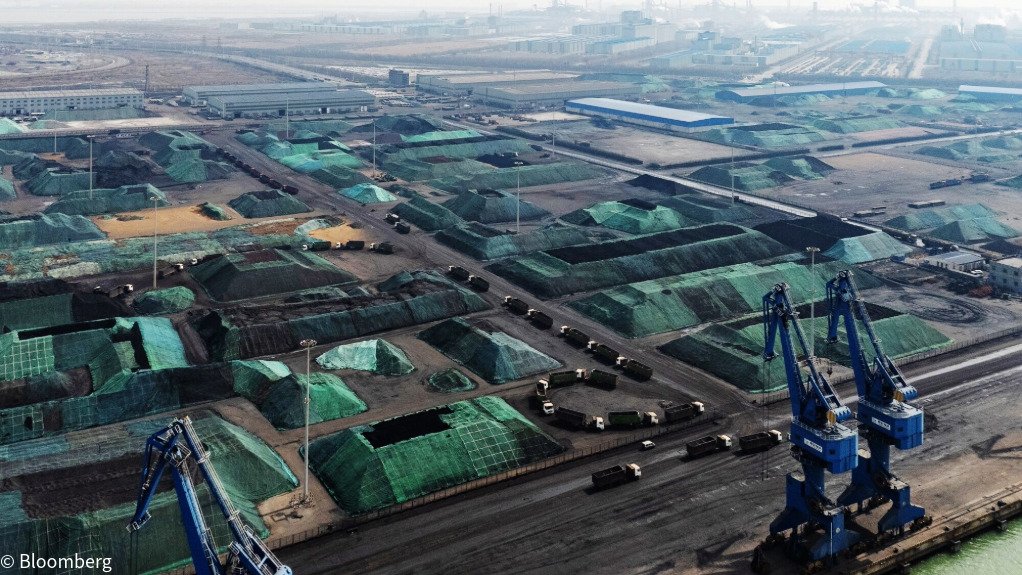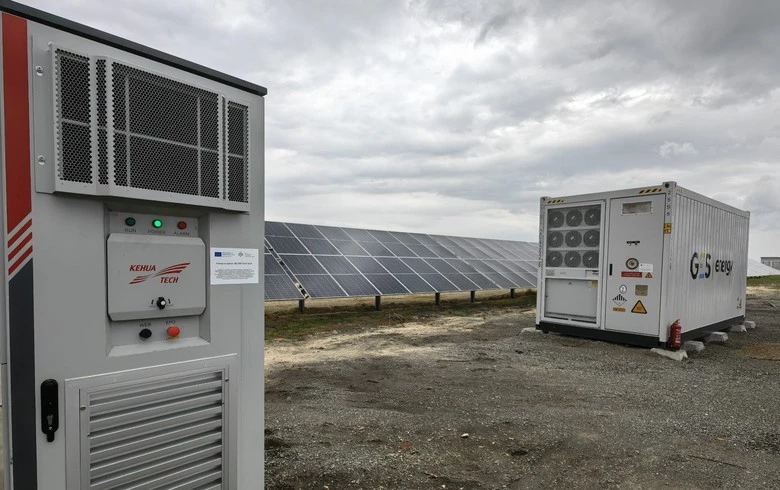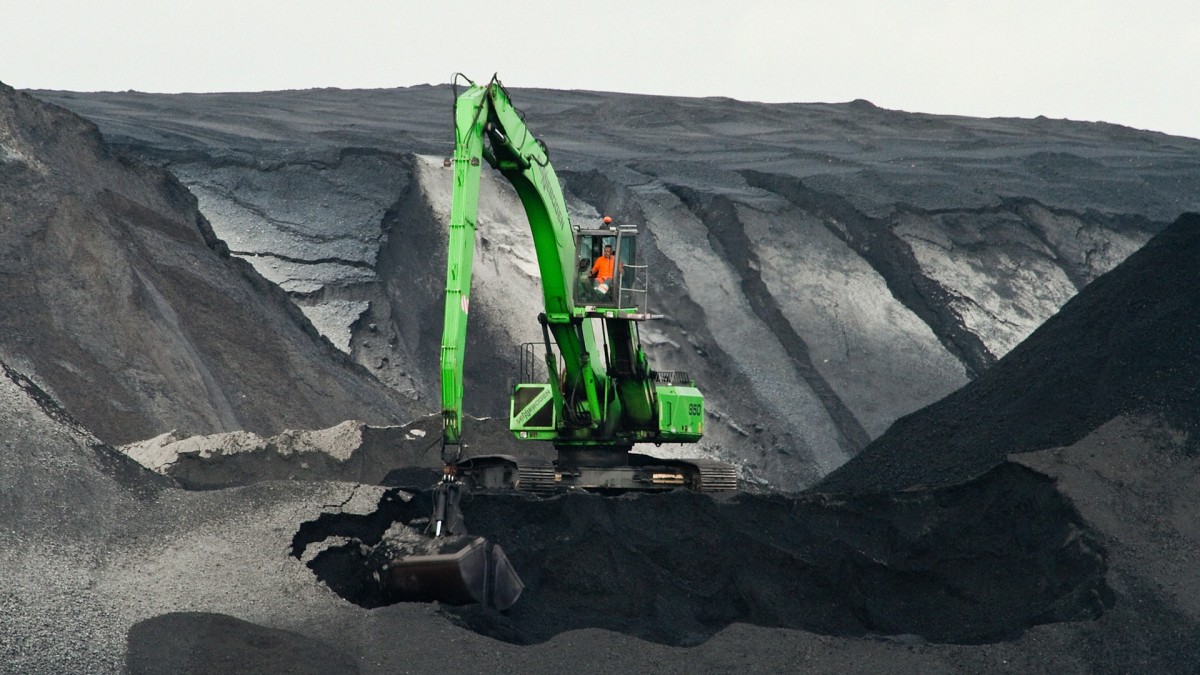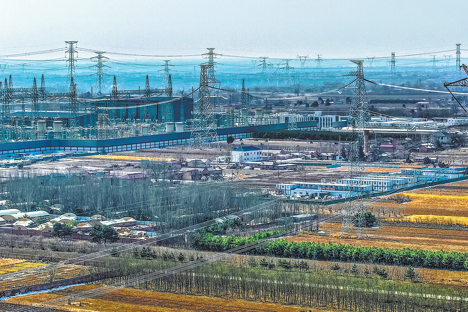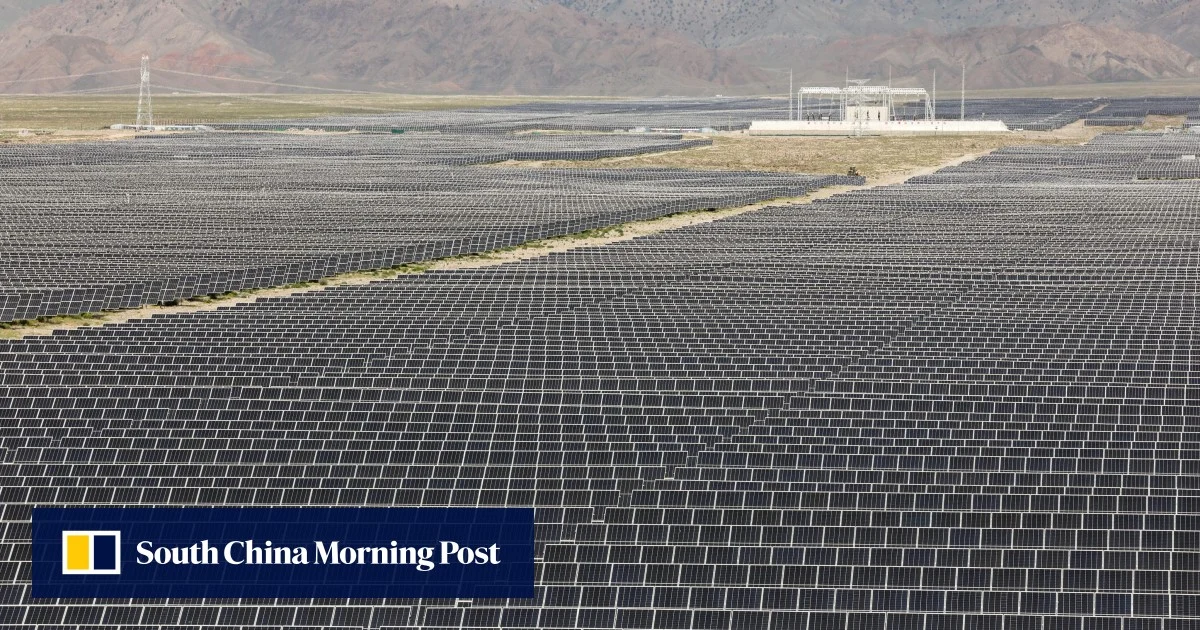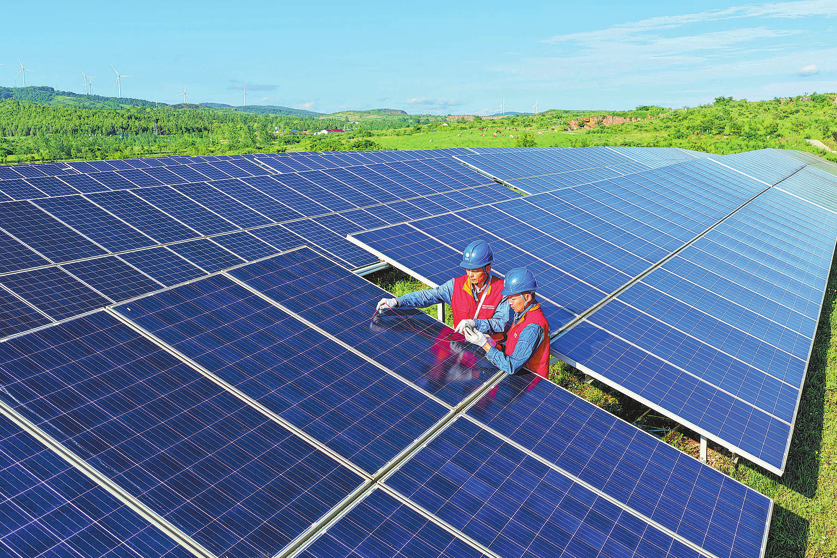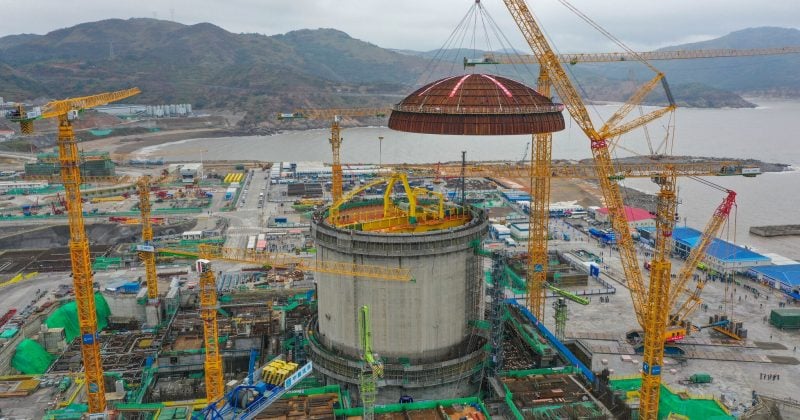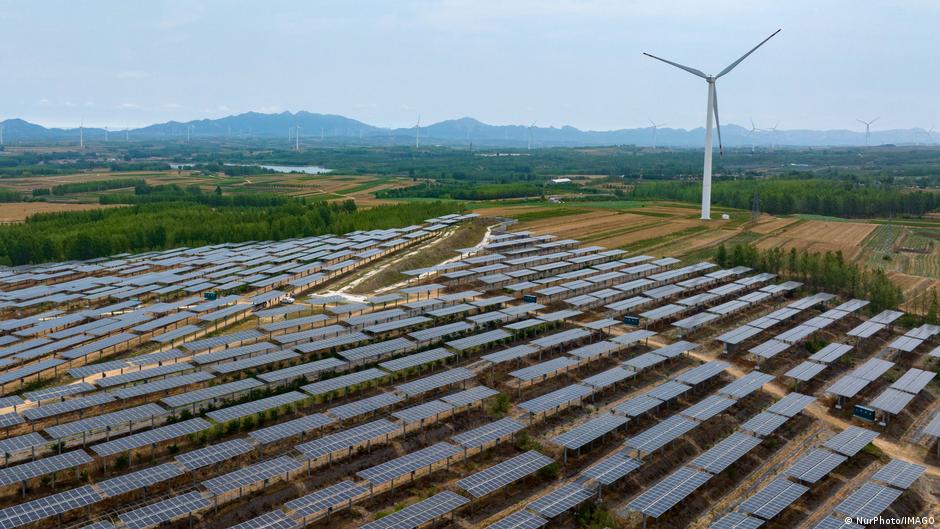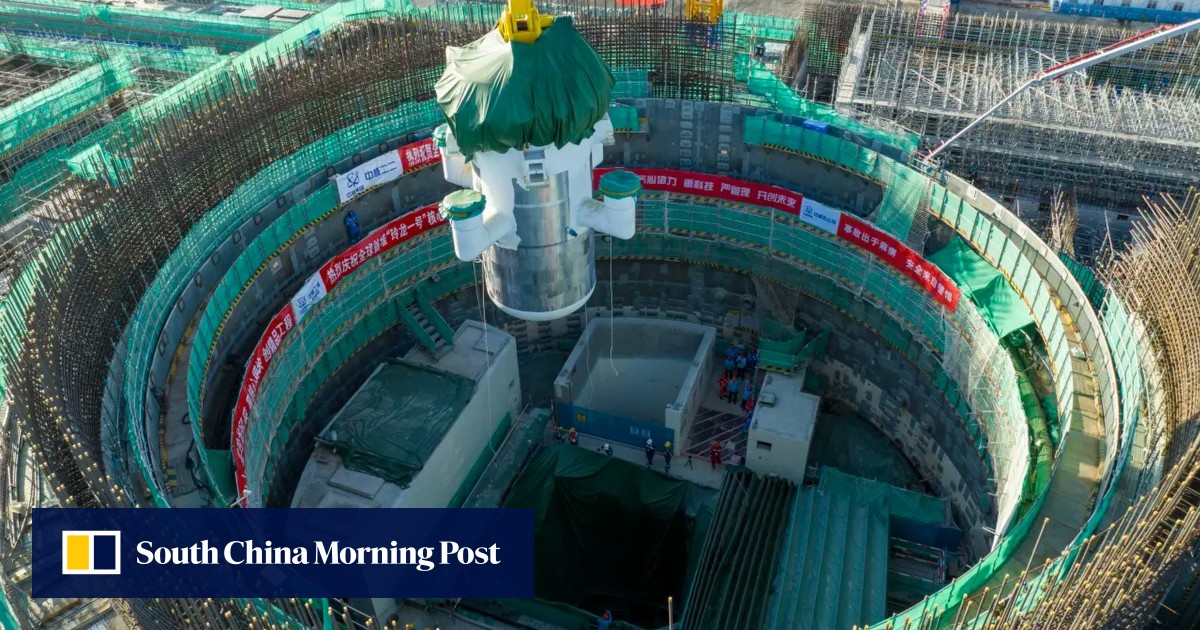
China's rise as the world's largest electricity producer has been one of the biggest shifts in the global energy landscape over the past four decades. In 1985, the United States generated around 2,657 terawatt-hours (TWh) of electricity, more than six times China's 410.69 TWh. Fast forward to 2025, and the picture has completely reversed.According to Our World in Data, China generated 10,583.36 TWh of electricity in 2025, exceeding the combined electricity output of the United States (4,519.79 TWh), the European Union (2,797.09 TWh) and India (2,081.6 TWh).ET OnlineET OnlineTogether, the US, EU and India produced 9,398.48 TWh, meaning China generated roughly 1,184.88 TWh more electricity, around 13% higher than the combined total of the three economies.China overtook the US to become the world's largest electricity producerChina surpassed the United States as the world's largest electricity producer in 2011, following decades of rapid industrialisation, urbanisation and economic growth.Data compiled by Our World in Data shows the extraordinary pace of this transformation.1985United States: 2,657.15 TWhChina: 410.69 TWhEuropean Union: 2,023.12 TWhIndia: 186.39 TWh2025China: 10,583.36 TWhUnited States: 4,519.79 TWhEuropean Union: 2,797.09 TWhIndia: 2,081.6 TWhThe figures illustrate how China's electricity generation has expanded by more than 25 times since 1985, reflecting the country's rapid economic development and growing energy demand.China now generates more electricity than the US, EU and India combinedChina's electricity generation has reached a scale unmatched by any other country. In 2025, its output of 10,583.36 TWh exceeded the combined generation of the United States, the European Union and India by approximately 13%.The enormous supply supports China's vast manufacturing sector, expanding transport electrification, rapidly growing digital economy and increasingly energy-intensive artificial intelligence infrastructure.Coal remains China's largest source of electricityDespite becoming a global leader in renewable energy, coal continues to dominate China's electricity mix.According to reports, coal accounted for around 62% of China's electricity generation in 2021, making it the country's largest source of power and a major contributor to greenhouse gas emissions.At the same time, China has continued investing heavily in renewable energy.In the first quarter of 2023, renewable electricity generation reached 594.7 TWh, an increase of 11.4% compared with the previous year. Wind and solar power together generated 342.2 TWh, marking a 27.8% year-on-year increase.China is rapidly expanding renewable and nuclear powerChina has also become the world's largest builder of renewable energy infrastructure.By 2023, the country had an installed electricity generation capacity of 2.92 terawatts (TW), including 1.26 TW from renewable sources.Renewables included approximately:425 GW of solar power376 GW of wind powerRenewable energy accounted for 53.9% of China's installed electricity generation capacity in 2023, although coal-fired power stations continue to provide a significant share of actual electricity generation.Nuclear energy is also expanding. As of early 2023, China had 55 operational nuclear reactors, 22 under construction, and more than 70 additional reactors planned, with nuclear energy contributing around 5% of the country's electricity generation.Why China's electricity generation has grown so rapidlySeveral factors have driven China's remarkable increase in electricity production over the past four decades.Rapid industrialisation has created enormous demand from factories producing goods for both domestic consumption and global exports. Urbanisation has increased household electricity consumption, while rising incomes have boosted demand for appliances, air conditioning and electric transport.More recently, the rapid expansion of data centres, cloud computing and artificial intelligence has further increased electricity demand.China has also invested extensively in transmission infrastructure. The country operates two vast synchronous electricity grids, State Grid and China Southern Power Grid, with provinces interconnected through high-voltage transmission systems, helping deliver electricity across long distances.
In 1985, US generated over six times more electricity than China. By 2025, Dragon was producing more power than US, EU & India combined
China now generates more electricity than the United States and the European Union combined, marking a dramatic shift after decades of rapid industrialisation and economic growth. Despite massive investments in renewable energy, coal remains the country's largest source of electricity. At the same time, China is expanding its renewable and nuclear power capacity at an unprecedented pace.
579 words~3 min read