China will aim to boost its annual renewable energy consumption to around 1.8 billion metric tons of standard coal equivalent by 2030 under its 15th Five-Year Plan (2026–2030) for Renewable Energy Development, according to the country's top economic planner and energy regulator.
Jointly released by the National Development and Reform Commission and the National Energy Administration, the blueprint marks a strategic turn toward high-quality expansion and reliable fossil-fuel substitution, establishing the official framework for China's green energy evolution through the end of the decade.
Under the plan, China's total installed renewable power capacity is projected to reach about 3.5 billion kilowatts by 2030, generating roughly 6 trillion kilowatt-hours of electricity annually.
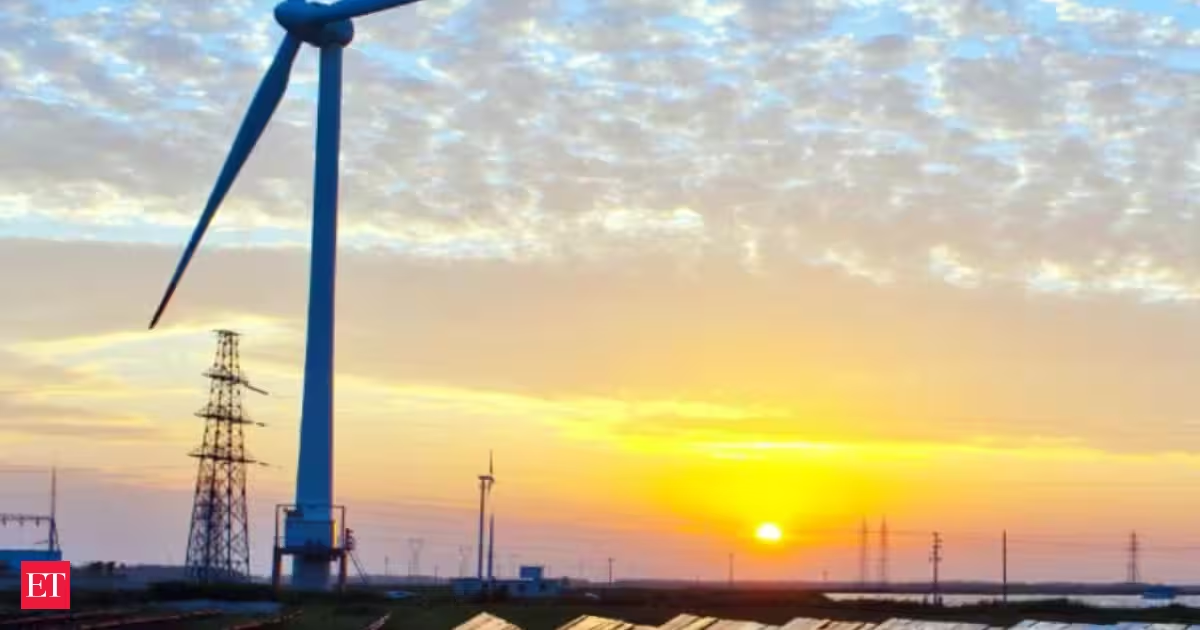
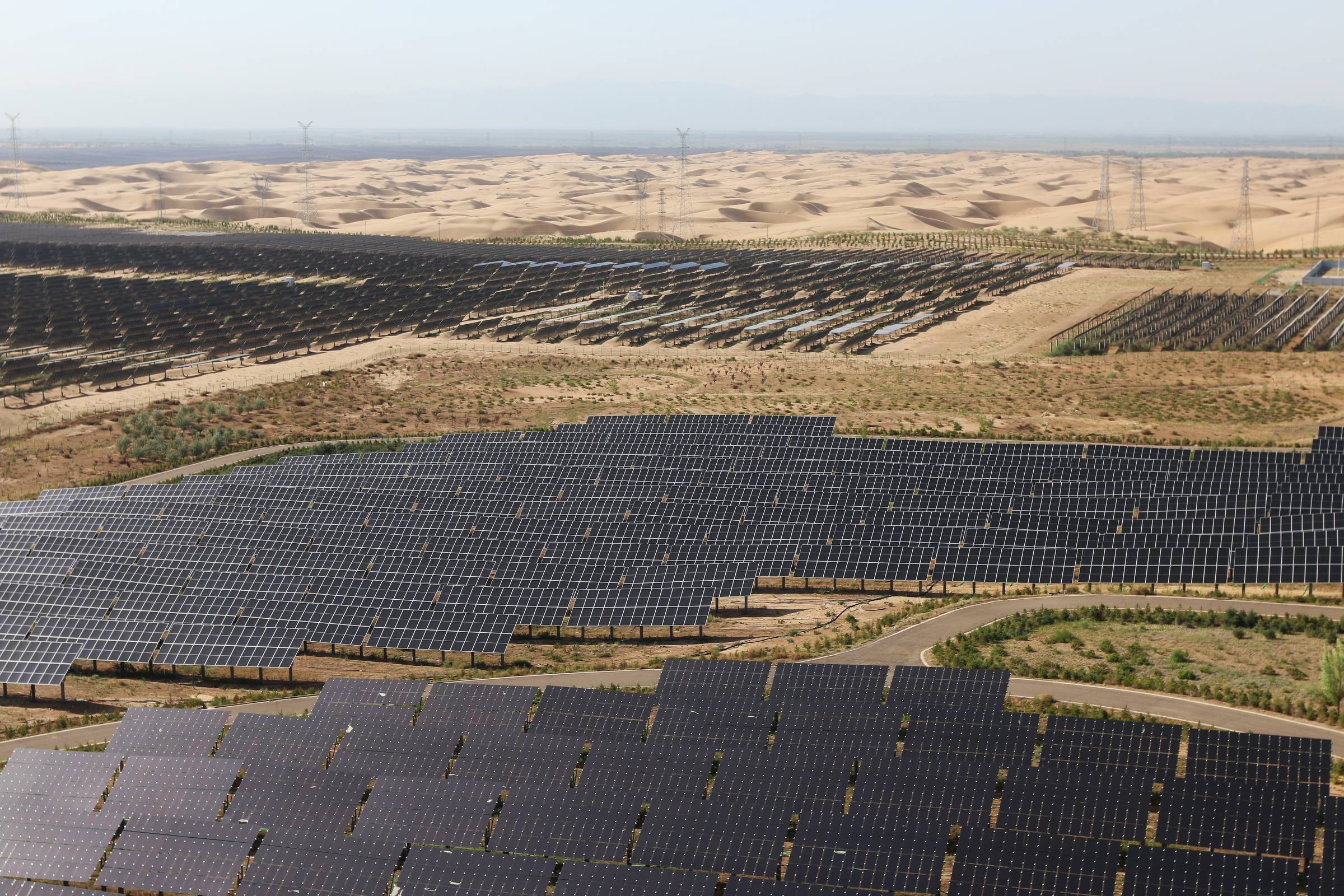
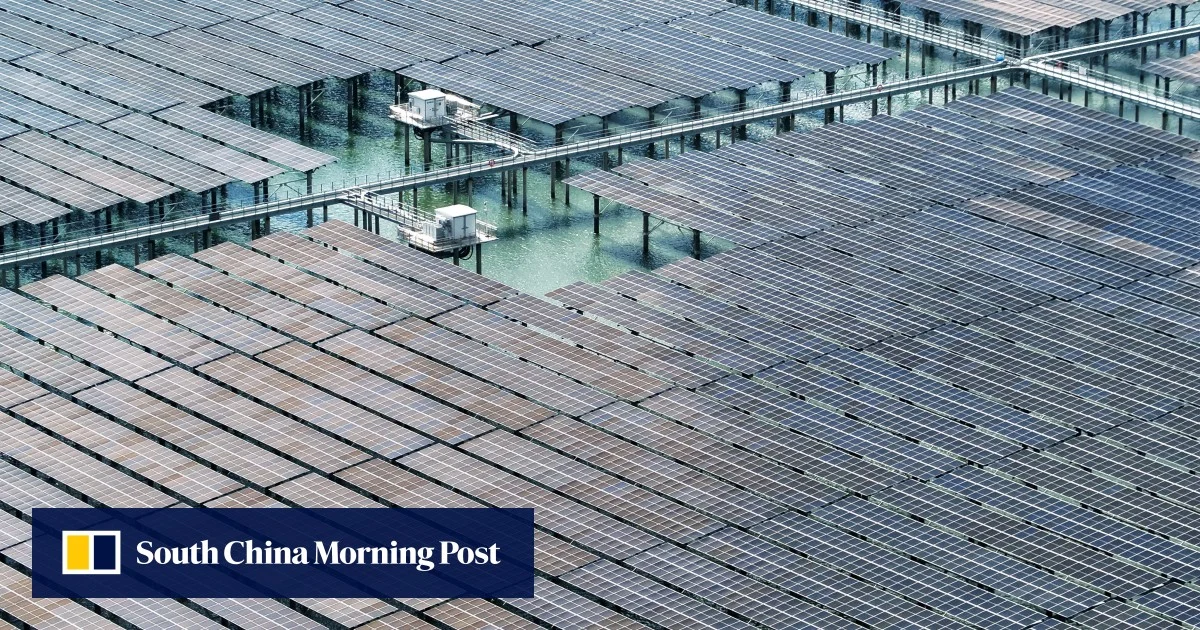
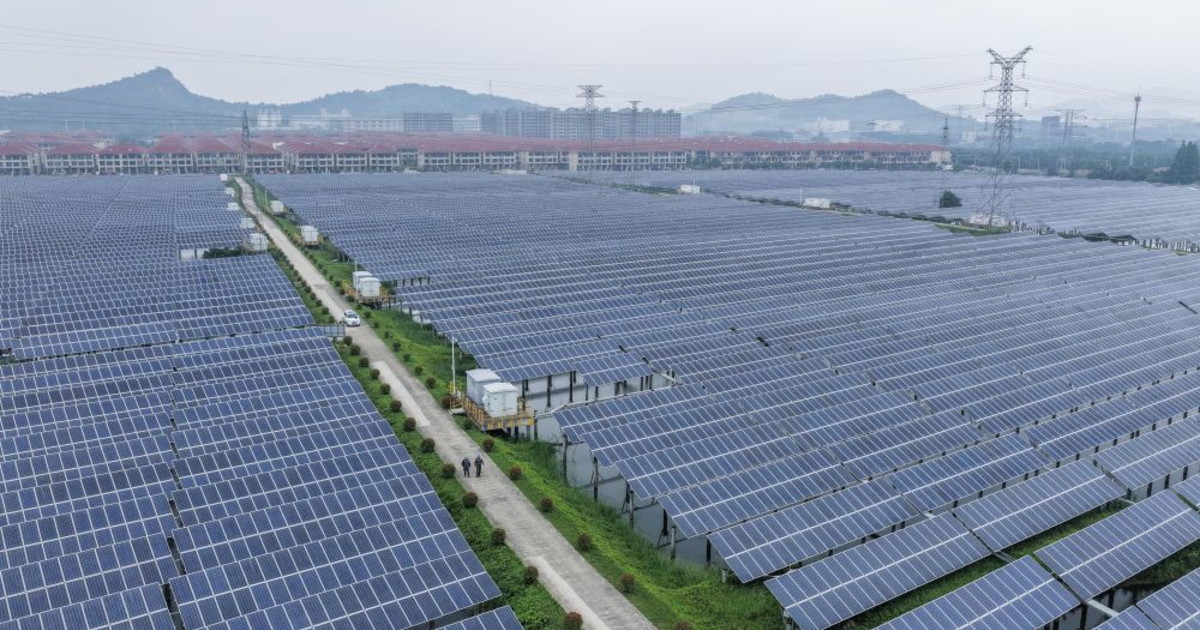
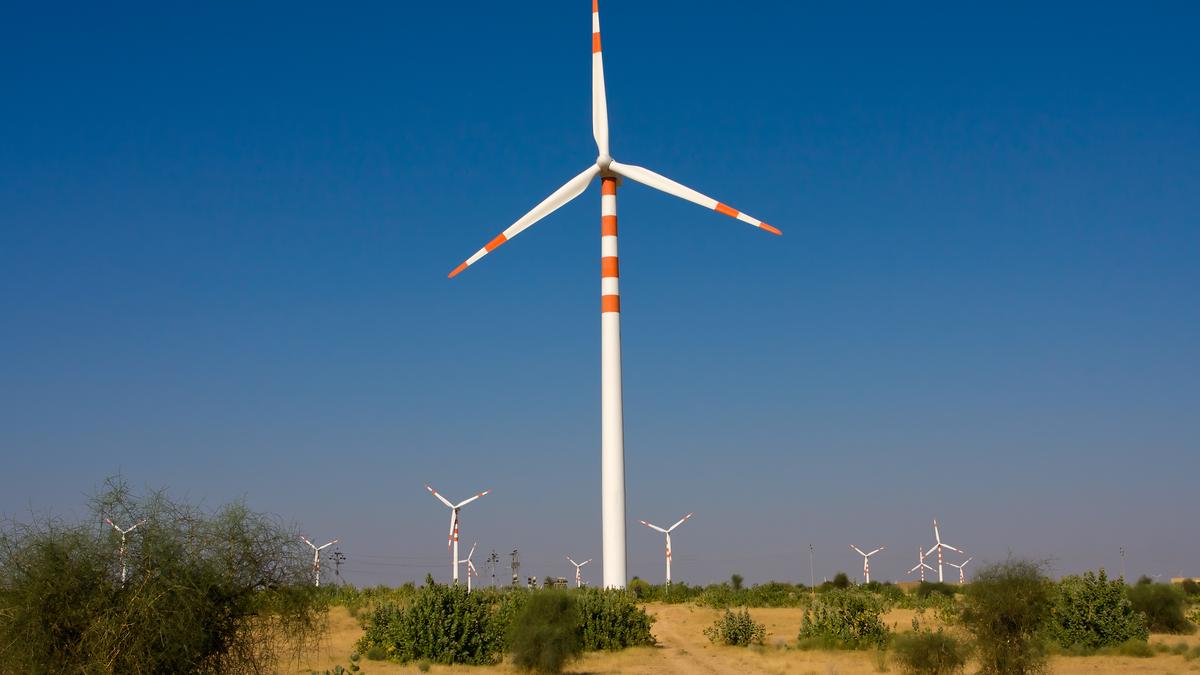
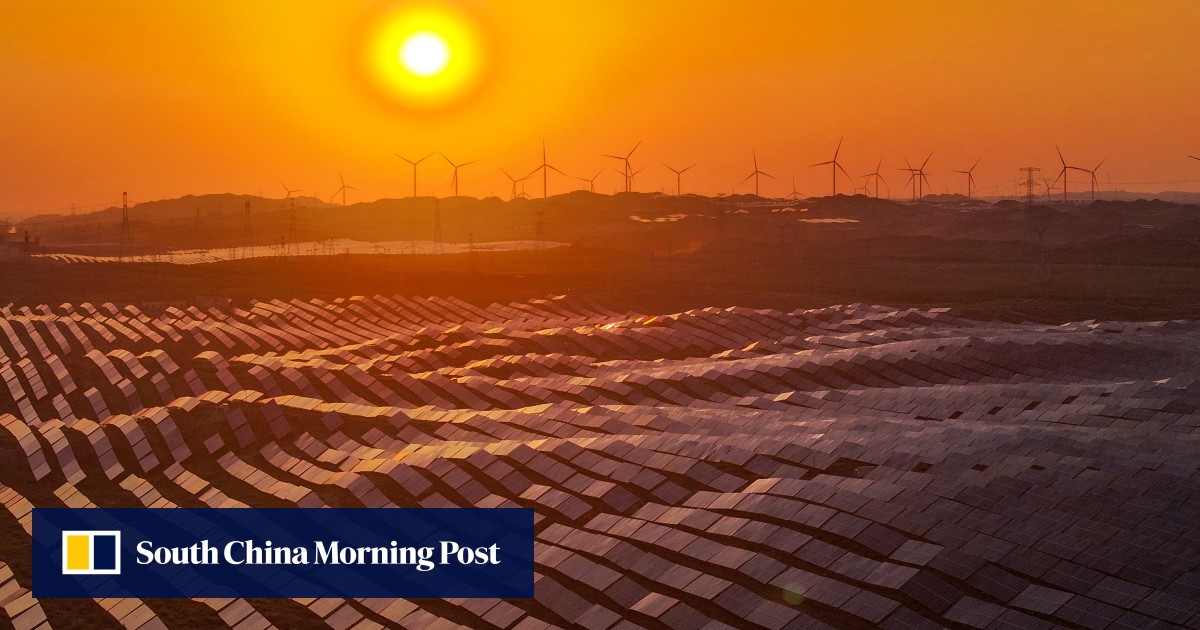
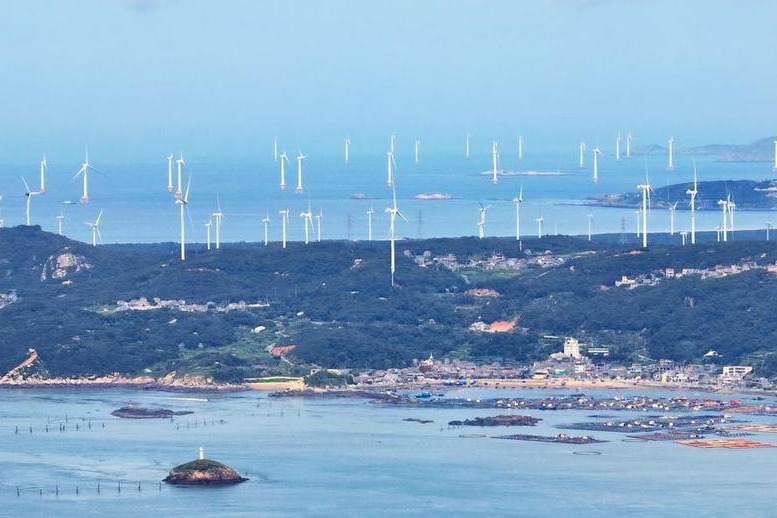
Wind and solar power will remain the principal engines of this growth, with combined installed capacity expected to surpass 2.8 billion kilowatts. This will account for over 50 percent of the nation's total installed power capacity and supply more than 30 percent of its annual electricity output.
Renewable energy refers to energy that can be continuously replenished and regenerated through natural processes within a relatively short period, such as hydropower, wind power, solar energy, biomass energy, geothermal energy, and marine energy. New energy refers to all renewable energy sources excluding hydropower, according to the document.