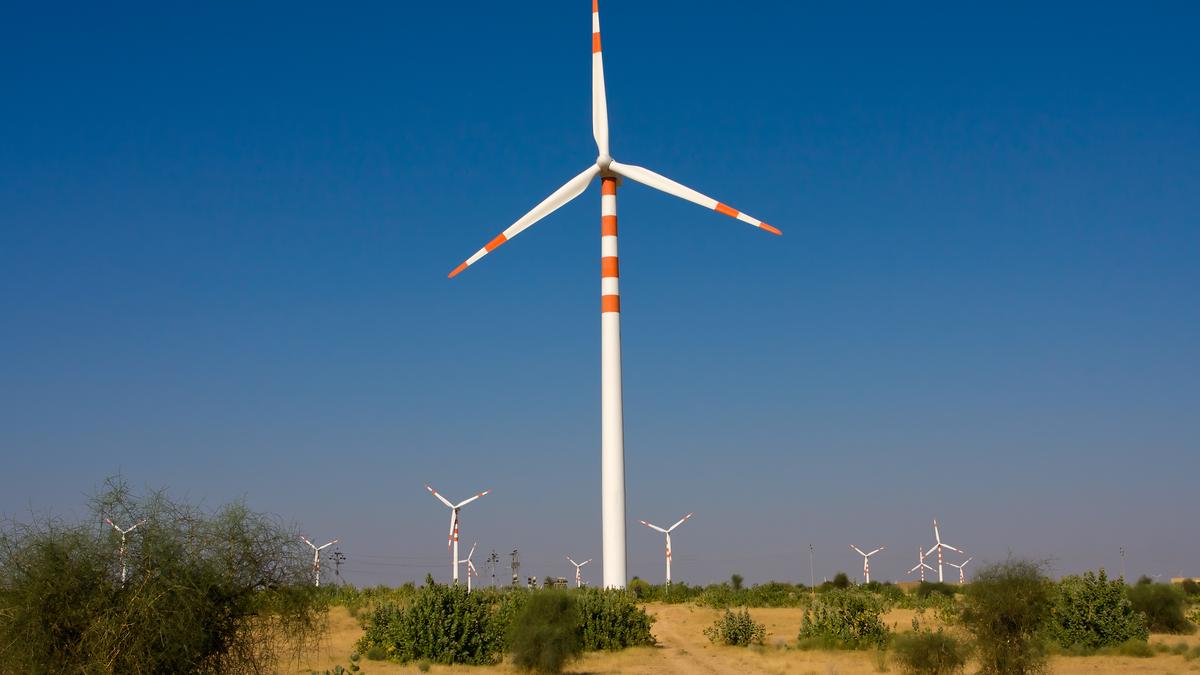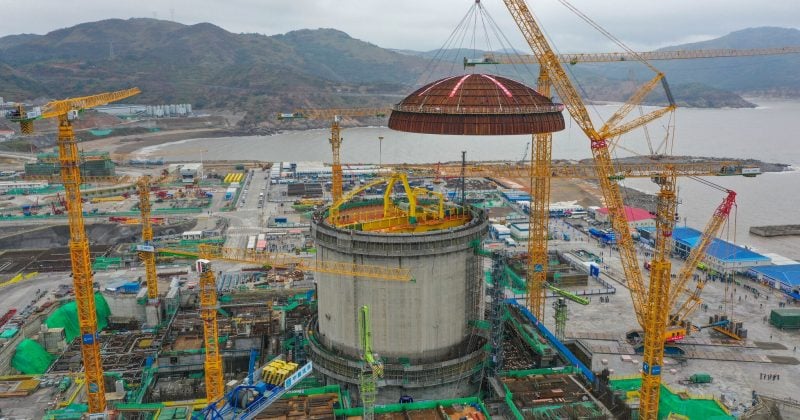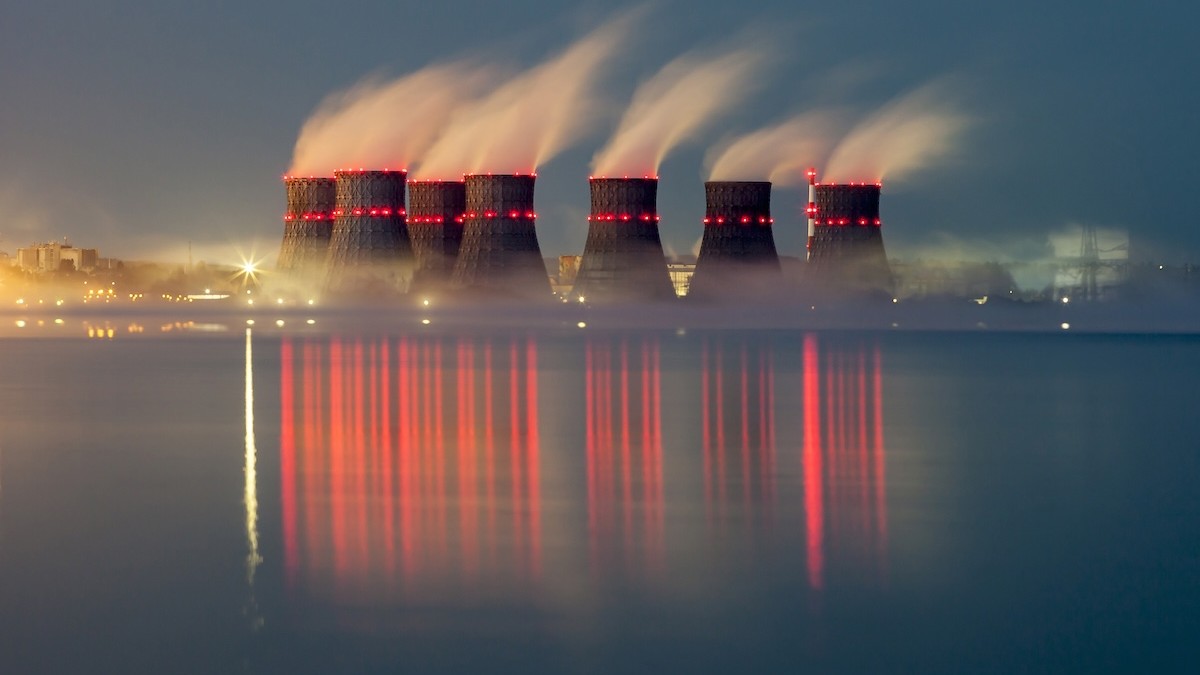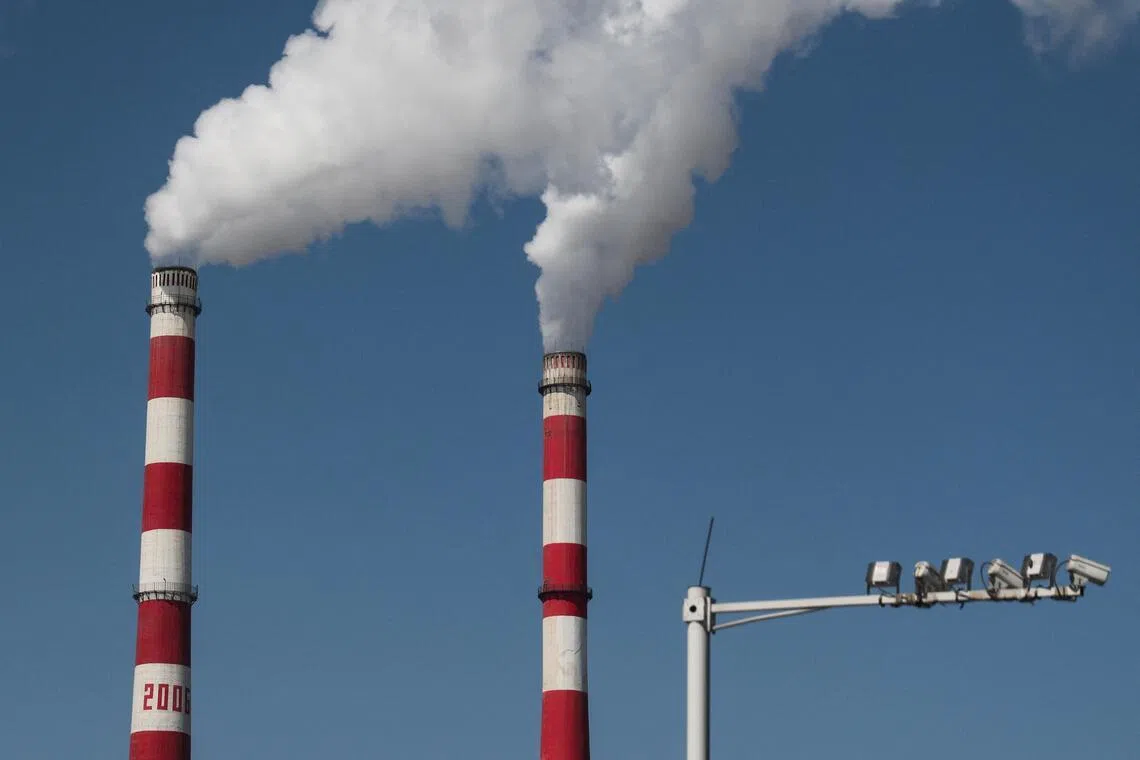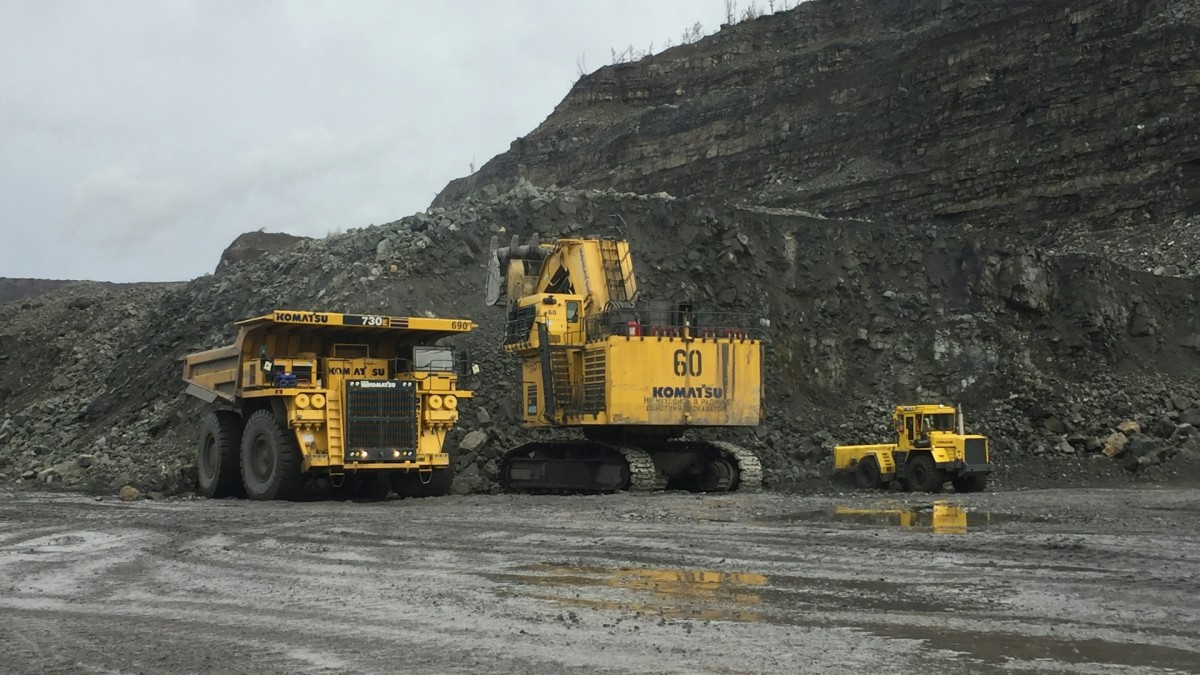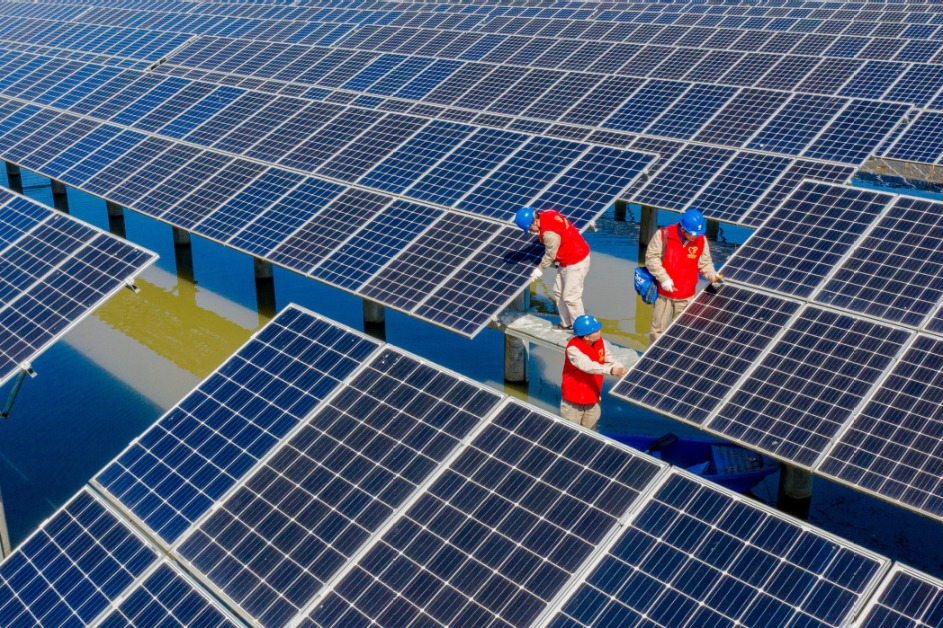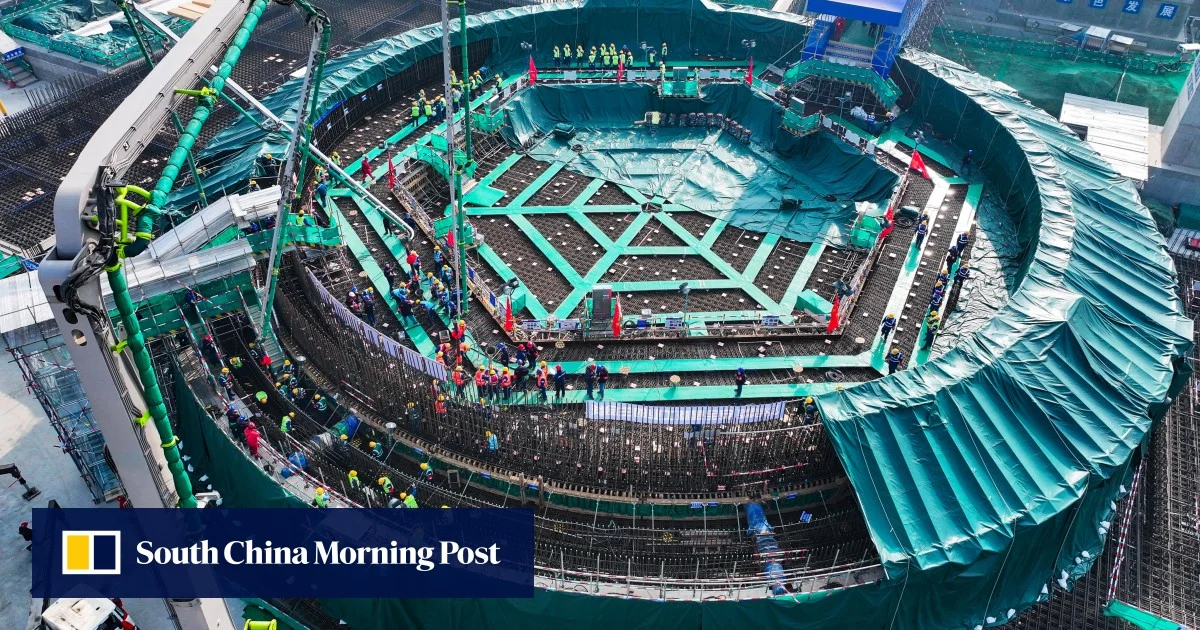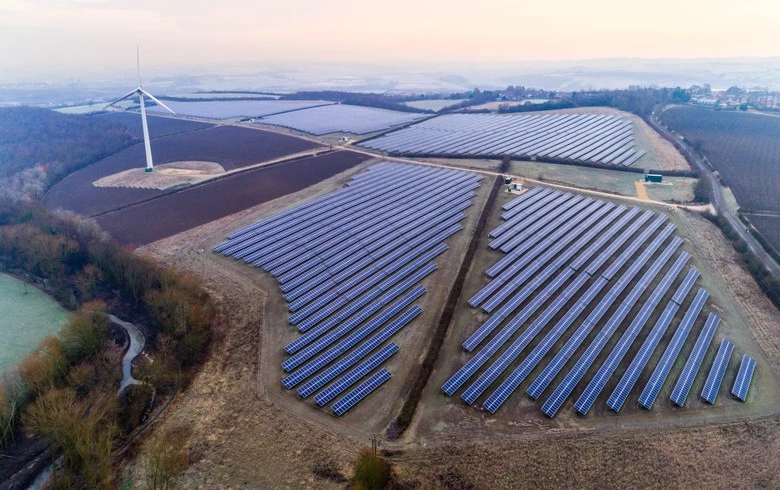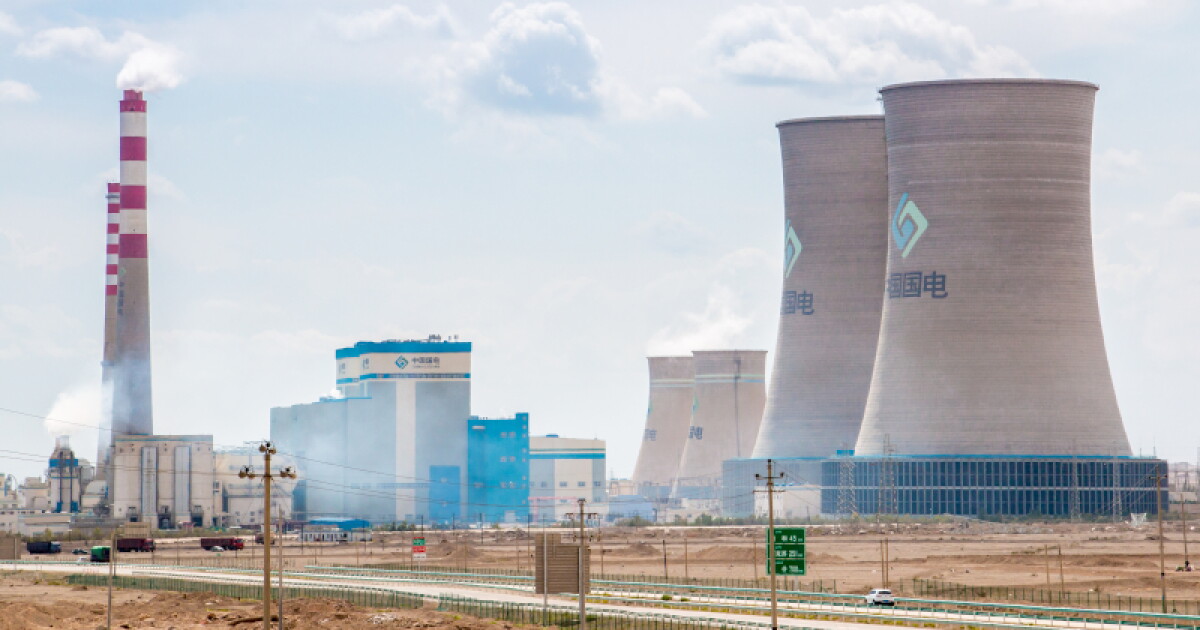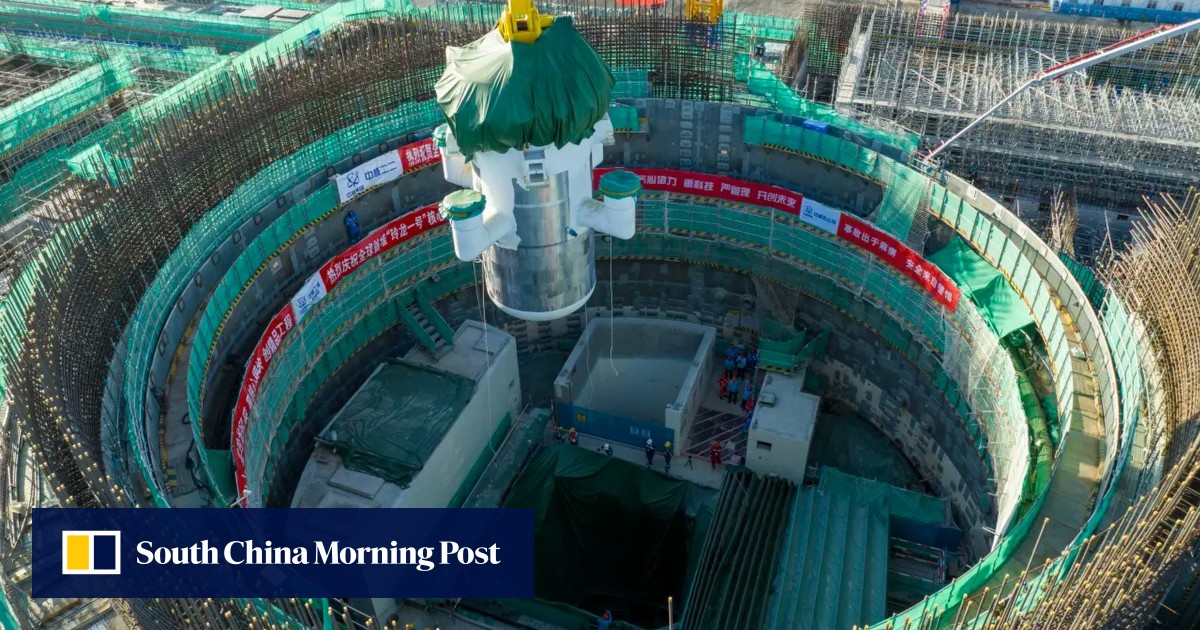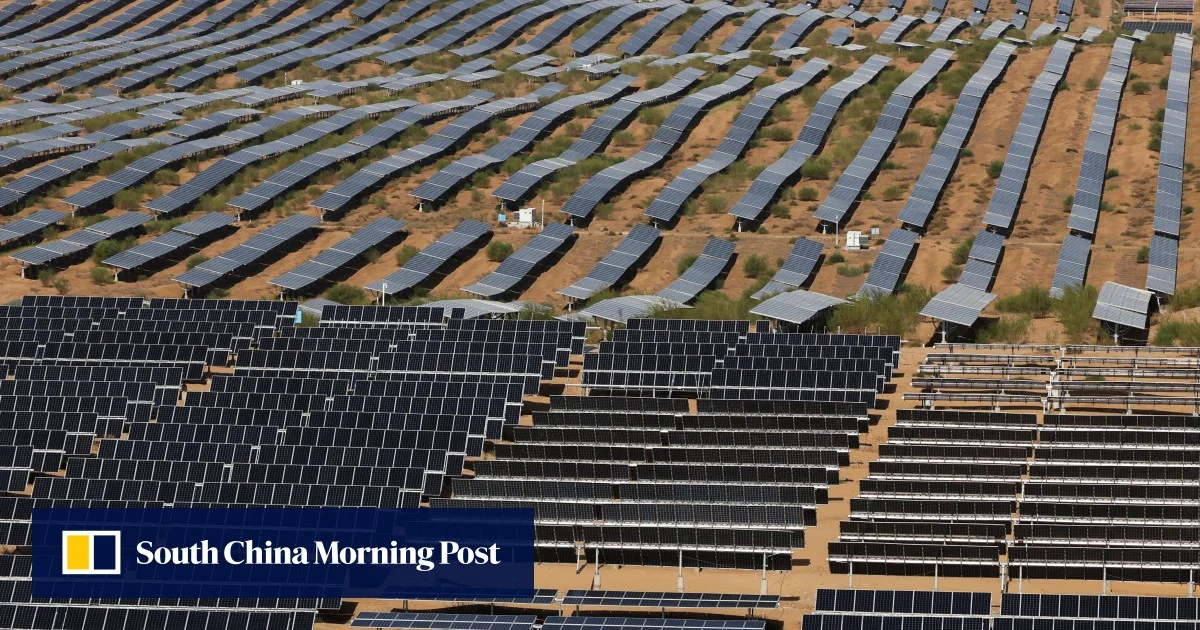
China is charting an ambitious five-year plan to harness nuclear and other non-fossil sources in a bid to generate half of the country’s electricity needs by 2030.Recent oil shocks have strengthened Beijing’s resolve as it juggles decarbonising its energy sector and securing future demand, including that needed for artificial intelligence.The plan, unveiled on Thursday by the National Energy Administration (NEA) and top economic planner National Development and Reform Commission (NDRC), also contains a raft of goals to markedly increase the share of wind and solar in newly installed power generation capacities.The country’s total annual energy production capacity will also rise from a sum equivalent to 5.8 billion tonnes in 2030, from 5.13 billion tonnes in 2025. Meanwhile, 50 per cent of the total electricity generated that year will be from diversified non-fossil sources, ranging from nuclear and hydro to wind and solar.“In the next five years China’s energy system will feature greater security and resilience, and better, newer energy structure for integration, efficiency and innovation,” said NEA director Wang Hongzhi at a press conference on Friday. “We will optimise the overall planning and layout and strengthen support for key projects.” He added that total related investment would exceed 20 trillion yuan (US$2.9 trillion).With Beijing’s AI push and related energy use – including for data centres – increasing exponentially and straining the grid, the plan aimed to promote “two-way empowerment” to quench national power needs while embedding AI into both energy generation and its use.The plan proposed prioritising green electricity supply, better coordination between large energy bases and major computing hubs as well as macro-management of data centre power use.
China to generate 50% of electricity from nuclear and non-fossil sources by 2030
Recent oil shocks have strengthened Beijing’s resolve as it tries to balance decarbonisation efforts with securing future energy demand.
269 words~1 min read