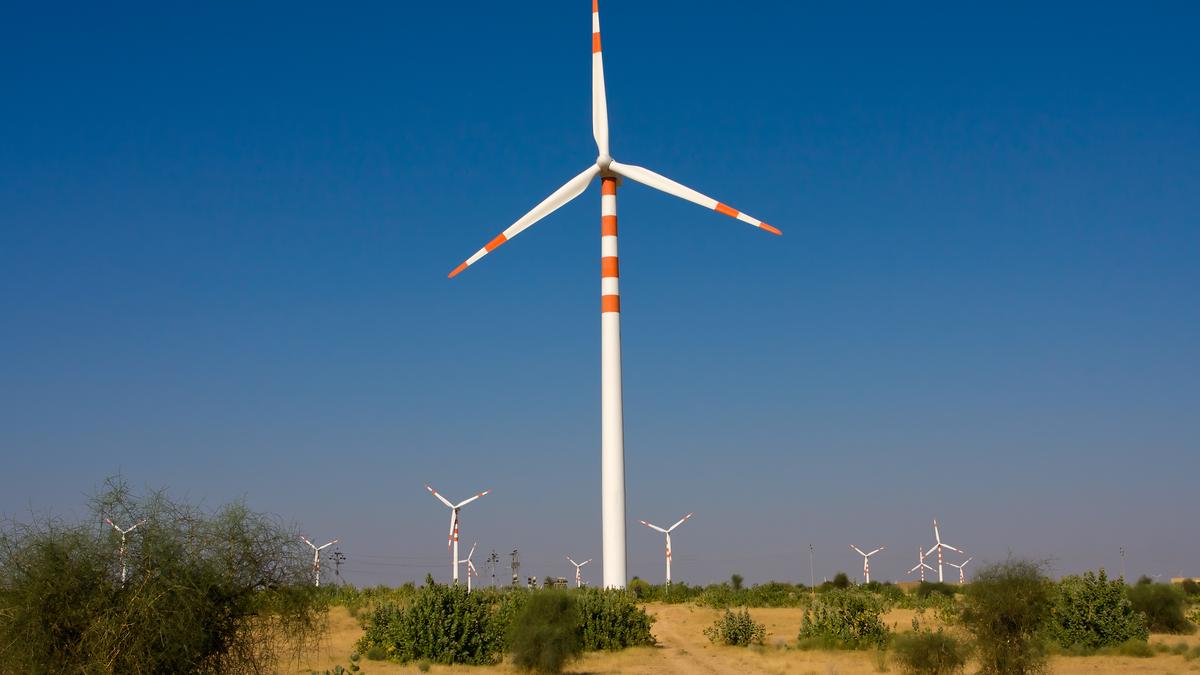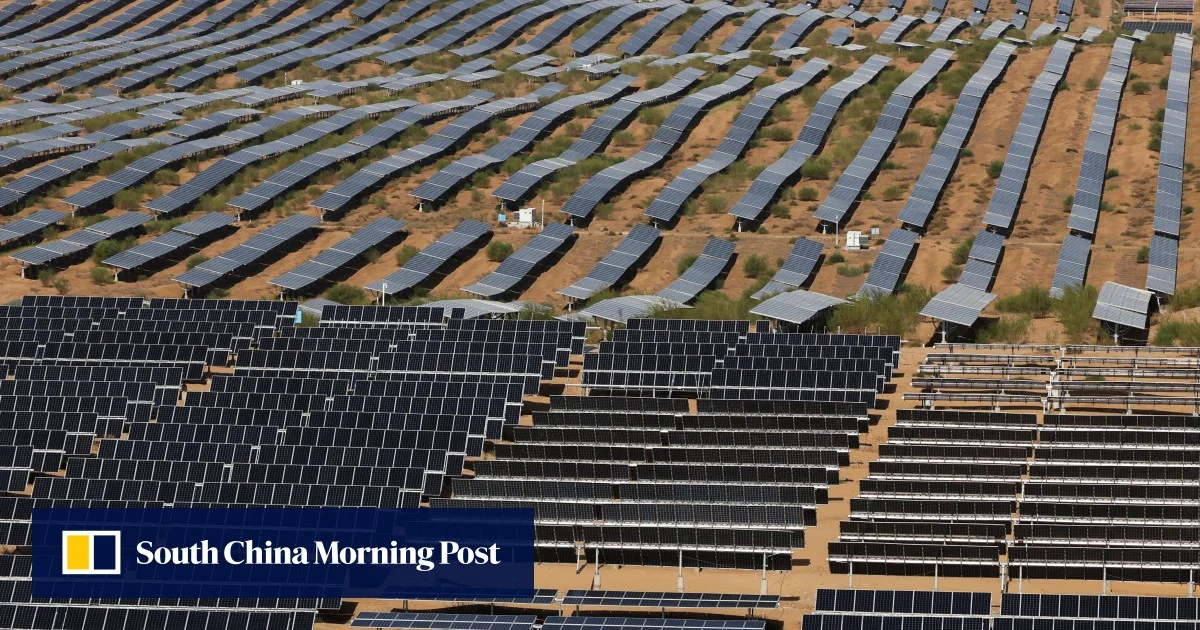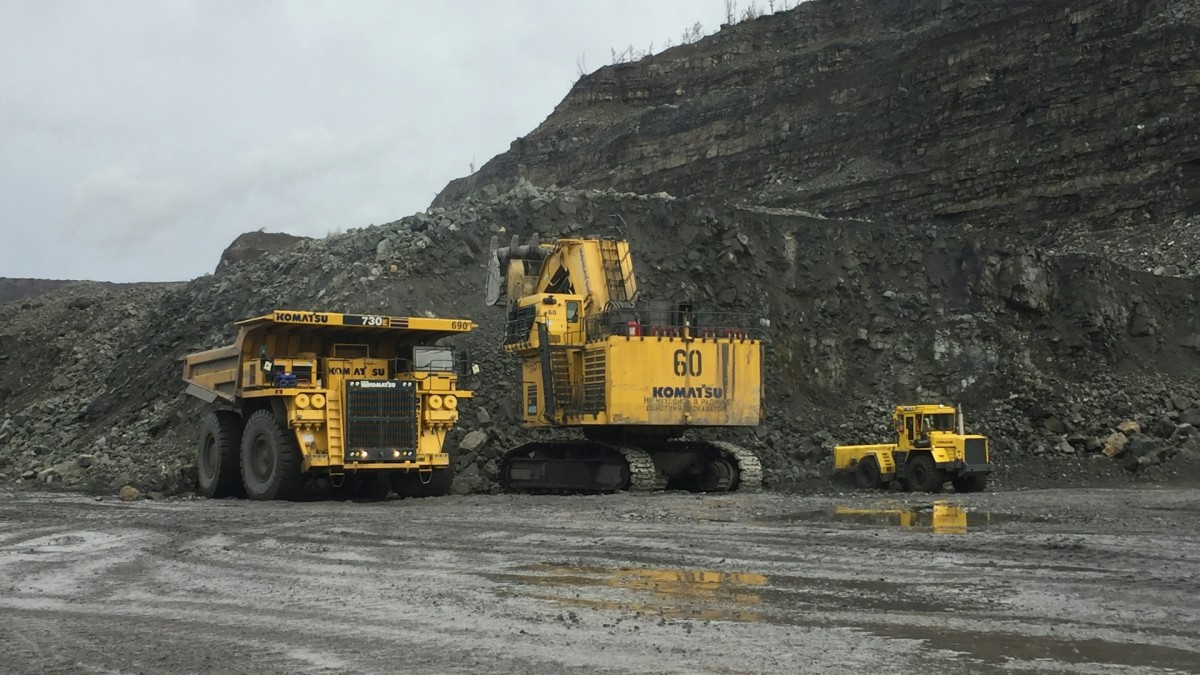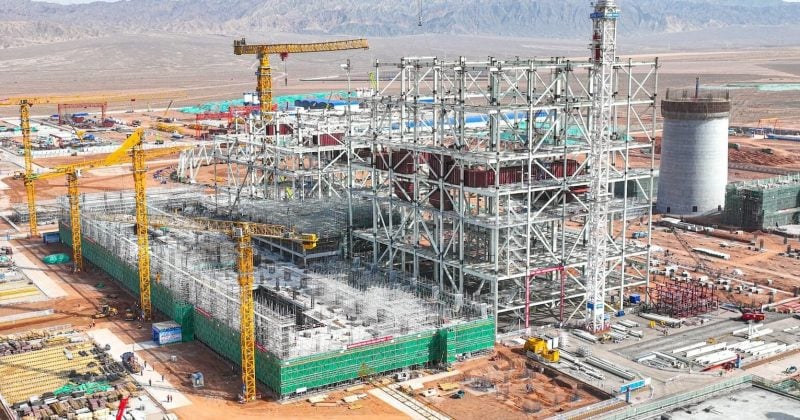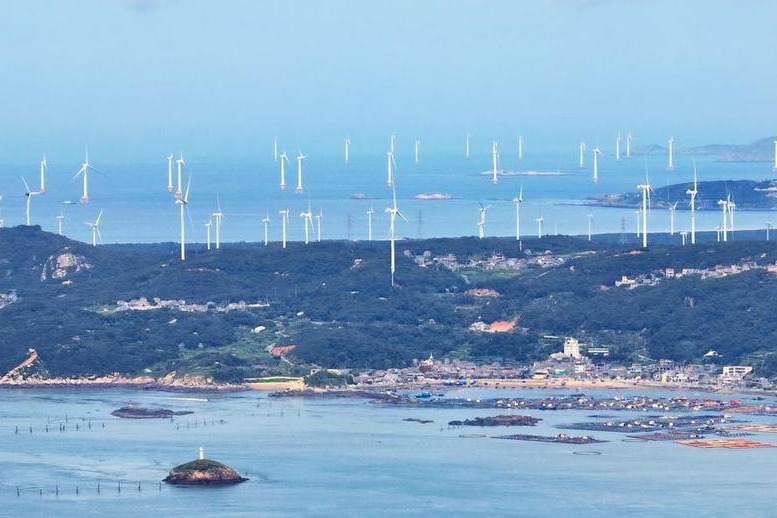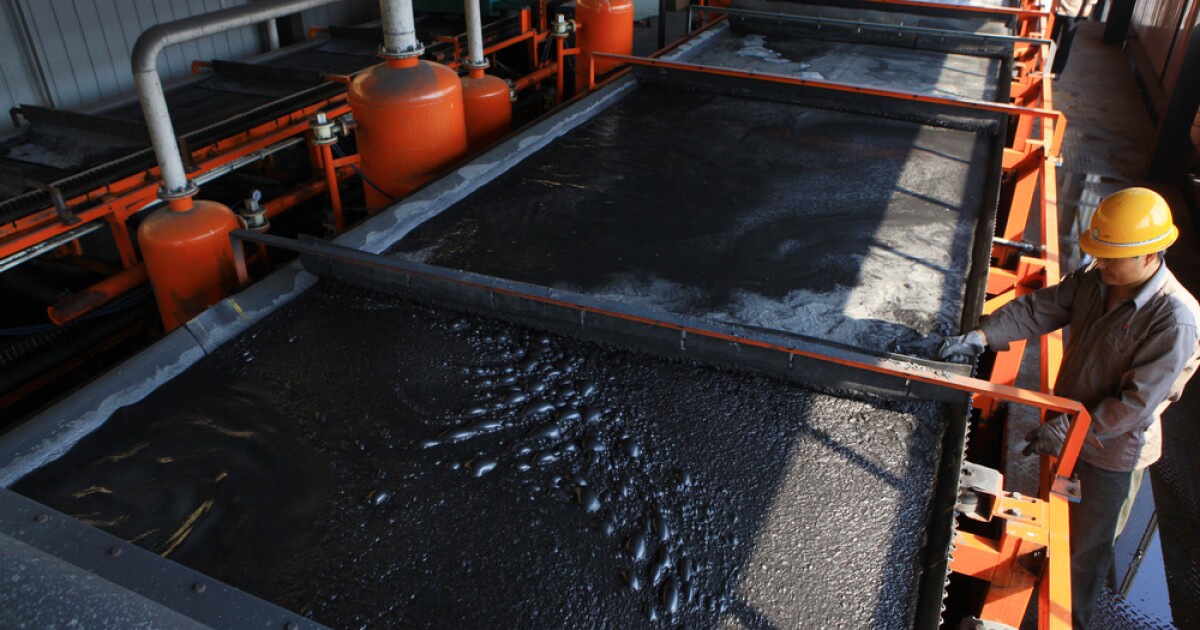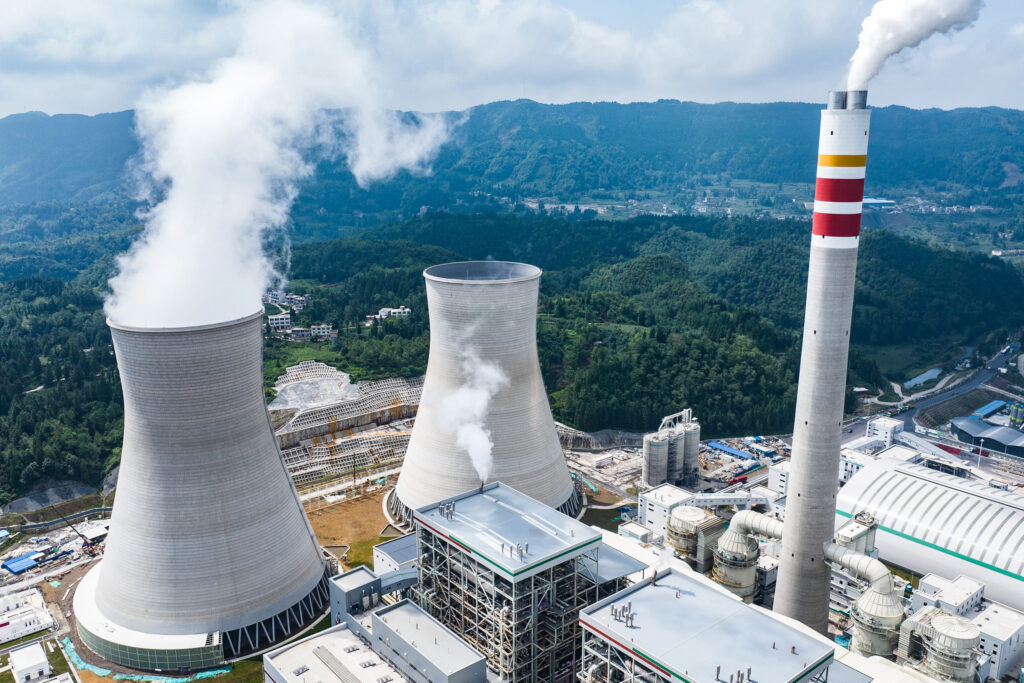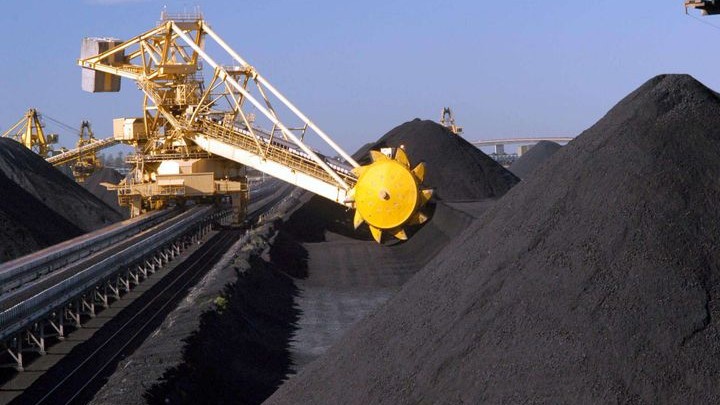
China will continue spending heavily on both coal and alternative energy, such as wind and solar, over the next five years, Beijing’s latest five-year plan revealed this month. The apparent paradox sees the world’s largest emitter by far continue to generate a solid portion of its energy from coal while also boosting the largest alternative energy capacity in the world. The thing is, it is not actually a paradox.Ever since the signing of the Paris Agreement in 2015, a host of countries have been working hard to reduce their reliance on hydrocarbons in transport and power generation. China has been among the most active transitioners, while maintaining that it will pursue an all-of-the-above attitude to energy. While Germany was shutting down its last nuclear reactors and Britain was strangling its North Sea oil and gas production to free space for wind and solar, China was building both wind and solar installations and coal power plants. And it intends to continue doing just that.In 2025, China accounted for as much as 78% of all new coal power generation capacity globally. It currently accounts for 86% of coal generation capacity currently under construction in the world that is planned to be put into operation this year. China, in other words, is building coal power plants like there’s no tomorrow. This is because China appears to be very well aware of the importance of baseload generation, the kind that comes on demand rather than when the weather is right.Related: US Crude Output Sets New Monthly Production RecordYet China also appears to be well aware of the importance of diversification, which is why it has been investing massively into the buildout of the world’s largest alternative energy generation capacity. Between 2019 and 2025, the world spent a total of $1.1 trillion on wind, solar, and other alternative energy solutions. China spent more than half of that.There is also the matter of self-reliance, and China has really excelled at that, turning into the global superpower in energy transition tech, controlling critical mineral supply chains, rare earth processing capacity, and becoming the biggest manufacturer of wind and solar equipment that other transition-eager parts of the world depend on for their plans. Meanwhile, China has continued to boost its domestic coal and natural gas production, still on the grounds of self-reliance and its crucial importance for energy security.It is likely for reasons of energy security that China stipulated in its new five-year plan that it will aim to generate 50% of its electricity from non-hydrocarbon sources in 2030. That would be an increase on an earlier target of 42.3% that was set for 2025. Beijing plans to do this by building even more wind and solar capacity, to bring the total to over 50% of the country’s total installed capacity, or 2,700 GW. At the end of 2025, wind and solar accounted for 47% of the total installed capacity for power generation in China.While it does that, however, China will also continue building new coal power plants, mine more coal, and probably import more when needed as well. Reuters’s Clyde Russell reported in a recent column on China’s energy plans that coal production in the country had tripled since 2000 and is on course to hit an all-time high of 4.823 billion tons this year. The country has also built a rather unique industry for the conversion of coal into gas—and petrochemicals.China, in other words, is letting nothing go to waste. It is betting on all of the above for its energy security, not just the technologies that give politicians elsewhere a warm feeling of climate virtue, even when they come with a pretty solid emissions footprint because they were made in China using coal power.By Irina Slav for Oilprice.comMore Top Reads From Oilprice.comAsian Refiners Redirect Middle East Crude to the U.S. as Hormuz Flows RecoverPakistan Pays Premium for Urgent LNG CargoVLCC Earnings Near $470,000 a Day as Hormuz Hopes Drive Tanker Frenzy
China's Energy Future Runs on Coal and Solar | OilPrice.com
China's latest five-year plan doubles down on an "all-of-the-above" energy strategy, expanding both coal-fired power and renewable energy.
656 words~3 min read