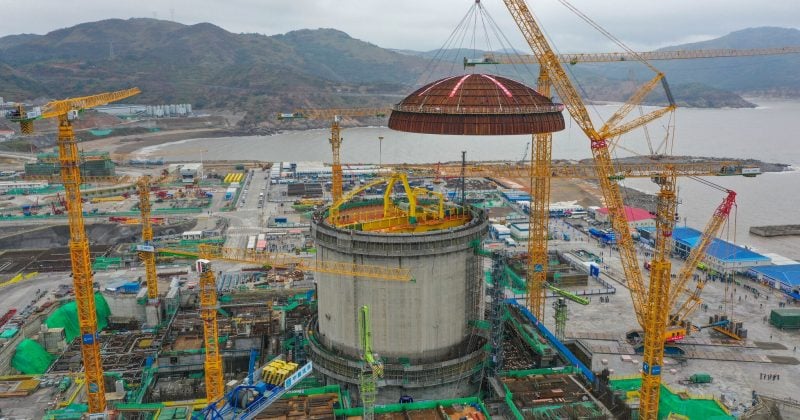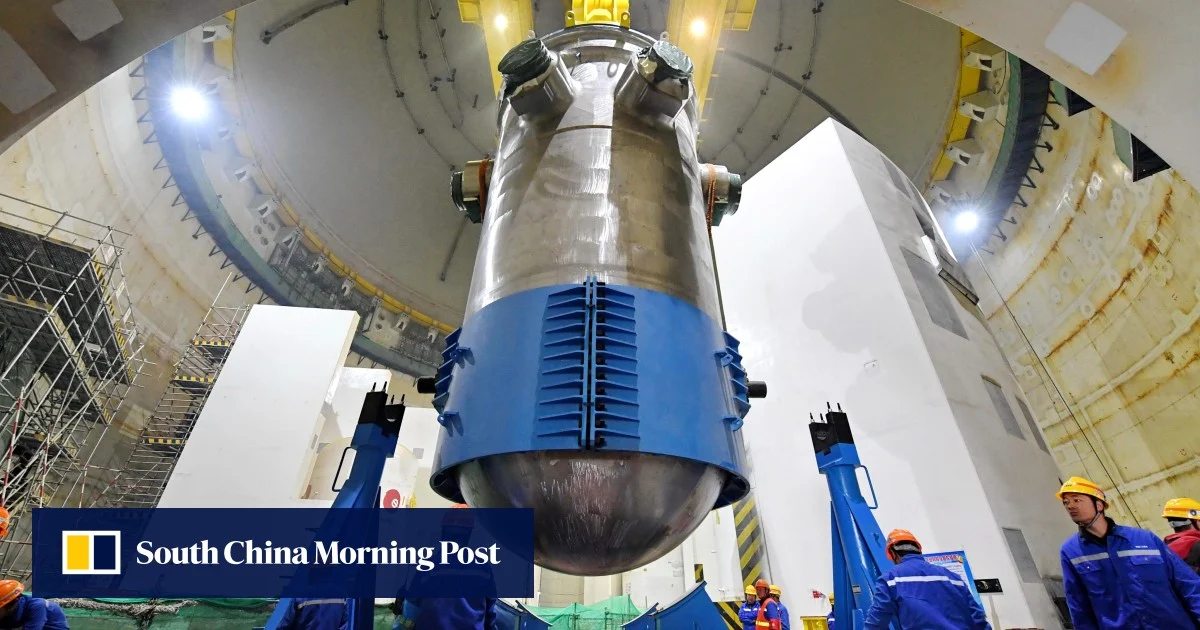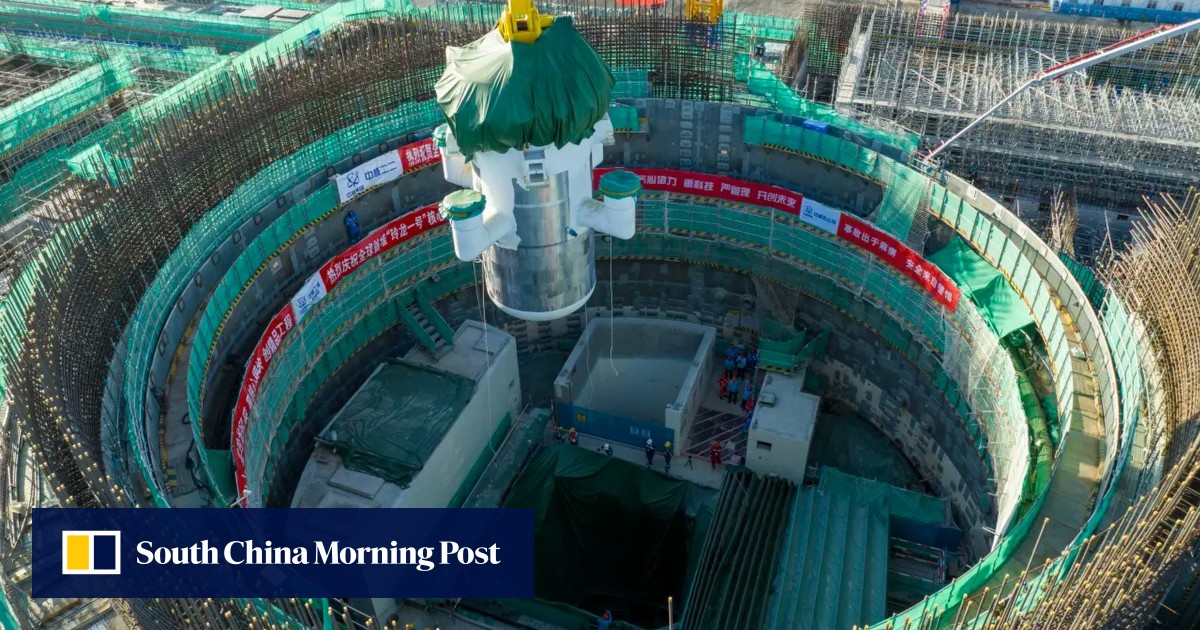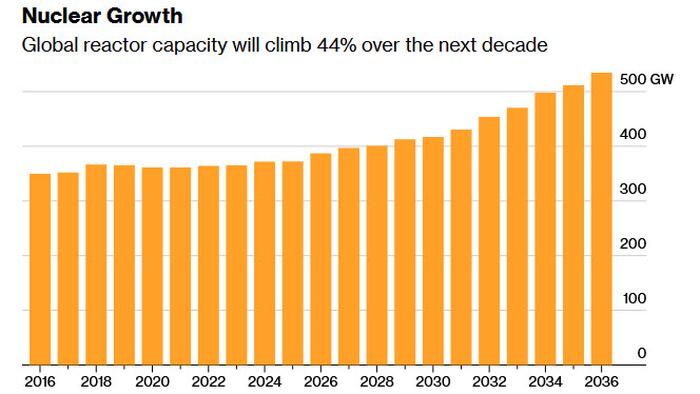
The United States is still the largest producer of nuclear energy in the world – but probably not for long. Decades of political ambivalence have left the domestic nuclear sector in a state of neglect. Far more reactors are aging out than being constructed, and the country’s few attempts at building new nuclear fission reactors have been controversial, expensive, and slow to get off the ground. After Georgia’s Plant Vogtle finally came online years late and billions over budget in 2024, zero new reactors have since come under construction in the United States. Meanwhile, the circumstances in China are virtually the exact opposite – the nation’s top-down approach leaves no room for political wishy-washiness and funding is no object. In the time that the United States built just one plant – Plant Vogtle – China added a staggering 34 gigawatts of nuclear capacity. Beijing has heavily emphasized the development of new nuclear reactors in its 15th Five Year Plan, and nearly half of all nuclear reactors currently under construction in the world are in China. China is therefore set to overtake the rest of the world in nuclear energy capacity additions in the next five years. “By a wide margin, China will have the world’s most dynamic and significant nuclear industry through 2035,” Damien Ma, energy lead analyst for Gavekal Technologies, wrote in a recent report, as quoted by the South China Morning Post. “Construction efficiencies mean China can build a new plant in about six years, compared with more than a decade for the latest Vogtle reactors in the US,” Ma went on to say.Set OilPrice.com as a preferred source in Google here.Meanwhile, Donald Trump has also made nuclear energy a central part of his energy ambitions and is eager to “produce lasting American dominance in the global nuclear energy market.” But the relative inertia in the United States nuclear sector will make that an extremely difficult goal to achieve. To kickstart the dormant sector, Trump is making a concerted effort to scale back the red tape that slows development in the United States nuclear sector to a snail’s pace when compared to Chinese timelines. But there are, of course, considerable downsides to limiting oversight and regulation in an industry that bears such significant risk to the public if mismanaged. The United States and China are also in an intense competition when it comes to developing next-gen nuclear technologies like small modular reactors (SMRs), molten salt reactors, and nuclear fusion. These emerging technologies seek to fix some of the biggest issues in the present-day nuclear sector: cost, safety, and the forever-burden of nuclear waste. SMRs can be produced in factories and assembled on-site, significantly slashing development costs. Molten salt reactors are potential cost-cutters, too, as they are more fuel-efficient than traditional models, and they are much safer. And nuclear fusion represents the holy grail of clean energy – many times more energy efficient than fusion, the process that powers our own sun leaves behind zero radioactive waste, making it a future-facing priority for the world’s two biggest economies. While China and the United States have both made major progress in developing these next-gen technologies, Beijing has a leg up in virtually all of them thanks to the scale of governmental support and streamlined development processes – one of the major upsides of authoritarianism. The intensification of the competition between China and the United States in nuclear development comes at a time when the artificial intelligence boom is pushing energy demand to new heights and renewing global interest in the nuclear option. Experts predict that energy demand surge driven by hyperscalers is likely to give a major boost to nuclear deployment in the United States, with a potential 60 percent surge. But the same is true in China, and Beijing has streamlined nuclear plant development and approvals within budgets that U.S. developers could only dream of.By Haley Zaremba for Oilprice.comMore Top Reads From Oilprice.comIran Moves to Tap Key Asian Markets as U.S. Waives Oil SanctionsEl Niño, War, and Fertilizer Costs Create a Dangerous Inflation CocktailChina Eyes $2 Billion Uzbek Mining Bet as Central Asia Courtship Accelerates
The AI Boom Is Set to Fast-Track China's Coming Nuclear Energy Dominance | OilPrice.com
China is set to overtake the US in nuclear capacity as AI's surging power demand accelerates a global nuclear race.
686 words~3 min read