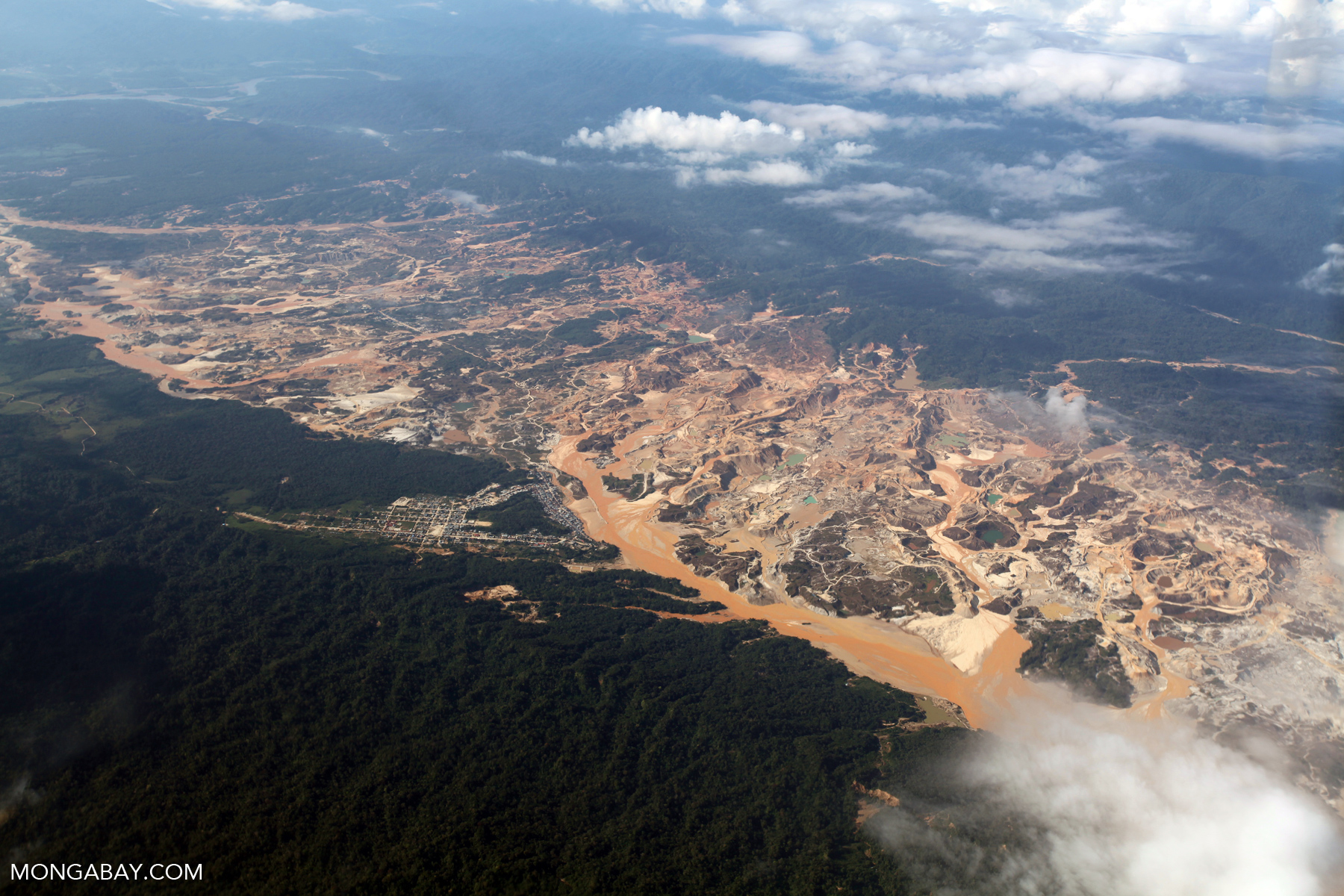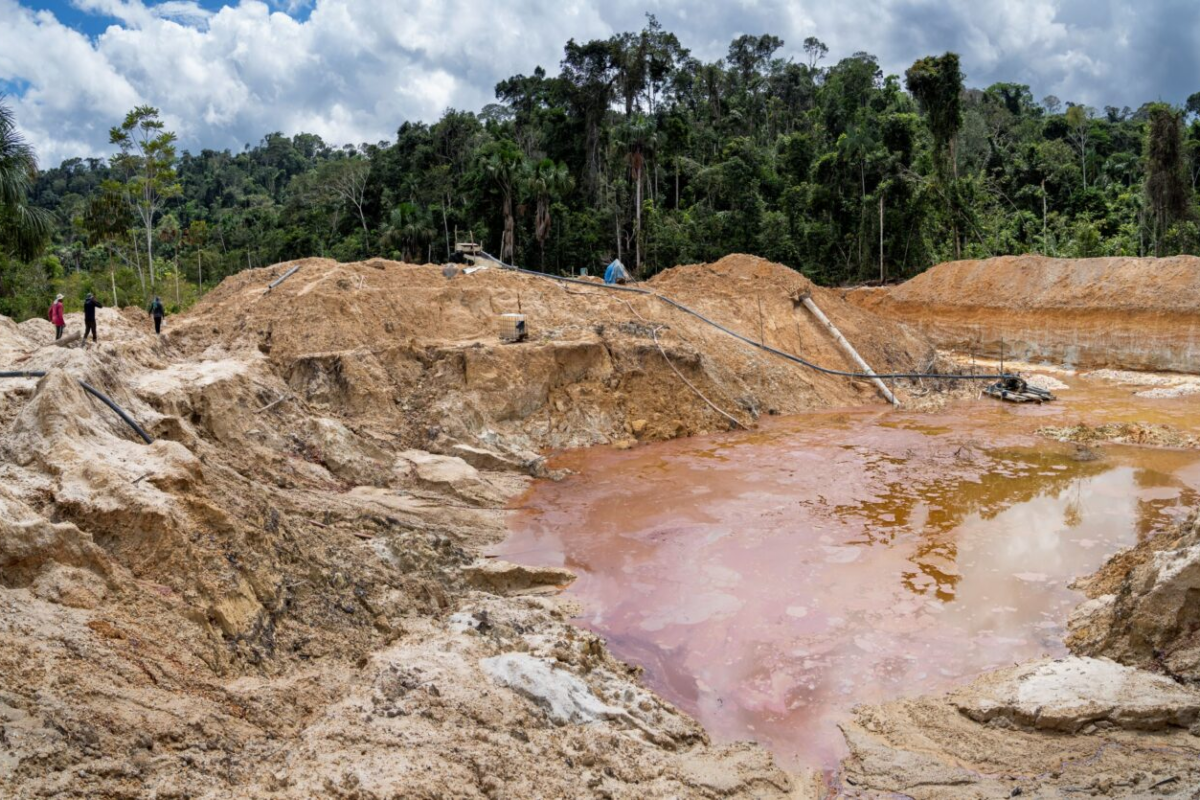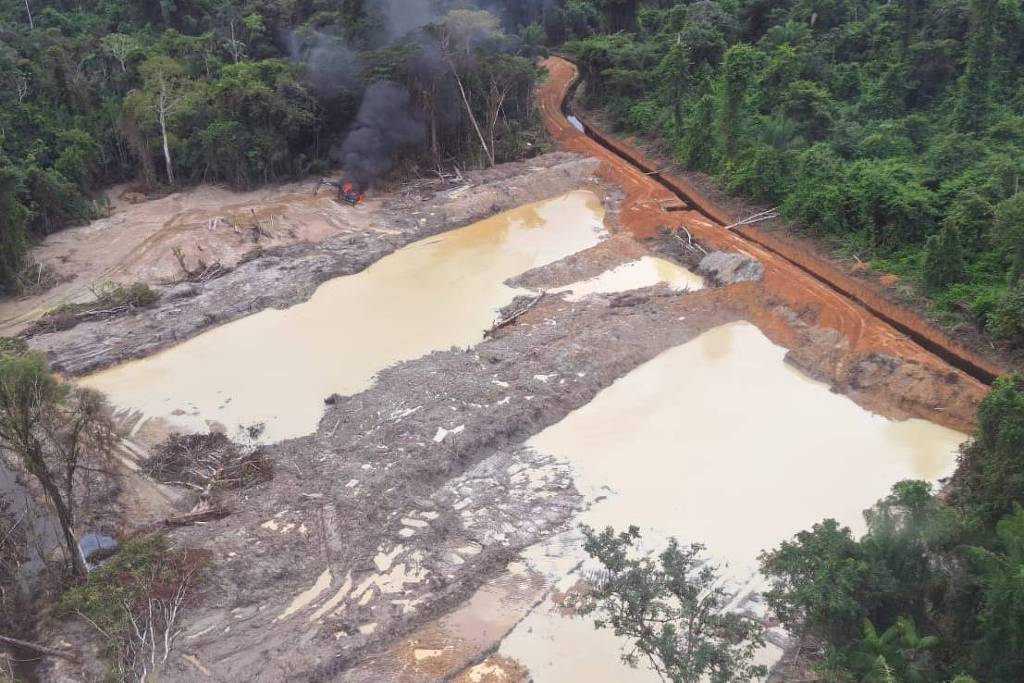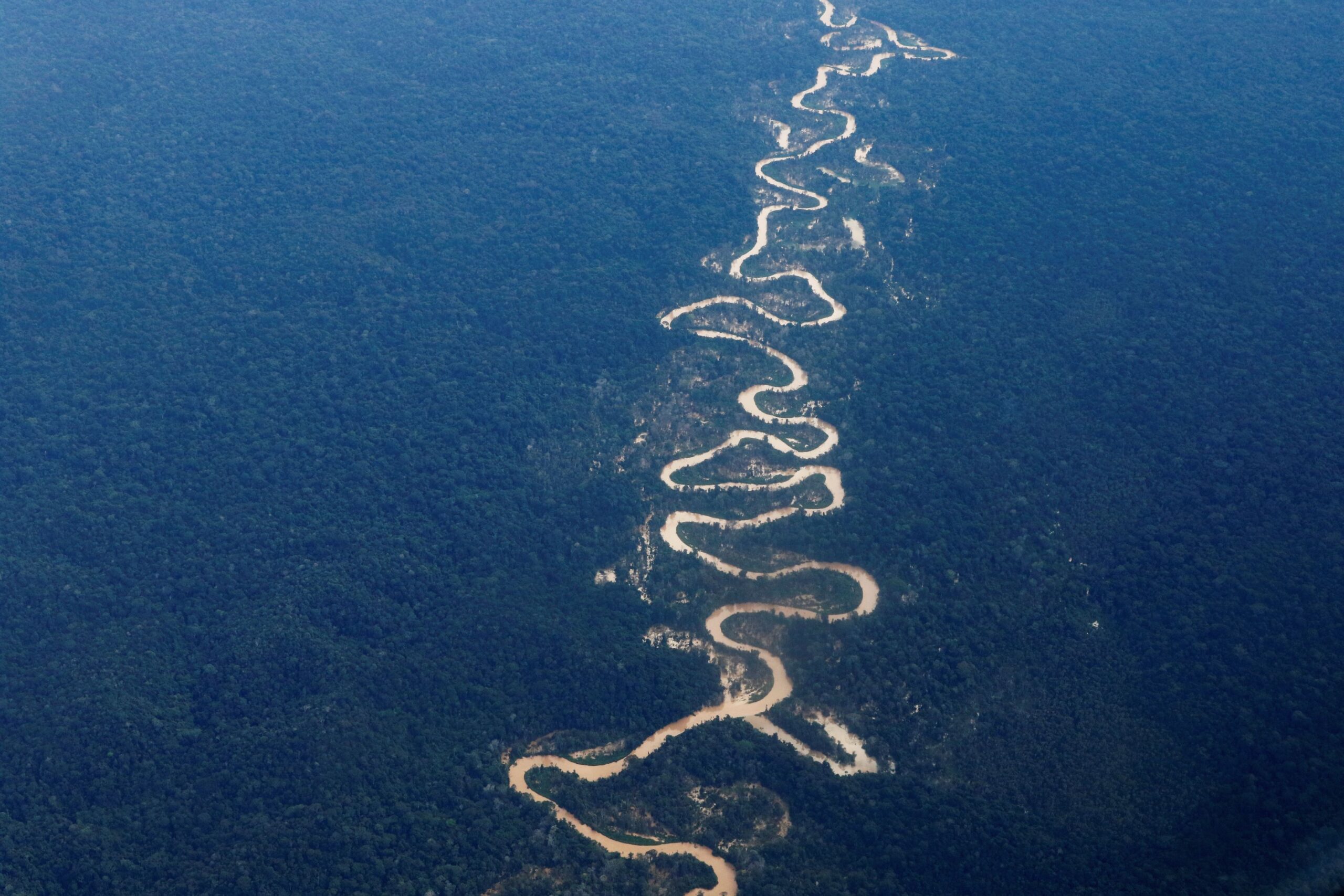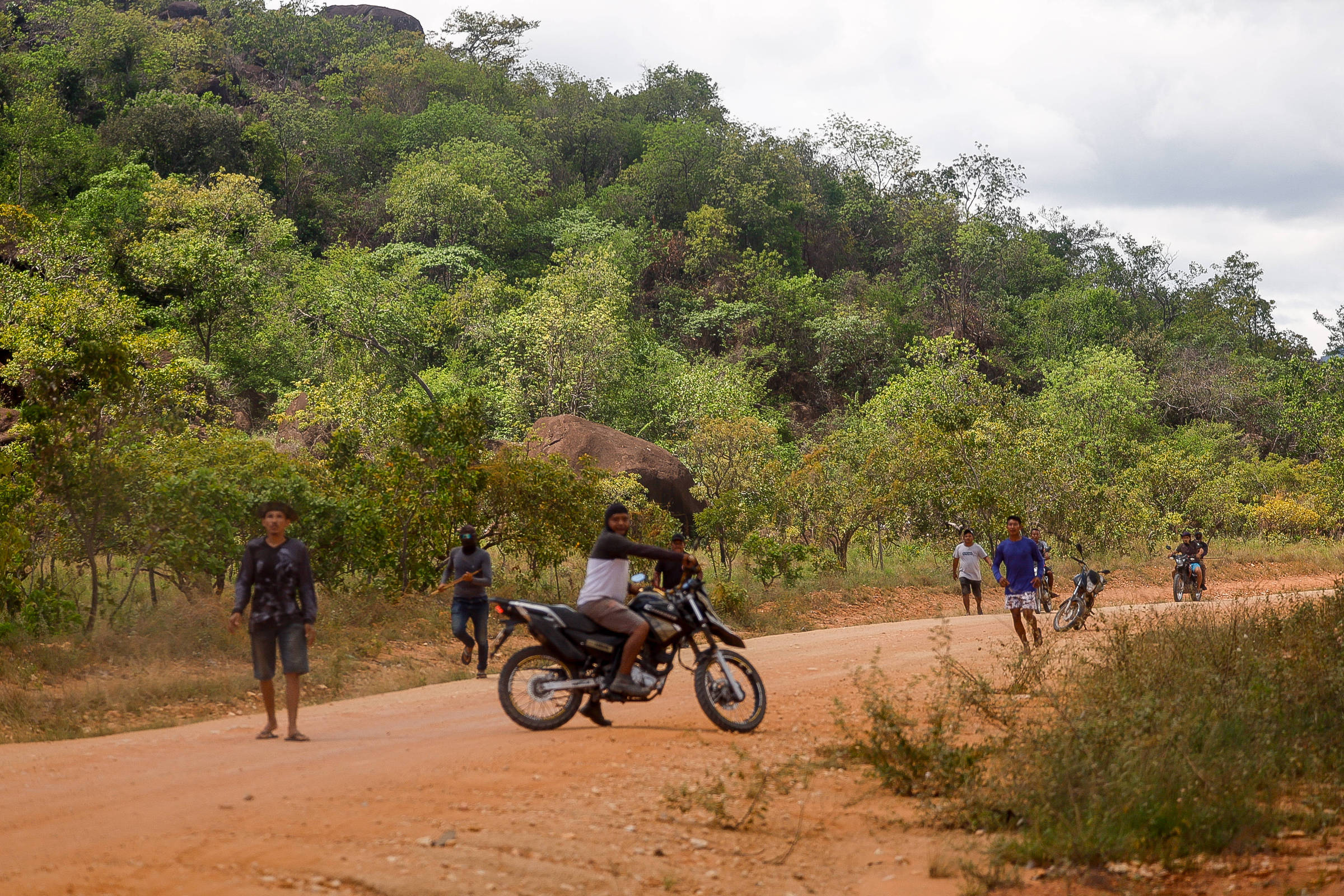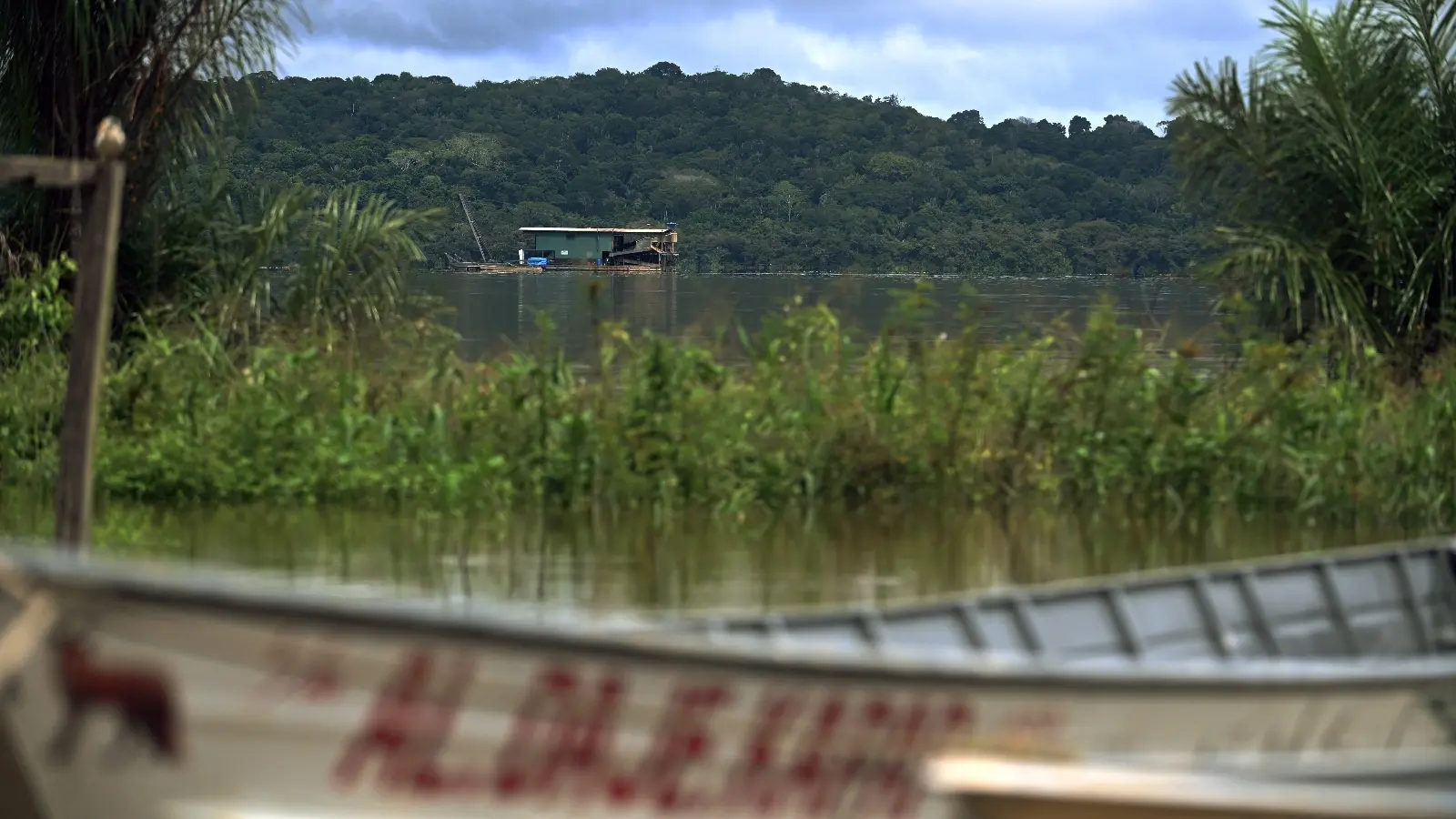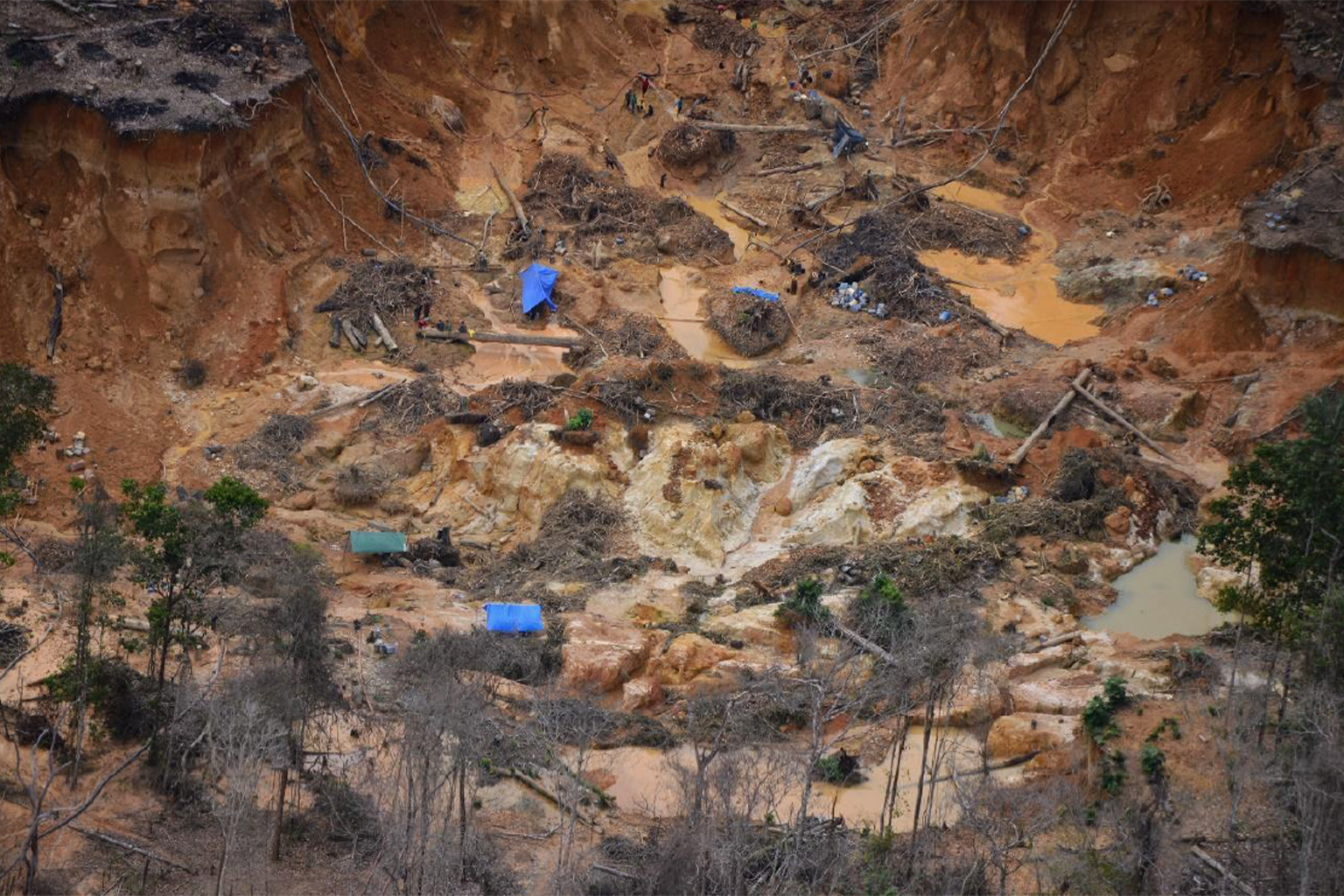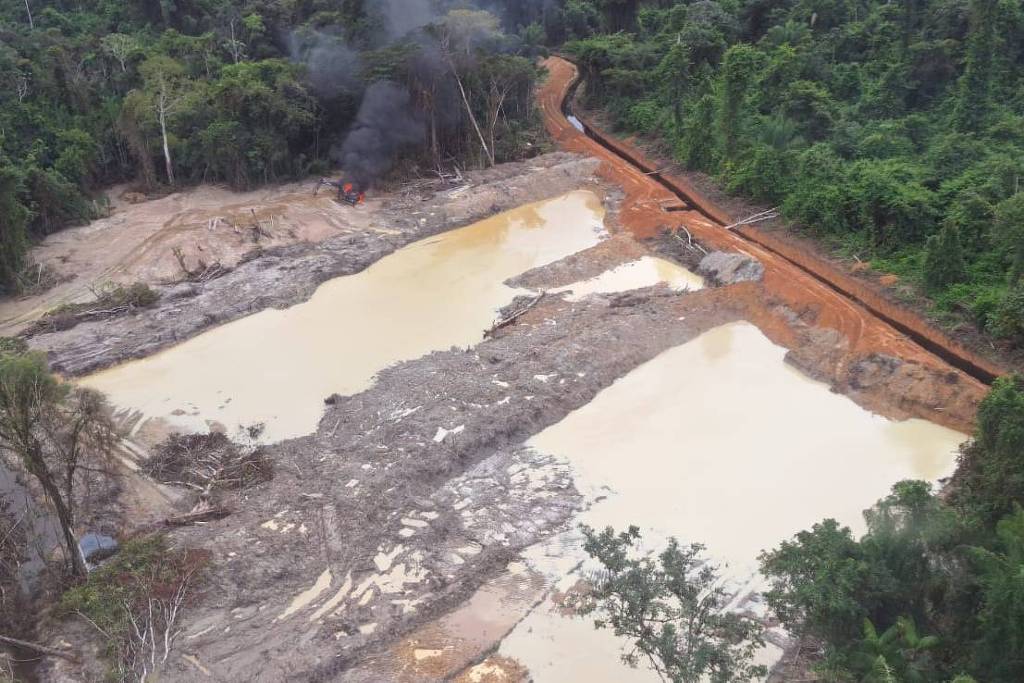
Illegal mining in the Amazon has shifted to new territories and adopted new methods to evade tighter enforcement, fueling conflicts between Indigenous communities that support and oppose the activity. Folha accompanied an operation by the Federal Highway Police (PRF) and Ibama in the Raposa Serra do Sol Indigenous Territory, in the state of Roraima, where Indigenous people linked to illegal mining attacked a police convoy with arrows and stones, forcing officers to use rubber bullets to clear the way.The activity surged during former President Jair Bolsonaro's administration, when about 20,000 illegal miners invaded the Yanomami Indigenous Territory, triggering a public health collapse and deaths from malaria and malnutrition. Since 2023, President Lula's government has intensified enforcement operations, reducing illegal mining alerts, but the activity has shifted to less-monitored areas such as Mato Grosso, Amapá and Rondônia, while also moving underground to avoid satellite detection.
In the Sararé Indigenous Territory in Mato Grosso, the mined area expanded from 147 hectares in 2022 to 3,432 hectares in 2025, according to MapBiomas. Federal prosecutor André Luiz Porreca said there had been "a relocation, a change of address for illegal mining." According to MapBiomas coordinator Cesar Diniz, "illegal activity tends to adapt if there is no continuous monitoring," estimating that 70% of mining operations in Brazil involve some form of illegality.