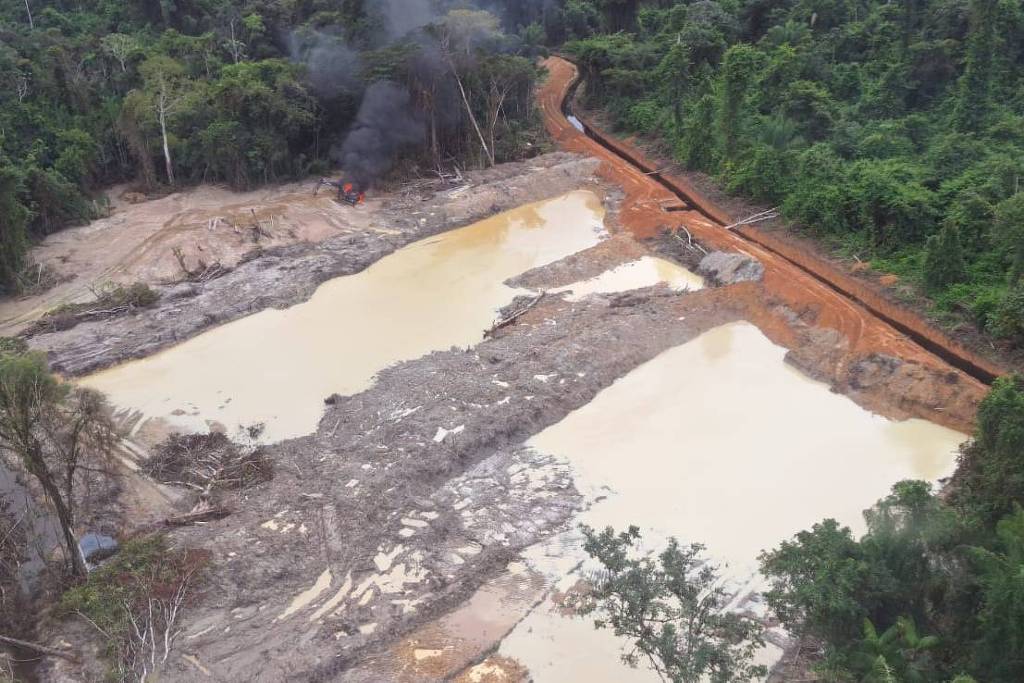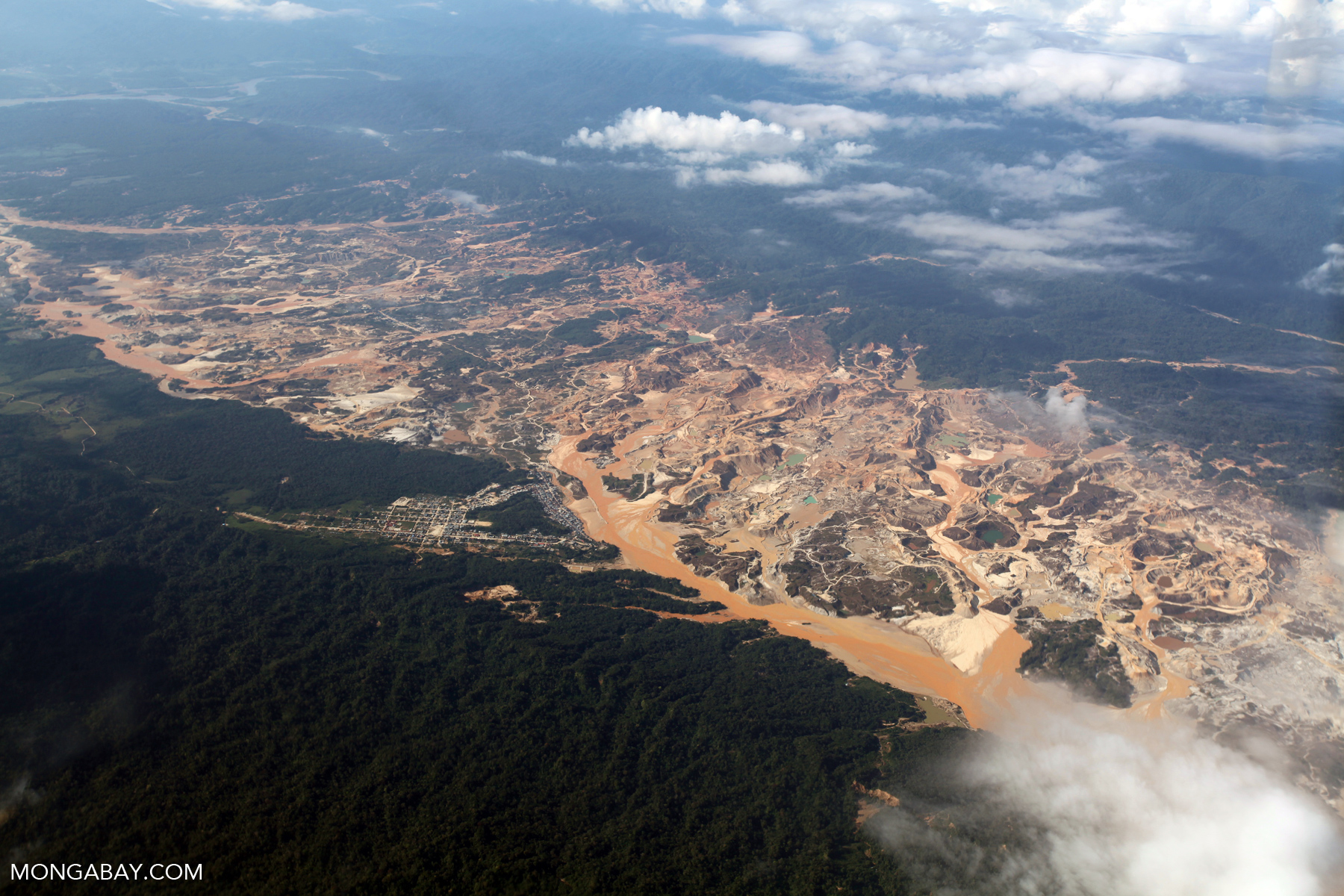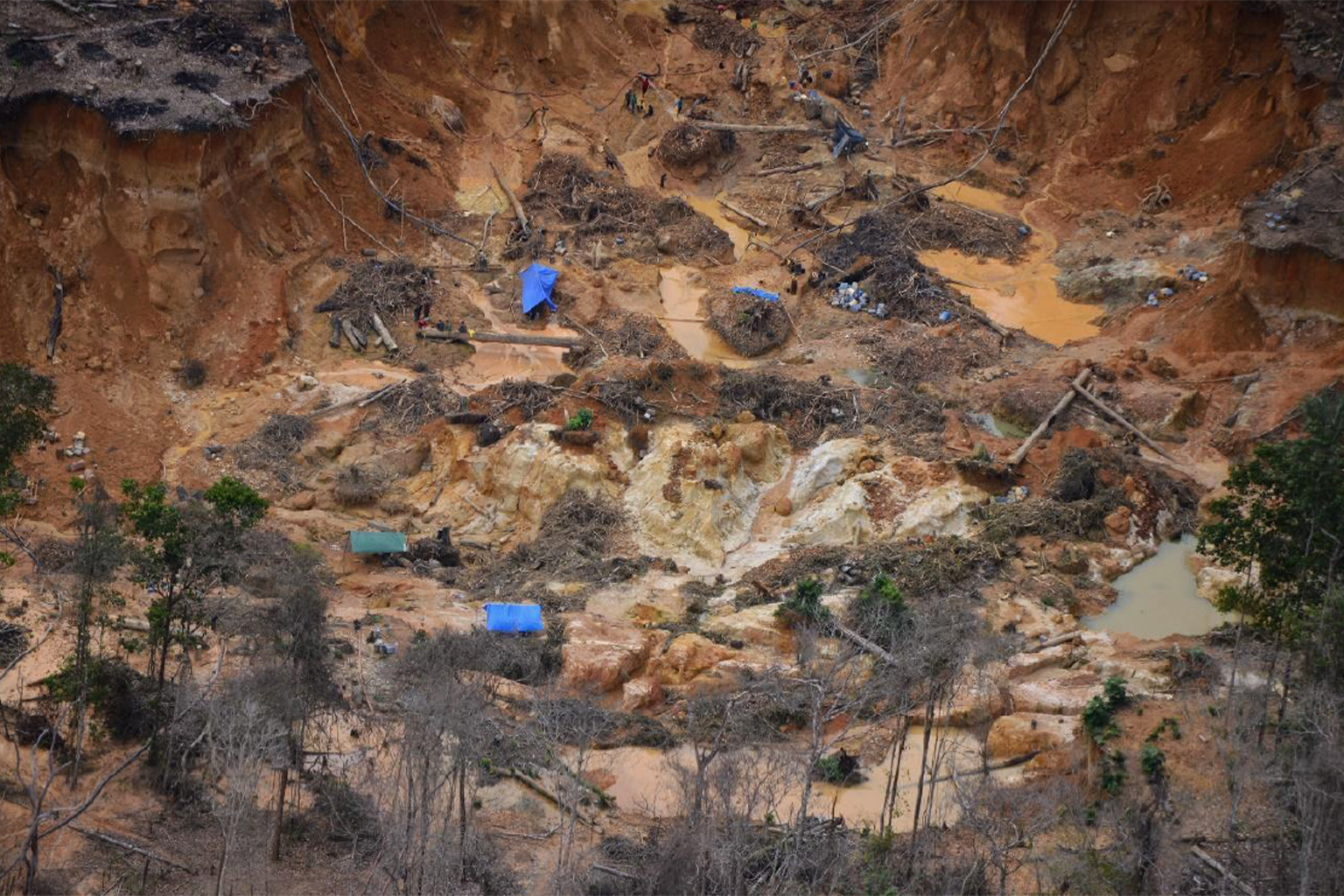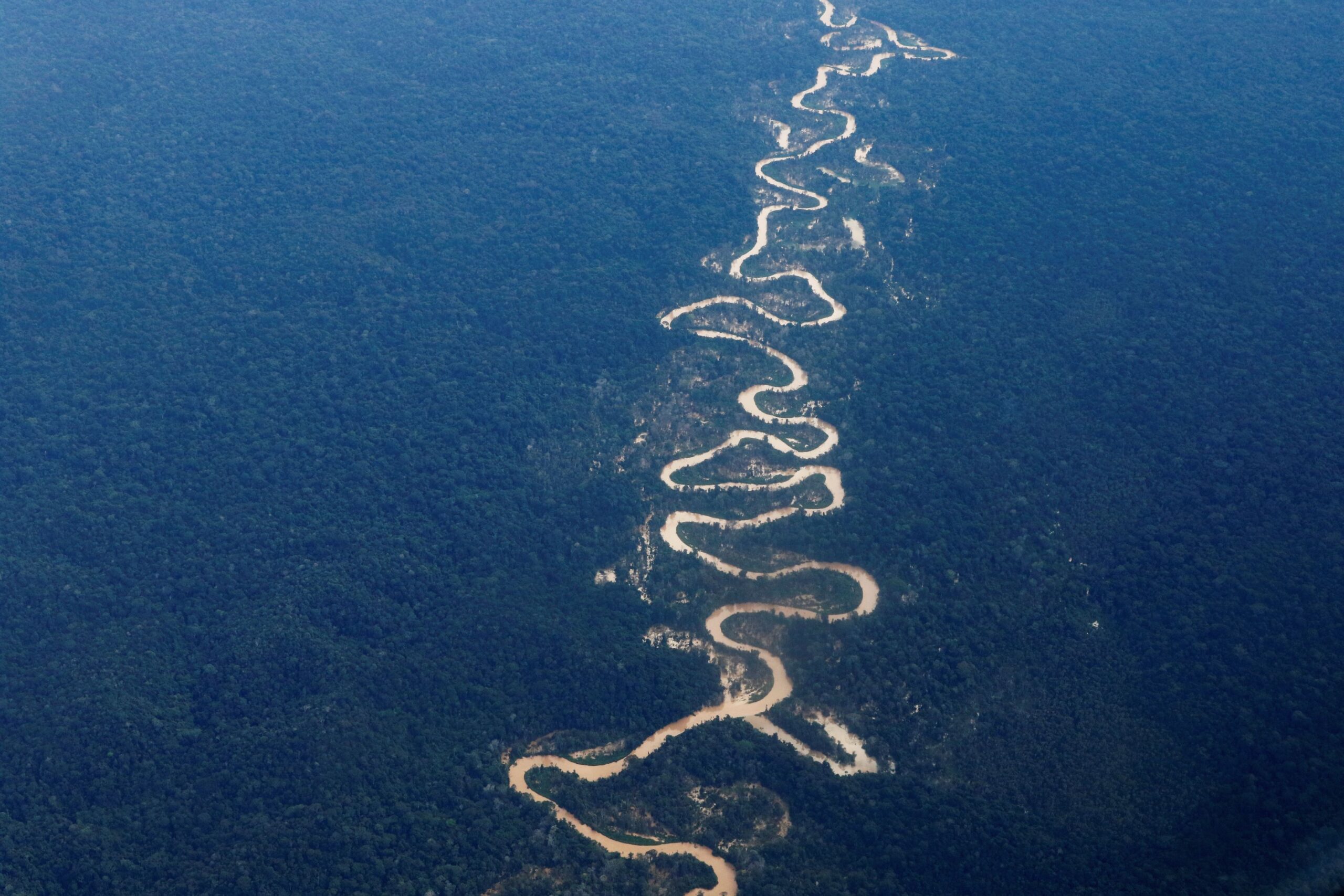
Illegal miners are adapting their tactics in the Yanomami Indigenous Territory in Brazil’s Amazonas and Roraima states to evade efforts in the last few years to remove them, found researchers.Miners are fragmenting into smaller groups instead of concentrating near airstrips, going deeper into the middle of the Amazon forest, moving to specific border areas with Venezuela and paying high prices to continue their activities.Illegal mining is significantly down in the territory due to the government operation, said Indigenous people and authorities, though concerns remain for the health of isolated Indigenous people.Brazil’s government says it is in the phase of “scavenging the territory” to remove miners deep in the forest which are unable to be detected by satellite imagery and require long walks into the Amazon.
BRASÍLIA — Illegal miners have adapted their tactics in the Yanomami Indigenous Territory as Brazilian authorities seek to remove all the illegal occupants from the Amazon land, according to a recent report.
Since a peak in illegal mining in 2022, there have been “significant and successive reductions” in the rainforest from 2023 to 2025, researchers using satellite imagery found. However, “mining activity was not completely eradicated,” as miners change how they operate, decentralize and move to borders. Sources also raise concerns about the health of isolated Indigenous people, who are at risk of the spread of malaria linked to illegal mining. In 2024 and 2025, mining impacted 129 hectares (318.7 acres) of land, down from about 1,800 hectares (4,448 acres) in 2022.