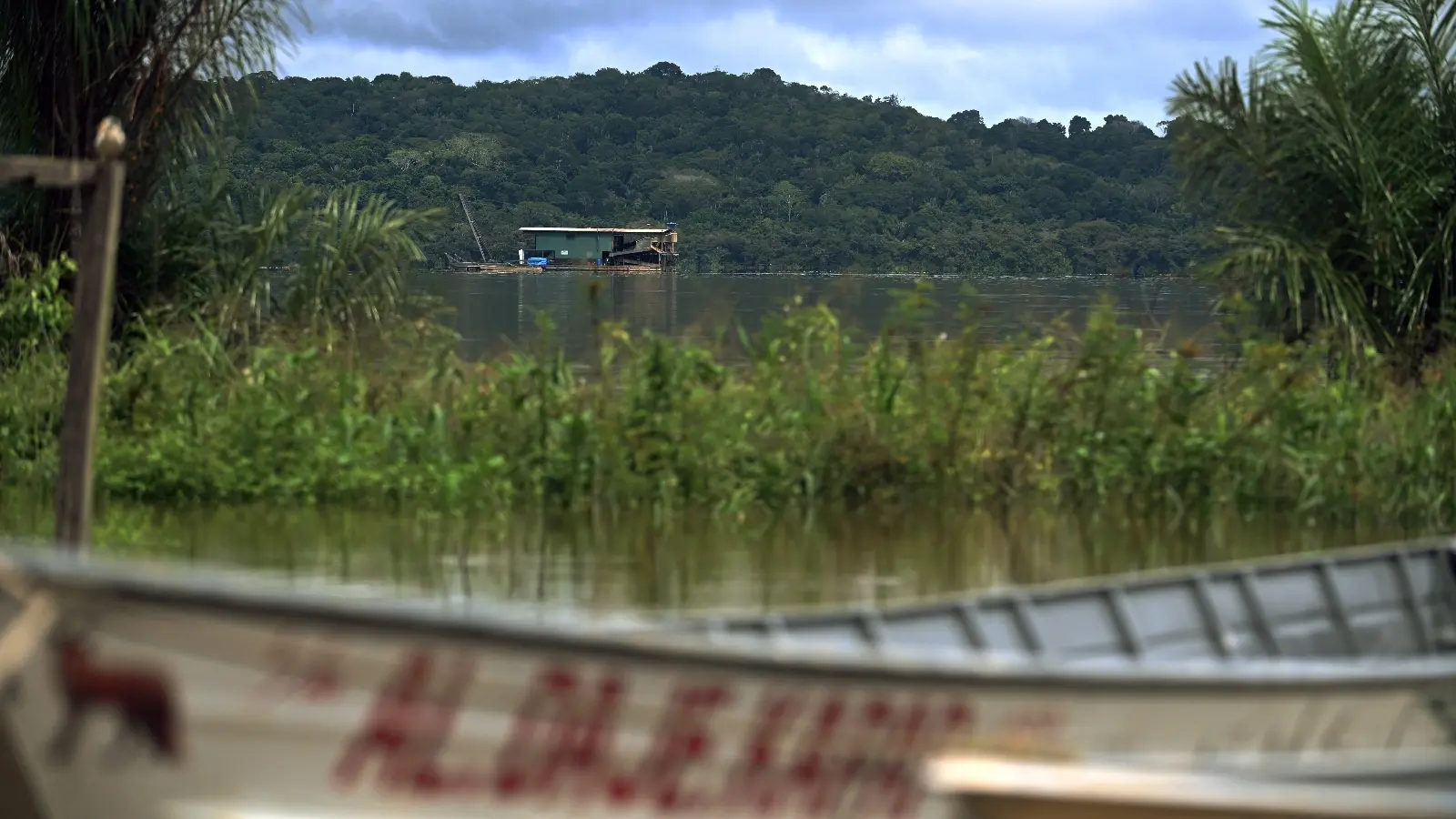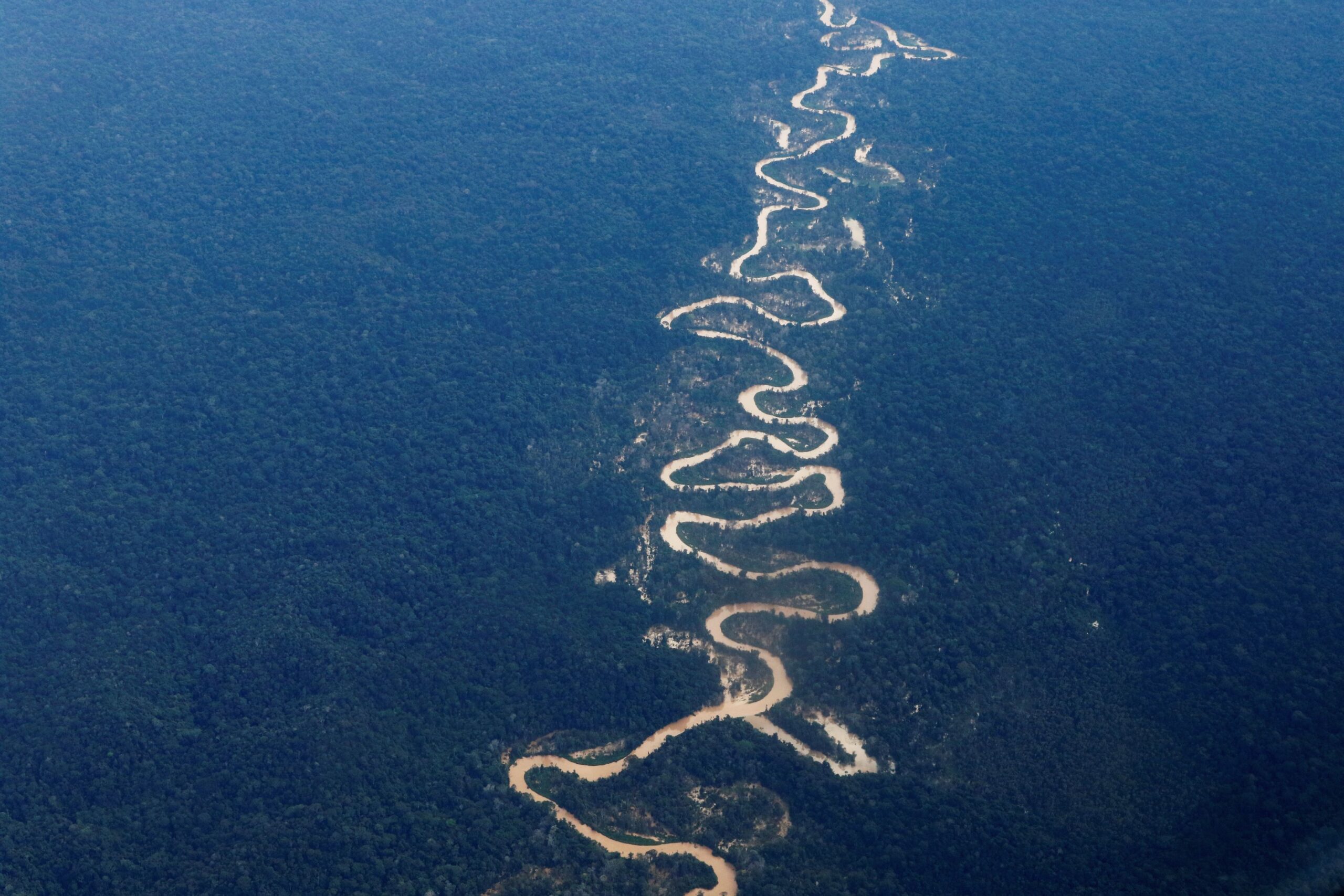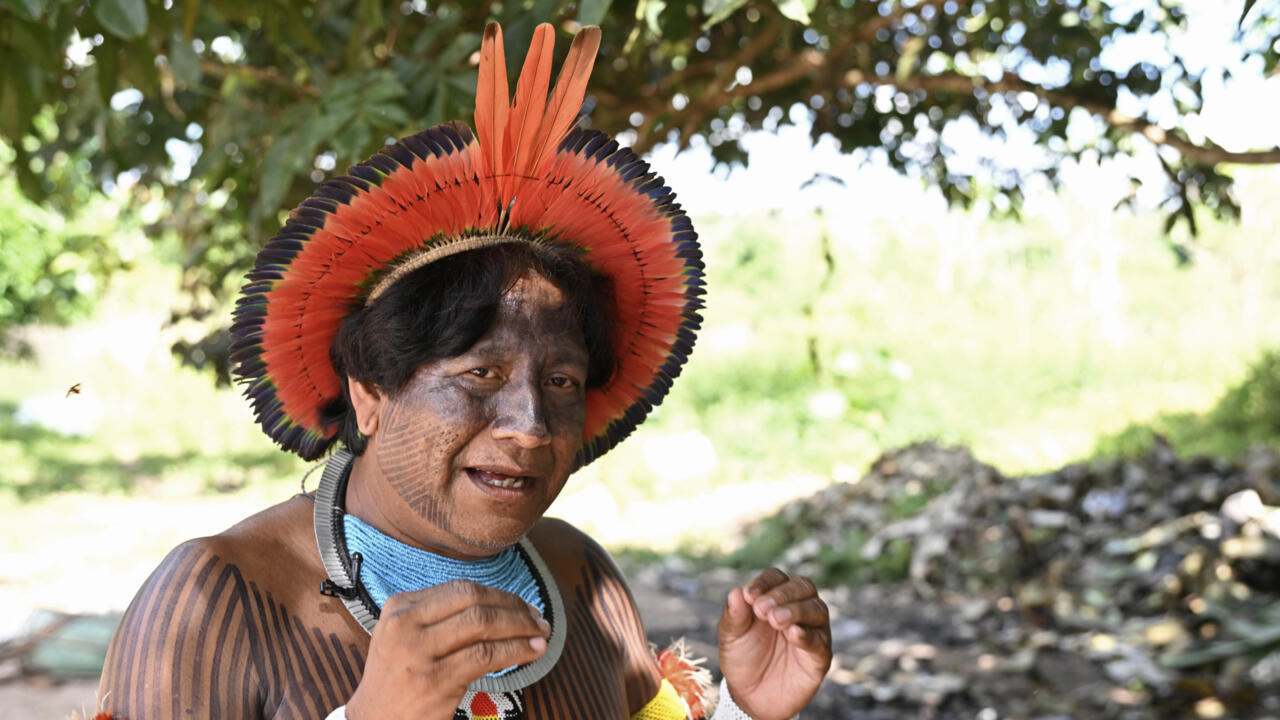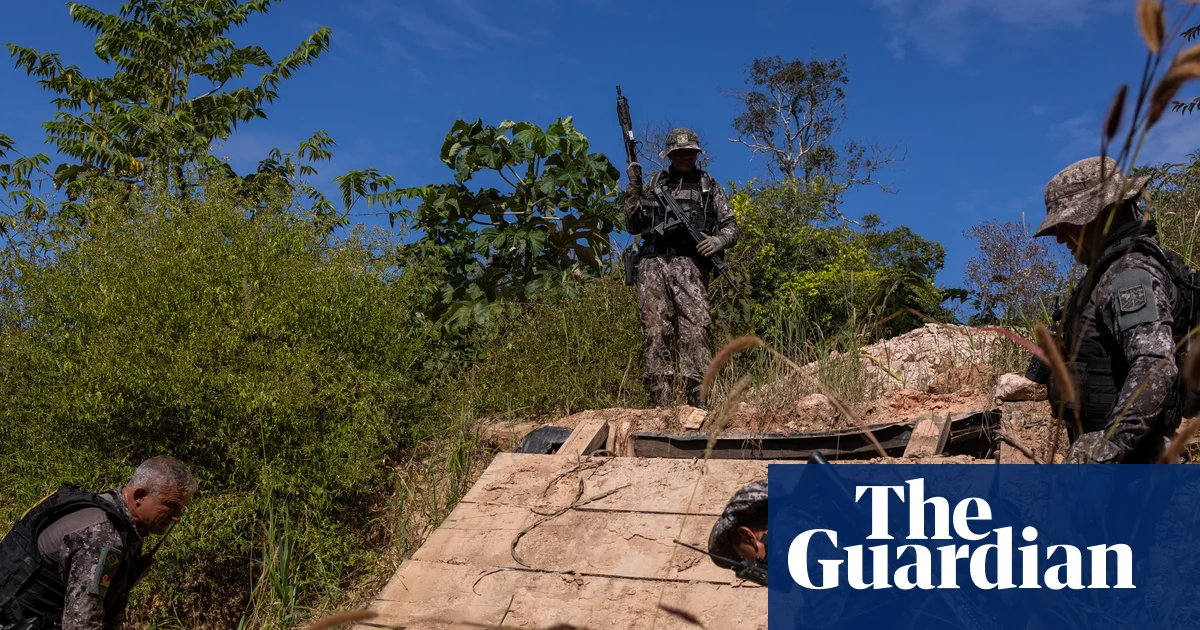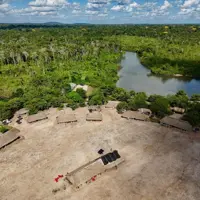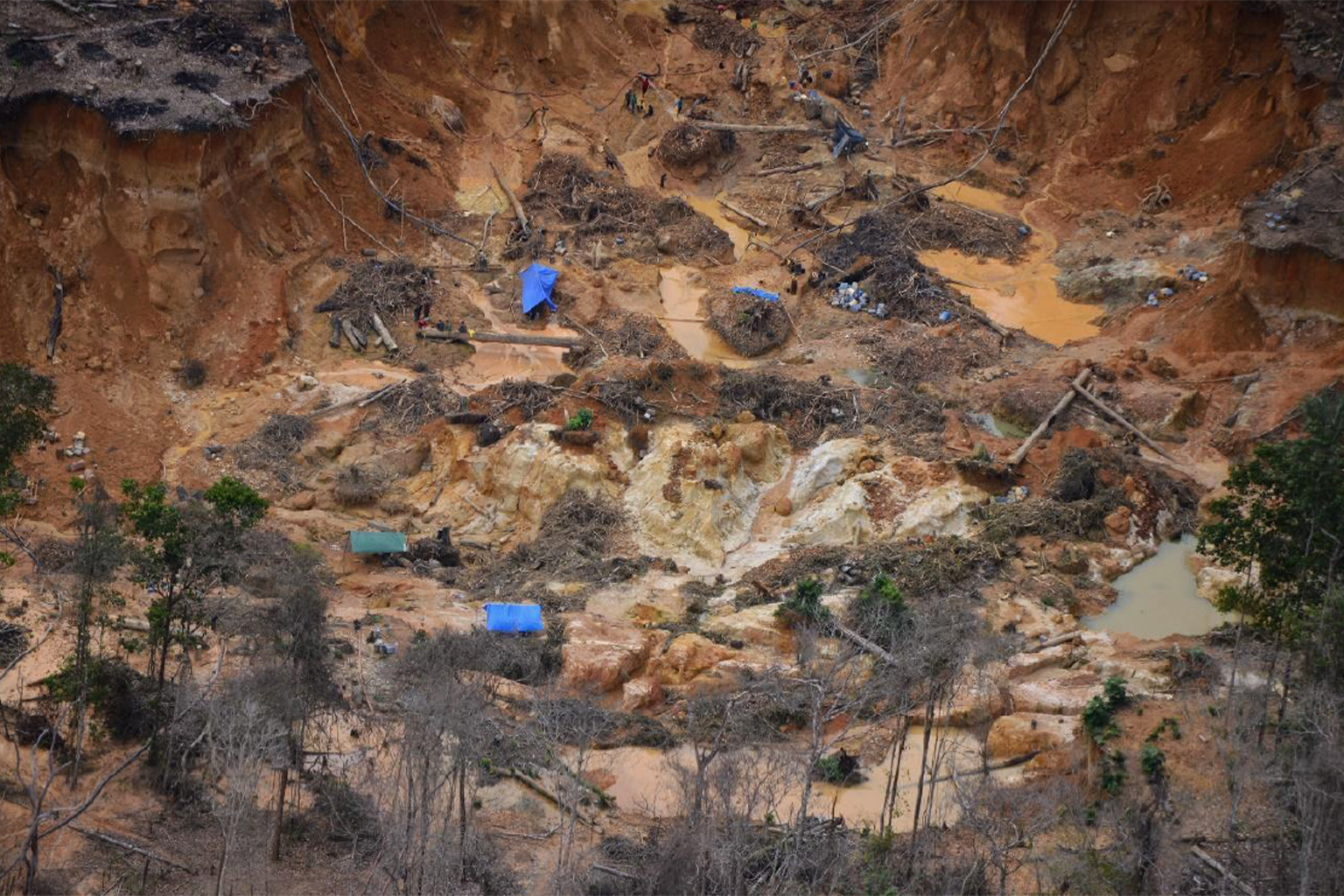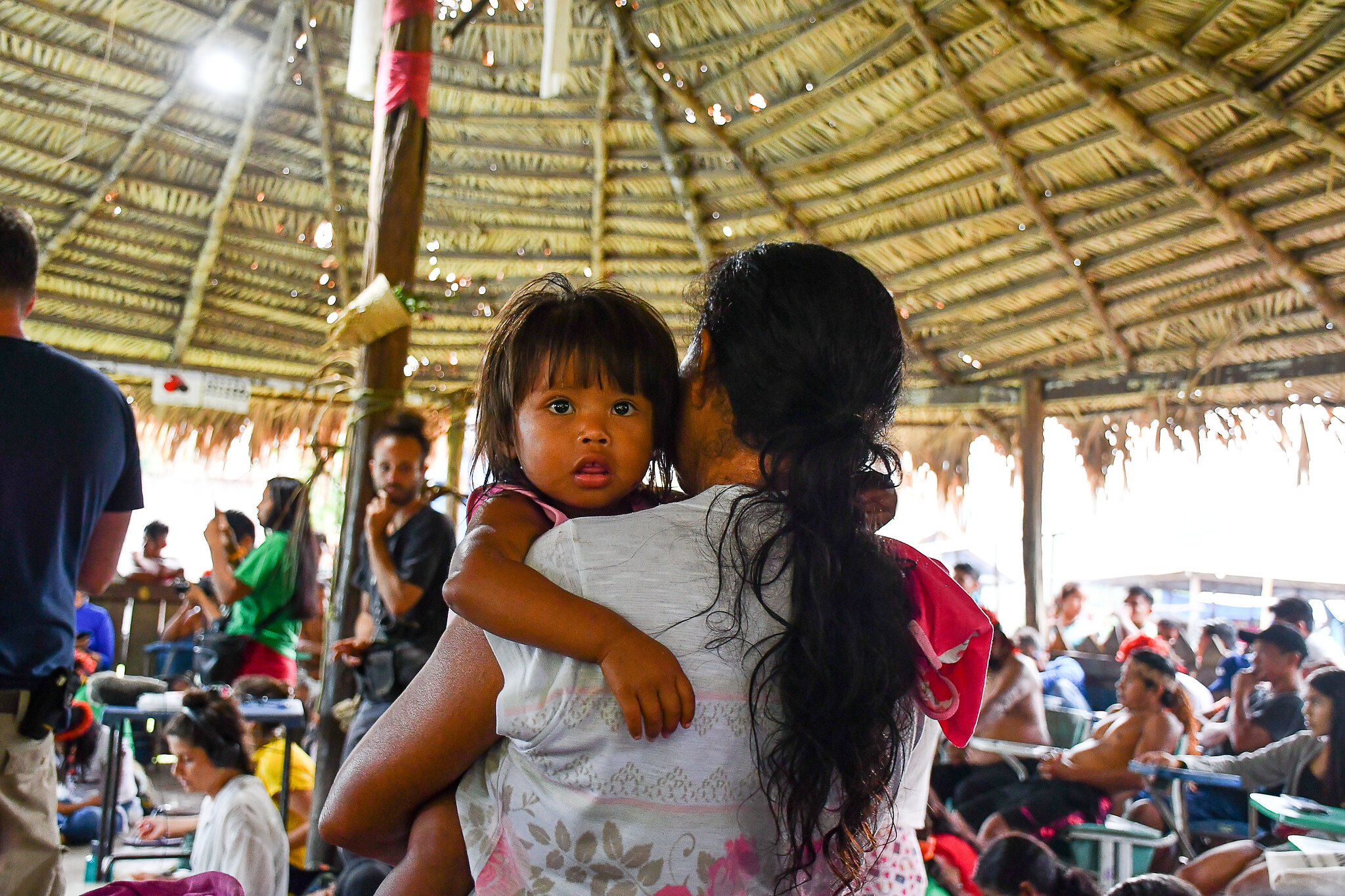
In November 2024, the Brazilian government launched an operation to oust illegal gold miners from the Munduruku Indigenous Territory in the Amazon Rainforest.However, there was little government action to address health issues in the aftermath of the destruction wrought by gold mining, Indigenous leaders and experts say.A wide range of diseases linked to mercury contamination and other environmental destruction derived from illegal gold mining spread in Munduruku lands, including diarrhea, itchiness, flu, fever, childhood paralysis and brain problems.Munduruku leaders sent a letter to the federal government requiring actions to provide health assistance to their people, detailing a list of required actions, including measures to combat mercury contamination, malaria, food insecurity and lack of drinking water.
This is part five of a series on the operation to evict illegal gold miners from Munduruku Indigenous territories. Read part one, part two, part three, and part four.
“We’re sicker than before.”
This is how Indigenous leader Hidelmara Kirixi described health conditions in Munduruku communities despite the Brazilian government’s recent raids to halt illegal mining that caused widespread mercury contamination. “Pregnant women are no longer able to have a child by normal delivery because of this.”