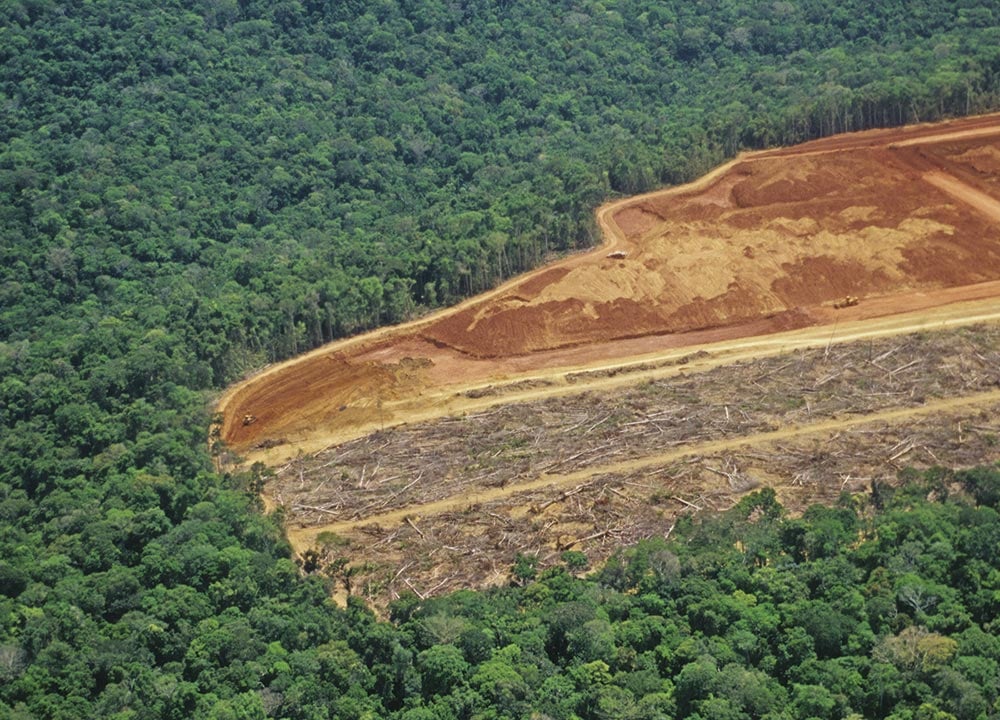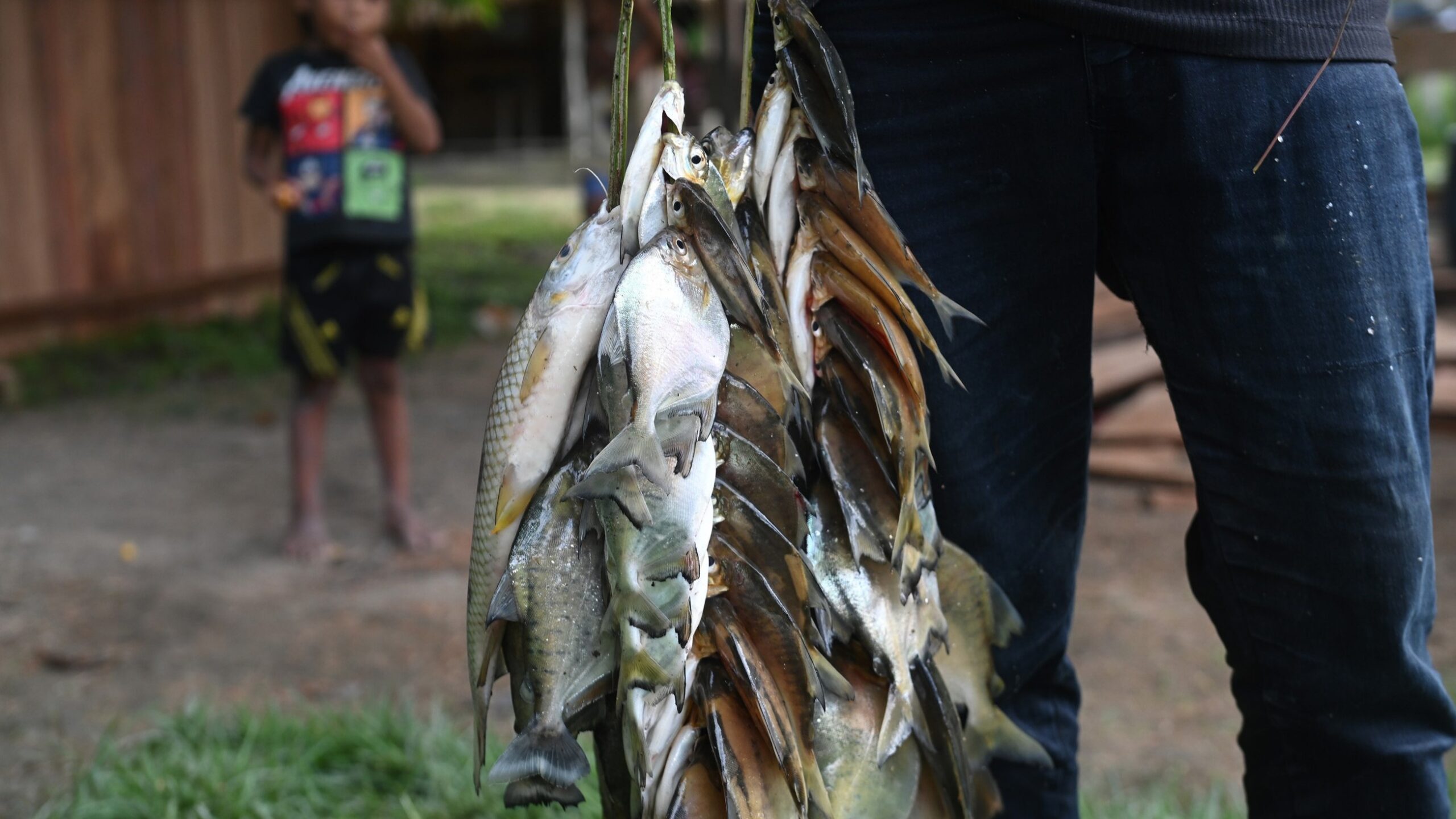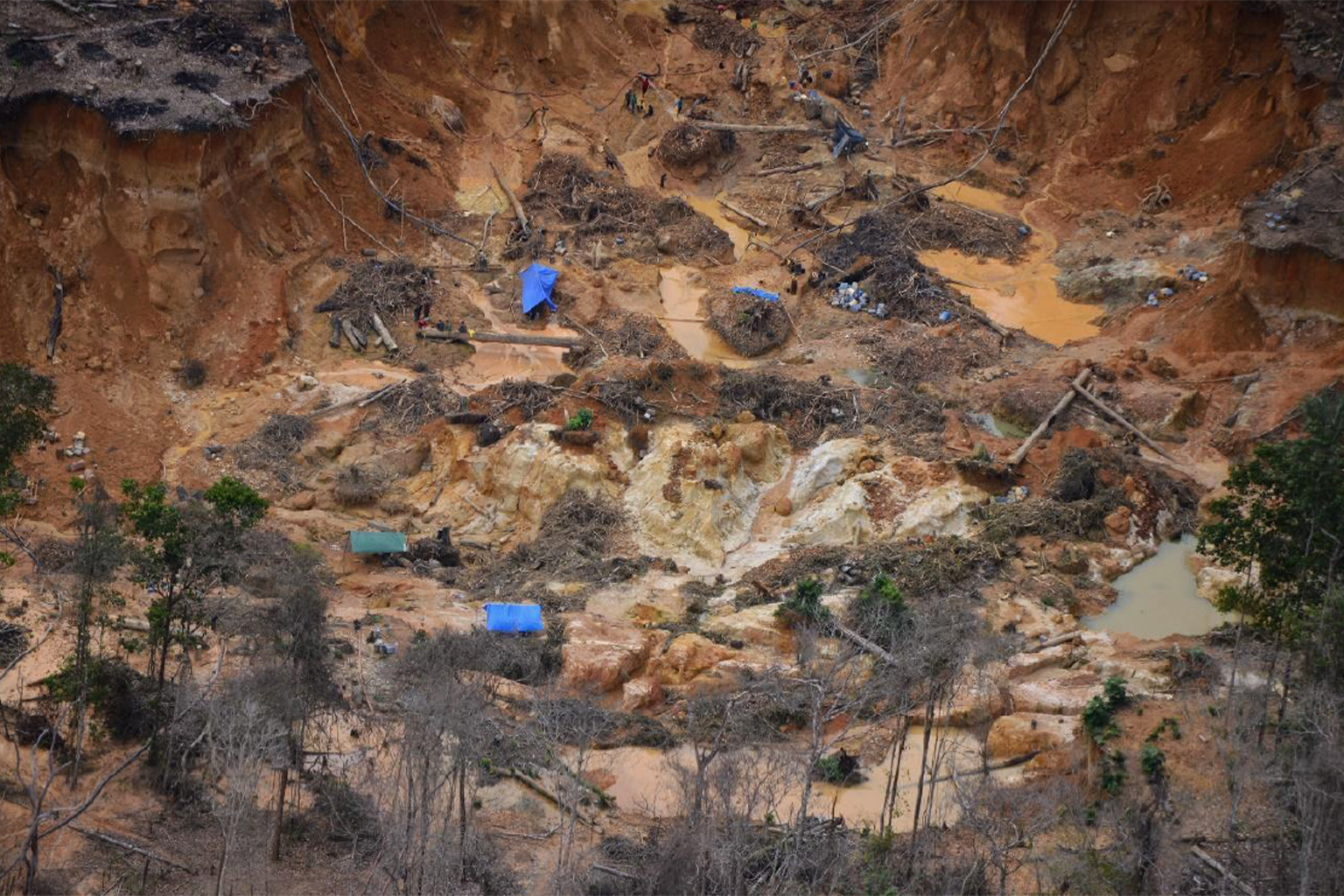
Record gold prices and rising global demand are increasing the incentives for illegal mining across the Amazon, including in protected areas and Indigenous territories.Illicit gold can be laundered into legal markets through false documentation, shell companies, traders, and refiners, while mining damages rivers, forests, and communities through deforestation, sediment, mercury contamination, and diesel emissions.Central banks and other major buyers should impose stronger sourcing, traceability, audit, and due-diligence requirements to make illegal gold harder to sell, argues Robert Muggah, co-founder and research director of the Igarapé Institute.This article is a commentary. The views expressed are those of the authors, not necessarily of Mongabay.
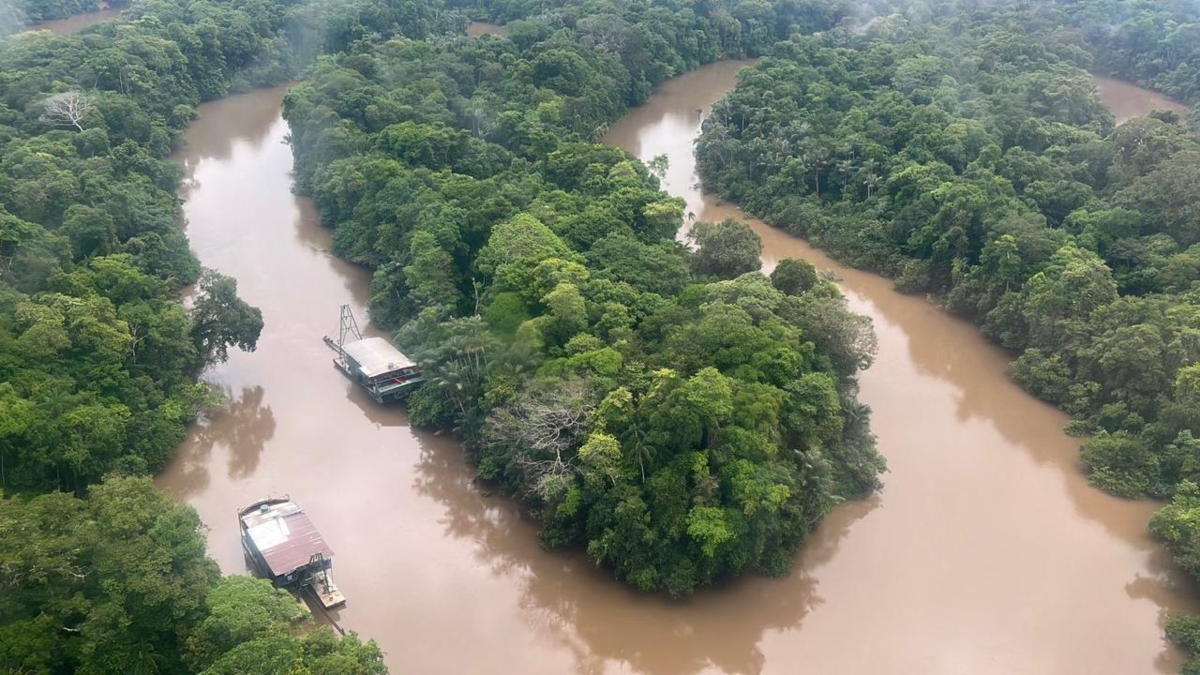
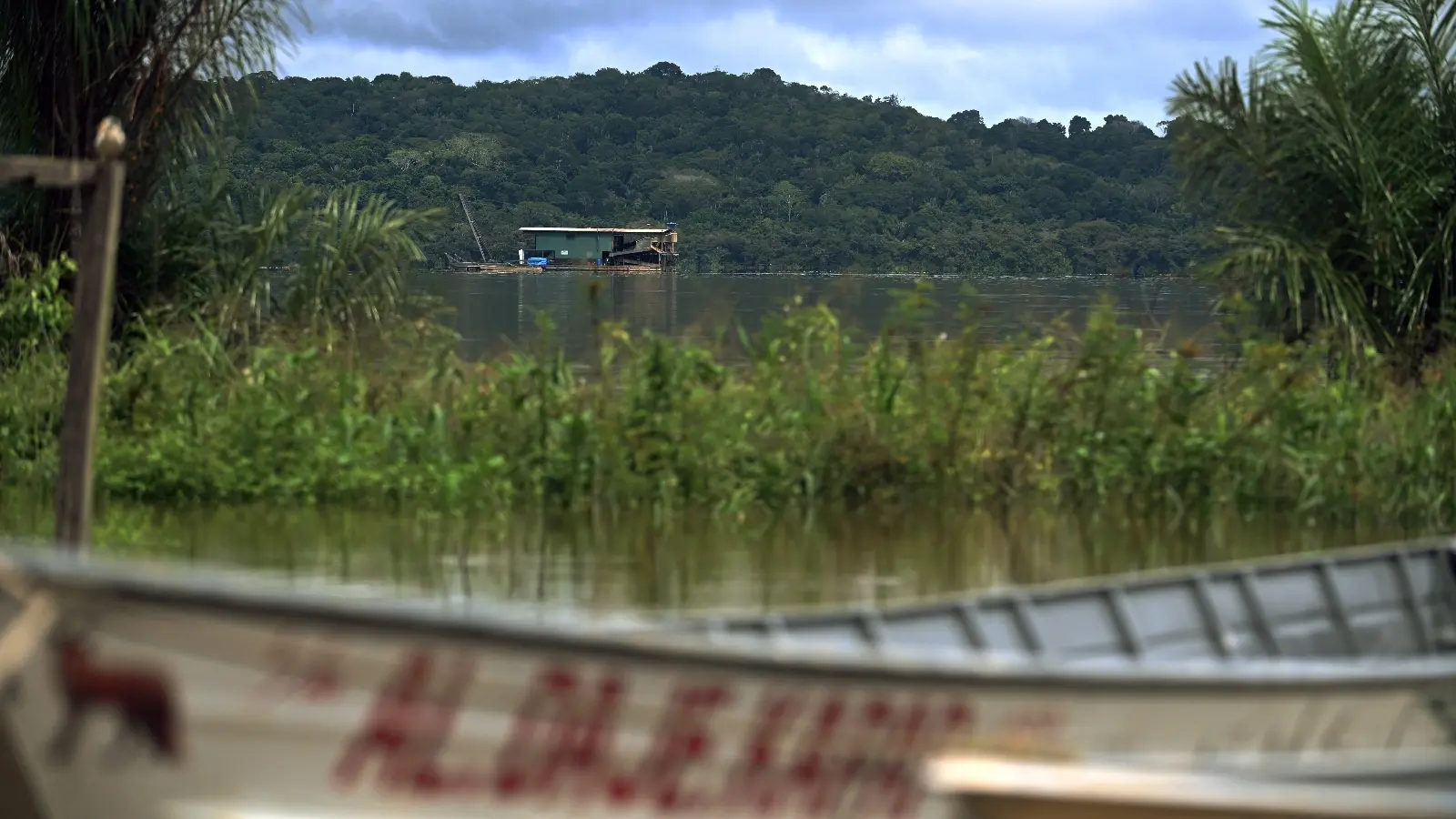
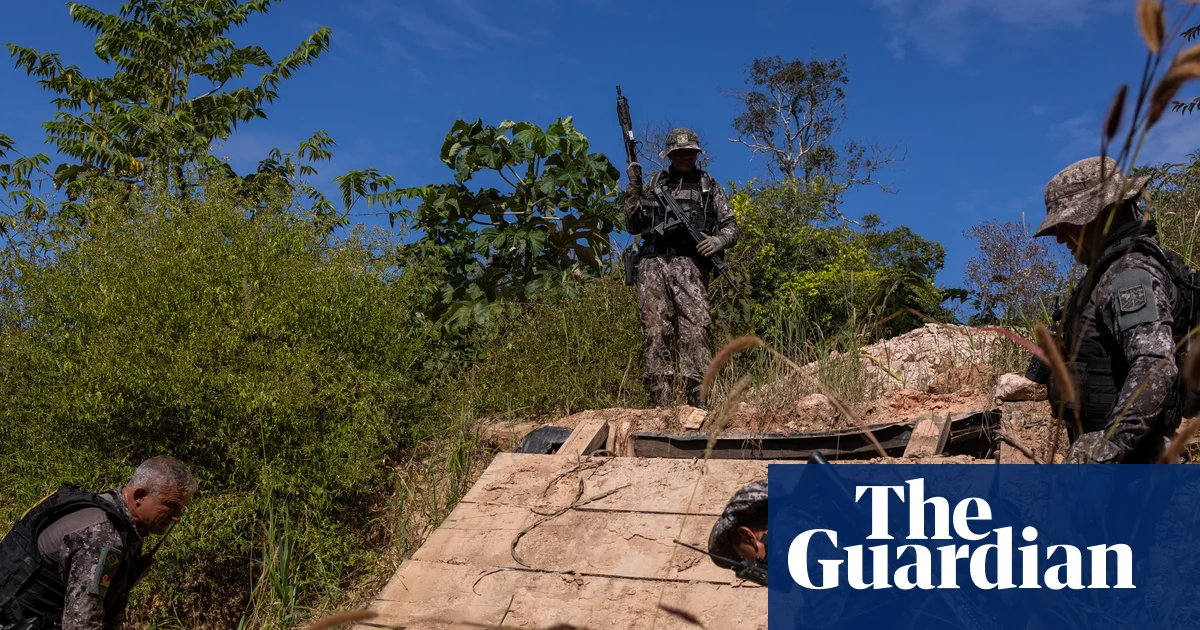
In November 2025, Brazilian authorities, supported by Interpol, disabled 277 dredges used for illegal gold mining along the Madeira River. The machinery was valued at about $6.8 million. The operation
dealt a substantial blow to one of the Amazon’s busiest mining frontiers, yet its effect was likely temporary. After all, dredges can be replaced, miners can relocate, and financiers can redirect their money.
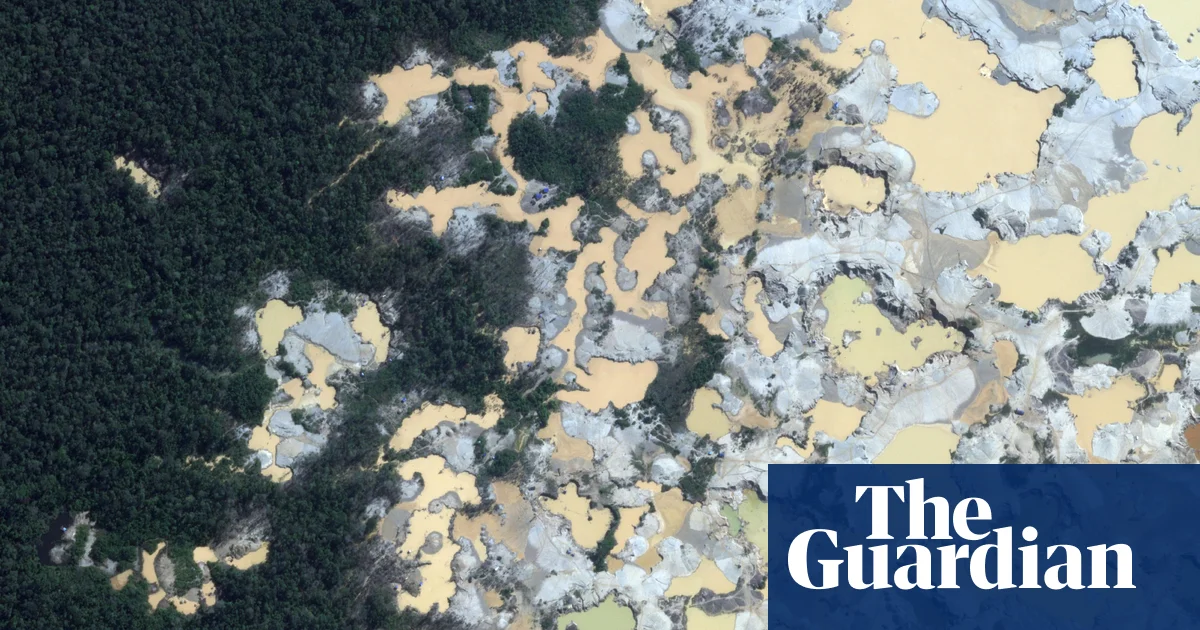
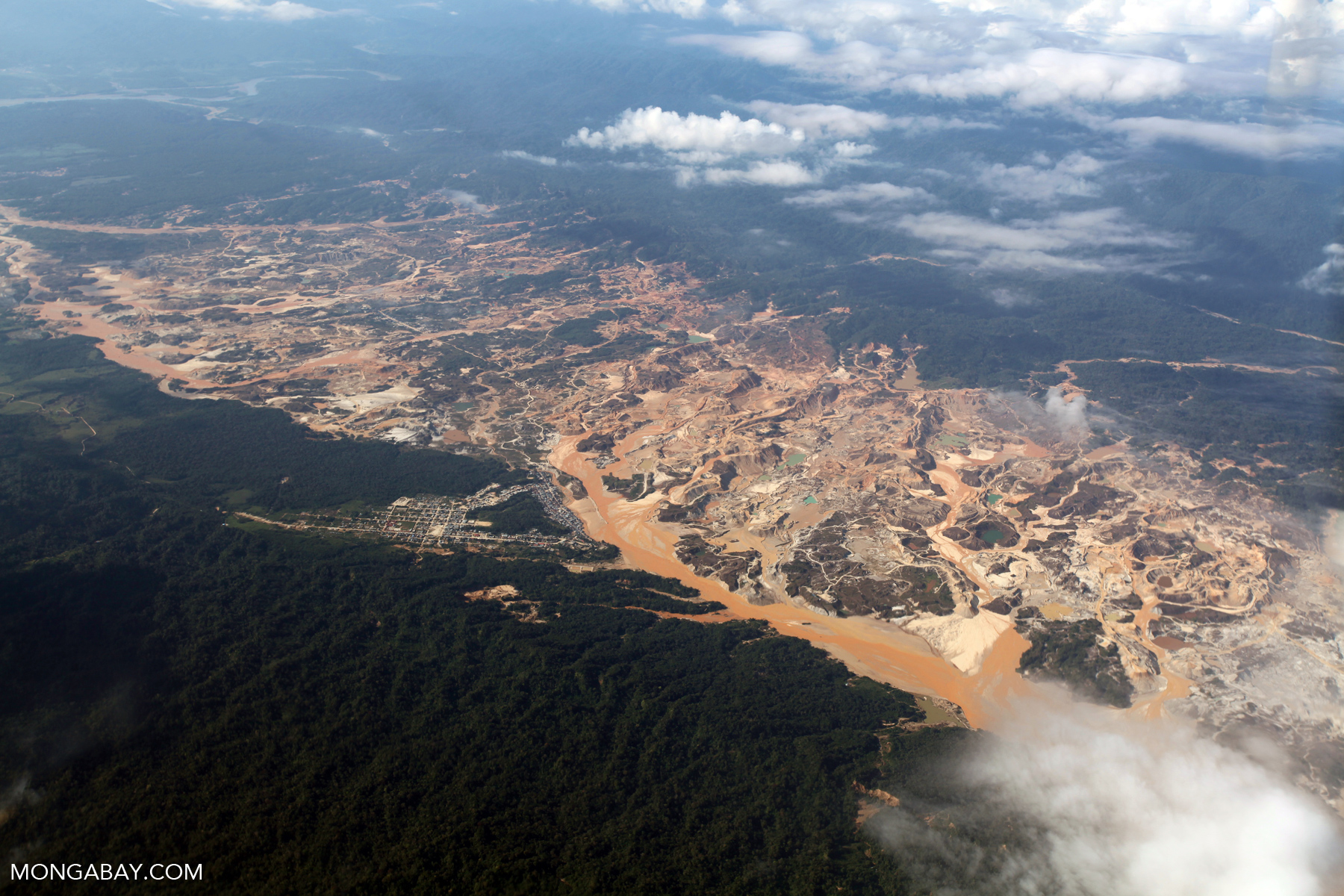
Satellite monitoring reveals how quickly the industry is spreading. A basin-wide monitoring initiative led by Amazon Mining Watch detected more than 37,000 hectares of new mining expansion across the Amazon in 2025. Of that total, more than 14,000 hectares lay within 222 protected areas and Indigenous territories. Since mining is generally restricted in such places, much of this activity was presumed to be illegal.