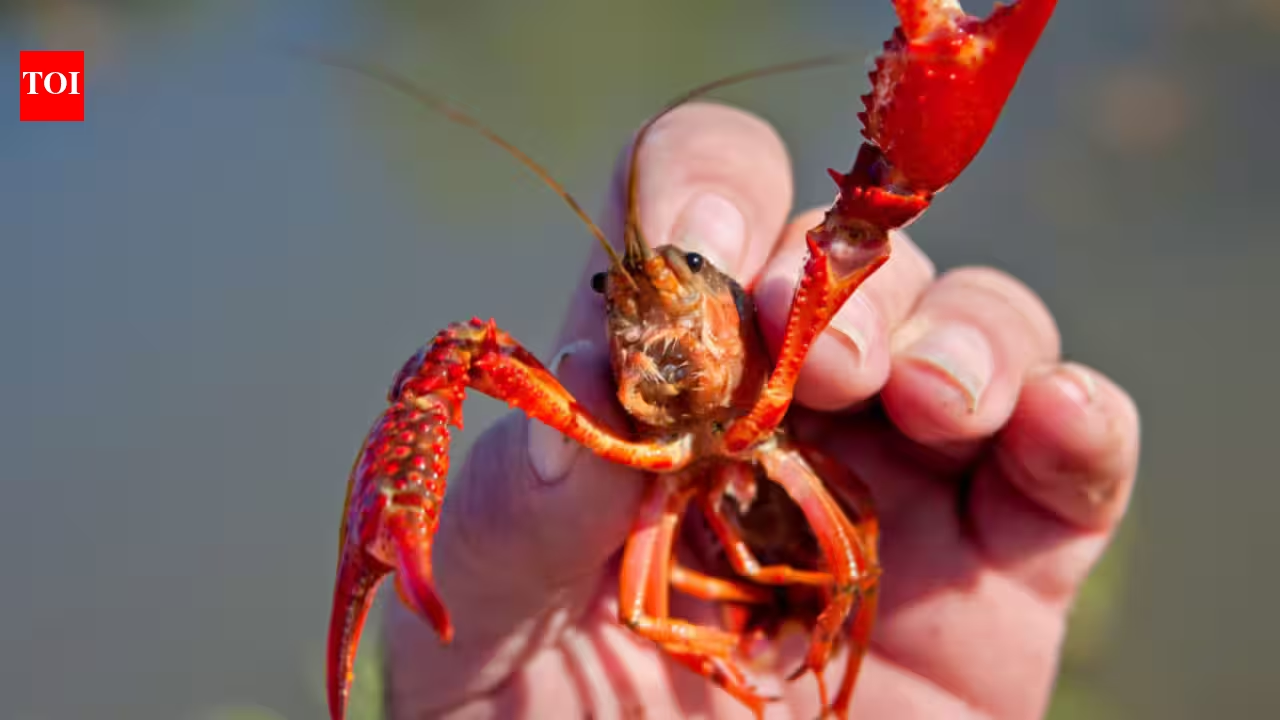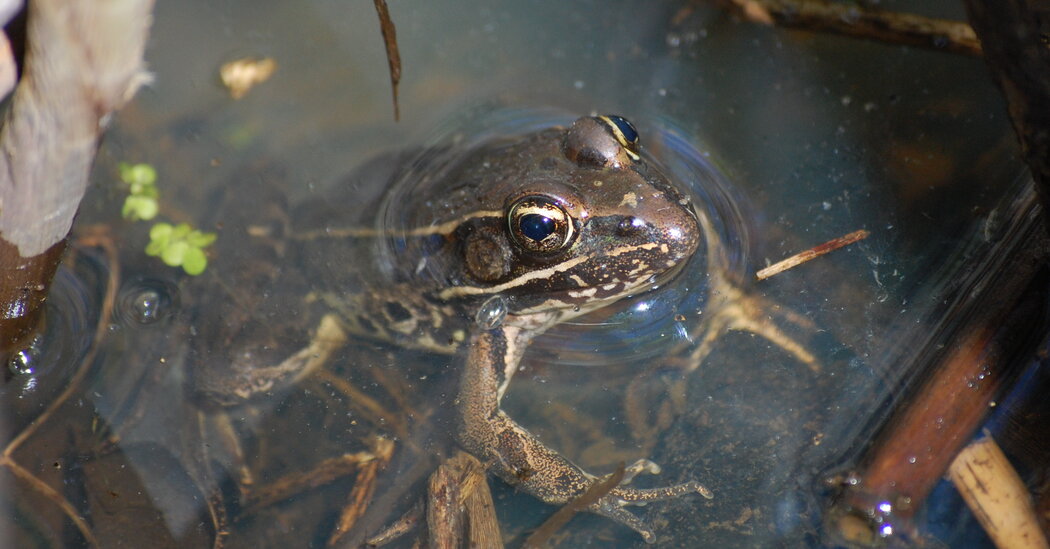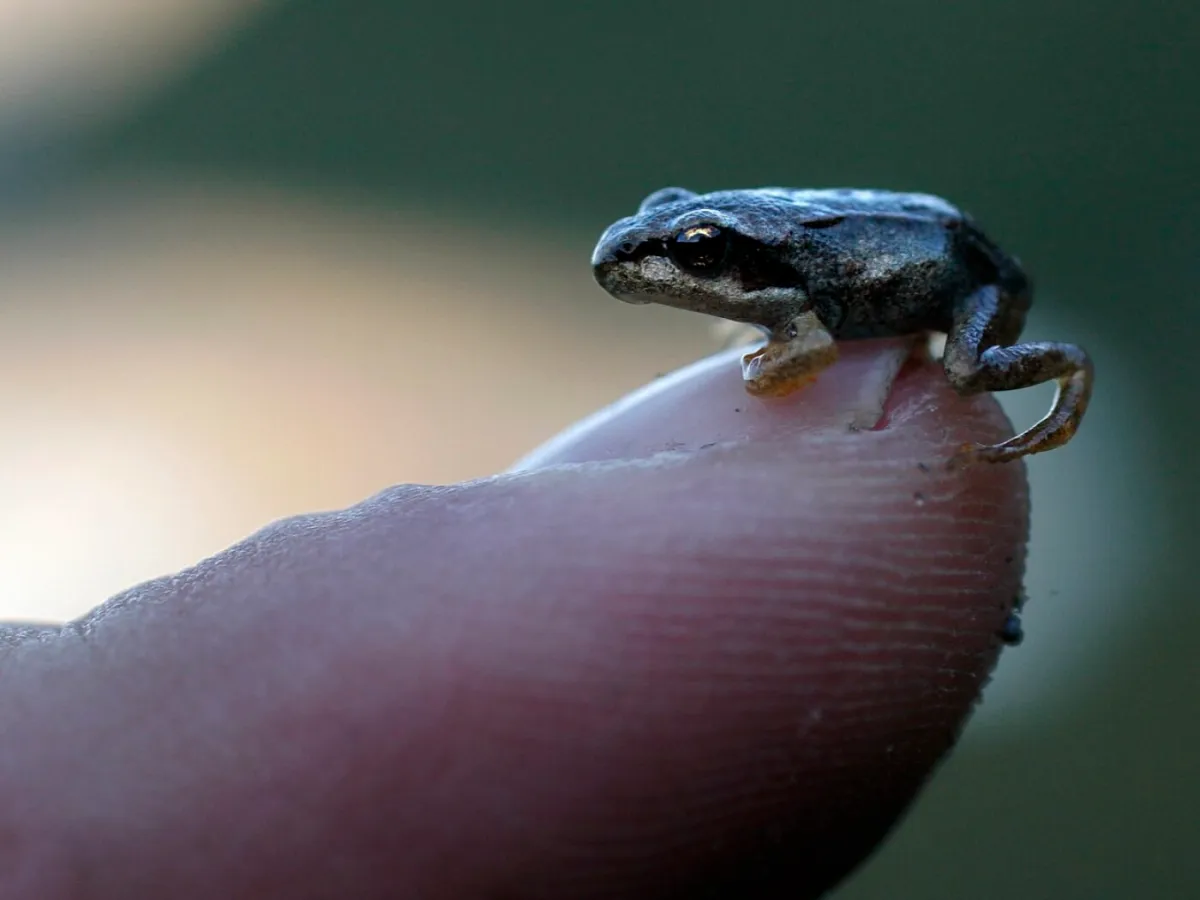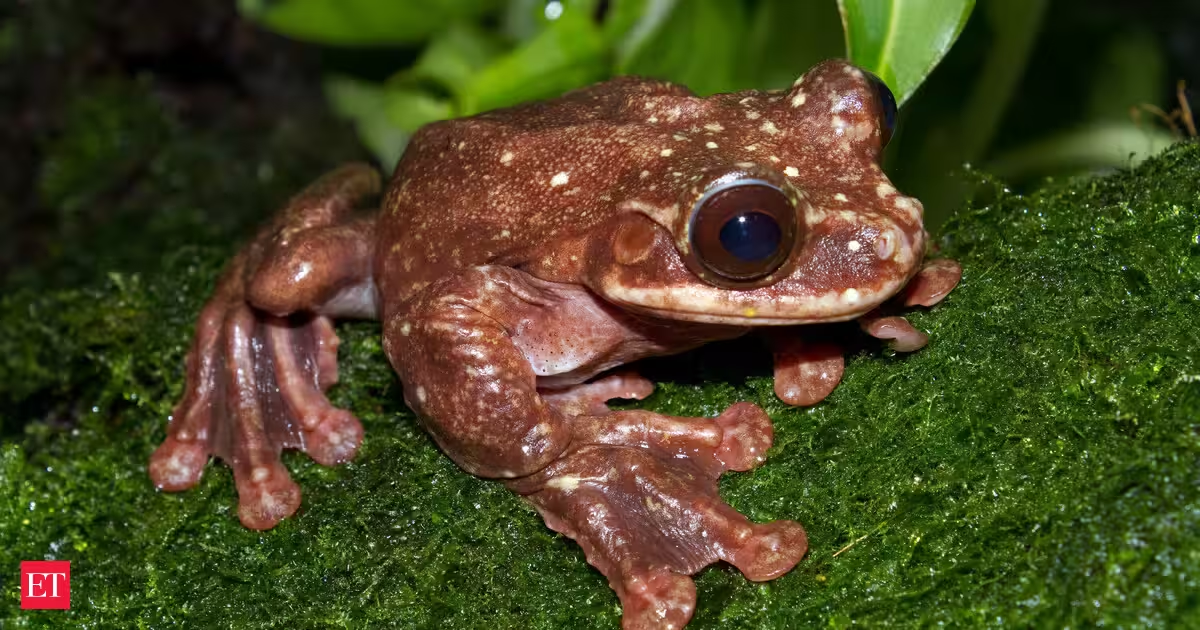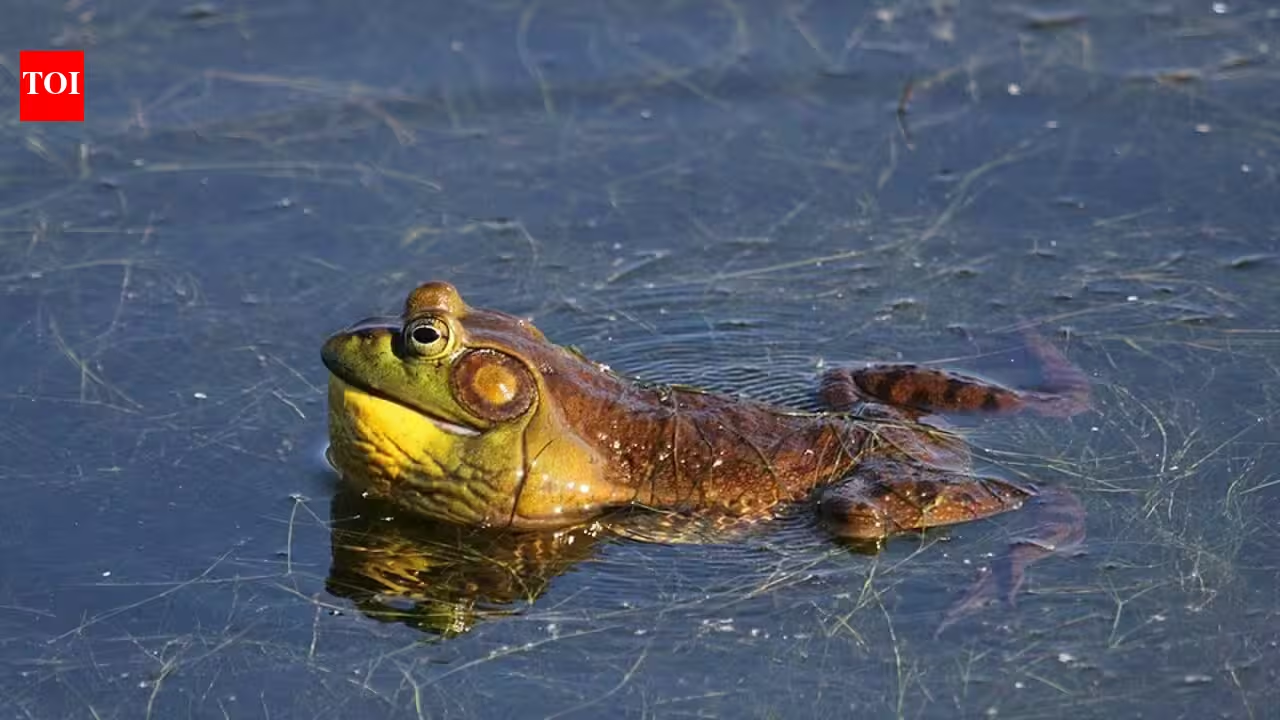
In the late 19th century, American bullfrogs were brought to California for a seemingly straightforward purpose: to supply the market for frog legs. Image credits: Wikimedia Commons.In the late 19th century, American bullfrogs were brought to California for a seemingly straightforward purpose: to supply the market for frog legs. In Yosemite National Park, conservationists eventually spent years removing them from the landscape, finally achieving eradication from Yosemite Valley in 2019.According to National Geographic, the American bullfrog (Lithobates catesbeianus) is native to eastern and central North America. The concern was not simply that the frogs established themselves outside their native range. In parts of the West, they entered aquatic habitats where native predators and other ecological pressures may not have been sufficient to limit their populations in the same way as in their native range.A frog that eats almost anything it can swallowAn adult bullfrog can become a formidable predator in a pond or stream. Its diet can include other frogs, fish, snakes, birds and small mammals, as well as insects and other invertebrates. This broad diet gives the species the ability to interact with many parts of a freshwater food web. But the consequences for native species are not identical everywhere. Habitat alteration, drought, introduced fish and disease can also affect native amphibians, making it difficult to attribute declines to bullfrogs alone.Research has nevertheless found evidence of a direct association between bullfrogs and native amphibian occurrence. According to Ecological Applications, a study using environmental DNA surveys at 233 sites across the southwestern United States and northern Mexico found that two native amphibians, the threatened Chiricahua leopard frog and western tiger salamander, were less likely to occur at sites where bullfrogs were present. The research also found an association between bullfrog presence and increased occurrence of some amphibian pathogens.These results are significant because there may be more than one impact from bullfrogs on native fauna. These impacts may include predation of smaller animals, competition with native amphibians, and possibly involvement in pathogen transmission. However, these impacts differ in strength depending on the species involved.Yosemite’s long battle with an introduced predatorAmerican bullfrogs were not part of Yosemite’s native aquatic fauna. The US Fish and Wildlife Service says they were introduced to Yosemite Valley in the 1950s, with the first documented bullfrog recorded at the Ahwahnee Hotel’s reflection pond in 1955. Over subsequent decades, the species became established in parts of the valley.According to the U.S Fish and Wildlife Service, National Park Service biologists began controlling the population in the 1990s. More intensive removal followed in the 2000s, and from 2005 to 2019, crews removed more than 8,000 bullfrogs from Yosemite Valley. Environmental DNA testing was later added to help detect frogs that traditional visual surveys might miss. The final adult bullfrog was found in 2019, marking the successful eradication of the species from about 1,500 hectares of Yosemite Valley. It was part of a broader attempt to give native aquatic species a better chance to persist and recover.American bullfrogs were not part of Yosemite’s native aquatic fauna. The US Fish and Wildlife Service says they were introduced to Yosemite Valley in the 1950s. Image Credits: Wikimedia Commons.What Yosemite shows about invasive species controlYosemite is another example of the time it takes to conduct invasive species management. In addition to removing adult frogs, crews had to identify eggs, tadpoles and breeding sites, and monitor any surviving frogs that could continue to breed. As reported by the US Fish and Wildlife Service, bullfrogs were collected from breeding grounds and flooded areas for years. By contrast, eDNA helped biologists detect organisms that surveys had missed.Bullfrogs in California show how introducing a species beyond its native range can disrupt local ecosystems. A frog brought to the state for food markets in the 19th century became established in habitats where its large size, broad diet and high reproductive capacity could give it an advantage. Although the American bullfrog is native to parts of North America, its introduction into California has created challenges for native wildlife, making control efforts an important part of protecting species and ecosystems already present there.
In 1898, American bullfrogs were imported to California for frog legs; the predators later spread across the West, eating native frogs, fish, snakes, birds and small mammals
In the late 19th century, American bullfrogs were brought to California for a seemingly straightforward purpose: to supply the market for frog legs. In Yosemite National Park, conservationists eventually spent years removing them from the landscape, finally achieving eradication from Yosemite Valley in 2019.
682 words~3 min read