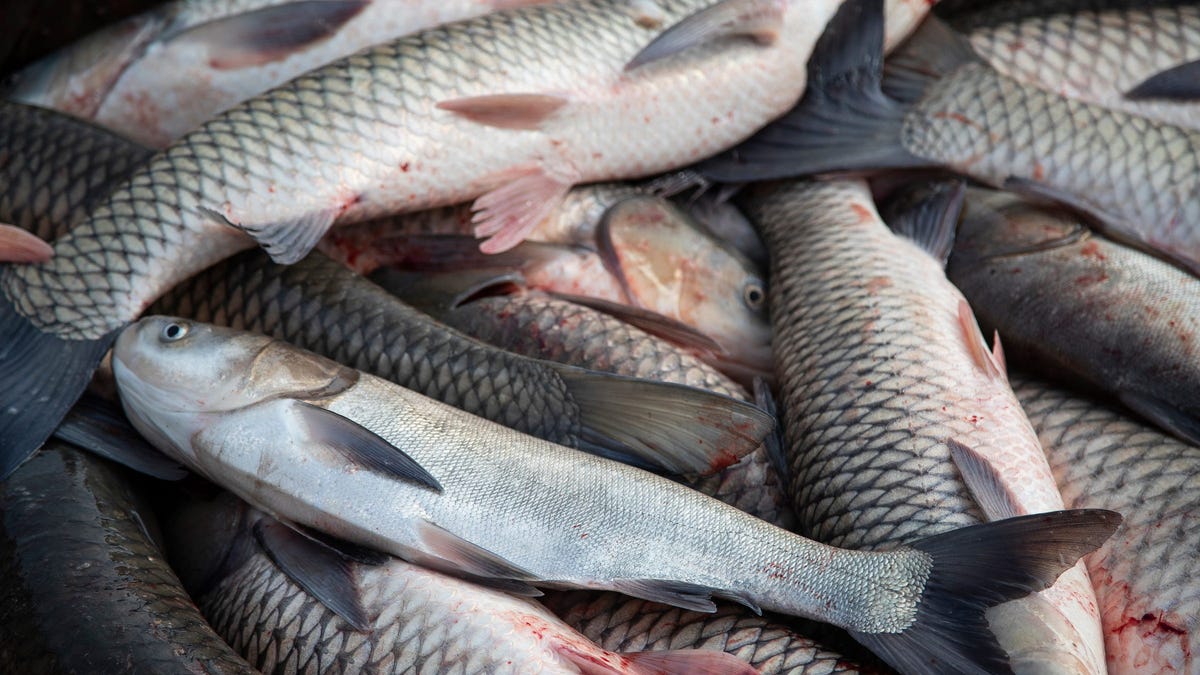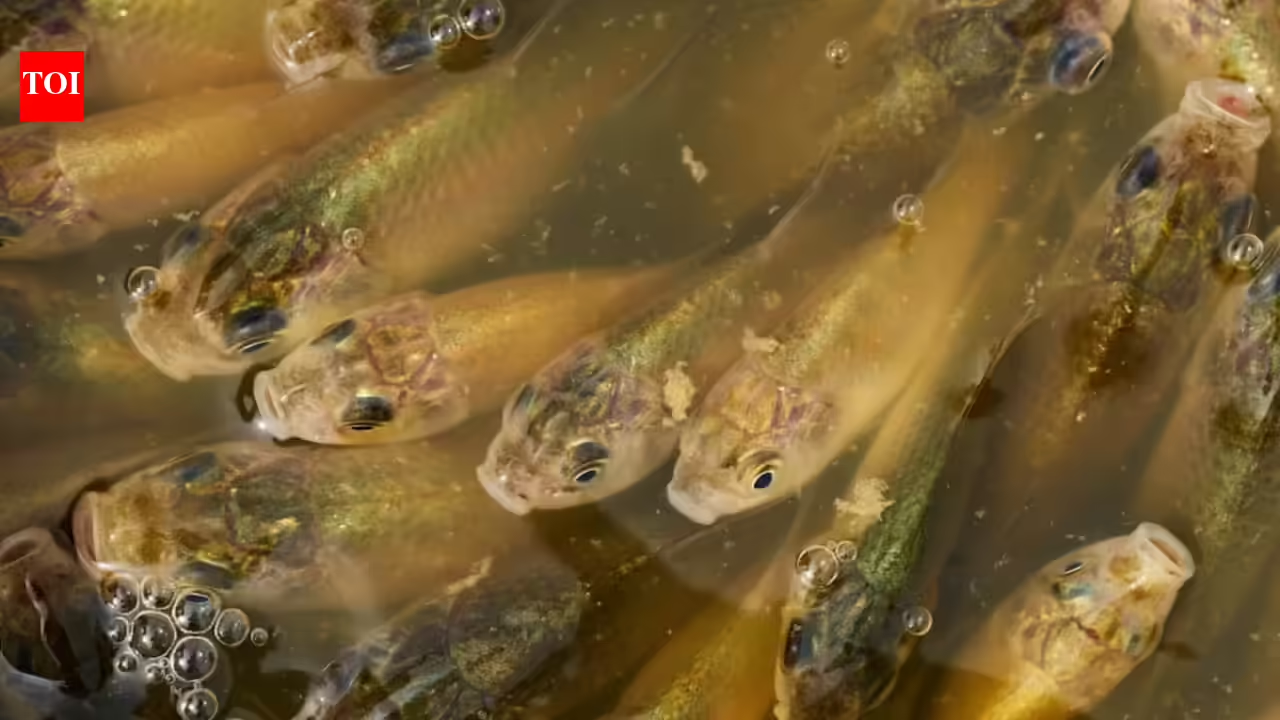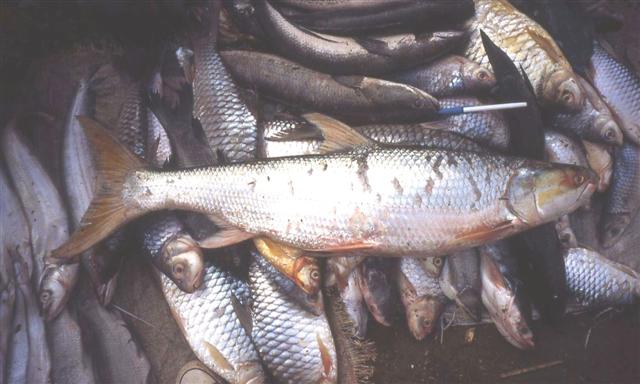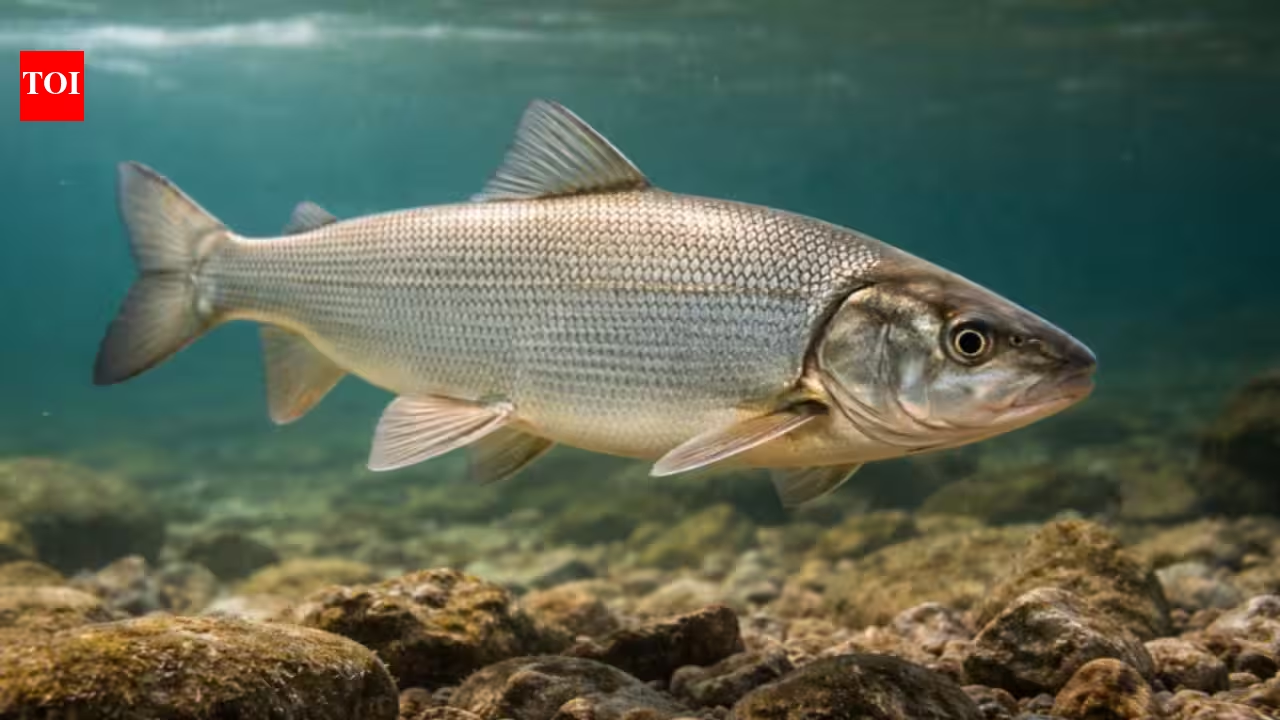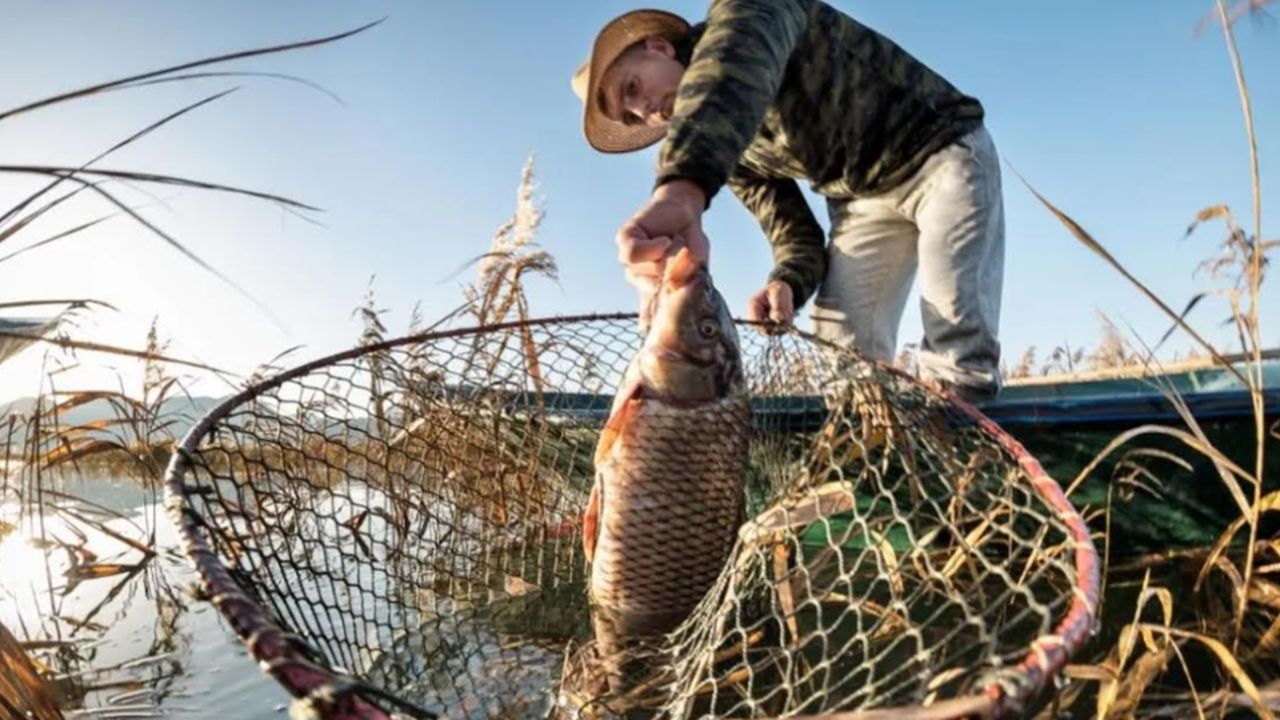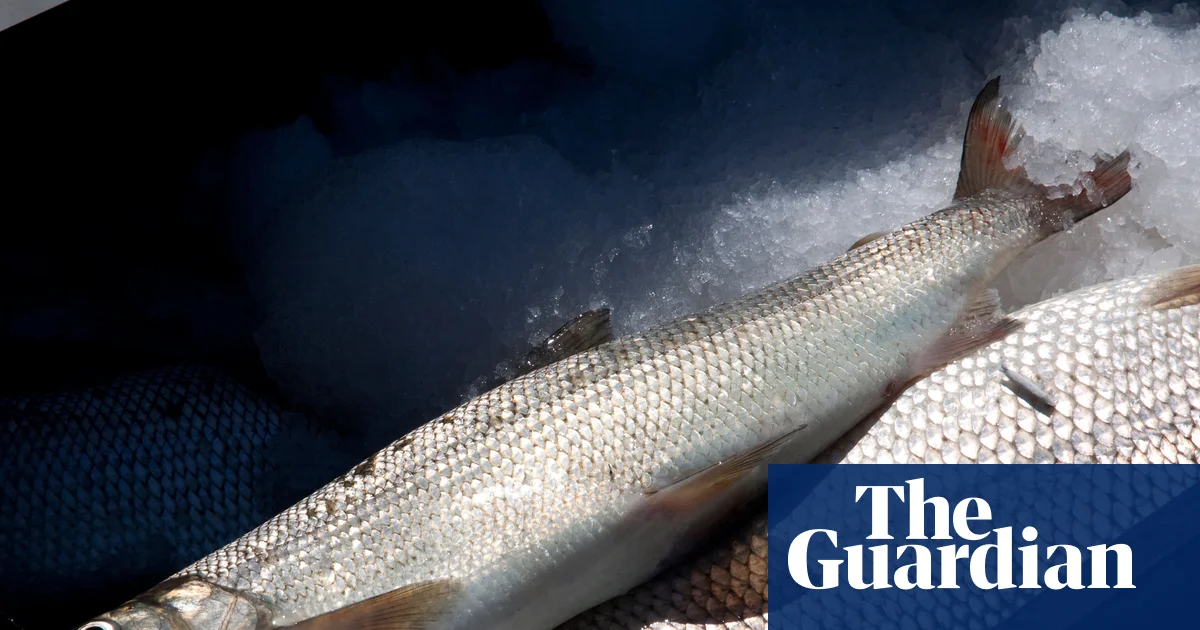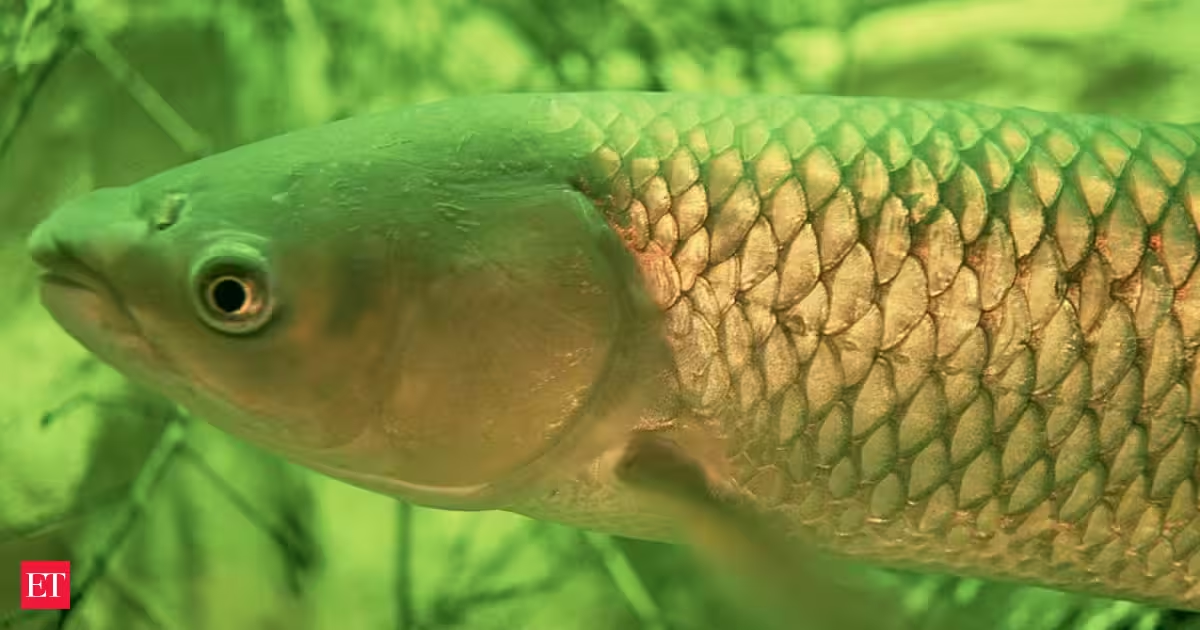
In the 1970s, the US introduced four carp species to control weeds; decades later, these carp spread as far as Minnesota, threatening native fishSynopsisFour Chinese carp species were imported to southern fish farms in the 1970s. These fish escaped into the Mississippi River system after flooding and accidental releases. Silver and bighead carp outcompete native fish for essential plankton food sources. They also pose a safety hazard by jumping out of the water near boats. Efforts are underway to control their spread and promote consumption of these invasive fish.Grass carp: one of the four Asian carp species imported to US ponds in the 1970s. Image Credits: Wikimedia CommonsBack in the early 1970s, catfish farmers in the South needed a cheap way to keep weeds, algae, and pests out of their ponds. So they imported four fish species from China: grass carp, black carp, silver carp, and bighead carp. According to the Minnesota Department of Natural Resources, silver carp were specifically brought in from China during the early 1970s to help fish farming operations and improve water quality in retention ponds and sewage lagoons. It sounded like a smart, low-cost fix. Nobody expected these fish to end up threatening rivers a thousand miles north.How four pond fish became a national problemThe plan worked fine, as long as the fish stayed inside the ponds. Then it didn't. The National Invasive Species Information Center notes that all four carp species escaped into the Mississippi River system through flooding and accidental releases from aquaculture ponds. Once free, they didn't need much help spreading. According to the U.S. Geological Survey, bighead and silver carp first escaped into the Mississippi River Basin in the 1970s and have been invading the Upper Mississippi River ever since.These aren't small fish, either. Silver carp can grow up to 50 inches long and weigh as much as 90 pounds. In warm, slow-moving rivers like the Mississippi, they found exactly the conditions they needed to settle in and multiply.Why silver carp are basically food thievesAsian carp don't hunt other fish. They don't attack anyone. They simply outcompete other fish for food.Silver and bighead carp are filter feeders. They strain plankton out of the water, the same plankton that baby sport fish like walleye, bass, and crappie need to survive their first few months of life. When carp show up in huge numbers, there's simply less food to go around.Crappie are one of the native sport fish losing out to invasive carp. Image Credits: Wikimedia CommonsA peer-reviewed study backs this up. In the research published in the journal Biological Invasions titled ‘Invasive silver carp is empirically linked to declines of native sport fish in the Upper Mississippi River System,’ scientists tracked fish populations across the Upper Mississippi River for roughly 20 years, comparing river stretches where silver carp had settled in with stretches they hadn't reached. Native sport fish numbers were consistently lower in the invaded stretches. Carp weren't eating the fish directly. They were starving out the competition.A safety problem, not just an ecological oneSilver carp make the situation worse in a very literal way. They panic at the sound of boat motors and launch themselves out of the water. Silver carp can jump up to 10 feet out of the water when startled, and they have injured boaters, personal watercraft riders, and water skiers by colliding with them mid-air.That's not a small concern for river towns that depend on fishing and boating tourism. Fewer people on the water can mean less business for bait shops, marinas, and fishing guides.The long swim north to MinnesotaFish farms in the South seem like a strange starting point for a Minnesota problem. But rivers connect everything, and once the carp reached the Mississippi's main channel, they had a clear path heading north.The Star Tribune reports that a bighead carp was caught in the Minnesota River near New Ulm in February 2016, the state's first confirmed catch of that species in the river. It was a clear sign the invasion had pushed deep into Minnesota's own waterways, not just the Mississippi itself.A silver carp mid-jump. Image Credits: Wikimedia CommonsWhat's being done about itThe good news is that people noticed early enough to fight back. According to the Minnesota DNR, the Upper St. Anthony Falls Lock in Minneapolis was permanently closed in 2015 specifically to stop invasive carp from moving further upstream toward the Mississippi headwaters. The DNR timeline says the lock’s permanent closure was part of a broader prevention strategy after invasive carp were first reported in Minnesota in 2008 and the state launched its carp monitoring and response program in 2012. It also notes that the closure was intended to stop carp from moving from Minneapolis toward the Mississippi headwaters without changing the river’s natural pool divisions.The U.S. Army Corps of Engineers' own research notes that the agency installed a series of electric barriers in the Chicago Sanitary and Ship Canal to stop carp from reaching the Great Lakes altogether.There's a lighter side to the fight, too. Since most Americans weren't exactly lining up to eat "Asian carp," federal and state agencies have promoted a new name for it: "Copi." The idea is simple: if more people eat the fish, fewer will remain in the rivers.The takeawayThis entire story is a reminder that even small, practical decisions can ripple outward in ways nobody expects. A fix for algae and weeds in Southern fish ponds turned into a decades-long invasion stretching all the way to Minnesota's rivers. It is a useful reminder to think carefully before moving any species outside its native range.Read More News onRead More News on
In the 1970s, the US introduced four carp species to control weeds; decades later, these carp spread as far as Minnesota, threatening native fish
The introduction of four carp species from China in the 1970s to control weeds in Southern fish farms has led to an ecological crisis in Minnesota, threatening native fish populations and local economies dependent on fishing and boating.
934 words~4 min read