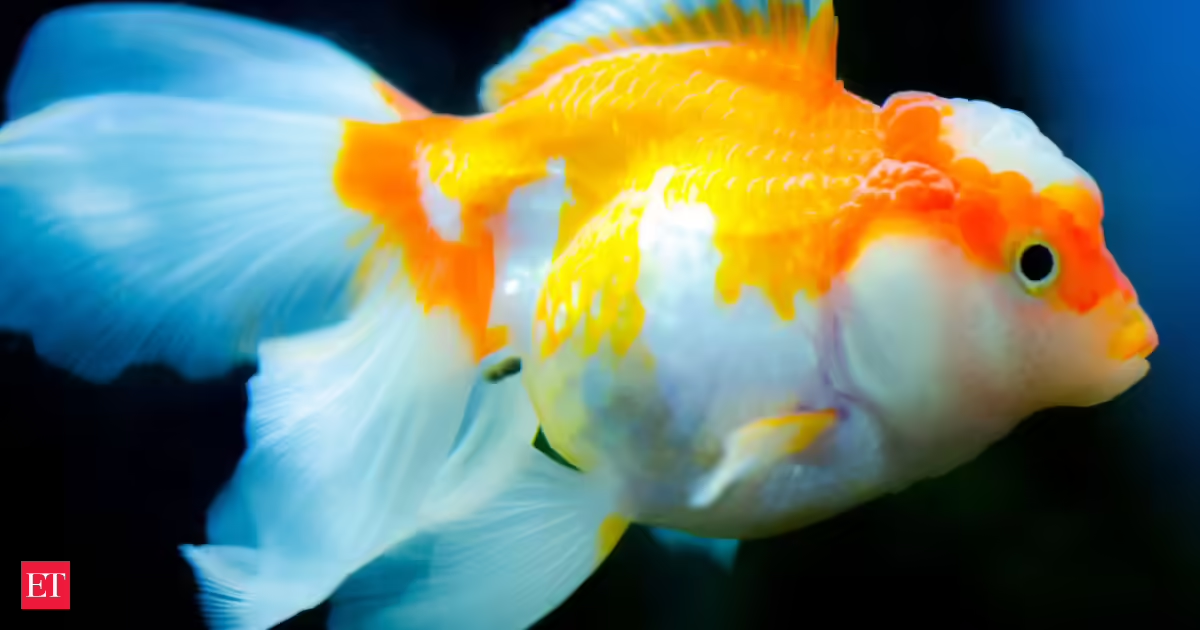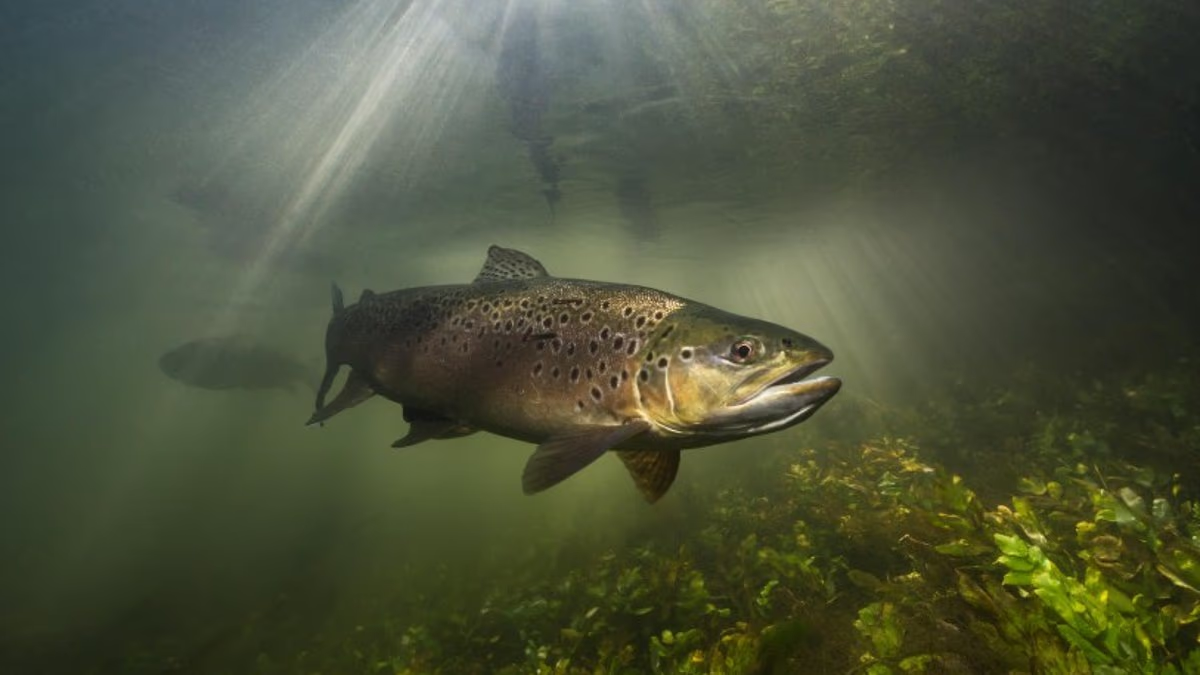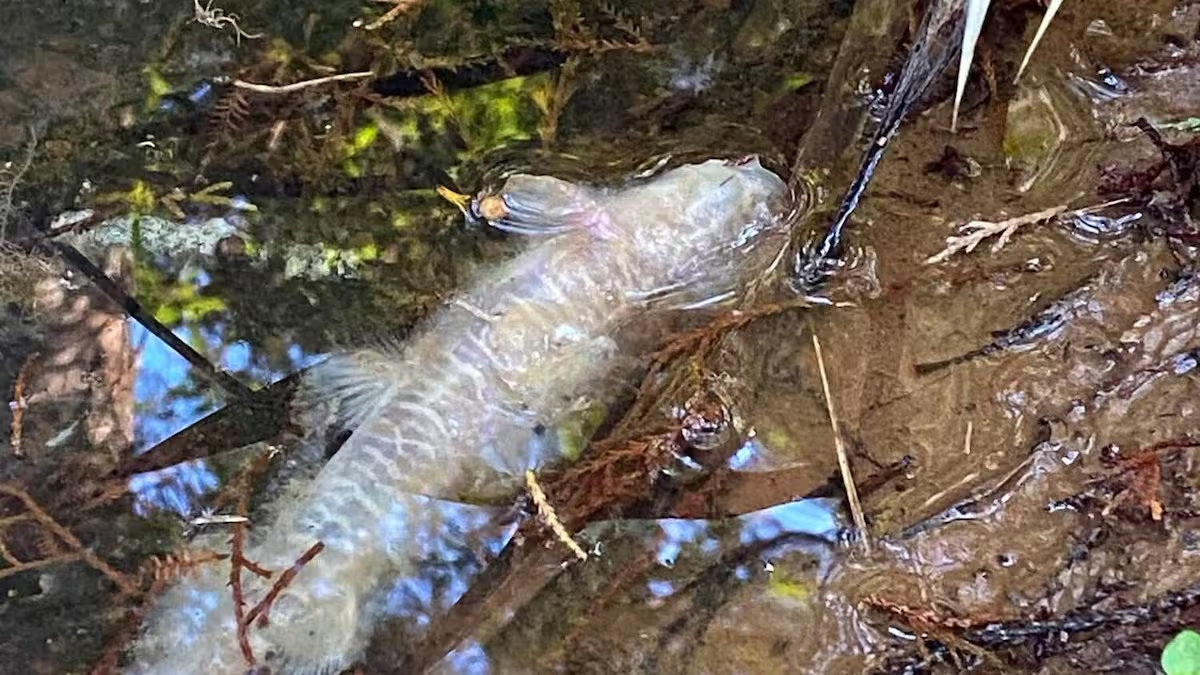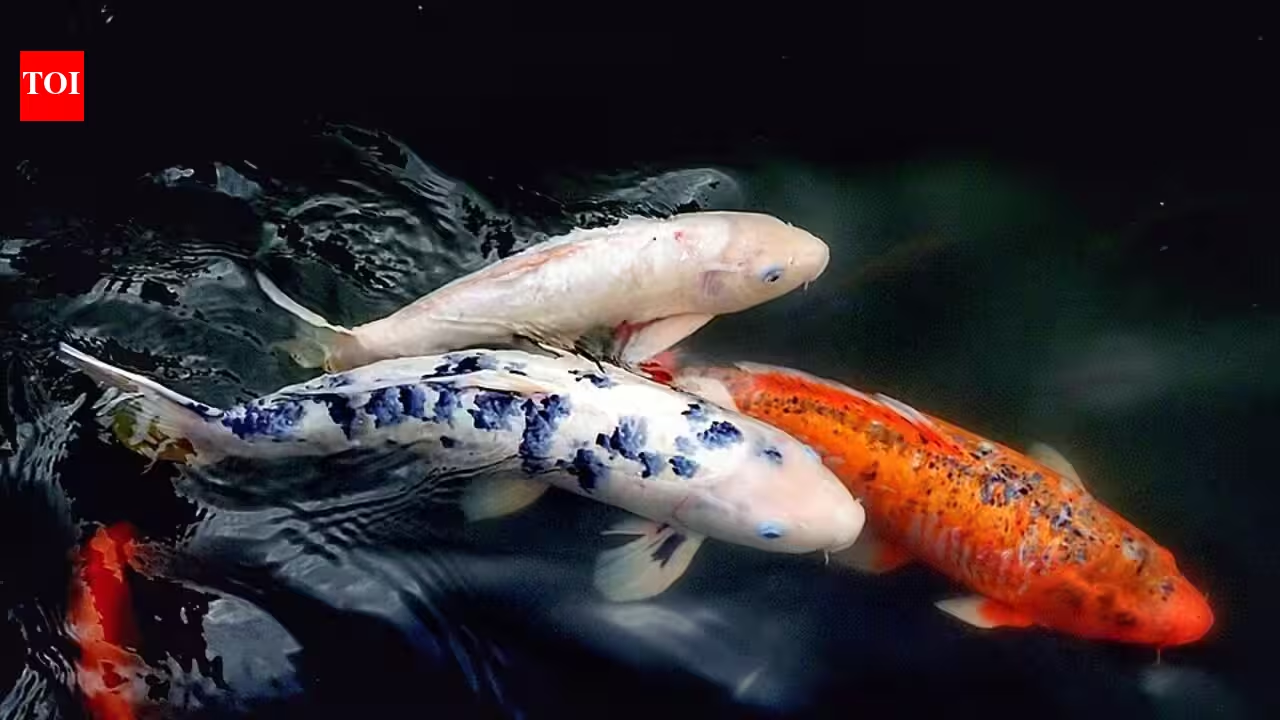
Stewart Smith illegally released over fifteen thousand exotic fish into New Zealand waterways. He introduced species like rudd, perch, tench, and koi carp over fifty years. Image Credit: Wikimedia CommonsFor many years, there was an intriguing story of a residential lot north of Auckland, where exotic fish were being raised in tanks and ponds by fisherman Stewart Smith. What he saw as a benefit became a major case of ecological damage in New Zealand.According to Te Ara: The Encyclopedia of New Zealand, over 50 years, Smith illegally released more than 15,000 fish into water bodies like rivers, lakes, and ponds, introducing invasive species that continue to damage the environment. According to Te Ara, Smith introduced rudd, perch, tench and koi carp in parts of Auckland, Northland and Waikato.An avid fisherman who wanted fishing for everyoneJoseph Stewart Smith was born in London in 1913. He developed a passion for fishing in childhood. After relocating to New Zealand in his teenage years, he lived close to rivers and streams throughout his life and eventually became a strong advocate for coarse fishing, which is fishing for fish like carp, perch and rudd.Smith believed fishing in New Zealand should be accessible to everyone, including children, and thought introducing other species would encourage more people to take it up. According to New Zealand’s Department of Conservation, introducing freshwater fish can harm native ecosystems by disrupting predator-prey relationships.These invasive fish disrupted native ecosystems and degraded water quality significantly. Authorities attempted to stop his activities, but he continued for decades. Image Credit: Wikimedia CommonsFish breeding operation hidden behind his garageIn the 1950s, Joseph Stewart Smith established a garage and petrol station in Massey, Auckland. Over time, he became involved in breeding and distributing koi carp, which later spread into New Zealand waterways and became an invasive species problem.He made ponds and tanks where he bred exotic fish and released them in waterways. Smith carried out the releases even after authorities rejected proposals to introduce some fish species. His records show that the illegal releases began in the 1960s and continued for decades.Some of the fish species he released include rudd, which is a European freshwater fish and proved especially invasive. Smith established rudd in New Zealand in 1969, helping the invasive species spread. Over the years, Smith released over 10,000 rudd into lakes and rivers. As Te Ara notes, rudd became so common in Auckland that eradication proved impossible and the species became established there.Changes that invasive fish caused in New Zealand's lakesNew Zealand’s freshwater ecosystems evolved with only a few native fish species. These fish are vulnerable because they have not evolved alongside invasive competitors. Rudd is one of the invasive fish species that pose threats since they eat aquatic plants and compete with the native fish.According to New Zealand’s Department of Conservation, invasive freshwater fish can adversely affect water quality and native species, contributing to the degradation of freshwater ecosystems. According to Te Ara, Smith’s introductions contributed to declines in native fish at Lake Rototoa and significant ecological changes at Lake Wainamu.He even introduced predator fish to control the population he introduced in other lakes. Another problem was Smith’s introduction of koi carp. They escaped from his ornamental ponds during floods and spread into waterways such as the Waikato River system. The New Zealand government classifies koi carp as an unwanted organism because they damage waterways and reduce water quality.Authorities finally put an end to Smith's releasesSmith drew attention because he openly discussed his releases and promoted additional exotic fish species. In the 1970s, authorities destroyed his fish stocks, but he continued. In 1987, authorities carried out an operation in which they seized his vehicle and records of his introductions.He had been fined thousands of dollars for fish introductions without a proper permit. Even when in his nineties, there were concerns regarding his activities. In 2005, Australian smooth marron and gudgeon were found on his property, which, if spread widely, might have led to even greater ecological damage.Smith died in 2008 at the age of 95. Although many fishermen remember him as a devoted angler, conservationists see him as a cautionary tale. The case of Stewart Smith shows how even well-intentioned actions can have unintended consequences when species are introduced into ecosystems where they do not belong.
From the 1960s, one man bred exotic fish behind a New Zealand garage and illegally released thousands, leaving several lakes with lasting ecological damage
For many years, there was an intriguing story of a residential lot north of Auckland, where exotic fish were being raised in tanks and ponds by fisherman Stewart Smith. What he saw as a benefit became a major case of ecological damage in New Zealand.
712 words~3 min read