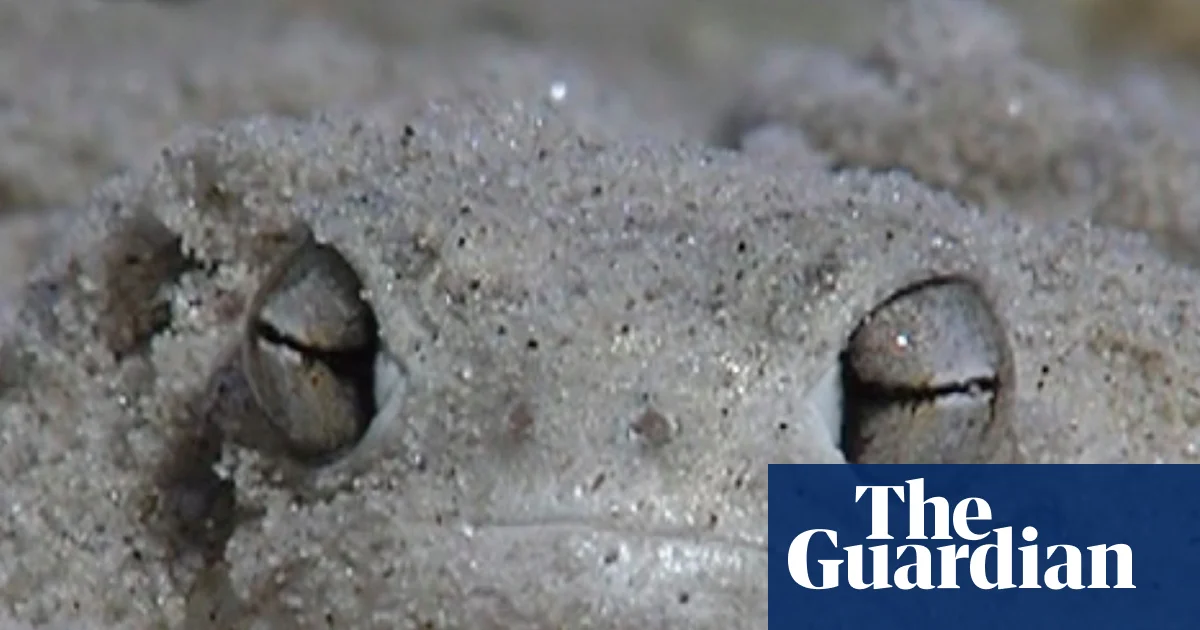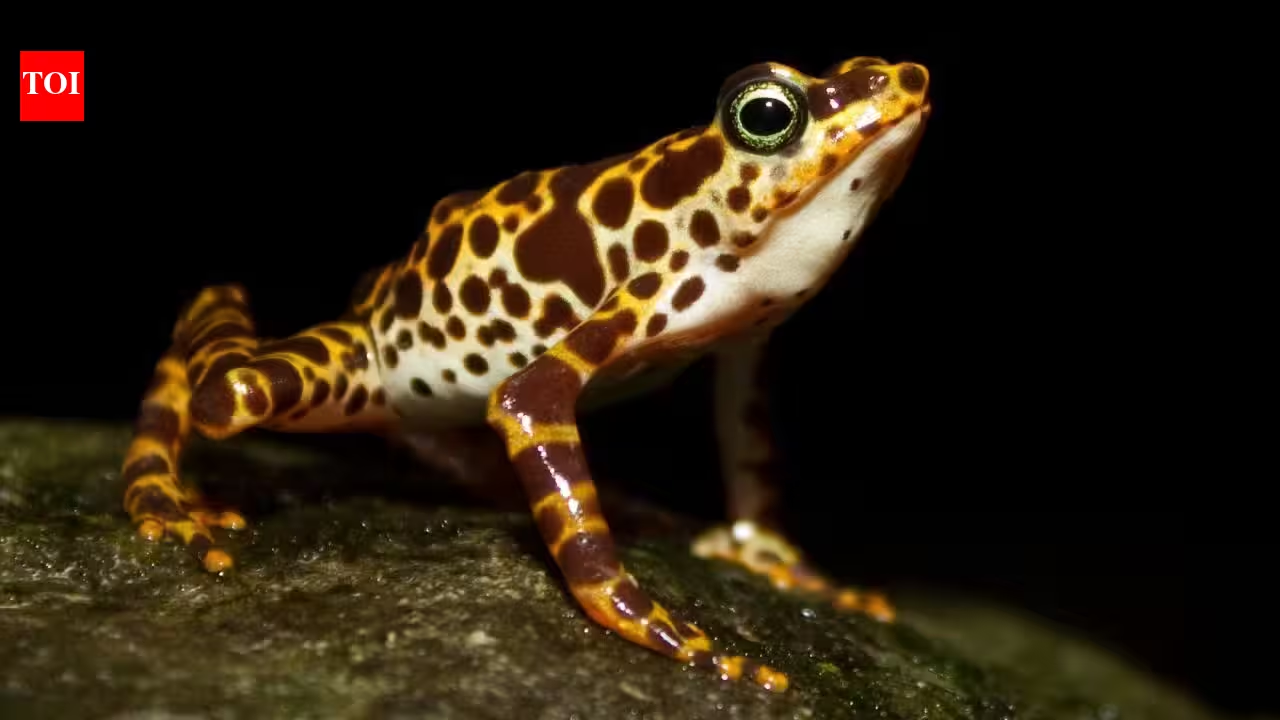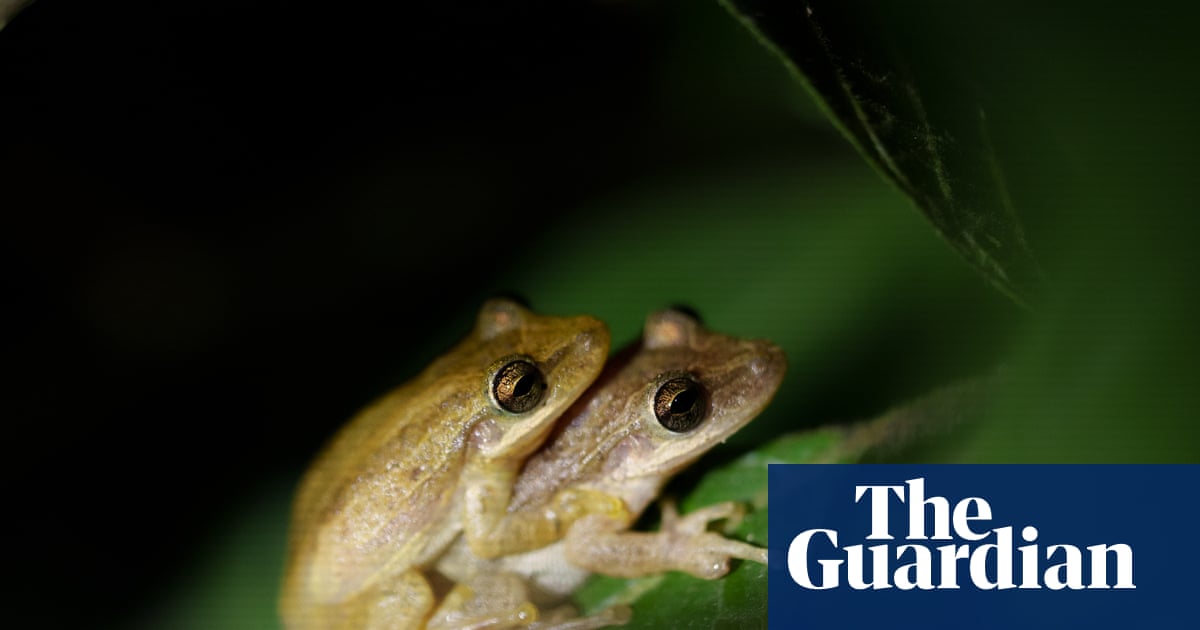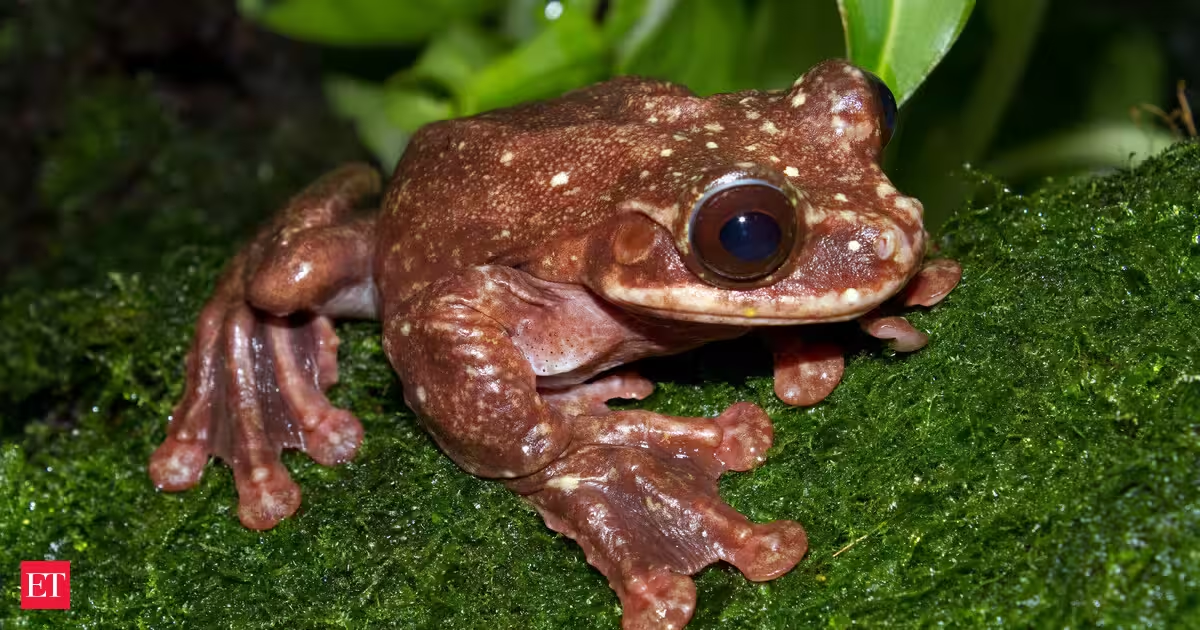
When keepers at the Atlanta Botanical Garden found Toughie dead on September 26, 2016, their discovery marked the loss of the last known Rabbs' fringe-limbed tree frog (Ecnomiohyla rabborum). The rare amphibian was native to the high cloud forests of central Panama, where it once inhabited the upper canopy.His passing drew global media attention, as no other living members of the species were known to exist in captivity or in the wild. The Guardian reported that his death represented the likely extinction of one of the world's most unique frog species.The Emergency Rescue OperationBefore gaining global recognition, the Rabbs' fringe-limbed tree frog faced a rapid population decline in its native habitat. The species occupied a limited geographical range in Panama's high-altitude forests, where a deadly fungal disease called chytridiomycosis, caused by Batrachochytrium dendrobatidis (Bd), began spreading rapidly. The pathogen devastated amphibian populations across Central America, particularly in cooler mountain climates.— giveashitnature (@giveashitnature) In 2005, a joint expedition comprising scientists from the Atlanta Botanical Garden, Zoo Atlanta, and Southern Illinois University traveled to Panama to collect live specimens before the pathogen spread further. Mark Mandica, who later cared for Toughie, described the urgency of the mission to National Geographic, stating it was like "rescuing things from a burning house."Following the arrival of the fungus in the area, wild populations collapsed. Researchers heard the last confirmed call of a wild Rabbs' fringe-limbed tree frog in 2007, and no verified wild sightings have occurred since.Unique Biological AdaptationsThe 2005 rescue mission took place before the species was formally documented by taxonomists. Mongabay reported that researchers officially described the frog in 2008, naming it Ecnomiohyla rabborum in honor of conservationists George and Mary Rabb.The species possessed remarkable physical and behavioral traits:Canopy Gliding: Unusually large webbed hands and feet allowed the frog to glide between tree branches high above the forest floor.Specialized Parental Care: Males exhibited a rare form of parental care by guarding tadpoles inside water-filled tree cavities, where the young fed on skin cells shed from the father's back, a behavior unique among known frog species.Life in Captivity and How Toughie Got His NameAmong the specimens brought to the United States was an adult male whose precise age was unknown, though researchers estimated he was at least 12 years old, and likely older, at the time of his death. He was housed in a bio-secure conservation facility at the Atlanta Botanical Garden designed to protect endangered species from external pathogens.While scientists typically assign alphanumeric identifiers to research animals, media interest in the last surviving member of the species led to a permanent nickname. The frog was named "Toughie" by Mark Mandica's young son, and the name was adopted in public reporting.Captive Breeding EffortsConservationists initially hoped to establish a breeding program to safeguard the species against extinction. However, maintaining a self-sustaining captive population proved unsuccessful. Although one female produced eggs fertilized by Toughie, the resulting tadpoles did not survive to adulthood. Mongabay noted that the last known female of the species died in 2009.By 2012, only two males remained in existence. Following the death of the second-to-last male at Zoo Atlanta later that year, Toughie became the sole surviving Rabbs' fringe-limbed tree frog.Capturing the Only Recorded CallFor many years in captivity, Toughie remained entirely silent. That changed in December 2014, when Mandica detected a distinct vocalization within the conservation building."I heard this weird call coming out of the frog area, and I knew it had to be him, because I knew what all the other species sounded like," Mandica told National Geographic. "I was able to sneak in and record him on my phone." The audio captured during that encounter remains the only known recording of a Rabbs' fringe-limbed tree frog's advertisement call.Conservation Status and LegacyKeepers discovered Toughie dead during a routine enclosure check on September 26, 2016. Because no breeding pairs had existed for years, experts recognized that the functional extinction of the species had occurred well before his death.Today, the International Union for Conservation of Nature (IUCN) classifies the Rabbs' fringe-limbed tree frog as Critically Endangered (Possibly Extinct). While scientists have not entirely ruled out the possibility of an undetected population surviving in remote areas of Panama, no confirmed wild individuals have been documented since 2007.
The Story of 'Toughie': How the last known gliding tree frog vanished
The last known Rabbs' fringe-limbed tree frog, named Toughie, died in 2016, marking the species' likely extinction. Researchers collected a small group of the frogs from Panama in 2005 to save them from a spreading fungal disease. The species was known for its ability to glide between trees and its rare parental care behaviors. Captive breeding programs were unsuccessful, leaving Toughie as the last surviving individual after 2012.
703 words~3 min read