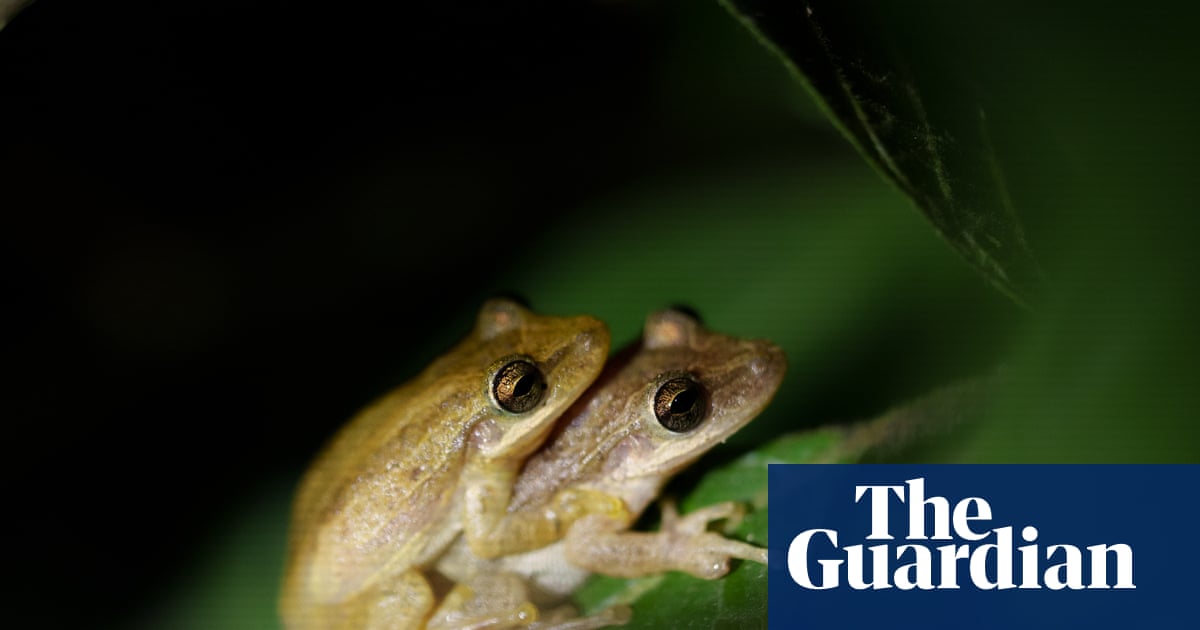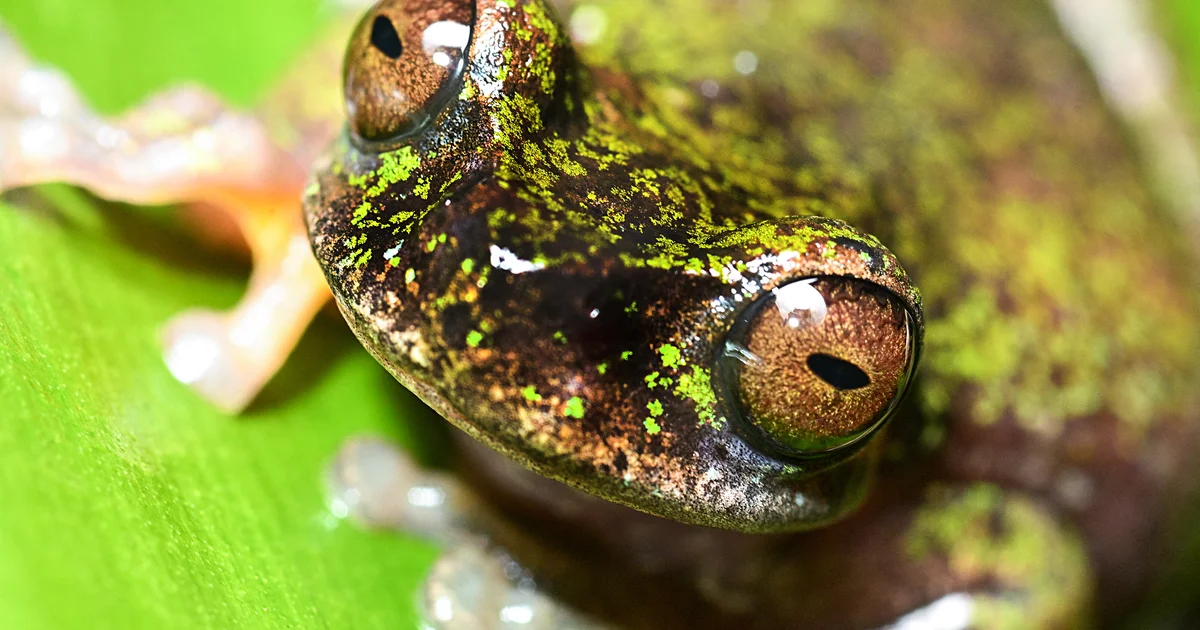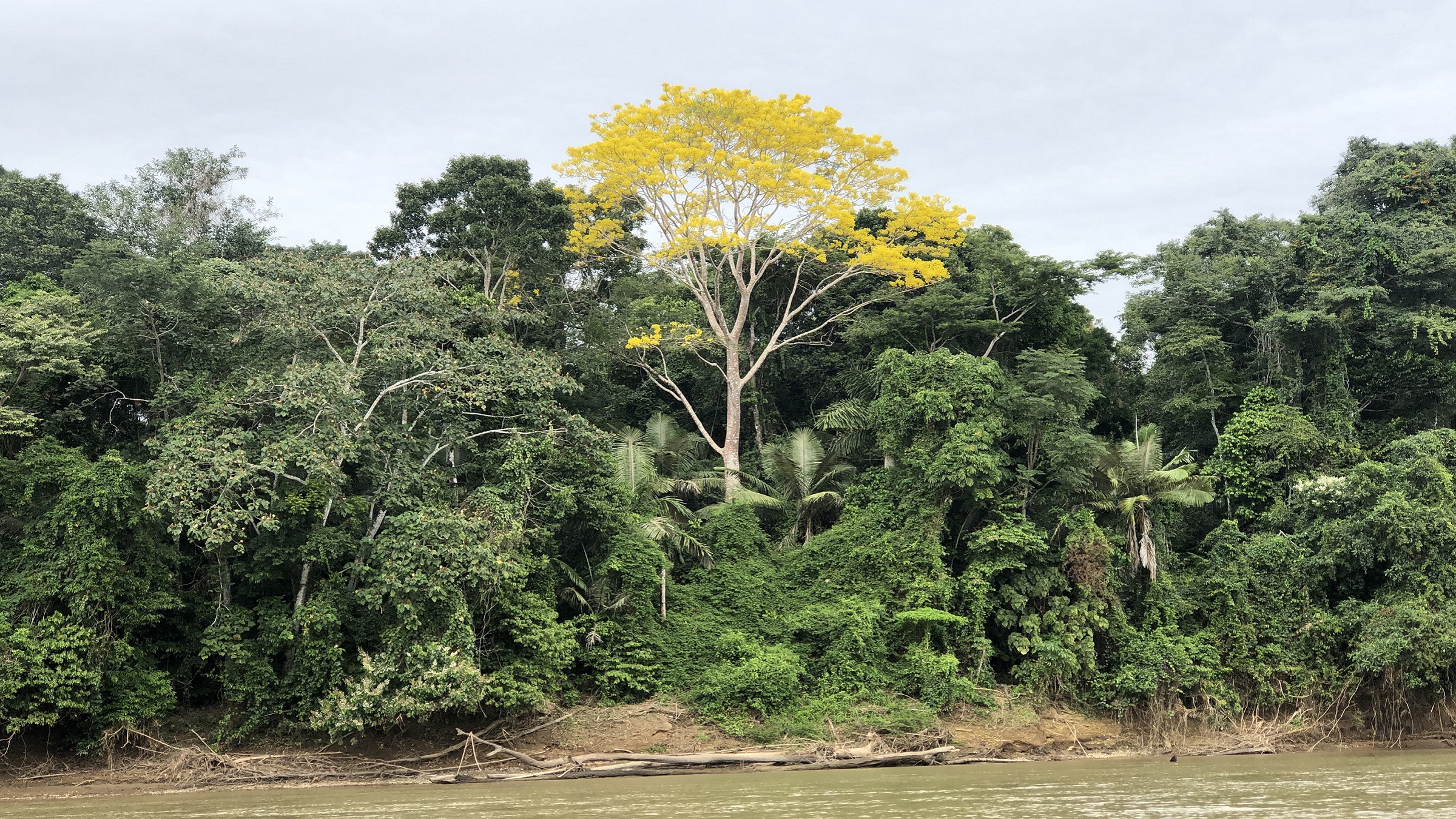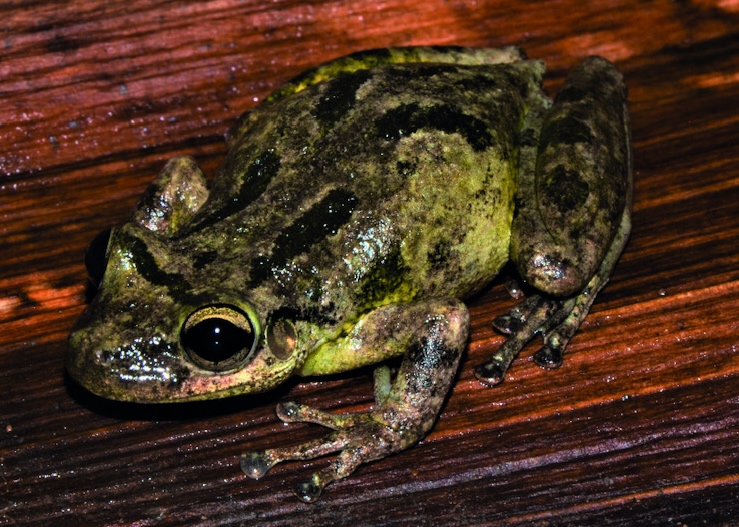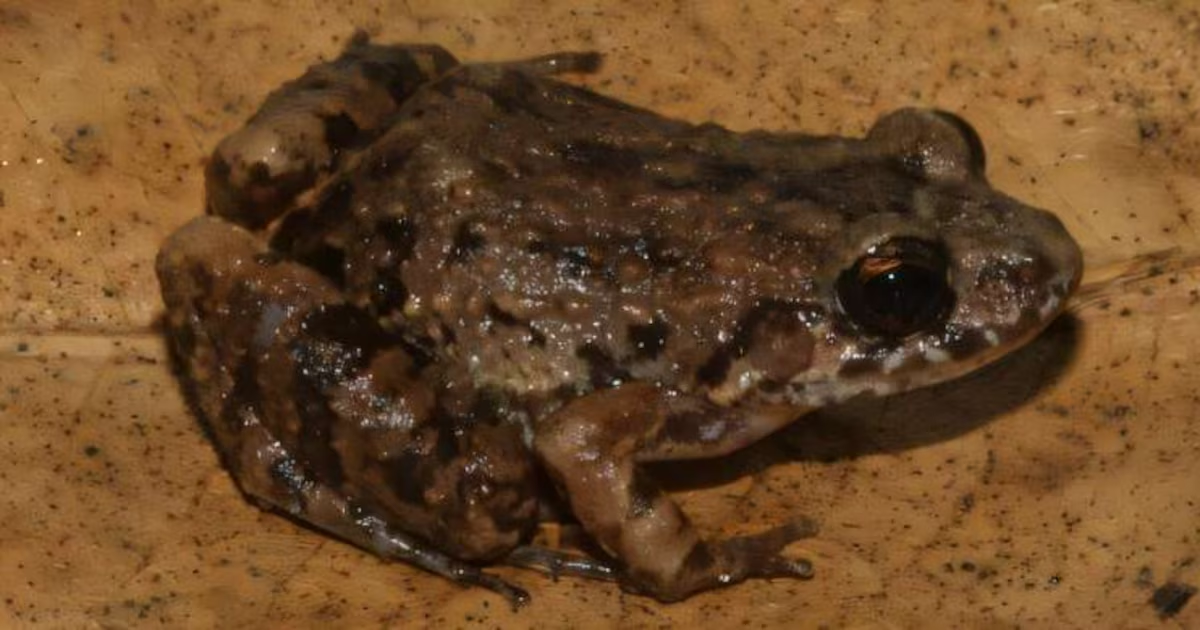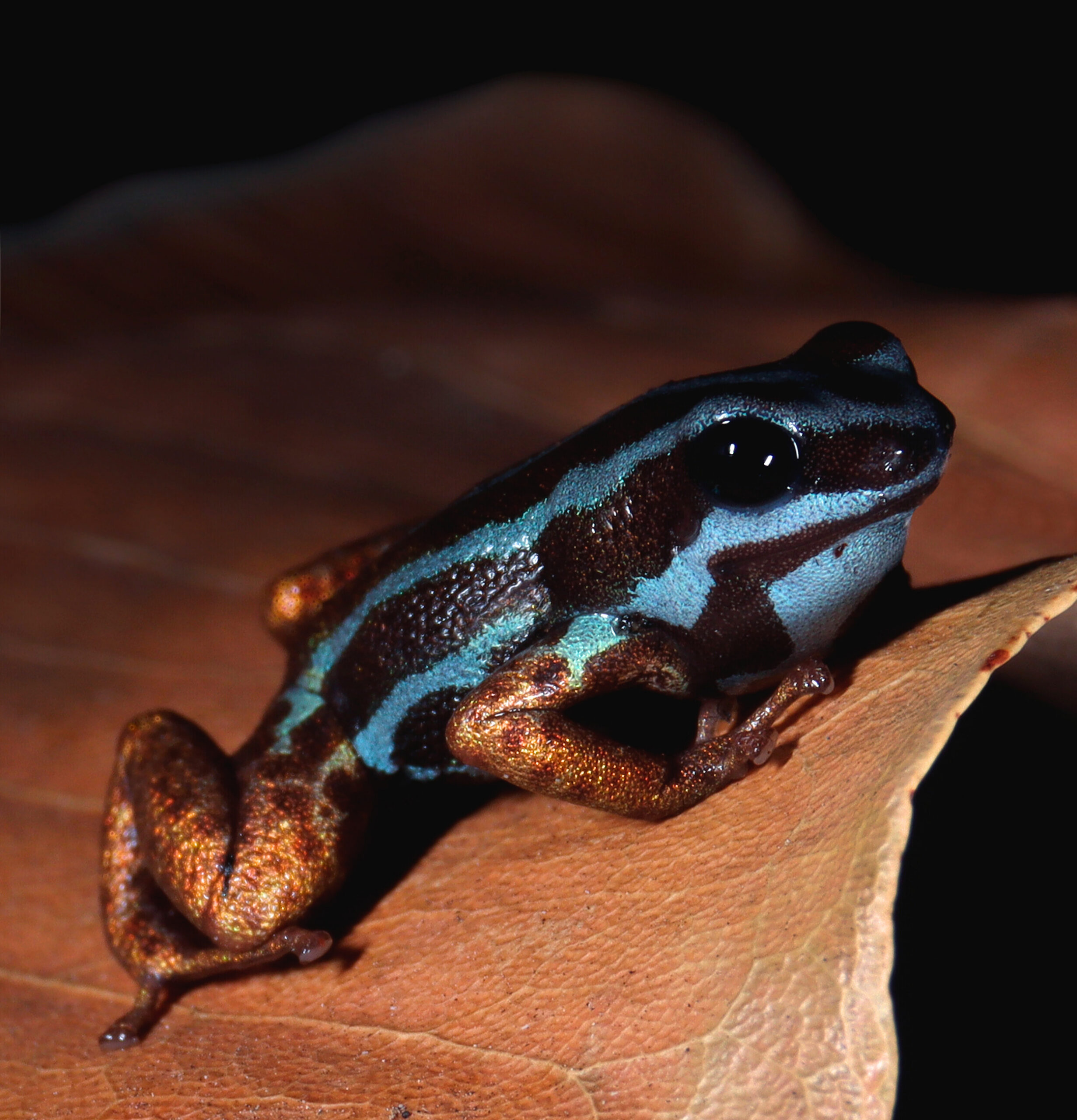
The Amazon is home to the world’s greatest amphibian diversity, with an estimated 1,525 species, of which only 810 have been formally described by science.This megadiversity is under pressure from climate change and human activity, threatening the risk of species going extinct before scientists even get a chance to describe them.Recent research indicates that the combination of increased temperature and exposure to pesticides can alter tadpoles’ growth and development in the Amazon.Amphibians play a central role in controlling insects, including disease-transmitting mosquitoes, while also contributing to natural control of agricultural pests — a service valued in Brazil at more than a billion dollars annually.
MANAUS, Brazil — Crouched over the leaf litter, where dry leaves accumulate on the forest floor, a researcher tries to capture a distinct croak using a directional microphone. Identifying the sound of a small frog is often one of the conclusive proofs that a new species has been found. It’s nighttime. He wears long clothing as protection against mosquitoes and ants, and boots to keep his feet dry. Finding amphibians in the Amazon doesn’t require high-tech equipment; it actually dates back to explorations by early-20th-century naturalists.