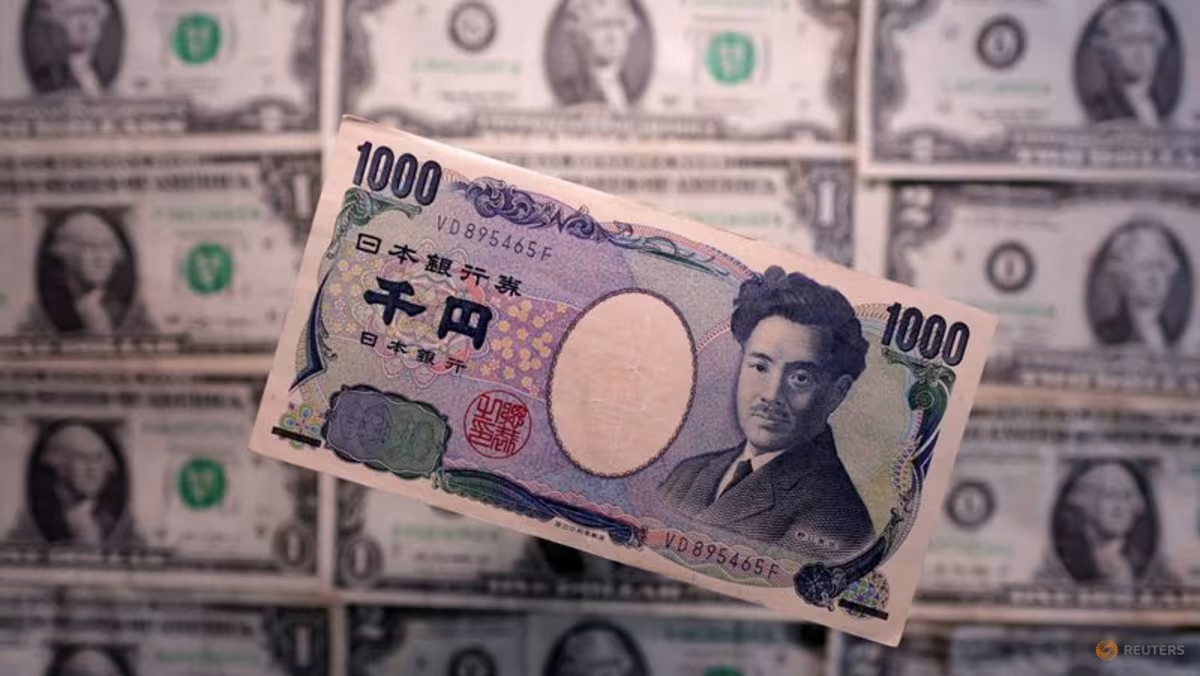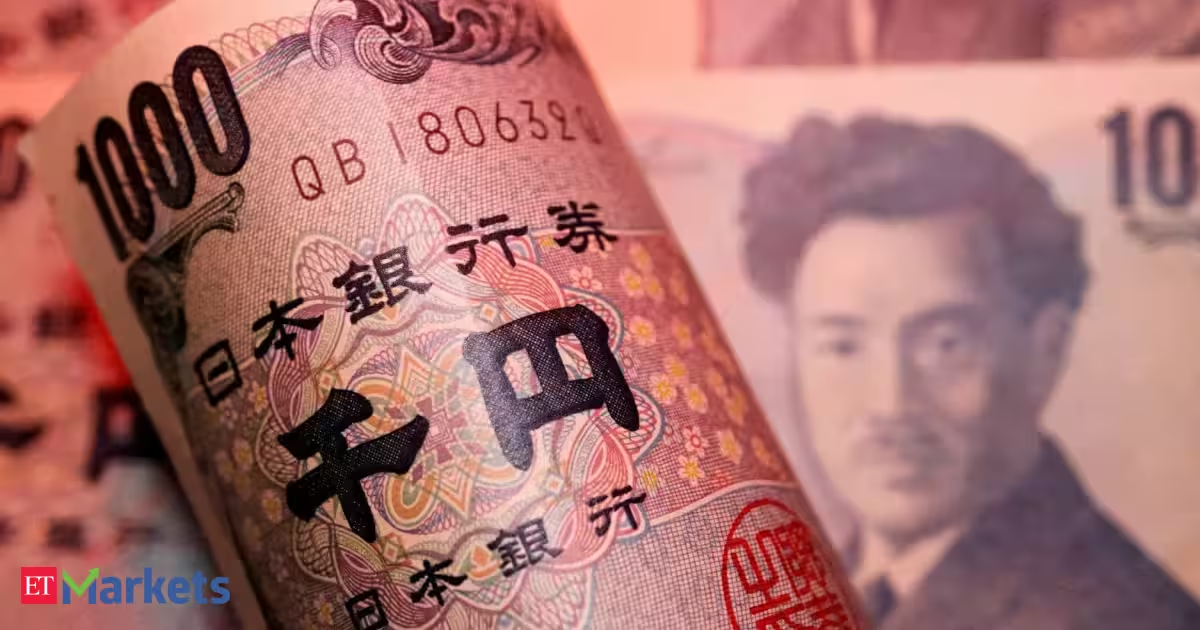
The US Treasury stepped into the foreign exchange market on August 1 to buy Japanese yen, marking the first coordinated US-Japan currency intervention in roughly 30 years. Washington sold euros to finance the purchase, dusting off a playbook from the 1990s that most traders assumed had been permanently shelved.
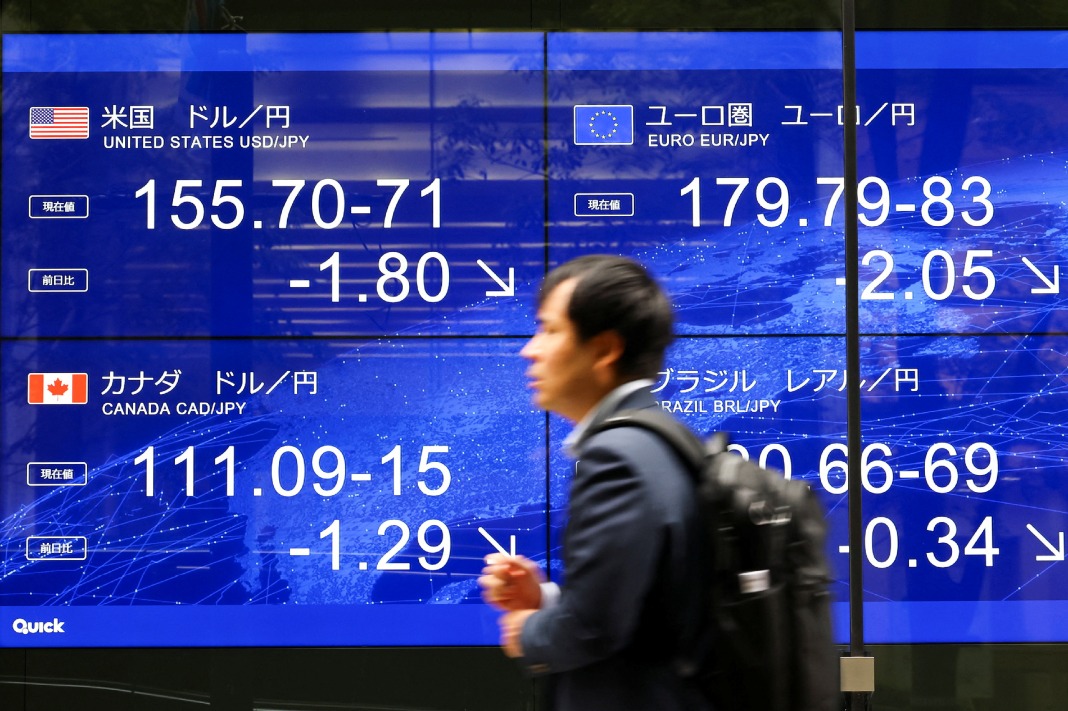
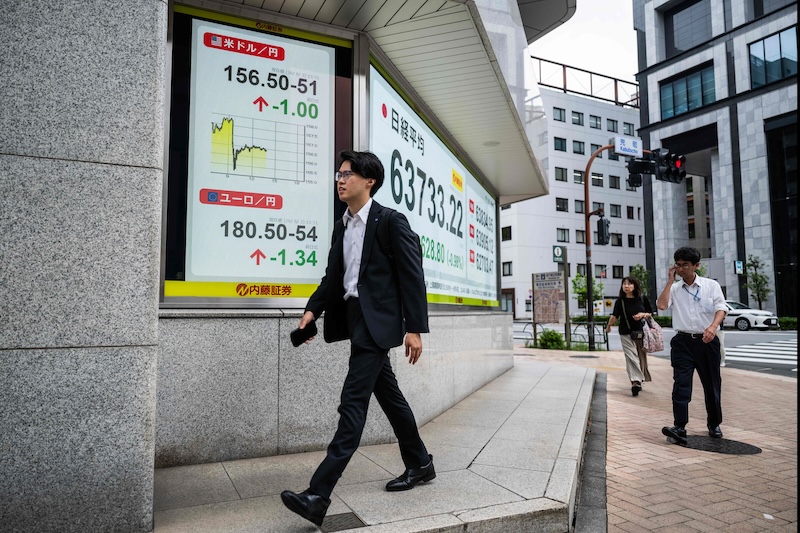
The move came after the yen had cratered to its weakest level against the dollar since 1986, approaching 40-year lows. President Donald Trump characterized the intervention as a “signal of friendship” to Japan.
What actually happened, and why it matters
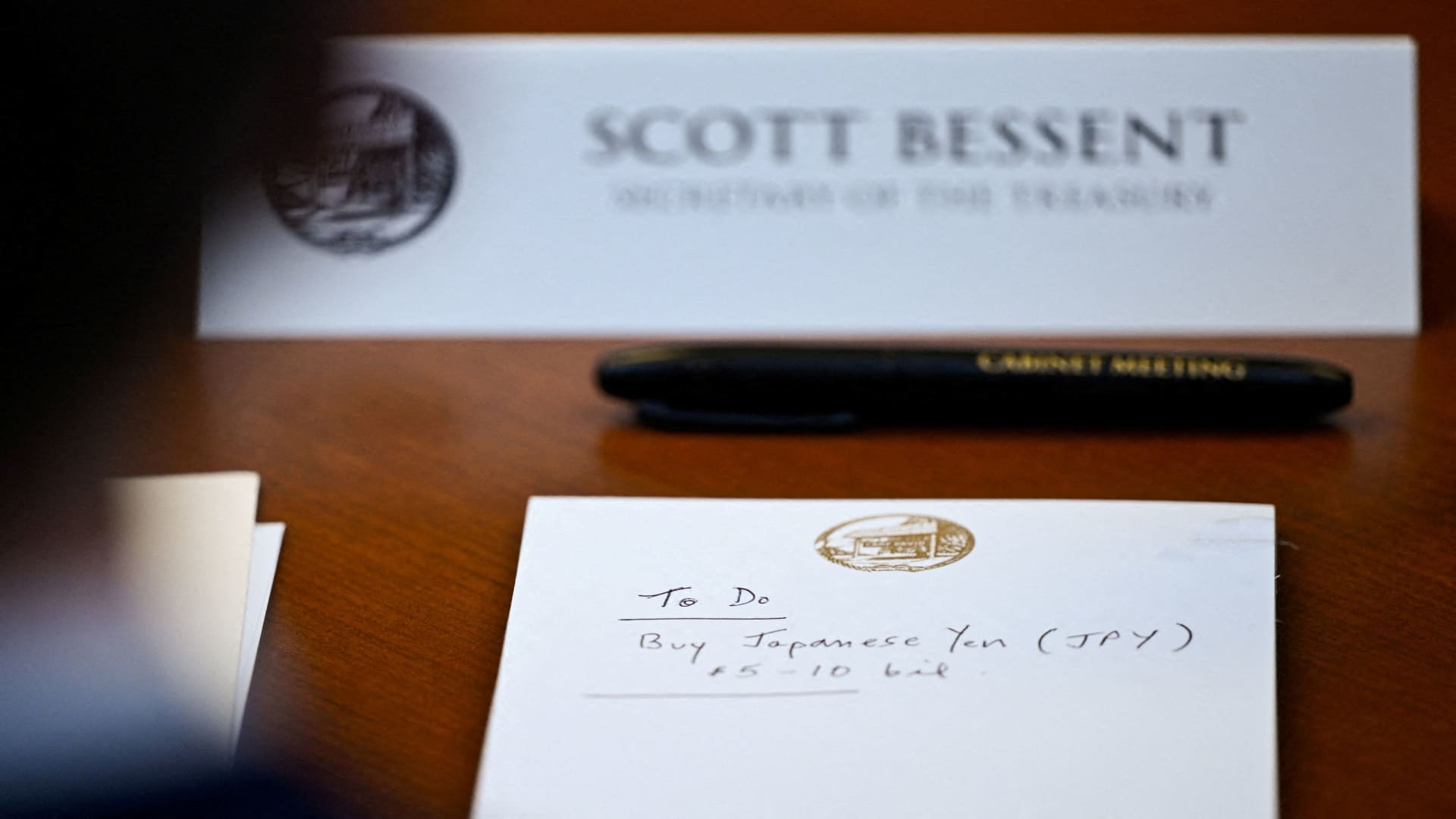
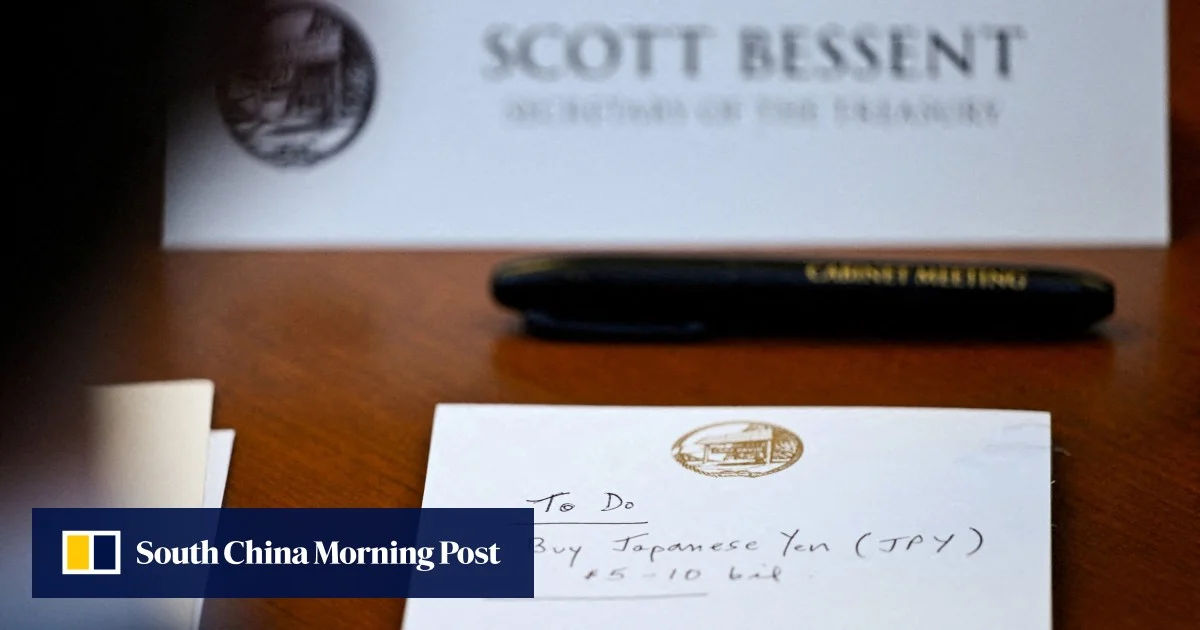
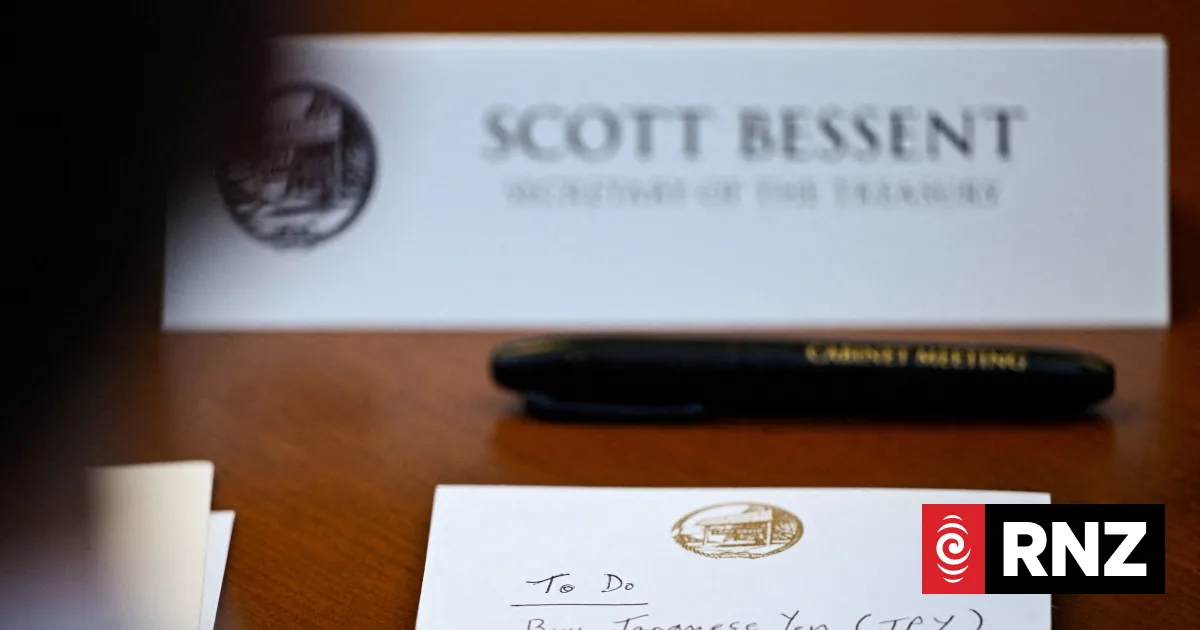
According to a note attributed to Treasury Secretary Scott Bessent, the planned yen purchases were estimated between $5 billion and $10 billion. The final amount remains undisclosed, which is standard practice for interventions designed to keep speculators guessing.
The Federal Reserve Bank of New York executed the trades on behalf of the Treasury, buying yen while offloading euros. Japan had already been selling US Treasuries to finance its own yen-support operations, a dynamic that was starting to create uncomfortable upward pressure on American borrowing costs.