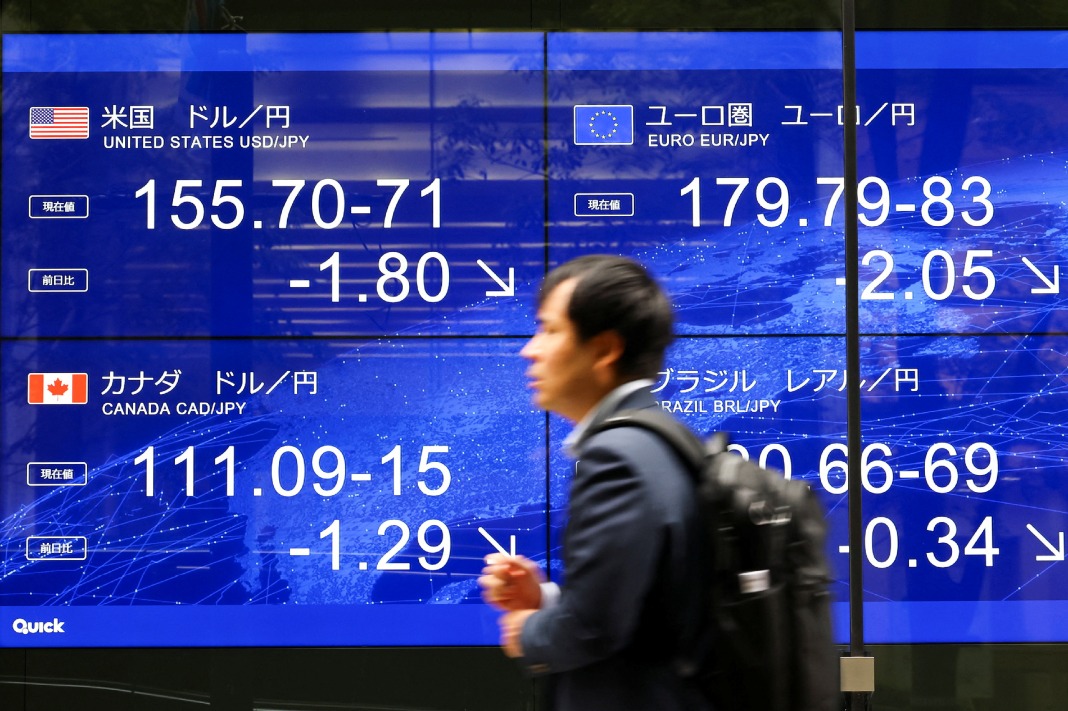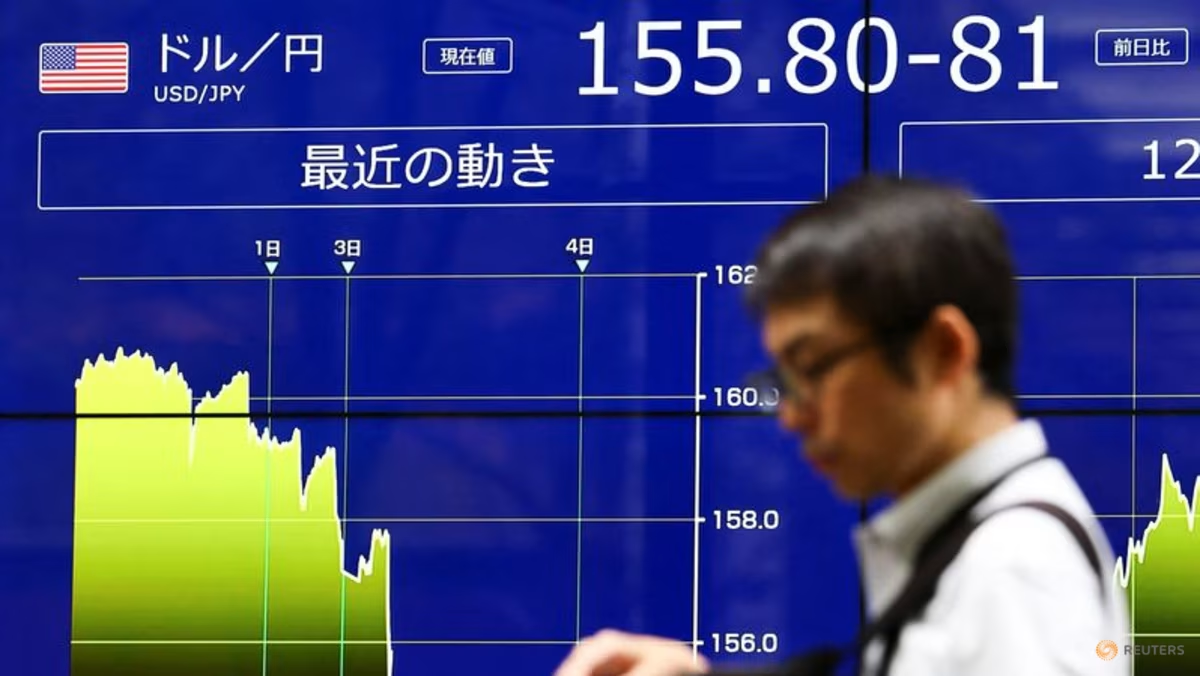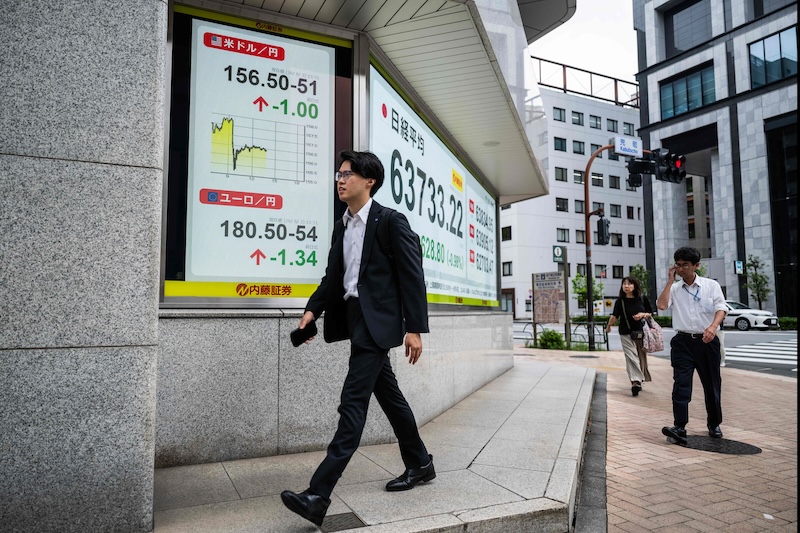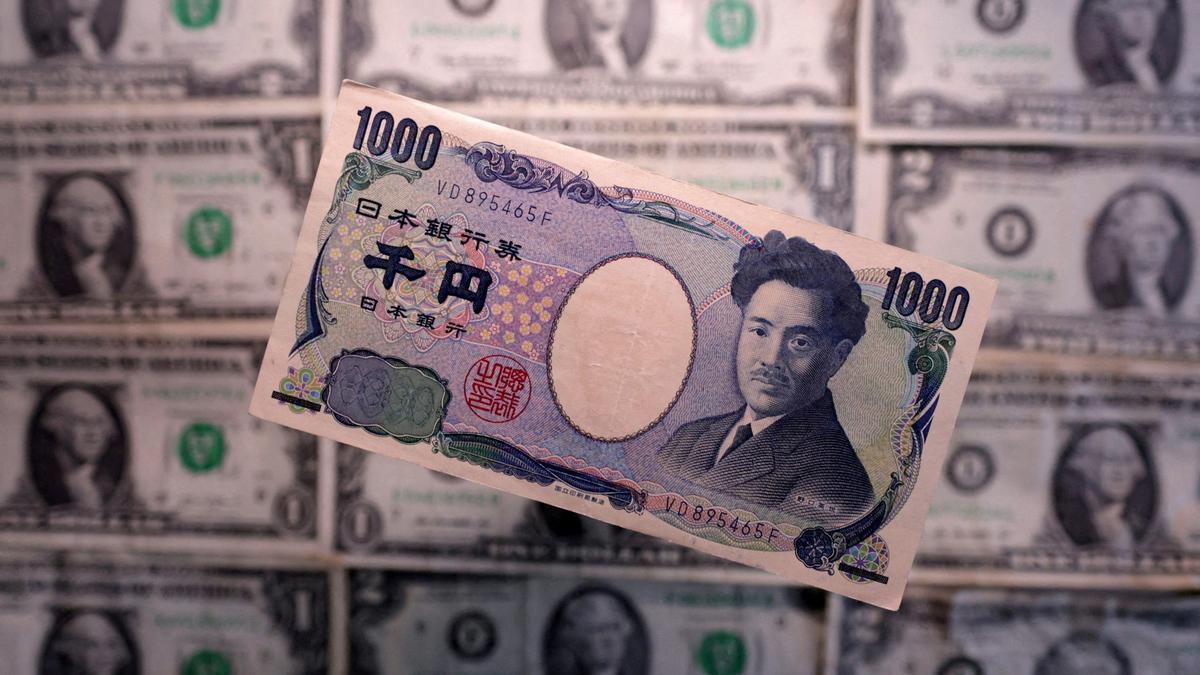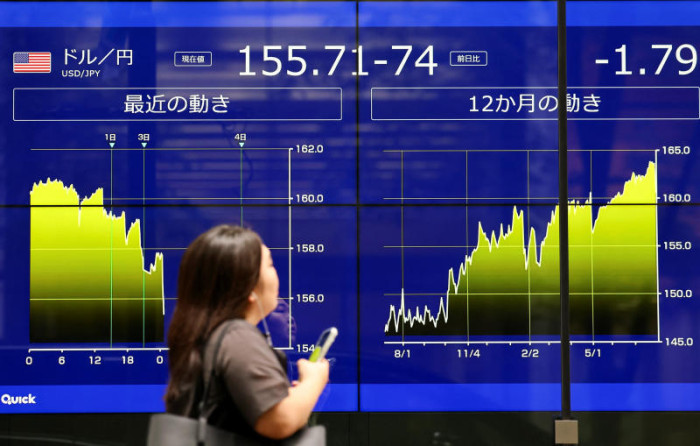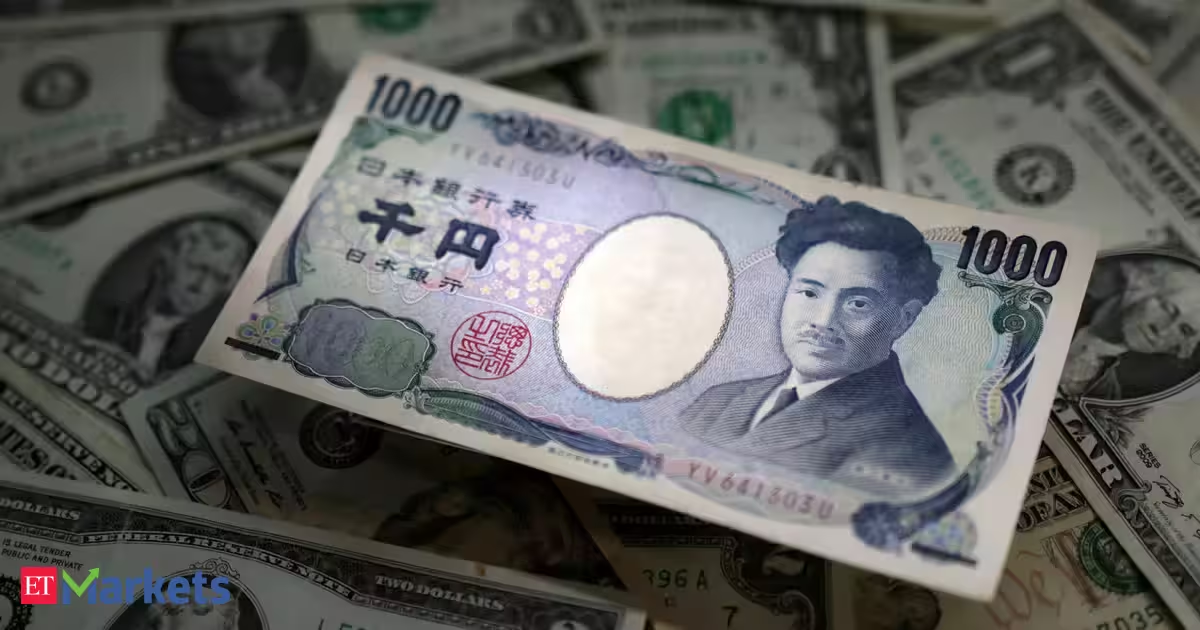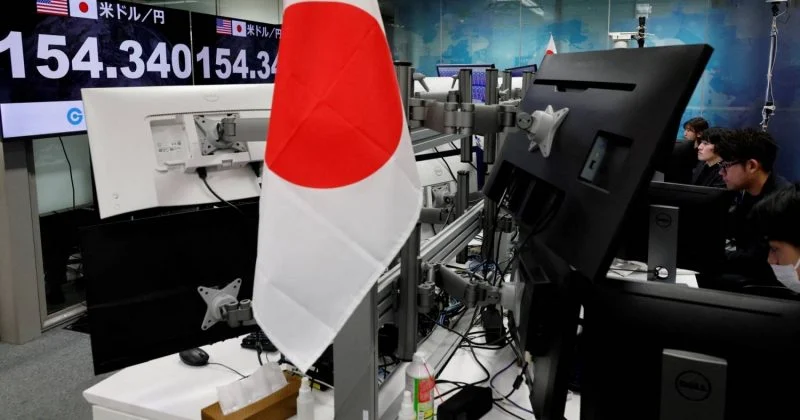
Japan and the United States just pulled off something they haven’t done in 15 years. The two countries executed a coordinated yen-buying intervention around August 1, pushing back against a currency slide that had taken the yen to roughly 163 per dollar, its weakest level in four decades.
Japan’s Ministry of Finance confirmed the move on August 3, making clear this wasn’t a one-and-done situation. Officials signaled readiness to act again if necessary, backed by an estimated $36.58 billion in spending to prop up the currency.
What happened and why it matters
The yen had been in freefall for months, driven by the yawning gap between US and Japanese interest rates. While the Fed has kept rates elevated, Japan’s central bank has maintained comparatively loose policy. That differential turned the yen into a favorite funding currency for carry trades, where investors borrow in low-yielding yen and park the money in higher-yielding assets.
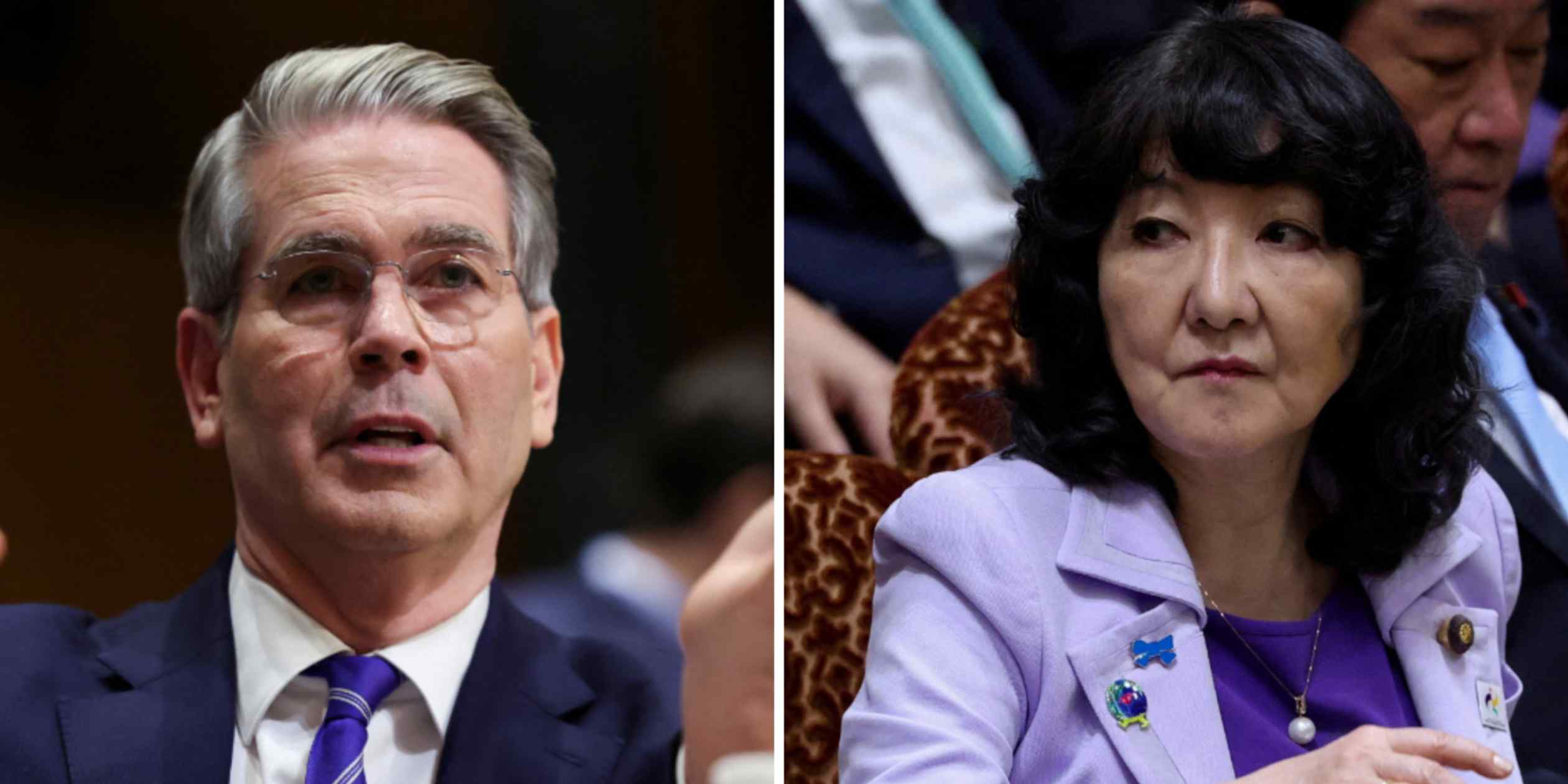
Prime Minister Sanae Takaichi and Finance Minister Satsuki Katayama had been telegraphing their frustration for weeks, describing yen movements as “speculative and highly abnormal.”