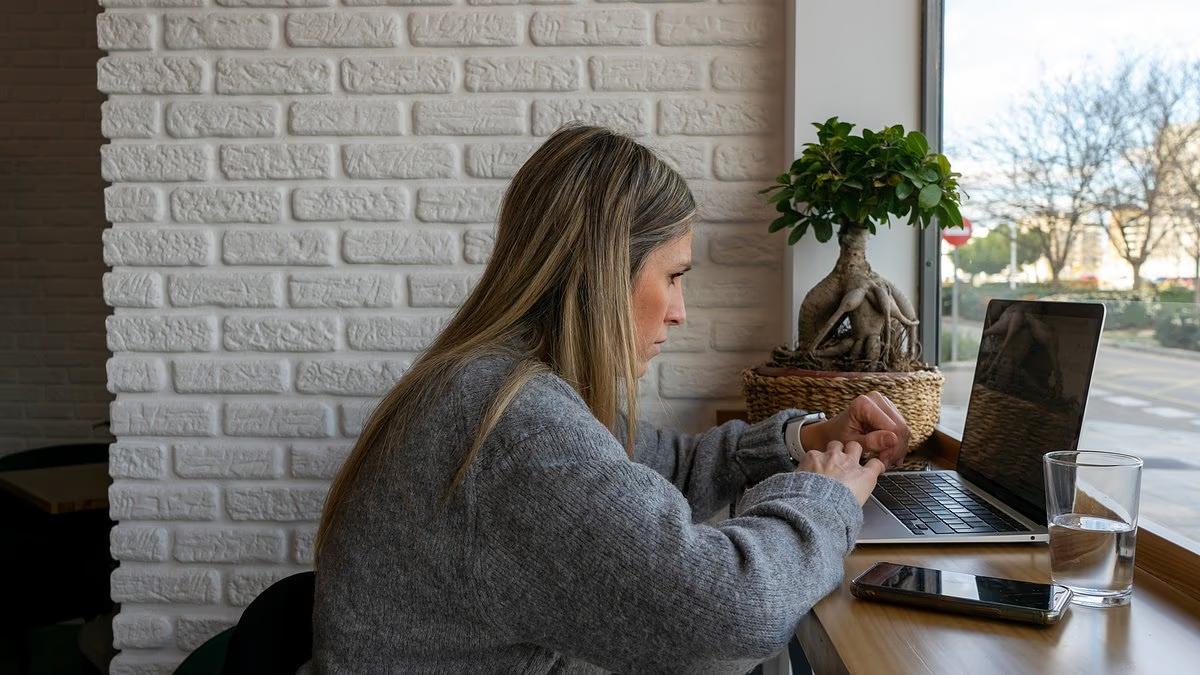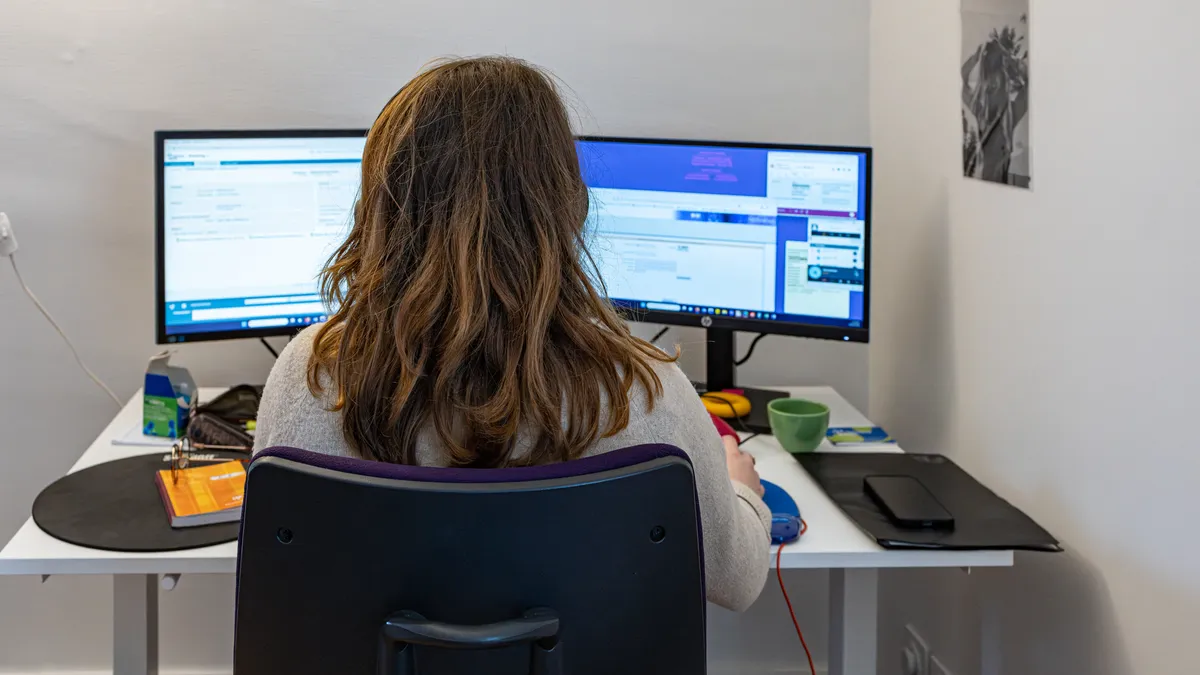
There are many perks to working from home, and those of us who’ve spent the last few years wearing pyjamas below the desk might argue that our work-life balance has benefited from them.
We’ve saved thousands on posh suits, petrol and public transport, and anyone with young kids has been able to collect them from school without having to rush home. Better still, your lunch never mysteriously goes missing from the fridge when it’s in your home kitchen.
Now, however, our bosses seem increasingly eager to get us back in the office – often because they think working from home (WFH) is bad for productivity. But while that’s not necessarily true, new evidence suggests that their appeals to return might actually be in our best interests.
That’s because a recently published study of over half a million Americans has linked WFH to poorer mental health. The authors of this ‘Home Alone’ study, published in Science in June, say this is due to how much time remote workers are spending on their own.
“People value remote work and think that it’ll improve their mental health,” says Prof Emma Harrington, one of the ‘Home Alone’ study’s authors and an economist at the University of Virginia. But her and her colleagues’ research suggests it “substantially increases isolation and worsens mental health”.