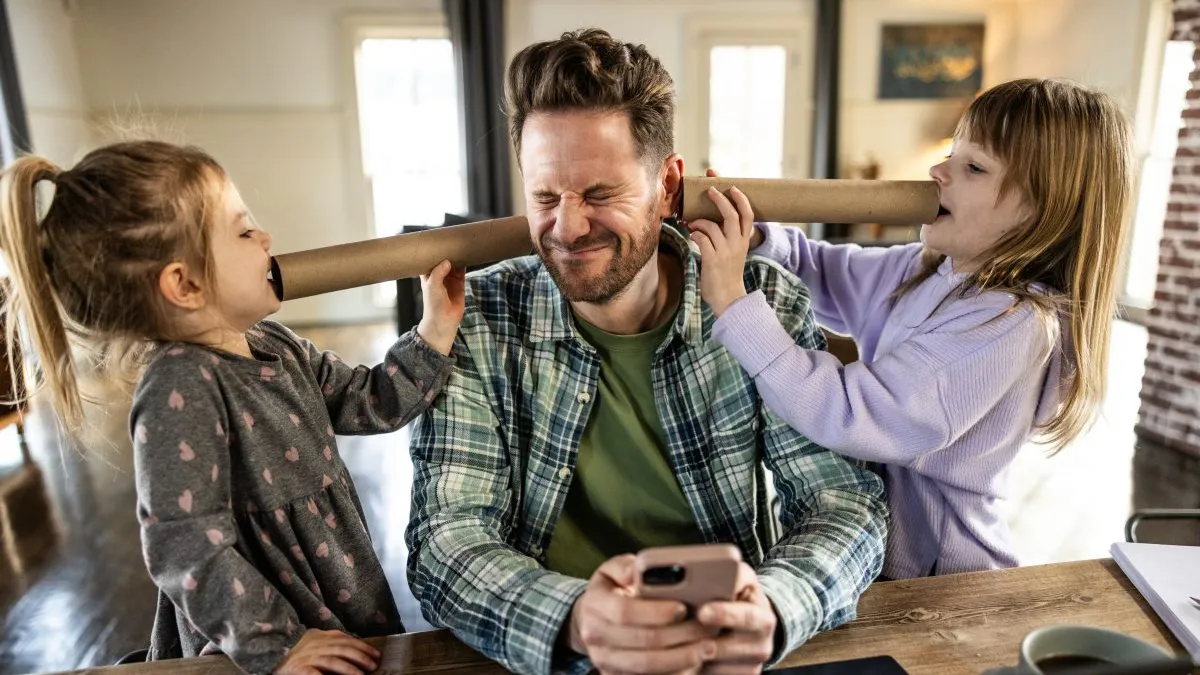
More people than ever are working from home, a change precipitated by the pandemic. Today, an estimated 41 per cent of workers in Great Britain tune into calls from home at least some of the time, a staggering 23.2 million people compared with 1.5 million people 10 years ago. This includes 13 per cent who work exclusively from home, and 28 per cent who follow a hybrid model.
While some major companies have pushed for the five-day return to the office – to the dissatisfaction or even resignation of some workers – most workplaces have retained some degree of flexibility, with Fridays at home being one of the most common post-pandemic practices.
Although most companies have accepted that some form of remote work is now a permanent fixture of the work landscape, it doesn’t stop managers harbouring mistrust over exactly what happens when their team takes their laptops home.
Shorts
At worst, fears include staff spending all day in the pub, holding down second jobs or even going on holiday early. It may also be a more laissez-faire approach to work on Fridays – less productivity, delayed responses, or even time away from desks. The i Paper spoke to five people about what they really get up to on their WFH Fridays and the answers vary.