Commentary
Despite its advantages, work-from-home arrangements have significantly deepened isolation and distress, say two economists.
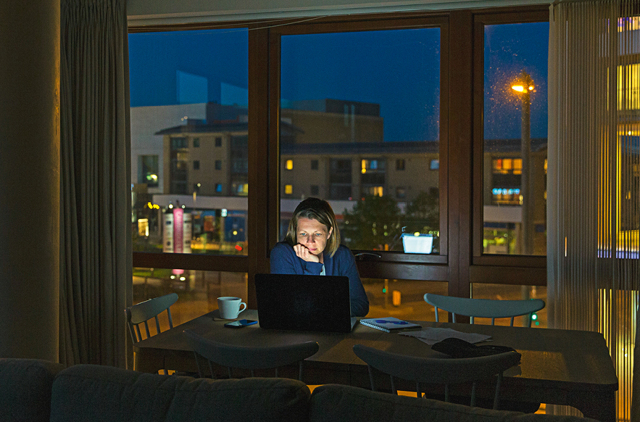
A file photo of an individual working from home. (Photo: iStock/Edwin Tan)
22 Jun 2026 06:00AM
NEW YORK: Most Americans say they love working from home. They can skip their commutes, dodge their snippy co-workers and evade their micromanaging bosses. In 2024, nearly 80 per cent of workers said they would be happiest if they could work remotely.Both of us have experienced the advantages of remote work, especially when battling morning sickness or caring for a sick 6-year-old. But on some days, we wouldn’t venture outside or speak face-to-face with another human. We started to wonder whether we - along with the roughly 35 million other Americans who work from home - had stepped into an enormous social experiment. Was remote work as liberating as it felt?We searched for answers in troves of data, unsure of what we would find. Surveys of over half a million Americans from the last decade and a half revealed an uncomfortable truth: Despite its advantages, remote work has significantly deepened Americans’ isolation and distress. Our estimates, published in Science this month with our collaborator Amanda Pallais, indicate that remote work explains a third of the deterioration in mental health over the last 15 years. Our research doesn’t suggest that work can occur only in the office. But it does mean that employees and companies should make a greater effort to prioritise face-to-face time with colleagues.