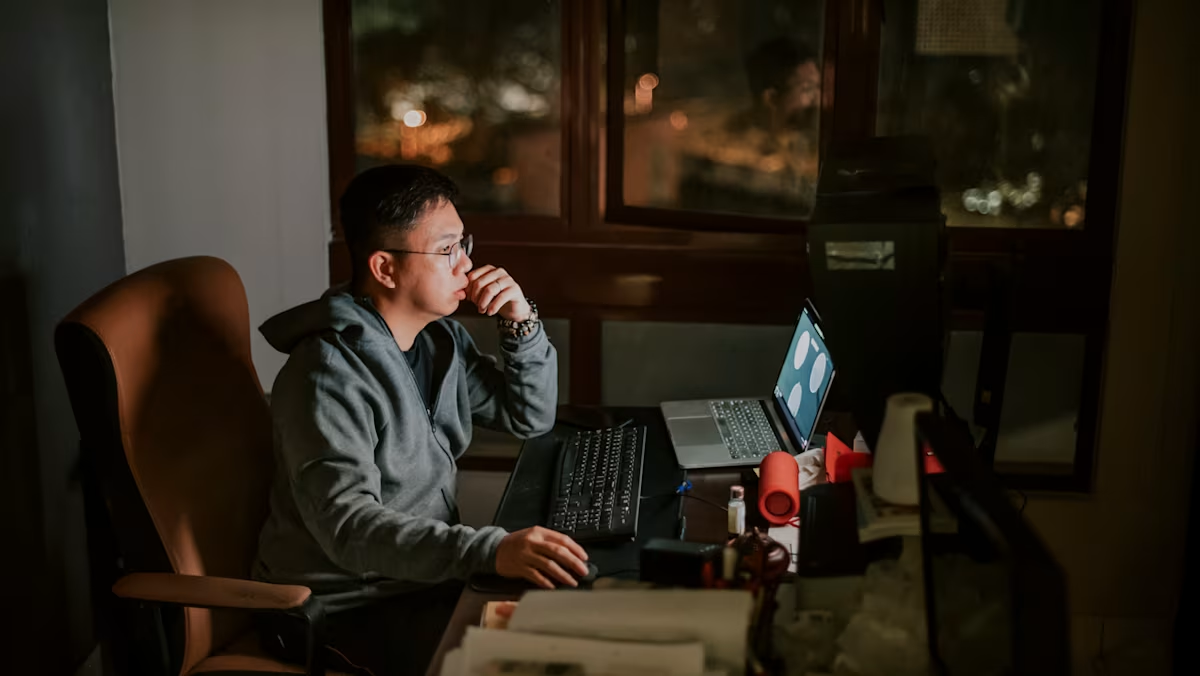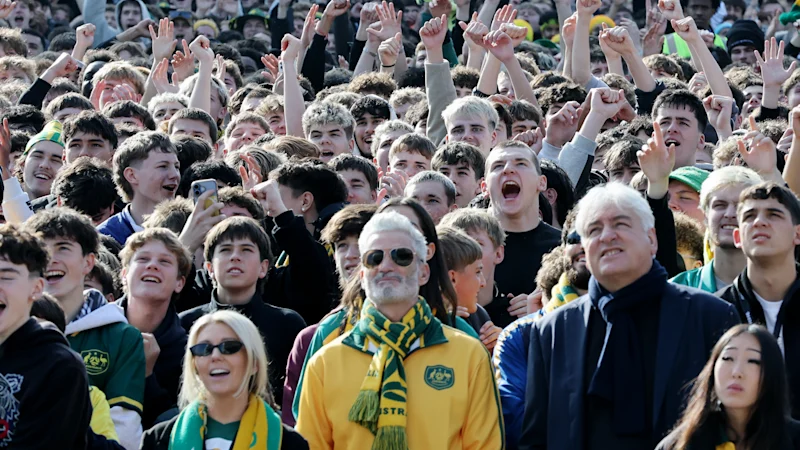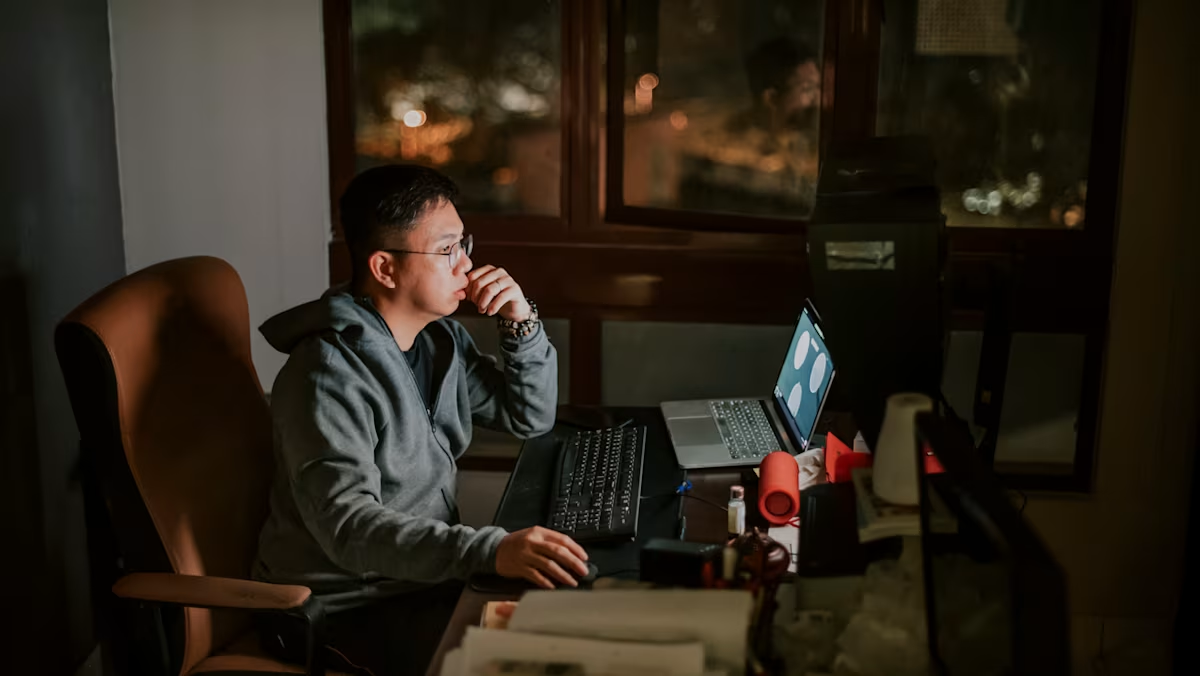
OpinionJune 22, 2026 — 3:30pmOn Friday, millions of Australians will be “working” from home, as the Socceroos take on Paraguay in the World Cup. It’s fair to think that if you measured the country’s productivity over a single day, it would probably be negative.There’s no doubt that working from home is one of the few pandemic legacies Australians are grateful has become the new normal.Working from home has become routine but is it making the employment market trickier for young graduates?Louise KennerleyRoughly half of Australian workers now work from home to some degree. Another defining shift, perhaps less welcome, is artificial intelligence, which is now being blamed for destroying the entry-level job market.AI has become the villain of the modern economy, linked to soaring electricity demand, stock market bubbles and fears of an “AI job-pocalypse”.But when it comes to its role in youth employment, the timing does not quite fit the narrative because the deterioration in youth employment predates the widespread adoption of generative AI.Increasingly, research instead points to working from home as an overlooked factor in graduate difficulties, a “zoomageddon,” if you will.Emerging evidence suggests it is a causal rather than merely correlative relationship. Research from the Federal Reserve Bank of New York found that the sharp rise in remote work since the pandemic can explain a substantial share of the 20 per cent increase in graduate unemployment.The researchers compared remote-capable occupations with those requiring physical presence and examined outcomes for younger and more experienced workers. After controlling for differences in exposure to artificial intelligence, the researchers found that around 64 per cent of that rise can be attributed to remote work.The authors hypothesised that “employers may not want to hire fresh graduates onto distributed teams because it is more difficult to teach them the requisite skills from afar”.A second recent study, “The Broken Ladder”, using data from Australia, the US, UK and Canada, also found higher rates of working from home were associated with less junior hiring and fewer entry-level job advertisements, even after controlling for AI.Australian labour market data shows unemployment has risen fastest among younger cohorts, which is why Victoria’s decision to legislate a legal right to work from home is particularly significant. Victoria already has among the highest rates of hybrid working in the country.According to a recent survey by the Victorian Chamber of Commerce and Industry, around three-quarters of businesses report that staff regularly work from home.Surveys show overwhelming support for WFH among employees, but far less enthusiasm from employers. It’s a bit like surveying kids on whether they want a longer lunch break. The answer was never in doubt. The harder question is what it costs those not in the room.Few workers would voluntarily swap the spare bedroom office for a crowded train and a lengthy commute five days a week, especially when the FIFA World Cup is on.Working from home clearly has benefits, including higher job satisfaction and lower staff turnover. But some studies also associate fully remote work with greater loneliness and mental distress. Whether it is more productive remains controversial among researchers.The question for policymakers is not whether working from home is popular. The question is whether a labour market designed around the preferences of established workers inadvertently disadvantages those trying to enter it.Experienced workers already know the systems and workplace norms, requiring far less supervision. But new employees learn through observation, informal interactions and quick feedback from nearby colleagues. Much of this tacit knowledge is difficult to replicate through scheduled video calls and Slack messages.Those who enter the workforce in a weak labour market tend to see lower earnings and slower career progression for years afterward.Before governments make remote work a permanent feature of the labour market, it is worth asking whether there are unintended consequences for the next generation.Going forward, artificial intelligence may yet disrupt the labour market in profound ways, but so far it appears not to be solely to blame for graduates’ struggles.And as the Socceroos face Paraguay, it may be worth asking whether the next generation is the one being left on the bench.Will Bennett is a freelance writer and a Cambridge masters graduate.Get a weekly wrap of views that will challenge, champion and inform your own. Sign up for our Opinion newsletter.From our partners
Working from home is great but is it an own goal for young jobseekers? The evidence is in
The sharp rise in remote work since the pandemic has been linked to an increase in graduate unemployment.
710 words~3 min read