Commentary
New evidence suggests the rise of working from home has made entry-level hires a less attractive proposition, according to this Financial Times writer.
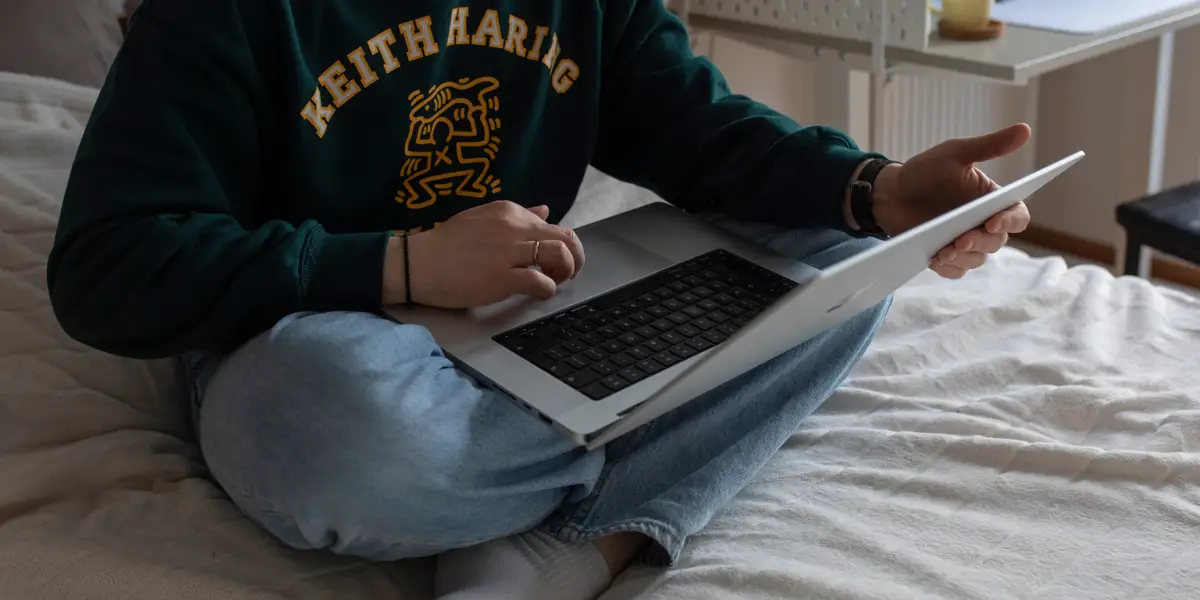
Work from home may be the real culprit for new hires looking less attractive, not the rise of artificial intelligence, argues this writer. (Photo: iStock/Edwin Tan)
30 May 2026 06:00AM
LONDON: Graduates and other new entrants to the world of work have had a rough few years. A cool labour market for everyone has been icy for the youngest, with hiring of junior workers lagging the more experienced across a wide range of countries.The early-career hiring pullback has been especially pronounced in white-collar work - software and other tech roles foremost among them - leading observers to point to an obvious culprit: the rise of AI tools that can perform much of the work typically done by juniors, but are less able to replace the accumulated knowledge and experience of seasoned professionals.But a paper published last week suggests the particular woes of young would-be knowledge workers may not be due to AI, or at least not as much as assumed. What other large recent shock could tick the same boxes - hurting junior hiring more than senior, affecting knowledge work roles more than blue-collar jobs and hitting young coders especially hard? The authors Peter John Lambert and Yannick Schindler have a fascinating counter-proposal: the take-off of remote work.