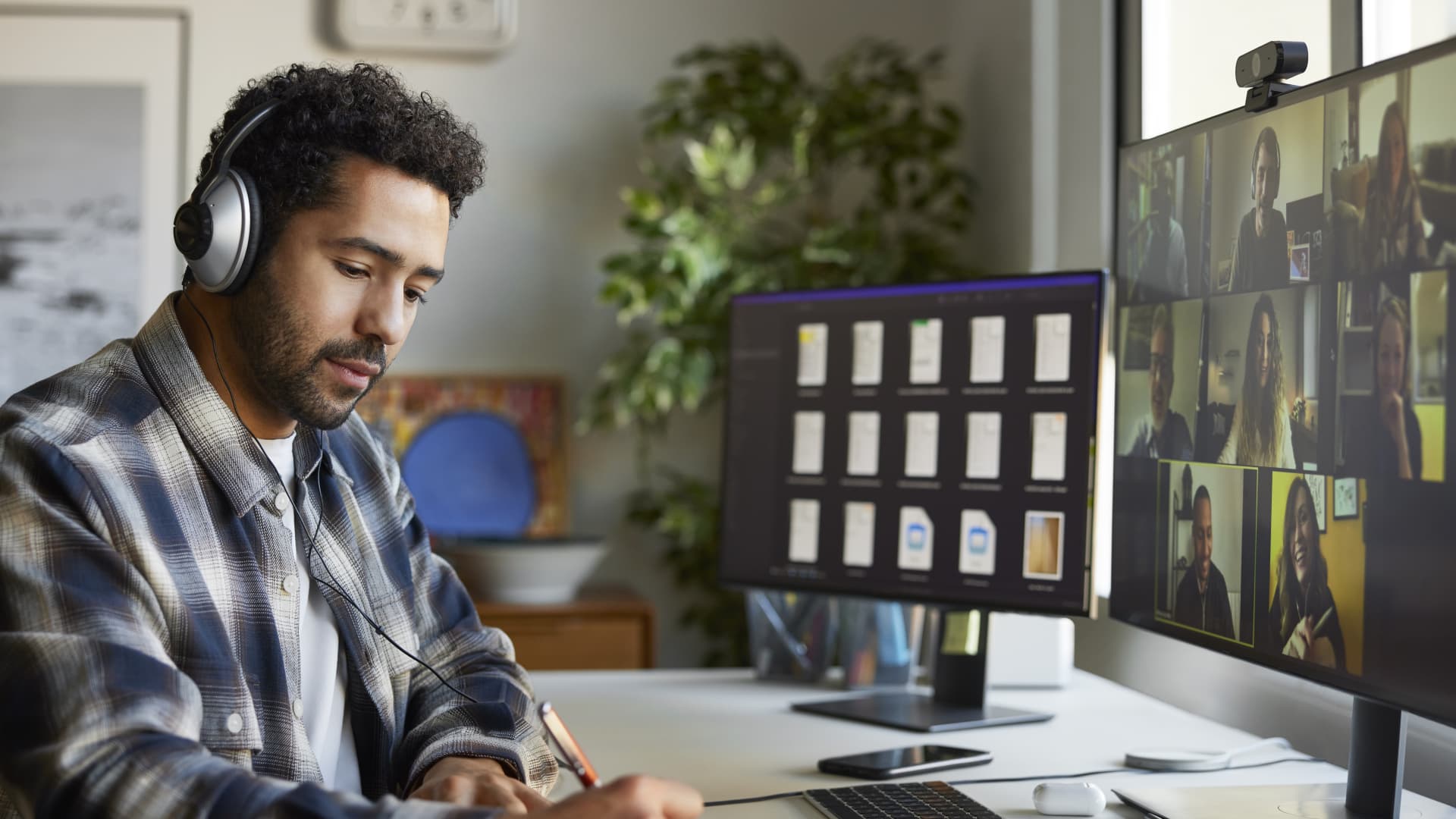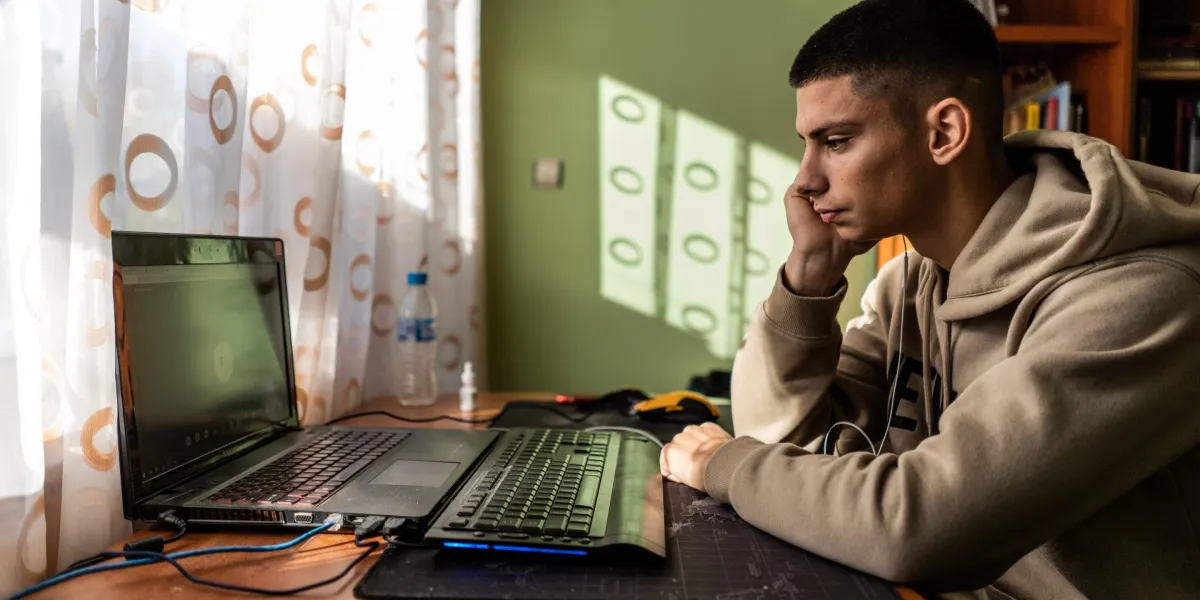
Just a few years ago, remote work was something like a matter of life or death. In the pandemic-stricken early years of the 2020s, most white-collar workers who fled to the country or even changed their living situations counted their blessings as bosses seemed inclined to let home offices be even as lockdown orders expired. Almost half of full-time U.S. employees were working from home by fall 2021, of which some 90% said they wanted to stay remote in some shape or form.
They may have gotten their wish. Of jobs that could be done remotely, 78% of U.S. work locations are currently either remote or hybrid, according to Gallup data, up from 40% in 2019. Meanwhile, fully on-site roles went from 60% of placements in 2019 to 22% this year.
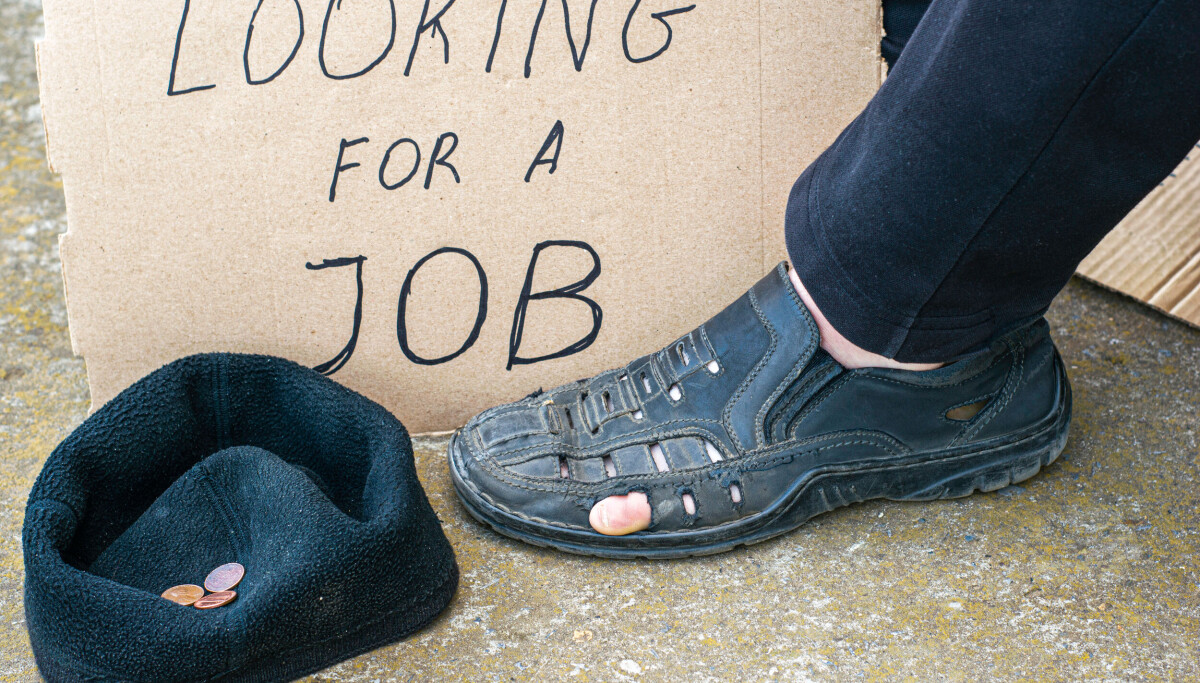
But for every millennial or Gen Xer happily able to take calls in sweatpants Mondays and Fridays, mounting evidence suggests that working in your sweatpants is the real reason, not AI adoption, behind the plunge in entry-level hiring halfway through the decade.
New research from the Federal Reserve Bank of New York puts numbers on the dynamic. Researchers found the unemployment rate for college graduates younger than 29 climbed from 3.1% to 3.7% over the past nine years. Over the same period, unemployment among more experienced college graduates older than 29 actually ticked down, from 1.9% to 1.8%.