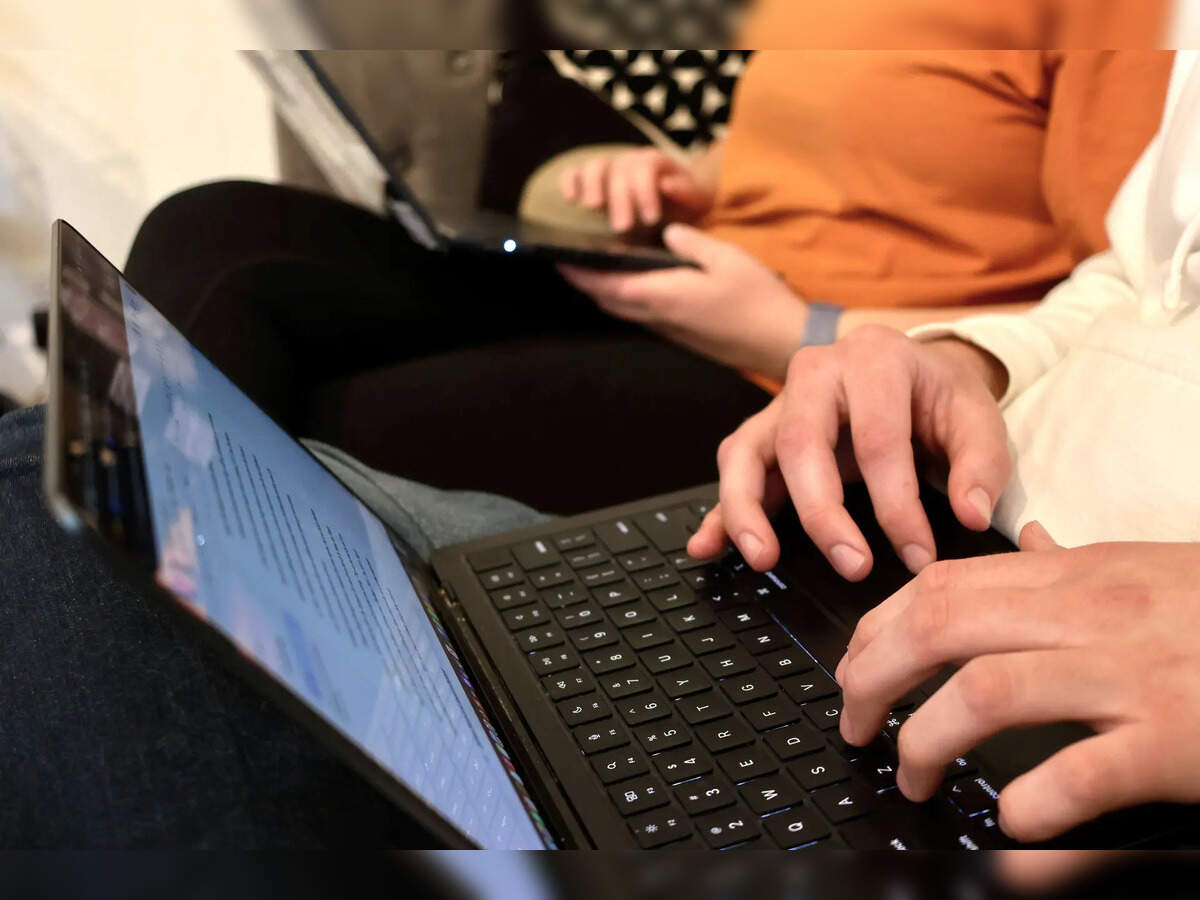
Morsa Images | Digitalvision | Getty ImagesBoth remote work and youth unemployment are on the rise since the Covid pandemic — and the two trends are related, according to new research by the Federal Reserve Bank of New York. The unemployment rate for young college graduates swelled to 5.6% in March 2026 from 3.6% in March 2019, the New York Fed economists wrote in a blog post published Monday. They estimate that remote work can account for 64% of the recent increase."Employers may not want to hire fresh graduates onto distributed teams because it is more difficult to teach them the requisite skills from afar," the authors said. Read more CNBC personal finance coverageTrump Accounts app launches — here's how to get startedMore workers are raiding their 401(k)s as average balances fall, Fidelity saysMillions of people lose food stamp access as 'big beautiful bill' cuts take effectRoth IRA owners may need a second retirement account to claim the Saver's MatchCNBC's Financial Advisor 100: Best financial advisors, top firms rankedWhile the impact of artificial intelligence on entry-level jobs has received much attention recently, the expansion of remote work has likely had a greater impact on youth unemployment, they wrote. The New York Fed researchers compared unemployment rates between inexperienced and more experienced employees across "remotable" jobs, such as software engineers and financial analysts, and "non-remotable" jobs, such as funeral home managers and nurses. They also used proprietary data from an undisclosed Fortune 500 company. Very few Gen Z workers — 6% —prefer fully on-site work, a Gallup survey from May 2025 found. Most, 71%, said they prefer a hybrid arrangement. Industries with higher rates of remote work showed bigger jumps in productivity, according to 2024 research by the U.S. Department of Labor. But companies may be hesitant to hire inexperienced workers when they won't be in the office, the New York Fed researchers wrote."Remote work has weakened incentives to hire young workers by impeding on-the-job training," they wrote. However, even companies that offer remote work typically require a few days on-site, which provides room for collaboration and mentorship, said Nicholas Bloom, an economics professor at Stanford University who studies remote work."I don't think there is any evidence this is slowing employment," Bloom said. "Indeed, quite the reverse, as it's easier for people to work and so labor supply looks to be rising."'Lasting consequences' for college grads Those working separately from colleagues may receive less feedback, which can especially hinder the development of those newer to the workforce, the New York Fed authors wrote. Their research also found that one Fortune 500 company hired fewer inexperienced workers during the pandemic because of the challenges to providing education and mentorship from afar — a dynamic that they said could be playing out more broadly now with widespread remote work. "The high unemployment rates of young college graduates are particularly concerning because early-career experiences can have lasting consequences," according to the blog post.
Remote work is worsening youth unemployment, New York Fed finds
The expansion of remote work may explain the recent surge in youth unemployment, according to research by the Federal Reserve Bank of New York.
489 words~2 min read